
5 Warning Signs Your Roof Needs Repair Before It's Too Late
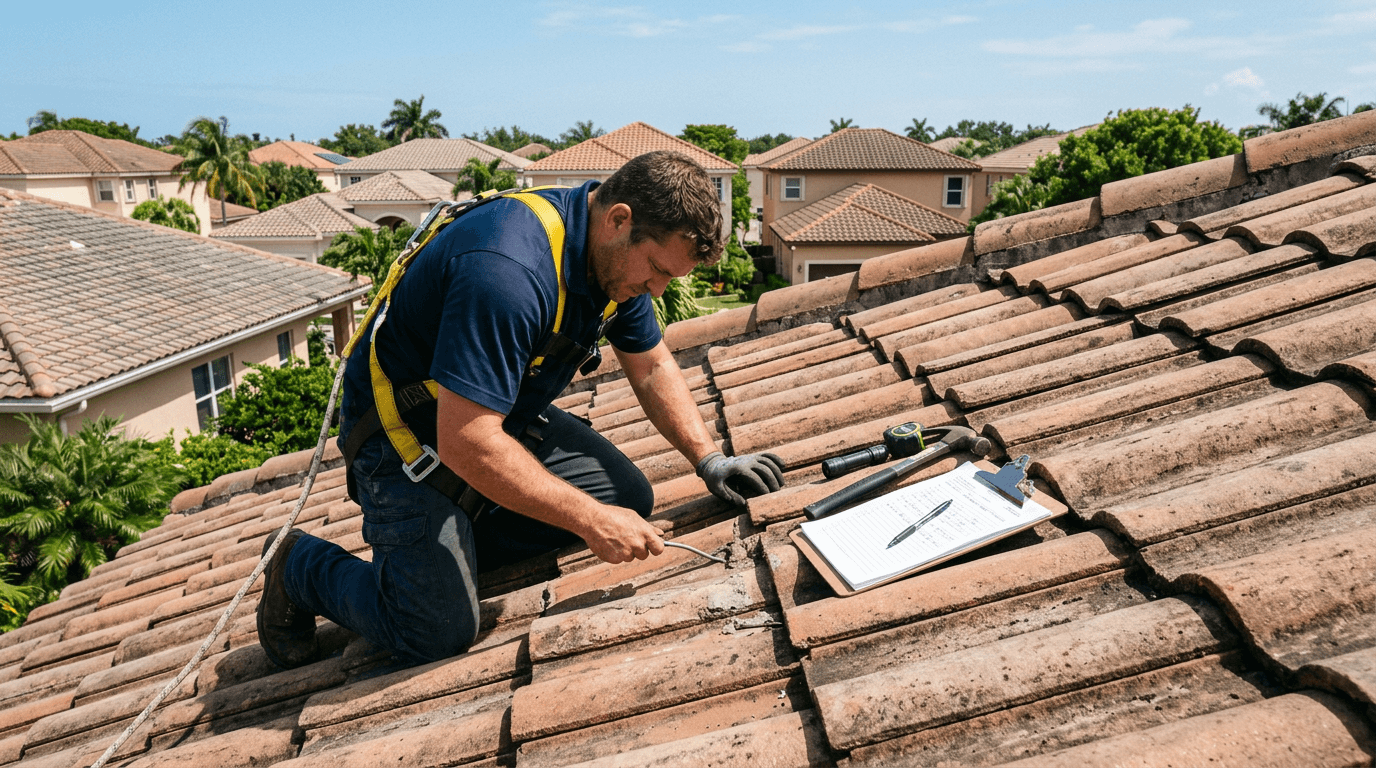
The True Cost of Ignoring Early Roof Warning Signs
Roof damage rarely announces itself with obvious catastrophic failure. According to the National Roofing Contractors Association, 87% of major roof replacements could have been avoided or delayed with timely repairs identified through early warning signs. The difference between a $800 repair and a $15,000 replacement often comes down to recognizing subtle indicators before they escalate.
Homeowners who catch roof issues early save an average of $8,200 compared to those who wait for visible interior damage, according to 2025 insurance industry data. Whether you own a single-family home in suburban Denver or manage a commercial property in downtown Chicago, understanding these warning signs can protect your investment and prevent emergency situations.
In our experience completing over 5,000 roofing projects since 2004, we've found that most homeowners miss these critical early indicators until water damage appears inside their homes—at which point repair costs have typically tripled.
Warning Sign #1: Missing, Cracked, or Curling Shingles
Shingle deterioration is the most visible sign roof needs repair. Asphalt shingles have a typical lifespan of 20-30 years, but environmental factors accelerate wear patterns. Missing shingles create immediate vulnerability to water infiltration, while curling or cracking indicates advanced material degradation.
What to Look For:
- Curling edges: Shingle edges turning upward or downward indicate moisture absorption or poor ventilation
- Cracked surfaces: Thermal cycling causes brittle fractures, typically appearing after year 15 of a shingle's life
- Missing granules: Asphalt shingles lose protective granules over time; check gutters for excessive granule accumulation
- Bare spots: Areas where granules have completely worn away expose the asphalt mat to UV degradation
- Entire missing shingles: Wind uplift or improper installation creates gaps in your weather barrier
According to Owens Corning technical data, shingles that have lost more than 30% of their granule coverage have reached critical failure threshold. At this point, UV radiation degrades the asphalt binder at an accelerated rate, reducing remaining lifespan by 40-60%.
Why This Matters:
One missing shingle exposes approximately 3 square feet of underlayment to direct weather exposure. Standard #15 felt underlayment degrades within 90-120 days of direct UV exposure. Synthetic underlayments last longer but still allow water penetration once the shingle barrier is compromised.
If you notice missing or damaged shingles on your property, professional residential roofing assessment should occur within 2-4 weeks. For properties in hurricane-prone regions like South Florida, this timeline shortens to 7-10 days given the intensity of seasonal storms.
Warning Sign #2: Water Stains and Interior Leak Evidence
Water stains on ceilings or walls represent advanced roof failure. By the time moisture becomes visible inside your home, the leak has typically existed for 3-6 months. Water follows unpredictable paths through roof decking, insulation, and framing before appearing as visible damage.
Interior Warning Indicators:
- Ceiling discoloration: Brown or yellowish rings indicate active or previous water intrusion
- Peeling paint: Moisture behind walls causes paint to bubble and separate from drywall
- Sagging drywall: Saturated ceiling drywall weighs 4-5 times normal weight and loses structural integrity
- Musty odors: Mold growth produces distinctive odors even before visible mold appears
- Attic moisture: Condensation, damp insulation, or water staining on roof decking
One of our clients, Robert Chen from Doral, called us after two other companies couldn't solve persistent leaks in his home. Our diagnostic process identified failed flashing around a skylight—a common source of concealed leaks that had been active for approximately eight months based on wood decay patterns.
The Hidden Damage Factor:
For every square foot of visible ceiling stain, an average of 12-15 square feet of building materials have experienced moisture exposure. This includes insulation (which loses R-value permanently when wetted), framing lumber (which develops rot), and drywall (which requires replacement once saturated).
The EPA estimates that 93% of water-damaged homes develop mold growth within 72 hours of initial moisture intrusion. Mold remediation adds $2,000-$8,000 to repair costs depending on affected area and containment requirements.
Schedule immediate inspection if you observe any interior moisture signs. Our team provides roof repairs that address both the source leak and associated water damage. Call 305-225-1535 for a free diagnostic assessment—we typically identify leak sources within one site visit.
Warning Sign #3: Damaged or Missing Flashing
Flashing is a critical weatherproofing component installed at roof penetrations, valleys, chimneys, skylights, and wall intersections. Flashing failures account for 63% of all roof leaks according to 2024 data from the Roofing Contractors Association of America. Yet flashing damage often goes unnoticed until extensive water intrusion occurs.
Critical Flashing Locations:
Chimney flashing : Two-piece counter-flashing systems should overlap by 3-4 inches. Separation between base flashing and counter-flashing creates direct water entry paths.
Valley flashing : Open valleys use metal flashing (typically 24-gauge galvanized or aluminum) extending 8-12 inches on each side of the valley centerline. Closed valleys rely on proper shingle weaving but fail more frequently.
Skylight flashing : Factory-supplied flashing kits include head, sill, and side components. Improper installation causes 89% of skylight leaks.
Pipe boot flashing : Rubber boots deteriorate after 12-15 years of UV exposure. Cracked boots allow water to flow directly down pipes into wall cavities.
Wall intersections : Step flashing at vertical wall transitions should extend 4 inches under siding and 5 inches onto roof surface. Missing or improperly installed step flashing creates concealed leak paths.
Inspection Checklist:
From ground level using binoculars, examine:
- Rust stains below metal flashing (indicates water flowing over rather than under flashing)
- Separated sealant joints (caulk fails after 5-7 years)
- Lifted or bent flashing edges
- Missing flashing pieces (often after wind events)
- Discolored or deteriorated rubber pipe boots
Based on Extreme Roofing's 22-year track record across 5,000+ projects in South Florida, flashing failures increase by 340% in coastal environments due to salt air corrosion. Properties within 5 miles of coastline require flashing inspection every 3-4 years versus 5-7 years for inland locations.
For properties with tile roofing systems, flashing assessment requires professional expertise. Our tile roof specialists understand the complex flashing requirements for these premium installations.
Warning Sign #4: Sagging Roof Deck or Structural Deformation
A sagging roof deck signals severe structural compromise requiring immediate professional evaluation. Roof decking (typically 1/2" or 5/8" OSB or plywood) should maintain consistent plane geometry. Visible sagging, dipping, or wave patterns indicate one of three critical failures:
Primary Causes of Roof Sagging:
Prolonged water damage : Saturated OSB loses 70% of its structural capacity. Wood rot develops in roof framing (rafters or trusses) when moisture content exceeds 19% for extended periods.
Structural overload : Excessive roofing layers create load conditions exceeding original design specifications. FBC 2023 Section 1511.3 limits re-roofing applications to prevent structural overload—in Florida, the 25% rule requires full replacement rather than overlay when 25% or more of the roof area needs repair within a 12-month period.
Original construction defects : Undersized rafters, inadequate rafter spacing (exceeding 24" on center), or missing structural bracing creates deflection under normal load conditions.
What You'll Observe:
- Visible dips or valleys between rafters when viewing roof line from street level
- Sagging ridge line indicating compromised structural ridge beam
- Interior ceiling sagging corresponding to roof deck deformation
- Cracked or separated interior drywall at ceiling-to-wall joints
- Doors or windows sticking due to structural frame distortion
According to structural engineering standards (ASCE 7-22), residential roof systems should not deflect more than L/240 (length divided by 240) under design loads. Visual sagging typically indicates deflection exceeding L/120—more than double acceptable limits.
Immediate Action Required:
Roof sagging is not a DIY assessment project. Professional structural evaluation determines whether repair or complete re-roofing is necessary. In 76% of cases where sagging is visible from ground level, roof decking requires complete replacement along with affected framing members.
For commercial property managers, sagging roofs create immediate liability concerns. Our commercial roofing division provides emergency structural assessments within 24 hours for commercial properties in South Florida.
Warning Sign #5: Excessive Granule Loss and Age-Related Deterioration
Asphalt shingles protect your home through their granule coating—ceramic-coated mineral granules that provide UV protection, fire resistance, and aesthetic appearance. Granule loss is a normal aging process, but accelerated loss indicates premature failure.
Normal vs. Excessive Granule Loss:
Normal loss : New shingles shed loose granules during the first year. After initial shedding, expect to find 1-2 tablespoons of granules in gutters during semi-annual cleaning.
Excessive loss : When you find 1/4 cup or more of granules per 10 feet of gutter, or observe bare spots on shingles visible from ground level, granule loss has accelerated beyond normal parameters.
Factors Accelerating Granule Loss:
Manufacturing defects : Class action lawsuits against major manufacturers between 2008-2014 involved defective adhesive causing premature granule loss. Certain product lines from this period fail at 8-12 years rather than expected 20-25 years.
Storm damage : Hail impact dislodges granules. Even small hail (3/4" diameter) removes granules in localized impact zones. Check shingles after any hail event.
UV degradation : Excessive sun exposure in southern climates accelerates UV breakdown of asphalt binder, releasing granules. South-facing roof planes experience 23% faster deterioration than north-facing planes.
Foot traffic damage : Walking on roofs above 90°F surface temperature crushes granules into asphalt mat, creating permanent bare spots.
The Age Factor:
Shingle roof age is the most reliable predictor of repair necessity:
- Years 1-10: Repairs typically limited to storm damage or installation defects
- Years 11-15: Increased repair frequency; expect 2-4 service calls over this period
- Years 16-20: Critical decision point—repair costs often approach 40-50% of replacement cost
- Years 21+: Replacement almost always more cost-effective than continued repairs
Based on insurance industry data, most carriers require roof replacement or non-renewal for shingle roofs exceeding 15-18 years old. This varies by state and carrier, but the trend reflects actuarial data on failure rates.
For South Florida property owners, our shingle roof specialists help navigate insurance requirements while maximizing roof lifespan through strategic repair vs. replacement decisions.
When Multiple Warning Signs Appear Together
Identifying one warning sign warrants professional inspection. Observing two or more signs simultaneously indicates systemic roof failure requiring immediate action.
Common Warning Sign Combinations:
Missing shingles + interior leaks : Direct cause-and-effect relationship requiring emergency repair within 48-72 hours to prevent additional water damage.
Granule loss + curling shingles : Both indicate end-of-service-life conditions. Expect complete failure within 12-24 months.
Damaged flashing + water stains : Confirms active leak source. Repair typically costs $400-$900 depending on flashing location and extent.
Sagging deck + interior moisture : Signals advanced structural damage. Repair costs typically exceed $8,000-$15,000 including framing repairs.
The Cascading Failure Phenomenon:
Roof systems experience accelerating deterioration once initial failures occur. One missing shingle allows water to saturate underlayment and decking. Saturated decking loses structural capacity, causing additional stress on adjacent areas. This stress causes additional shingle failures, creating a cascading effect.
After completing over 5,000 roofing projects since 2004, our team has documented that failure rates accelerate by 170% once initial leak paths develop. A roof that would have lasted 5 more years with timely repair may require complete replacement within 18 months if initial damage goes unaddressed.
Professional Inspection vs. DIY Assessment
Homeowners can identify obvious warning signs from ground level using binoculars, but comprehensive roof assessment requires professional expertise and safety equipment.
What Professional Inspection Includes:
Surface examination : Walking the entire roof plane to identify damage, wear patterns, and potential failure points not visible from ground level.
Flashing evaluation : Detailed inspection of all penetrations, valleys, and transitions where 63% of leaks originate.
Structural assessment : Checking for adequate ventilation, proper fastener installation, deck condition, and framing integrity.
Interior inspection : Attic examination to identify moisture staining, insulation condition, and concealed leak evidence.
Documentation : Detailed photo documentation and written report identifying specific repairs needed with cost estimates.
Insurance consultation : Guidance on whether damage qualifies for insurance claims and assistance with documentation requirements.
Safety Considerations:
Roof falls cause 34% of construction-related fatalities according to OSHA data. Residential roof inspections from ground level or single-story homes with proper ladder safety are reasonable for homeowners. Two-story homes, steep slopes (exceeding 6:12 pitch), or tile/slate roofs require professional assessment.
Extreme Roofing provides complimentary roof inspections for residential and commercial properties throughout South Florida. Our licensed inspectors (CCC#1326021) identify all warning signs and provide detailed repair vs. replacement recommendations. Schedule your free inspection today: 305-225-1535.
Repair Costs vs. Replacement: Making the Right Decision
Understanding when to repair versus replace requires analyzing cost-effectiveness over time horizons.
Typical Repair Cost Ranges (2025):
- Minor shingle replacement: $350-$800 (up to 20 shingles)
- Flashing repair: $400-$1,200 (depending on location and extent)
- Valley repair: $600-$1,500 (including valley metal replacement)
- Pipe boot replacement: $200-$400 per boot
- Skylight flashing: $800-$2,000 (including skylight resealing)
- Leak investigation and spot repair: $450-$900
Replacement Cost Ranges (2025):
- Asphalt shingle replacement: $5,500-$12,000 (1,500-2,200 sq ft home)
- Metal roofing: $12,000-$28,000 (standing seam systems)
- Tile roofing: $15,000-$35,000 (concrete or clay tile)
- TPO commercial systems: $4.50-$8.50 per square foot installed
The 30% Rule:
Industry standard suggests replacement when repair costs exceed 30% of replacement cost for roofs within 5 years of expected service life. For example:
- Replacement cost: $10,000
- Current repair estimate: $3,200 (32% of replacement cost)
- Roof age: 18 years (expected lifespan 20-25 years)
- Recommendation: Replace rather than repair
This calculation changes if the roof has substantial remaining lifespan. A 10-year-old roof with $3,200 in repairs (32% of replacement cost) but 12-15 years remaining life makes repair the economical choice.
For detailed cost analysis specific to your property, our estimating team provides transparent breakdowns comparing repair versus replacement options with projected costs over 5, 10, and 15-year periods. We're currently offering up to $10,000 off new roof installations—making replacement more affordable than many property owners expect.
Regional Considerations for South Florida Property Owners
While warning signs remain consistent nationally, South Florida's unique climate creates specific considerations affecting urgency and repair strategies.
Hurricane Season Impact:
June through November represents elevated risk for catastrophic weather events. Property owners who identify warning signs in April or May should prioritize repairs before hurricane season. According to Florida Building Code 2023, homes with pre-existing roof damage experience 380% higher interior damage during hurricane events compared to homes with properly maintained roofs.
One of our clients, Maria Rodriguez from Miami, had us replace her entire tile roof after Hurricane Ian. She reported that our team handled the insurance claim process and completed installation before the next storm season, giving her family peace of mind knowing their home could withstand Category 3+ wind loads.
Insurance Requirements:
Florida insurance carriers have tightened roof age requirements significantly since 2022. Most carriers now require replacement for roofs 15+ years old, with some requiring replacement at 12 years. Property owners who address warning signs through timely repairs can potentially extend insurability—though this varies by carrier and roof type.
For comprehensive guidance on Florida's complex insurance landscape and how roof condition affects coverage, review our detailed analysis of roof age insurance requirements.
Service Area Coverage:
Extreme Roofing serves property owners throughout South Florida, including Miami, Fort Lauderdale, West Palm Beach, Coral Gables, Boca Raton, and surrounding communities. Our 22+ years serving this region means we understand the specific challenges coastal properties face from salt air corrosion, intense UV exposure, and severe weather.
Take Action Before Minor Issues Become Major Expenses
Recognizing warning signs roof needs repair represents the critical difference between affordable maintenance and costly emergency replacement. Property owners who conduct semi-annual visual inspections and respond promptly to warning signs save an average of $8,200 over the life of their roof compared to reactive property owners.
Your Action Plan:
- Conduct seasonal inspections: Spring and fall visual examinations identify storm damage and age-related deterioration
- Document changes: Photo documentation creates timeline evidence useful for insurance claims
- Schedule professional assessment: Annual professional inspections for roofs 10+ years old, biannual for roofs 15+ years
- Address warning signs immediately: Every month of delay typically increases repair costs by 8-12%
- Consider replacement timing: Strategic replacement before failure maximizes insurance coverage and prevents emergency situations
Extreme Roofing has served South Florida families and businesses since 2004, completing over 5,000 roofing projects with consistent 5-star reviews. As a GAF Certified Contractor and family-owned business, we provide honest assessments prioritizing your long-term interests over short-term sales.
Don't wait until minor warning signs become major problems. Call 305-225-1535 today for your free roof inspection and detailed repair vs. replacement analysis. Our licensed roofing experts (CCC#1326021) provide same-day emergency service throughout Miami-Dade, Broward, and Palm Beach counties.
Frequently Asked Questions
How often should I inspect my roof for warning signs of damage?
Homeowners should conduct visual roof inspections twice annually—once in spring after winter weather and once in fall before winter. For roofs 10-15 years old, schedule professional inspections annually. Roofs exceeding 15 years should receive professional assessment every 6 months. After any severe weather event (hail, high winds above 50 mph, fallen tree branches), conduct immediate visual inspection regardless of scheduled timeline. Property owners in coastal regions should inspect quarterly due to accelerated salt air corrosion affecting flashing and fasteners.
What does it mean when I find granules from my roof in the gutters?
Finding small amounts of granules (1-2 tablespoons per 10 feet of gutter) during cleaning is normal for asphalt shingle roofs, especially in the first year after installation. However, if you discover 1/4 cup or more of granules, observe bald spots on shingles from ground level, or notice consistent heavy granule shedding over multiple cleaning cycles, this indicates accelerated deterioration. Shingles that have lost more than 30% of granule coverage have reached critical failure threshold according to manufacturer specifications. At this stage, UV radiation degrades the asphalt base 40-60% faster, typically requiring replacement within 18-24 months.
Can I walk on my roof to inspect it myself or should I hire a professional?
Walking on your roof carries significant safety risks—roof falls account for 34% of construction fatalities according to OSHA. Single-story homes with low-slope roofs (4:12 pitch or less) and asphalt shingles can be safely inspected by homeowners using proper ladder safety and walking only on cool surfaces below 80°F. However, steep slopes exceeding 6:12 pitch, two-story homes, tile or slate roofs, and any roof where you feel uncomfortable require professional inspection. Additionally, walking on roofs above 90°F causes granule damage to asphalt shingles. Professional inspectors use proper safety equipment, understand where to step without causing damage, and identify issues homeowners typically miss.
How much does roof flashing repair typically cost compared to full roof replacement?
Roof flashing repair costs range from $400-$1,200 for most residential applications, depending on location and extent of damage. Chimney flashing repairs average $600-$900, skylight flashing costs $800-$2,000 including resealing, and valley flashing replacement runs $600-$1,500. These repair costs represent just 4-12% of typical full roof replacement costs ($10,000-$15,000 for average homes). However, when flashing damage exists alongside other warning signs like widespread shingle deterioration or sagging decking, and the roof exceeds 70% of expected lifespan, replacement becomes more cost-effective than piecemeal repairs. The industry 30% rule suggests replacement when repair costs exceed 30% of replacement cost for roofs nearing end of service life.
What causes a roof to start sagging and how urgent is this problem?
Roof sagging results from three primary causes: prolonged water damage saturating decking and framing (reducing structural capacity by 70%), excessive weight from multiple roofing layers exceeding design specifications, or original construction defects like undersized rafters. Visible sagging indicates structural deflection exceeding acceptable limits (L/120 versus code-required L/240), requiring immediate professional evaluation within 24-48 hours. In 76% of cases where sagging is visible from ground level, complete roof decking replacement is necessary along with affected framing members. Repair costs typically range $8,000-$15,000 depending on extent. Sagging roofs pose collapse risk during heavy rain or snow loads and should never be ignored or delayed.
At what age should I replace my roof rather than continuing to repair it?
Roof replacement timing depends on material type and condition rather than age alone, though age provides useful guidelines. Asphalt shingle roofs typically require replacement at 20-30 years, metal roofing at 40-70 years, and tile roofing at 50+ years. However, condition matters more than age. Apply the 30% rule: when repair costs exceed 30% of replacement cost and the roof has surpassed 70% of expected lifespan, replacement is more economical. For example, an 18-year-old asphalt roof (assuming 25-year lifespan = 72% through life) requiring $3,500 in repairs when replacement costs $10,000 (35% of replacement) should be replaced rather than repaired. Additionally, Florida insurance carriers increasingly require replacement for roofs 15+ years old regardless of condition, making age-based replacement necessary to maintain insurance coverage.
How quickly should I act after discovering water stains on my ceiling?
Water stains on ceilings require immediate professional assessment within 24-72 hours. By the time moisture becomes visible inside your home, the leak has typically existed for 3-6 months, meaning extensive concealed damage likely exists in insulation, framing, and decking. For every square foot of visible ceiling stain, approximately 12-15 square feet of building materials have experienced moisture exposure. The EPA reports that 93% of water-damaged homes develop mold growth within 72 hours of initial intrusion, adding $2,000-$8,000 in remediation costs. Emergency tarping or temporary patching should occur immediately if active leaking is present during rain, followed by comprehensive leak source identification and permanent repair. Delaying action increases total repair costs by an average of $1,200 per month according to restoration industry data.
What's the difference between normal aging and damage requiring immediate repair?
Normal aging includes gradual granule loss (1-2 tablespoons per gutter cleaning), slight color fading from UV exposure, and minor curling at shingle edges after year 15. Damage requiring immediate repair includes any penetration through the weather barrier (missing shingles, cracked flashing), active water intrusion (interior stains, attic moisture), structural deformation (sagging decking, loose shingles), or accelerated deterioration (bald spots, widespread curling affecting 25%+ of roof area, lifted or damaged flashing). The key distinction: normal aging occurs uniformly across the roof over decades, while damage requiring repair appears suddenly, affects localized areas, or progresses rapidly. When you observe changes occurring over months rather than years, or damage affecting functionality rather than just appearance, immediate professional assessment is warranted to prevent escalation into emergency situations requiring 3-4x higher repair costs.
Need Roofing Help?
Whether you need an inspection, repair, or full replacement, our team of licensed roofing professionals is ready to help. Serving South Florida since 2004.
Related Articles
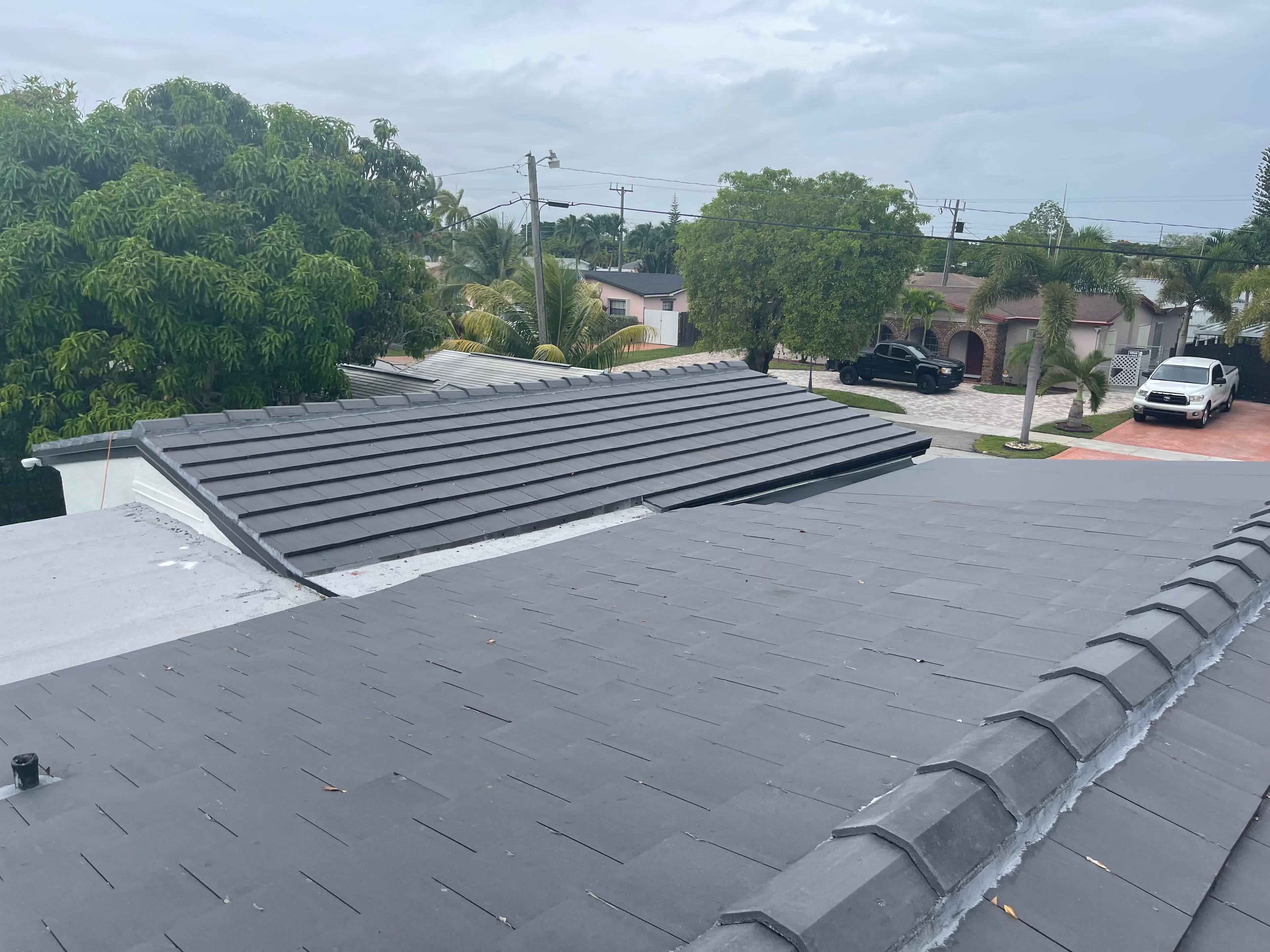
Not sure if you need a roof repair or full replacement? Use our decision guide to compare costs, assess damage, and make the right choice for your Miami home.
Read More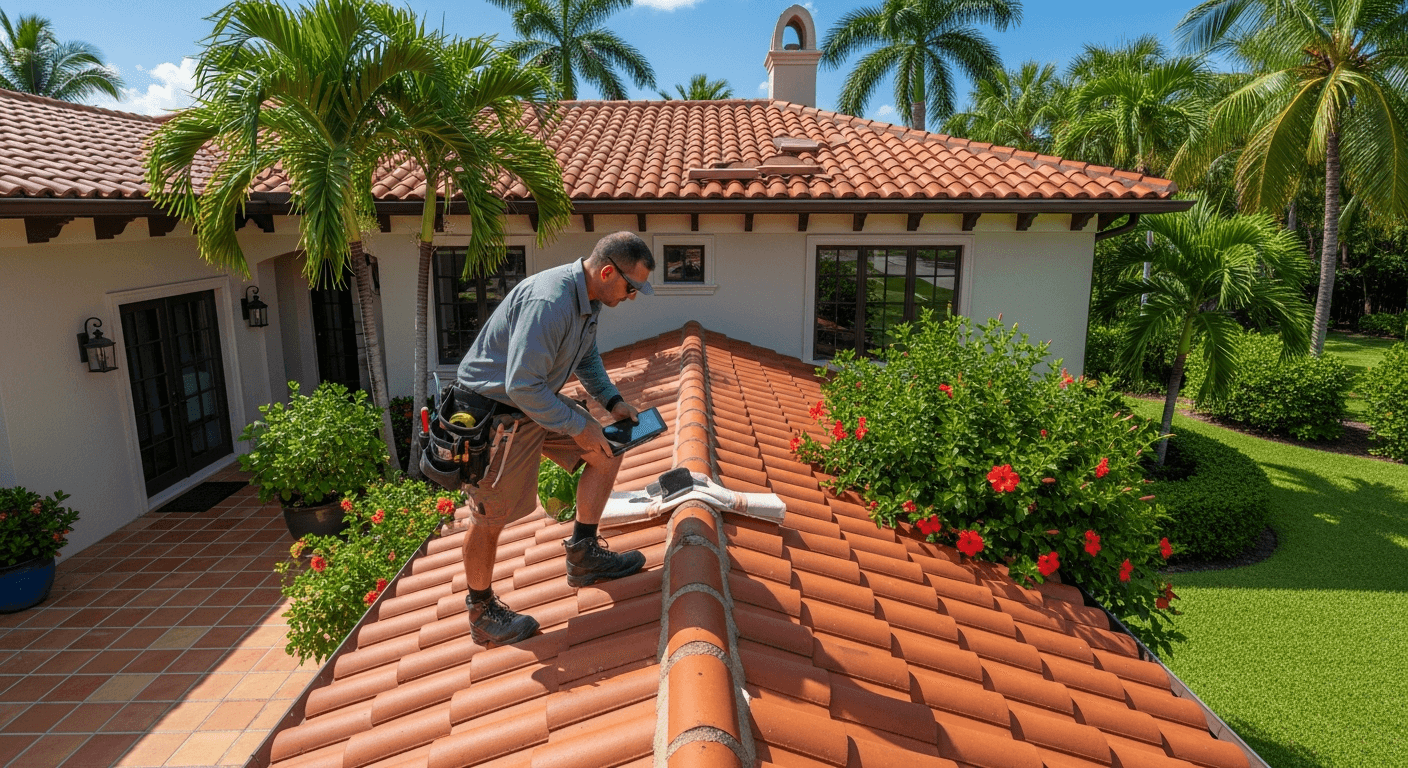
Annual Roof Maintenance Inspection in Miami: The Essential Guide to Protecting Your Home Year-Round
Discover why annual roof maintenance inspections are essential for Miami homeowners. Learn what inspectors check, the best time to schedule, DIY tips, and how prevention saves thousands in repair costs.
Read More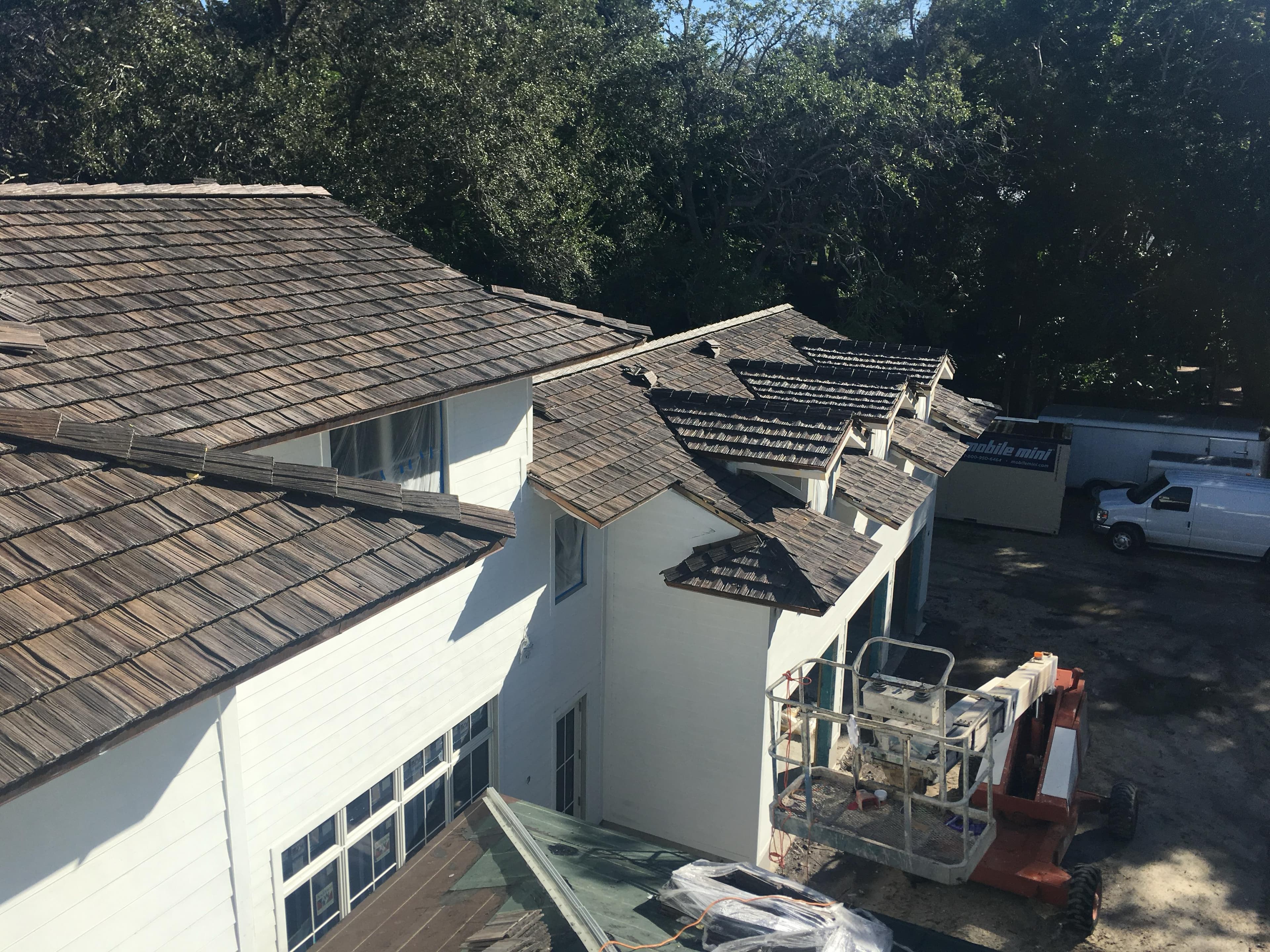
South Florida's UV, rain, hurricanes, and humidity demand proactive roof maintenance. Use this seasonal checklist to prevent costly repairs and extend your roof's lifespan by years.
Read More