Annual Roof Maintenance Inspection in Miami: The Essential Guide to Protecting Your Home Year-Round
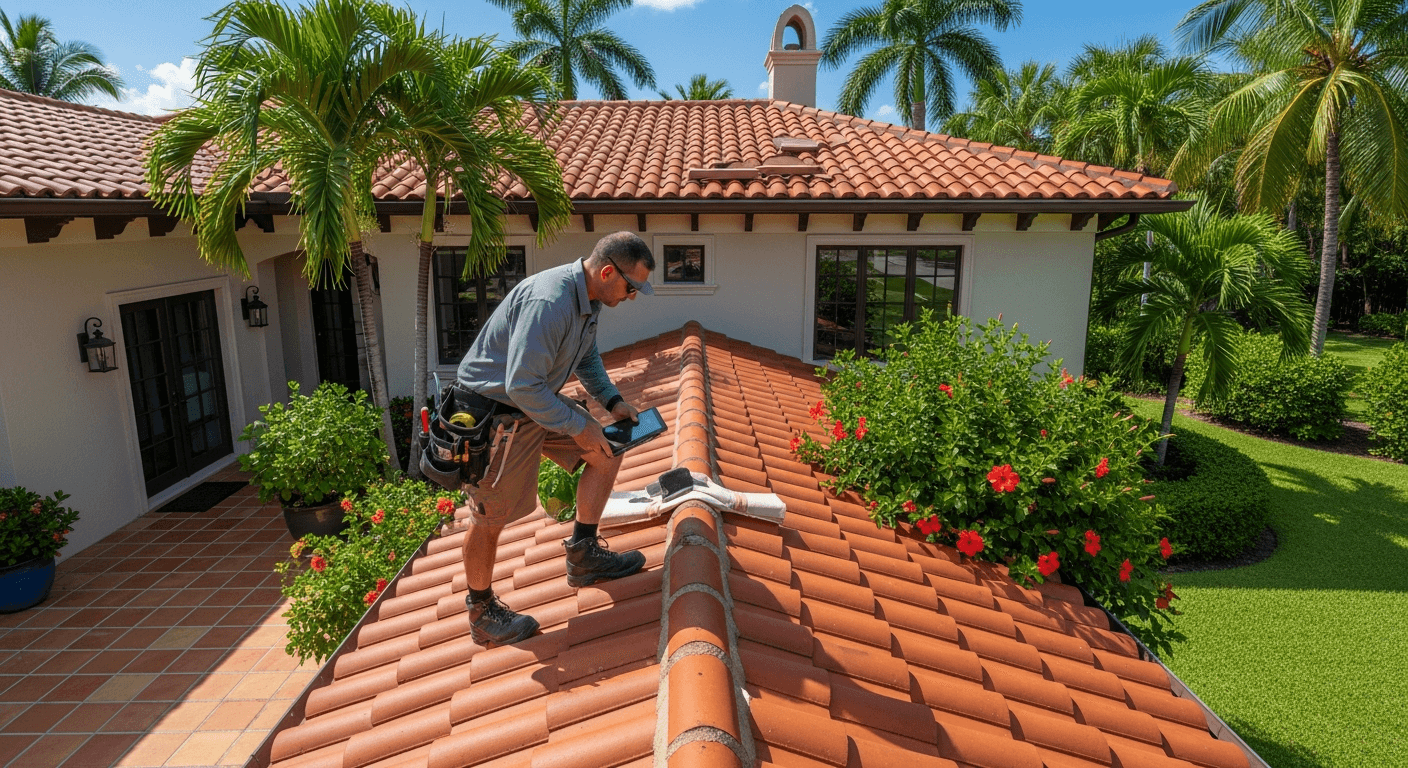
Why Miami Roofs Need Annual Inspections (Not Every 3 Years Like Other Markets)
Miami climate destroys roofs faster than almost any market in the continental United States. Roofs that would last 30 years in Ohio last 22 in Miami. Roofs that need inspection every 3 to 5 years up north need annual inspections here. The UV, salt air, and hurricane exposure creates wear patterns that accelerate quickly if they're not caught early.
I walk annual inspection calls all year round, and I can tell you that the $250 to $400 a Miami homeowner spends on a proper annual inspection saves them $3,000 to $15,000 over the life of their roof by catching problems before they become emergencies. I've seen clients avoid full replacements by catching and fixing a failing ridge tile, a deteriorated flashing, or a soft deck spot during annual inspections. I've also seen clients who skipped inspections end up with $40,000 emergency re-roofs that could have been prevented.
Here's what a real Miami annual roof inspection includes, what to expect from the process, and the seasonal schedule that works best for South Florida's climate patterns.
Yet most Miami homeowners never think about their roof until something goes wrong . a leak during a storm, a visible crack, or a notice from their insurance company. By the time damage becomes visible from inside your home, the underlying problem has usually been developing for months or even years, and the repair cost is exponentially higher than what preventive maintenance would have cost.
An annual roof maintenance inspection is the most cost-effective way to protect your home, extend the life of your roofing system, maintain your insurance coverage, and avoid emergency repairs. This guide explains everything Miami homeowners need to know about scheduling, understanding, and acting on annual roof inspections.
Why Annual Inspections Matter in Miami's Climate
Miami's climate is uniquely harsh on roofing materials. Understanding why your roof deteriorates faster here helps you appreciate the value of annual professional inspections.
UV Radiation
South Florida receives among the highest UV exposure in the continental United States. Constant sun exposure causes:
- Asphalt shingle degradation: UV breaks down the asphalt binder, causing shingles to become brittle, curl, and lose protective granules. A shingle rated for 30 years in Michigan may last only 15-20 years in Miami.
- Sealant and caulk failure: UV-exposed sealants around flashing, vents, and penetrations harden and crack, opening paths for water intrusion.
- Flat roof membrane deterioration: Modified bitumen and TPO membranes oxidize and become brittle under constant UV bombardment.
- Paint and coating breakdown: Protective roof coatings lose their reflective and waterproofing properties faster under Miami sun.
Salt Air Corrosion
Properties within several miles of the coast . which includes most of Miami-Dade County . are exposed to salt-laden air that accelerates corrosion of:
- Metal flashing around chimneys, walls, valleys, and roof edges
- Roofing nails and fasteners, especially exposed nail heads on ridge caps
- Gutter systems, particularly aluminum and galvanized steel
- HVAC equipment mounted on rooftops
- Metal roof panels on commercial and some residential properties
Salt corrosion weakens these components silently. By the time rust is visible, the underlying metal may have lost significant structural integrity.
Tropical Rain and Humidity
Miami averages approximately 62 inches of rainfall annually, with the vast majority falling during intense afternoon thunderstorms from May through October. This creates:
- Repeated water exposure that tests every seal, joint, and penetration on your roof
- Standing water on flat and low-slope roofs that accelerates membrane wear
- Persistent humidity (average 73% relative humidity) that promotes mold and algae growth on roof surfaces and in attic spaces
- Thermal cycling: Daily heating and cooling causes expansion and contraction that loosens fasteners and separates joints over time
Hurricane and Wind Exposure
Even in years when no hurricane makes direct landfall in Miami, the region experiences tropical storms, strong thunderstorm outbursts, and consistent trade winds that stress roofing systems. Cumulative wind exposure gradually loosens shingles, separates flashings, and fatigues structural connections . damage that an annual inspection catches before it becomes a failure point during the next real storm.
Learn how to prepare your roof for hurricane season.
What a Maintenance Inspection Covers vs. an Insurance Inspection
Homeowners often confuse maintenance inspections with insurance-related inspections like wind mitigation or four-point inspections. While all involve examining your roof, they serve fundamentally different purposes.
Maintenance Inspection: Preventive Care
A maintenance inspection is a comprehensive health checkup for your roofing system. Its purpose is to identify current deterioration, potential failure points, and maintenance needs before they become costly problems.
What It Covers :
- Complete roof surface evaluation (every shingle, tile, or membrane section)
- Flashing condition at all penetrations, walls, and edges
- Sealant and caulk integrity
- Gutter and drainage system function
- Soffit and fascia condition
- Attic ventilation assessment
- Interior attic inspection for moisture, mold, and structural integrity
- Debris removal from valleys, gutters, and roof-to-wall transitions
- Moss, algae, and biological growth assessment
- General structural condition of the roofing system
Outcome : A prioritized list of maintenance items and repairs needed, categorized by urgency (immediate, within 6 months, monitor). This allows you to budget and plan repairs proactively.
Insurance Inspections: Compliance Documentation
Insurance inspections . wind mitigation, four-point, and roof certification . are standardized evaluations required by insurance companies to set premiums, approve coverage, or verify specific conditions.
Key Differences :
| Aspect | Maintenance Inspection | Insurance Inspection |
|---|---|---|
| Purpose | Preventive care | Compliance/documentation |
| Scope | Comprehensive condition assessment | Specific form requirements |
| Frequency | Annually | Every 3-7 years or as required |
| Output | Prioritized repair recommendations | Official form for insurer |
| Who benefits | Homeowner (extends roof life) | Insurer (assesses risk) |
| Typical cost | $150-$400 | $75-$250 |
Important : A maintenance inspection does not replace insurance inspections, and vice versa. You need both . the maintenance inspection to protect your roof and the insurance inspections to protect your coverage and premiums.
Get your roof certification letter to keep your insurance coverage current.
DIY Roof Inspection Checklist for Miami Homeowners
While a professional annual inspection is irreplaceable, Miami homeowners should perform their own visual assessments quarterly . especially before and after hurricane season. Here is a practical checklist you can complete safely from the ground and from inside your home.
Exterior Ground-Level Check (Quarterly)
Roof Surface (use binoculars if needed):
- Are any shingles or tiles missing, cracked, curled, or displaced?
- Do you see dark patches or bare spots on asphalt shingles (granule loss)?
- Are there any visible sagging areas on the roof surface?
- Is moss, algae, or dark streaking visible on the roof surface?
- Are ridge cap shingles or tiles intact along the peak?
Flashing and Penetrations :
- Is flashing visible around chimneys, vents, and skylights intact?
- Are there any visible gaps between flashing and the roof surface?
- Are vent caps and pipe boots in good condition?
- Is the chimney cap (if present) intact?
Gutters and Drainage :
- Are gutters attached firmly to the fascia along their entire length?
- Are downspouts connected and directing water away from the foundation?
- Is there visible debris accumulation in gutters?
- Are there any signs of water overflowing or pooling at the gutter line?
- Do you see excessive shingle granules in the gutters (sign of shingle wear)?
Soffits and Fascia :
- Are all soffit panels intact and properly attached?
- Is the fascia board showing signs of rot, peeling paint, or separation?
- Are there any gaps between soffit panels and the wall or fascia?
- Do you see any evidence of animal or insect entry into the soffit area?
Trees and Vegetation :
- Are any tree branches hanging over or touching the roof?
- Is vegetation growing up the side of the house toward the roof line?
- Are palm fronds accumulating on the roof or in valleys?
Interior Attic Check (Twice Annually)
If you have safe attic access (pull-down stairs, scuttle hole, or walk-in access):
- Are there any visible water stains on the underside of the roof decking?
- Do you see daylight coming through the roof (in a darkened attic)?
- Is there any mold, mildew, or musty odor?
- Is the insulation dry and properly positioned?
- Are attic ventilation openings (ridge vent, soffit vents, gable vents) clear and unblocked?
- Are hurricane straps and roof-to-wall connections visibly intact?
- Are there any signs of animal nesting or pest activity?
When to Call a Professional Immediately
If your DIY check reveals any of the following, do not wait for your scheduled annual inspection . call a licensed roofer immediately:
- Active water leaks or dripping in the attic
- Multiple missing shingles or tiles
- Visible sagging on the roof surface
- Daylight visible through the roof decking
- Mold growth in the attic
- Flashing that has completely separated from the roof
- Storm damage from a recent weather event
Benefits of Professional Annual Inspections
A trained, licensed roof inspector brings capabilities that no DIY checklist can match.
Hands-On Access and Equipment
Professionals walk the roof surface, inspecting every section up close. They use:
- Moisture meters to detect water trapped beneath the surface layer
- Thermal imaging to identify insulation voids and moisture patterns invisible to the naked eye
- Drone technology for steep, high, or structurally questionable roofs
- Probing tools to test wood softness (an early indicator of rot)
- Safety equipment (harnesses, anchors, proper footwear) for safe roof access
Expert Pattern Recognition
Experienced inspectors recognize early-stage deterioration patterns that homeowners miss:
- Granule loss patterns that indicate specific failure modes
- Nail pattern issues that predict future shingle blow-offs
- Flashing wear patterns that signal imminent failure
- Tile alignment shifts that indicate underlayment compression
- Ventilation deficiencies that accelerate attic heat and moisture damage
Documentation and Trending
A professional inspection produces a written report with photographs. When you maintain annual inspection records, you create a timeline that reveals trends:
- Is granule loss accelerating? (Roof nearing end of life)
- Are the same flashings failing repeatedly? (Installation issue, not just wear)
- Is attic moisture increasing year over year? (Ventilation problem developing)
- Are repair needs growing? (Approaching replacement threshold)
This trending data is invaluable for budget planning and for determining whether to invest in repairs versus planning a full replacement.
Insurance and Warranty Protection
Many roofing warranties and insurance policies include maintenance requirements. Documenting annual professional inspections:
- Preserves manufacturer warranty eligibility (many require proof of regular maintenance)
- Demonstrates to insurance companies that you maintain your property responsibly
- Provides evidence that damage was sudden (storm) rather than gradual (neglect) . a critical distinction in claim disputes
- Supports higher property valuations for refinancing or sale
Best Timing: When to Schedule Your Miami Roof Inspection
Timing your annual inspection strategically maximizes its value.
Recommended: March Through May
The ideal window for annual roof inspections in Miami is March through May, and here is why:
Before Hurricane Season : Hurricane season officially runs June 1 through November 30. Scheduling your inspection in spring gives you time to address any issues discovered before the first storm threatens. A shingle repair that takes two weeks in April might take two months during an active hurricane season when every roofer in South Florida is overbooked.
Dry Season Weather : Miami's dry season (November through April) means fewer rain delays and better conditions for thorough inspection. Inspectors can access every part of the roof without weather interruptions and can more accurately assess conditions without active rainfall.
Post-Winter Assessment : While Miami winters are mild, the dry season can cause certain sealants and caulks to shrink and crack. Spring inspection catches these issues after the full dry season has tested their integrity.
Contractor Availability : Roofing contractors have more availability in spring than during the summer storm season. You are more likely to get your preferred inspection date and any recommended repairs completed promptly.
Secondary Window: November Through December
If you cannot schedule a spring inspection, the November-December window offers a secondary opportunity:
- Hurricane season has ended, allowing you to assess any cumulative storm damage
- Mild weather provides good inspection conditions
- You can address issues before the holiday season and start the new year with a sound roof
- Insurance renewals often occur in January, and a fresh inspection report supports your renewal
Avoid Scheduling During
- June through October: Peak hurricane season with unpredictable weather, high contractor demand, and potential for active storm damage that complicates routine assessment
- August through September: Historically the most active hurricane months . contractor availability is lowest and prices for non-emergency work are highest
Common Issues Found During Routine Inspections
Understanding the most frequent findings helps you anticipate what your inspector may discover and budget accordingly.
Sealant and Caulk Degradation
Prevalence : Found on nearly 80% of Miami roofs over 5 years old
The Problem : UV exposure and thermal cycling cause roof sealants to crack, shrink, and separate. Failed sealant around pipe boots, vents, chimneys, and wall flashings is the single most common source of slow roof leaks in Miami.
Typical Repair Cost : $150-$500 to reseal all penetrations . one of the least expensive and most impactful maintenance items.
Prevention : Professional-grade polyurethane or silicone sealant lasts longer than basic caulk. Have your inspector use high-quality sealant when resealing.
Flashing Wear and Corrosion
Prevalence : Common on 60-70% of Miami roofs over 8 years old
The Problem : Salt air corrodes metal flashing, especially at bends, cuts, and overlaps. Corroded flashing loses its ability to direct water away from vulnerable junctions. Galvanic corrosion occurs where dissimilar metals meet (e.g., aluminum flashing with steel nails).
Typical Repair Cost : $200-$1,200 depending on the number and location of flashing sections that need replacement.
Prevention : Stainless steel or copper flashing resists corrosion far better than galvanized steel in Miami's salt air environment. When replacing flashing, upgrade to corrosion-resistant materials.
Gutter and Drainage Problems
Prevalence : Found on 70-80% of inspected homes
The Problem : Miami's heavy rainfall combined with abundant tropical vegetation means gutters clog frequently. Clogged gutters cause water to back up under roof edges, saturating fascia boards and the lower courses of roofing material. Sagging or detached gutter sections redirect water against the wall and foundation.
Typical Repair Cost : $100-$400 for cleaning and minor repairs; $500-$2,000 for section replacement.
Prevention : Clean gutters at least twice annually (before and after hurricane season). Consider gutter guards if your property has significant tree canopy. Ensure downspout extensions direct water at least 4 feet from the foundation.
Shingle and Tile Deterioration
Prevalence : Progressive issue on all Miami roofs; accelerated deterioration found on 50% of roofs over 10 years old
The Problem : Asphalt shingles lose granules, curl, and crack. Concrete tiles develop surface erosion, hairline cracks, and mortar deterioration at the ridge. Clay tiles may crack from thermal cycling or impact. All of these reduce weather protection and shorten roof life.
Typical Repair Cost : $200-$1,000 for spot repairs; $8,000-$25,000+ for full replacement when deterioration is widespread.
Prevention : Annual inspection catches accelerating deterioration early. Addressing isolated failures (replacing individual cracked tiles or damaged shingles) prevents water intrusion that damages the underlayment and decking beneath.
Ventilation Deficiencies
Prevalence : Found on 40-50% of Miami homes, particularly older construction
The Problem : Inadequate attic ventilation traps heat and moisture. In Miami, attic temperatures can exceed 150 degrees Fahrenheit on summer days. Without proper ventilation, this heat bakes roofing materials from below, accelerating shingle and underlayment degradation. Trapped moisture promotes mold growth and wood rot in the attic structure.
Typical Repair Cost : $300-$1,500 to add or improve ventilation (ridge vents, soffit vents, powered attic fans).
Prevention : Ensure soffit vents are not blocked by insulation or debris. Verify that ridge vents or other exhaust vents are functioning. Adequate ventilation extends roof life by 5-10 years in Miami's climate.
Biological Growth (Algae, Moss, Mildew)
Prevalence : Visible on 60% of Miami roofs, particularly north-facing slopes
The Problem : Miami's warm, humid climate is ideal for algae (dark black-green streaks), moss (raised green growth in shaded areas), and mildew. While primarily cosmetic, biological growth retains moisture against the roof surface, accelerating material degradation. Severe moss growth can lift shingle edges and allow water beneath.
Typical Treatment Cost : $200-$600 for professional cleaning and treatment.
Prevention : Zinc or copper strips installed near the ridge release trace metals with each rain that inhibit algae and moss growth. Trimming tree branches that shade the roof also reduces biological growth.
The Maintenance Checklist: What Your Inspector Should Address
A thorough annual maintenance inspection in Miami should systematically evaluate and address the following components:
Gutters and Downspouts - Clean all debris from gutters and downspouts - Verify proper pitch (gutters should slope toward downspouts) - Check all seams and joints for leaks - Confirm downspouts discharge away from foundation - Tighten or replace loose hangers
Flashing - Inspect all flashing at walls, chimneys, vents, skylights, and roof edges - Check for corrosion, lifting, or separation - Reseal any compromised flashing joints - Recommend replacement for corroded sections
Sealant and Caulk - Inspect all sealant around pipe boots, vents, and penetrations - Remove failed sealant and apply fresh professional-grade sealant - Check skylight seals - Verify sealant at wall-to-roof transitions
Roof Surface - Walk the entire roof surface inspecting each section - Document shingle, tile, or membrane condition - Replace individual damaged shingles or tiles if possible - Note areas of accelerated wear for monitoring
Ventilation - Verify soffit vents are open and unobstructed - Confirm ridge vent or roof vent function - Check attic temperature and humidity conditions - Recommend ventilation improvements if deficient
Structural - Inspect visible attic framing for cracks, rot, or pest damage - Check hurricane straps and connections - Verify roof decking condition from the attic side - Note any sagging or alignment issues
Debris Removal - Clear leaves, branches, and debris from roof surface - Clean valleys where debris accumulates - Remove vegetation growing on or against the roof - Clear debris from around HVAC units on the roof
Cost of Prevention vs. Cost of Repair
The financial argument for annual maintenance inspections is overwhelming when you examine the actual numbers.
Annual Maintenance Inspection Cost
- Professional inspection: $150-$400 per year
- Minor maintenance items (sealant, cleaning, minor repairs): $200-$800 per year
- Total annual preventive investment: $350-$1,200 per year
Cost of Common Repairs When Maintenance Is Neglected
- Water damage from failed flashing (undetected for 1-2 years): $3,000-$8,000 for roof repair plus interior damage
- Full deck replacement from undetected moisture intrusion: $5,000-$12,000
- Mold remediation in attic from ventilation neglect: $2,000-$10,000
- Emergency roof repair during storm season (premium pricing): $2,000-$5,000
- Premature full roof replacement (10-15 years vs. 20-25 year expected life): $15,000-$30,000 lost life value
- Insurance claim denial for damage attributed to maintenance neglect: Full cost of repair out of pocket
The Math
A homeowner who invests $800 per year in annual inspections and minor maintenance over 20 years spends $16,000. That same homeowner's roof lasts its full expected life span (20-25 years for shingles, 40-50 years for tile in Miami's climate), avoids emergency repairs, maintains full insurance coverage, and preserves home value.
A homeowner who skips maintenance saves $800 per year but faces a high probability of:
- At least one major undetected leak requiring $5,000-$10,000 in repairs
- Premature roof replacement losing $10,000-$15,000 in remaining roof life
- At least one insurance claim complication due to insufficient maintenance documentation
The net savings from annual inspections over a 20-year period: $10,000-$30,000 or more.
Get a free estimate for roof maintenance or repair.
Building Your Annual Maintenance Relationship
The most effective approach to annual roof maintenance is establishing an ongoing relationship with a single reputable local roofing contractor. This approach provides:
- Consistent documentation: The same company inspects year after year, creating a comprehensive history of your roof's condition
- Pattern recognition: Your roofer knows your specific roof and can identify changes that a first-time inspector would miss
- Priority service: Established customers typically receive priority scheduling after storms
- Accurate lifecycle planning: Your contractor can advise precisely when repair-versus-replace decisions should be made based on years of observation
- Warranty protection: Continuous professional maintenance documentation supports warranty claims
Invest in Prevention, Not Emergency Repairs
Your Miami roof faces challenges that roofs in most American cities never encounter. The combination of extreme UV, salt air corrosion, torrential rainfall, persistent humidity, and hurricane-force winds creates a uniquely demanding environment that shortens roof life and accelerates deterioration.
Annual professional maintenance inspections are your most powerful tool for fighting back. For a modest annual investment, you extend your roof's lifespan, catch problems while they are small and inexpensive to fix, maintain your insurance coverage, protect your home's value, and avoid the stress and expense of emergency repairs during storm season.
The best time to schedule your first annual inspection is now. The second best time is before the next hurricane season begins.
Ready to protect your Miami roof with an annual maintenance inspection? Extreme Roofing Inc. has been maintaining and protecting Miami roofs since 2004. Our licensed inspectors provide thorough annual assessments with detailed reporting, prioritized maintenance recommendations, and the follow-through to address every issue we find. We serve homeowners from West Palm Beach to Homestead across Miami-Dade, Broward, and Palm Beach counties.
Call 305-225-1535 today or schedule your annual roof inspection online. Prevention is always less expensive than repair . and in Miami, it is not a matter of if your roof will face a challenge, but when.
Explore our roof repair services | Learn about roof replacement options | Read our complete roof inspection guide
Frequently Asked Questions
How much does an annual roof maintenance inspection cost in Miami?
A professional annual roof maintenance inspection in Miami typically costs $150-$400, depending on roof size, type, accessibility, and the scope of the evaluation. This includes a full exterior and interior (attic) assessment with a written report and photographs. Minor maintenance performed during the inspection . such as resealing pipe boots or clearing debris from valleys . may add $200-$800 to the total cost. Compared to the $3,000-$30,000 cost of repairs from undetected problems, the annual investment of $350-$1,200 for inspection plus minor maintenance is one of the best values in home ownership.
When is the best time of year to schedule a roof inspection in Miami?
The ideal time for your annual roof inspection in Miami is March through May, before hurricane season begins on June 1. This window gives you dry weather for thorough inspection, time to complete any recommended repairs before storms threaten, and better contractor availability and pricing. A secondary window is November through December, after hurricane season ends, to assess any cumulative storm season wear. Avoid scheduling during August and September when contractor demand peaks and weather is most unpredictable.
What is the difference between a roof maintenance inspection and a wind mitigation inspection?
A maintenance inspection is a comprehensive health checkup that evaluates your entire roofing system to identify deterioration, potential failures, and maintenance needs . its goal is preventing problems. A wind mitigation inspection is a standardized evaluation (OIR-B1-1802 form) that documents specific wind-resistant features of your home for insurance discount purposes. Maintenance inspections are recommended annually and produce prioritized repair recommendations. Wind mitigation inspections are valid 5-7 years and produce an official insurance form. You need both . maintenance to protect your roof, and wind mitigation to reduce your insurance premiums.
What are the most common problems found during annual roof inspections in Miami?
The most common issues found during Miami annual roof inspections are: failed sealant and caulk around penetrations (found on nearly 80% of roofs over 5 years old), flashing corrosion from salt air (60-70% of roofs over 8 years), clogged or damaged gutters (70-80% of homes), progressive shingle or tile deterioration from UV exposure (50% of roofs over 10 years), ventilation deficiencies causing excessive attic heat and moisture (40-50% of older homes), and biological growth such as algae and moss (60% of roofs, especially north-facing slopes). Most of these issues are inexpensive to address when caught early.
Can I do my own roof inspection instead of hiring a professional in Miami?
Homeowners should perform quarterly ground-level visual checks using binoculars to spot obvious issues like missing shingles, damaged gutters, or debris accumulation, and twice-yearly attic checks for water stains, mold, or daylight penetration. However, these DIY checks do not replace a professional annual inspection. Professionals walk the roof surface with safety equipment, use moisture meters and thermal imaging to detect hidden problems, recognize early-stage deterioration patterns that untrained eyes miss, and produce documented reports that protect your warranty and insurance coverage. DIY checks help you catch urgent problems between professional inspections.
Need Roofing Help?
Whether you need an inspection, repair, or full replacement, our team of licensed roofing professionals is ready to help. Serving South Florida since 2004.
Related Articles
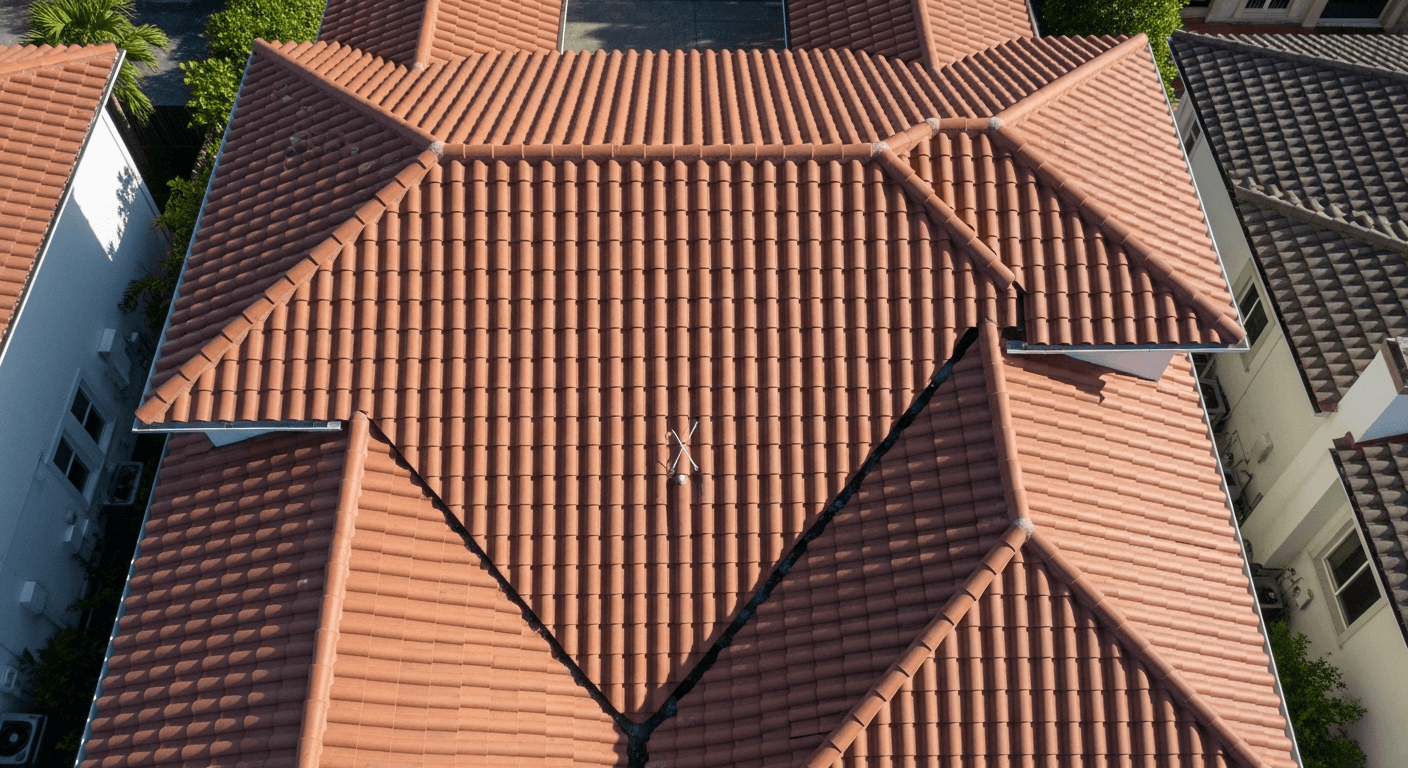
Everything Miami homeowners need to know about professional roof inspections . what inspectors check, how much it costs, how often you need one, and how inspections save you thousands in preventable damage.
Read More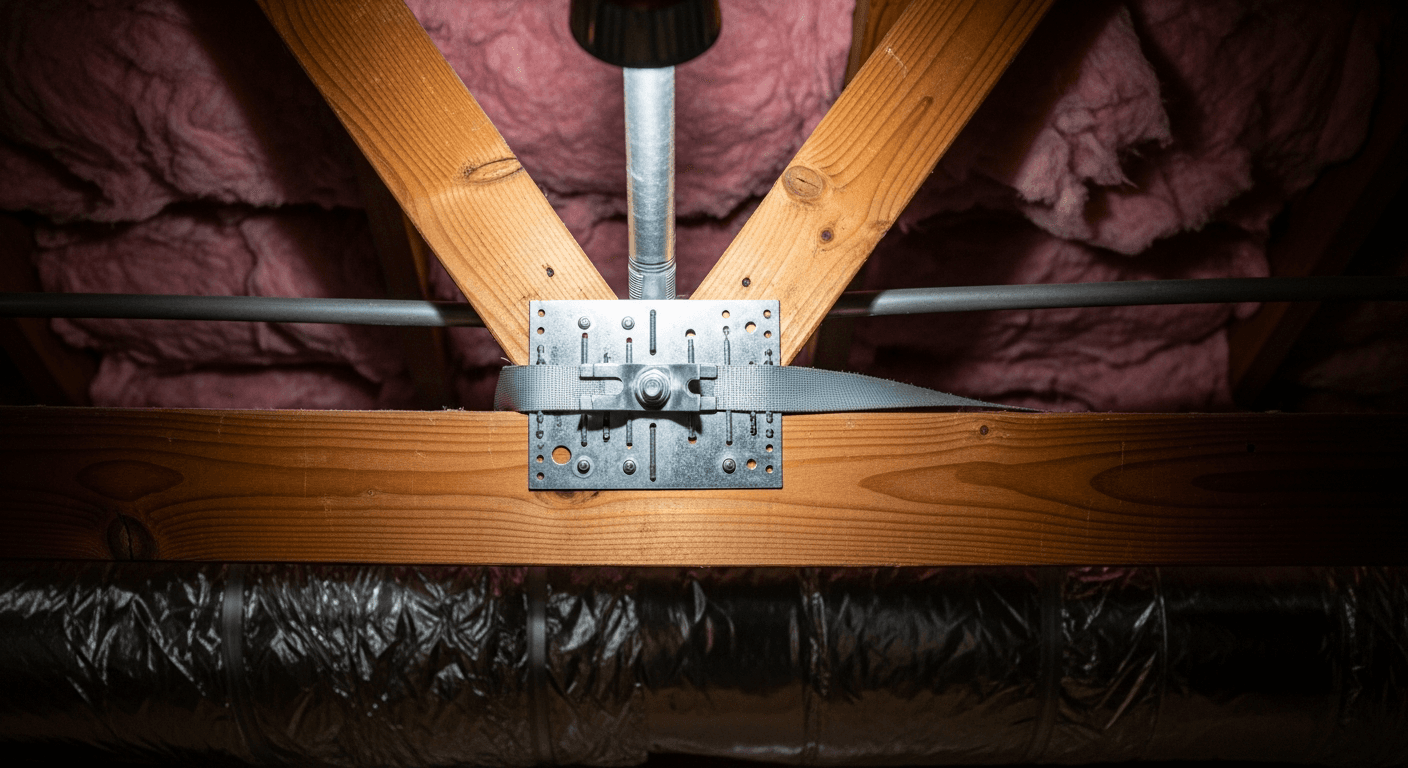
Complete guide to Miami wind mitigation inspections. what they cover, costs, insurance discounts available, and how to maximize your savings.
Read More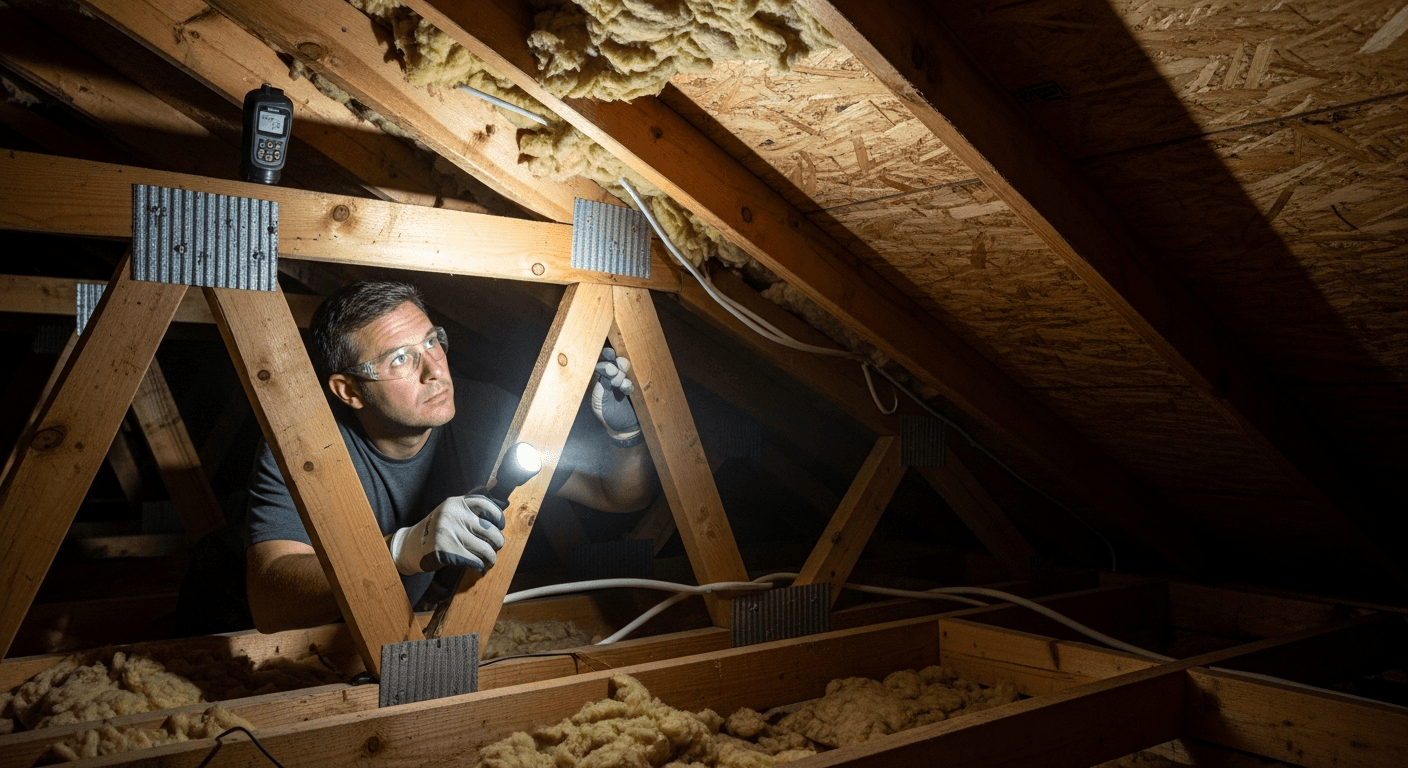
Everything Miami homeowners need to know about four-point inspections. what's evaluated, costs, when you need one, and how to prepare for this critical insurance requirement.
Read More