Four-Point Inspection in Miami: Complete Homeowner's Guide
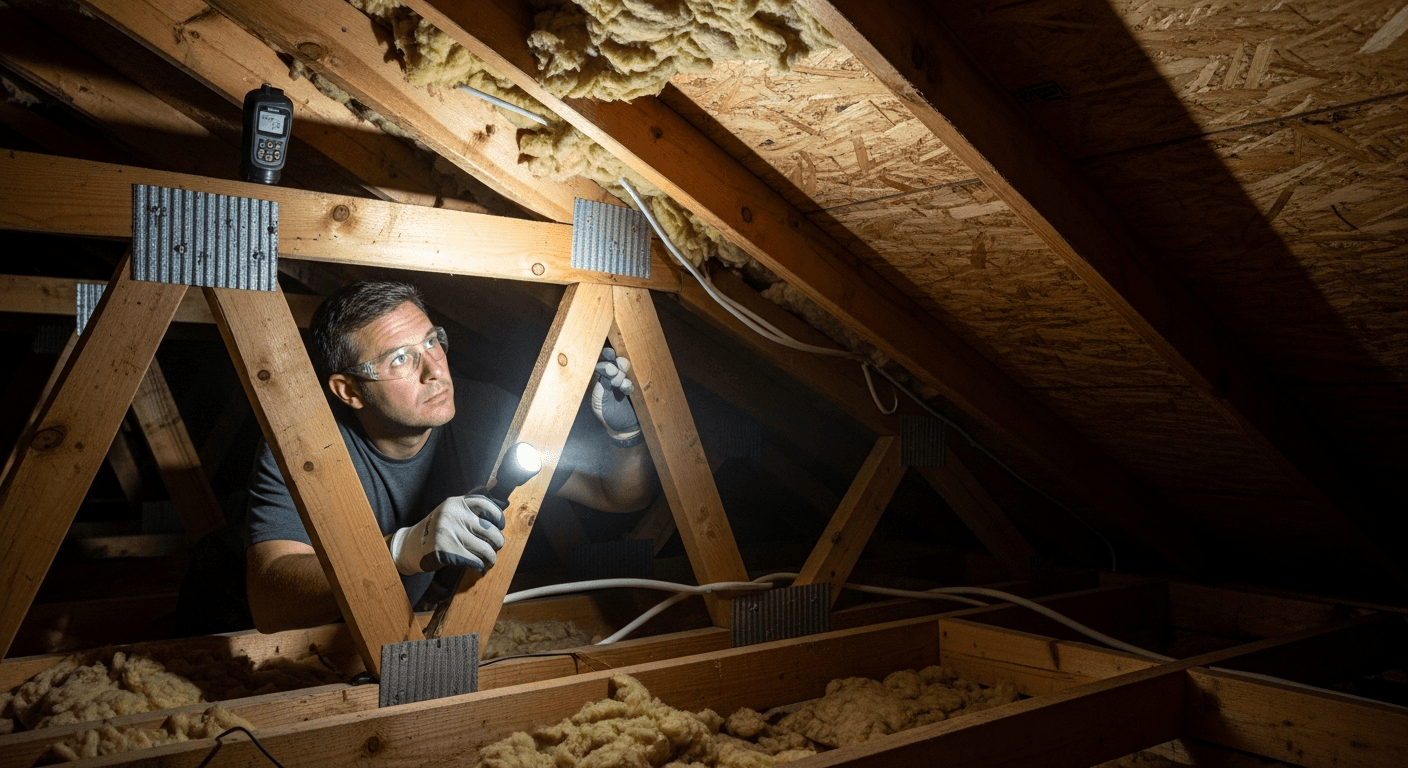
What a Four-Point Inspection Actually Checks (And Why Your Insurance Requires It)
If your Miami home is 25+ years old, your insurance company almost certainly requires a four-point inspection before issuing or renewing your policy. Increasingly, they're requiring it for homes as young as 15 years. And if you fail the inspection on the roof (which is the most common failure point), you can expect the carrier to either non-renew your policy or require major repairs before coverage continues.
I've been involved in dozens of four-point inspections on Miami homes, usually when the roof component fails and the homeowner needs to replace the roof before their insurance lapses. The four systems evaluated are: roofing, electrical, plumbing, and HVAC. The roofing component is where most failures happen because Miami roofs wear out faster than other components.
This post covers what a four-point inspection actually includes, how the roof portion is evaluated, what typically causes the roof component to fail, and how to prepare for the inspection if your insurance company is requiring it.
What Is a Four-Point Inspection?
A four-point inspection is a focused evaluation of four critical home systems that insurance companies use to assess risk. Unlike a full home inspection that examines every aspect of a property, a four-point inspection zeroes in on the systems most likely to cause insurance claims.
The Four Points Evaluated
1. Roof : Age, material, condition, estimated remaining useful life, and evidence of damage or deterioration.
2. Electrical : Panel type, wiring material, amperage capacity, visible hazards, and code compliance.
3. Plumbing : Pipe material, water heater age and condition, visible leaks, and supply line material.
4. HVAC : System age, type, condition, and functionality.
Insurance companies use these evaluations to determine whether your home meets their underwriting standards. A home with aging or deteriorating systems represents higher claim risk, which is why insurers require documentation before committing to coverage.
Who Requires Four-Point Inspections?
Insurance Companies : Most Florida insurers require four-point inspections for homes 25+ years old. Some carriers require them for homes as young as 15-20 years old. Citizens Property Insurance requires them for all homes over 25 years.
When Required :
- New policy applications for older homes
- Policy renewals (some carriers require updated inspections every 3-5 years)
- Switching insurance carriers
- After major system repairs or replacements
The Roof Evaluation
The roof section of a four-point inspection is often the most consequential for Miami homeowners. Insurers pay close attention to roof age and condition because roof claims represent their largest expense category in South Florida.
What Inspectors Evaluate
Roof Age : The inspector documents when the roof was installed or last replaced. Insurance companies typically have maximum age thresholds. many won't insure homes with roofs older than 15-20 years depending on material.
Material Type : Shingle, tile, metal, or flat roof systems. Each material has different expected lifespans and maintenance requirements in Miami's climate.
Condition Assessment : The inspector looks for missing, cracked, or curling shingles; broken or displaced tiles; rust or corrosion on metal roofs; ponding water on flat roofs; deteriorated flashing around penetrations; evidence of leaks or water damage; algae, moss, or biological growth; and sagging or structural concerns.
Remaining Useful Life : The inspector estimates how many more years the roof can perform adequately. This is critical. many insurers won't write policies for roofs with less than 3-5 years of estimated remaining life.
Common Roof Issues That Fail Four-Point
Age Alone : Even a well-maintained roof may fail simply because it exceeds the insurer's maximum age threshold. A 20-year-old shingle roof in Miami, while potentially still functional, may not meet underwriting standards.
Visible Deterioration : Granule loss on shingles, hairline cracks in tiles, or surface rust on metal roofs. These don't necessarily mean the roof is leaking, but they indicate reduced remaining useful life.
Evidence of Repairs : Multiple patch repairs, mismatched materials, or temporary fixes suggest ongoing problems that increase claim likelihood.
Improper Ventilation : Inadequate attic ventilation accelerates roof deterioration in Miami's heat and humidity, reducing life expectancy.
Learn about roof replacement options if your roof fails a four-point inspection.
The Electrical Evaluation
Miami's older homes frequently have electrical systems that concern insurance companies. The electrical section evaluates fire and safety risks.
What Inspectors Evaluate
Panel Type and Brand : Certain electrical panels are automatic disqualifiers with most insurance companies. Federal Pacific (FPE) Stab-Lok panels are a known fire hazard. most insurers require replacement before insuring. Zinsco/Sylvania panels carry similar safety concerns and usually require replacement. Fuse boxes are considered outdated technology, and many insurers require upgrading to circuit breakers.
Amperage : Modern homes need minimum 100-amp service. Older 60-amp panels may not meet insurance standards and don't support modern electrical loads.
Wiring Material : Aluminum wiring (common in 1960s-1970s Miami construction) requires documentation of proper remediation. either complete rewiring or approved connection solutions at all outlets, switches, and fixtures.
Visible Hazards : Double-tapped breakers, improper connections, exposed wiring, burn marks, corrosion, or signs of overheating.
Common Electrical Issues in Miami Homes
Aluminum Wiring : Extremely common in Miami homes built between 1965 and 1975. Not necessarily dangerous if properly remediated, but requires documentation and sometimes specialized inspections.
Outdated Panels : Many 1970s-1980s Miami homes still have original panels that need upgrading for modern electrical demands and insurance compliance.
Salt Air Corrosion : Miami's coastal environment accelerates corrosion on electrical connections, panels, and outdoor components.
The Plumbing Evaluation
Plumbing claims. particularly water damage from pipe failures. represent significant insurance losses. The plumbing section identifies materials and conditions that increase water damage risk.
What Inspectors Evaluate
Pipe Material : Copper is generally accepted by all insurers with a long lifespan in Miami. PVC/CPVC and PEX are modern and acceptable. Polybutylene (PB), the grey plastic piping common in 1978-1995 construction, has a known failure risk and many insurers require complete replacement. Galvanized steel, common in pre-1960s homes, corrodes from inside, creating leak risk. Cast iron drain lines, common in older Miami homes, can suffer interior corrosion that causes failures.
Water Heater : Age, condition, and type. Water heaters over 12-15 years old may need replacement. Inspectors check for corrosion, proper installation, and safety features.
Visible Leaks : Any active leaks or evidence of past water damage raises red flags.
Common Plumbing Issues in Miami Homes
Polybutylene Piping : If your Miami home was built between 1978 and 1995, there's a good chance it has polybutylene supply lines. These pipes are prone to failure from chlorine in municipal water. Replacement costs $4,000-$10,000 but is often required for insurance.
Cast Iron Drain Lines : Miami homes built before 1975 often have cast iron sewer and drain lines that deteriorate from the inside. Camera inspection can reveal condition without destructive investigation.
Water Heater Age : Miami's mineral-heavy water accelerates water heater deterioration. Replacement before failure is both an insurance and damage prevention strategy.
The HVAC Evaluation
HVAC evaluation is typically the least problematic section for Miami homeowners, but it still requires attention.
What Inspectors Evaluate
System Age : The age of the air conditioning system and air handler. Systems over 15-20 years old may raise concerns but rarely cause policy denial alone.
Condition : The inspector checks for proper operation, visible damage, corrosion, and maintenance evidence.
Type : Central air, split systems, window units, or heat pumps. Insurance companies prefer central systems with proper installation.
Safety Concerns : Improper wiring, refrigerant leaks, drainage problems, or fire hazards.
Common HVAC Issues in Miami
Salt Air Corrosion : Condenser coils and outdoor units deteriorate faster in coastal Miami areas. Corrosion shortens equipment life and reduces efficiency.
Improper Drainage : AC condensate lines can clog in Miami's humid climate, potentially causing water damage. exactly the type of claim insurers want to prevent.
Aging Systems : Miami's year-round cooling demand means AC systems work harder and wear out faster than in seasonal climates. Average lifespan is 10-15 years vs. 15-20 years in moderate climates.
Four-Point Inspection vs. Wind Mitigation Inspection
Many Miami homeowners confuse these two common inspections. They evaluate completely different things and serve different purposes.
A four-point inspection assesses system condition and risk across roof, electrical, plumbing, and HVAC for insurance on older homes (25+ years), with a pass/fail result for insurability. It costs $150-$300 and takes 45-60 minutes.
A wind mitigation inspection documents wind-resistant features including roof construction, openings, and connections to qualify for insurance premium discounts. It costs $75-$150 and takes 30-45 minutes.
Smart Strategy : Schedule both inspections at the same visit. Many inspectors offer package pricing ($200-$350 combined). You address the insurance requirement AND maximize your premium discounts simultaneously.
Learn about wind mitigation inspections for additional insurance savings.
How to Prepare for Your Four-Point Inspection
Proper preparation helps ensure accurate results and avoids costly re-inspections.
Before the Inspection
Documentation to Gather : Roof installation or replacement permits and receipts, electrical panel upgrade records, plumbing repair or replacement documentation, HVAC installation date and maintenance records, and any previous inspection reports.
Physical Preparation : Clear access to electrical panel (remove stored items), clear access to water heater, ensure attic access is available if applicable, clear around HVAC outdoor unit, and ensure all systems are operational.
Address Known Issues First : Fix visible leaks before inspection, replace missing or damaged electrical panel covers, service HVAC system if overdue, and address any obvious safety hazards.
During the Inspection
The inspector will spend 45-60 minutes evaluating each system. They'll take photos for documentation and note conditions in their report. You don't need to be home, but having someone available to answer questions about system history helps accuracy.
After the Inspection
If You Pass : Submit the report to your insurance company. Keep a copy for your records. Note when re-inspection may be required.
If Issues Are Found : The inspector will identify specific problems. Common remediation options include roof replacement or repair, electrical panel upgrade, plumbing pipe replacement, and HVAC system replacement. After remediation, you may need a re-inspection or updated report documenting the improvements.
Four-Point Inspection Costs in Miami
Standalone Four-Point Inspection : $150-$300 depending on home size and inspector.
Combined with Wind Mitigation : $200-$350 total (saves $50-$100 vs. separate inspections).
Combined with Full Home Inspection : $400-$600 total (ideal when purchasing a home).
Who Performs Four-Point Inspections?
Licensed professionals authorized to perform four-point inspections in Florida include licensed home inspectors, licensed general contractors, licensed roofing contractors, licensed engineers, and licensed architects.
Choose an inspector familiar with Miami construction standards and common issues in your home's era.
Conclusion: Don't Let Your Four-Point Inspection Surprise You
Four-point inspections are a routine part of homeownership in Miami, especially for homes over 25 years old. Understanding what's evaluated and preparing properly ensures a smooth process and avoids insurance coverage gaps.
Key Takeaways :
- Schedule your four-point inspection before your insurance renewal deadline
- Gather documentation on all four systems
- Address obvious issues before the inspection
- Bundle with wind mitigation inspection for maximum savings
- Keep updated records of all system repairs and replacements
Need a roof evaluation before your four-point inspection? Extreme Roofing Inc. provides comprehensive roof assessments and can address any issues identified during the inspection process. We've helped thousands of Miami homeowners maintain insurance compliance since 2004.
Call 305-225-1535 or request a free roof assessment today.
Frequently Asked Questions
What does a four-point inspection cover in Miami?
A Miami four-point inspection evaluates four critical home systems: roof (age, condition, material, remaining life), electrical (panel type, wiring, amperage, hazards), plumbing (pipe material, water heater, leaks), and HVAC (system age, condition, safety). Insurance companies require this inspection for homes typically 25+ years old to assess claim risk before issuing or renewing coverage. The inspection takes 45-60 minutes and costs $150-$300.
How much does a four-point inspection cost in Miami?
A standalone four-point inspection in Miami costs $150-$300 depending on home size and inspector. Combined with wind mitigation inspection, expect $200-$350 total. saving $50-$100 vs. separate appointments. When bundled with a full home inspection during a home purchase, total costs run $400-$600. Always schedule both four-point and wind mitigation together for best value and convenience.
Can you fail a four-point inspection in Florida?
Yes, a four-point inspection can result in findings that make your home uninsurable with certain carriers. Common failure points include roofs over 15-20 years old, Federal Pacific or Zinsco electrical panels, polybutylene plumbing, aluminum wiring without remediation, and active leaks. However, you can typically address identified issues and request re-inspection. Some carriers have more flexible standards than others, so shopping around helps.
How often do you need a four-point inspection in Miami?
Most Miami insurance companies require updated four-point inspections every 3-5 years for older homes. Citizens Property Insurance requires them at every renewal for homes over 25 years. Some private carriers accept inspections up to 5 years old. After any major system replacement. new roof, electrical panel upgrade, plumbing replacement. get an updated inspection to document improvements and potentially improve your insurability and rates.
What is the difference between a four-point inspection and a home inspection?
A four-point inspection evaluates only roof, electrical, plumbing, and HVAC for insurance underwriting purposes. it's focused and takes about 45-60 minutes. A full home inspection covers all accessible systems including foundation, structure, windows, doors, insulation, and more. typically taking 2-4 hours. Four-point is required by insurance companies; full home inspection is typically for real estate transactions. Four-point costs $150-$300 vs. $300-$500+ for full inspection.
Need Roofing Help?
Whether you need an inspection, repair, or full replacement, our team of licensed roofing professionals is ready to help. Serving South Florida since 2004.
Related Articles
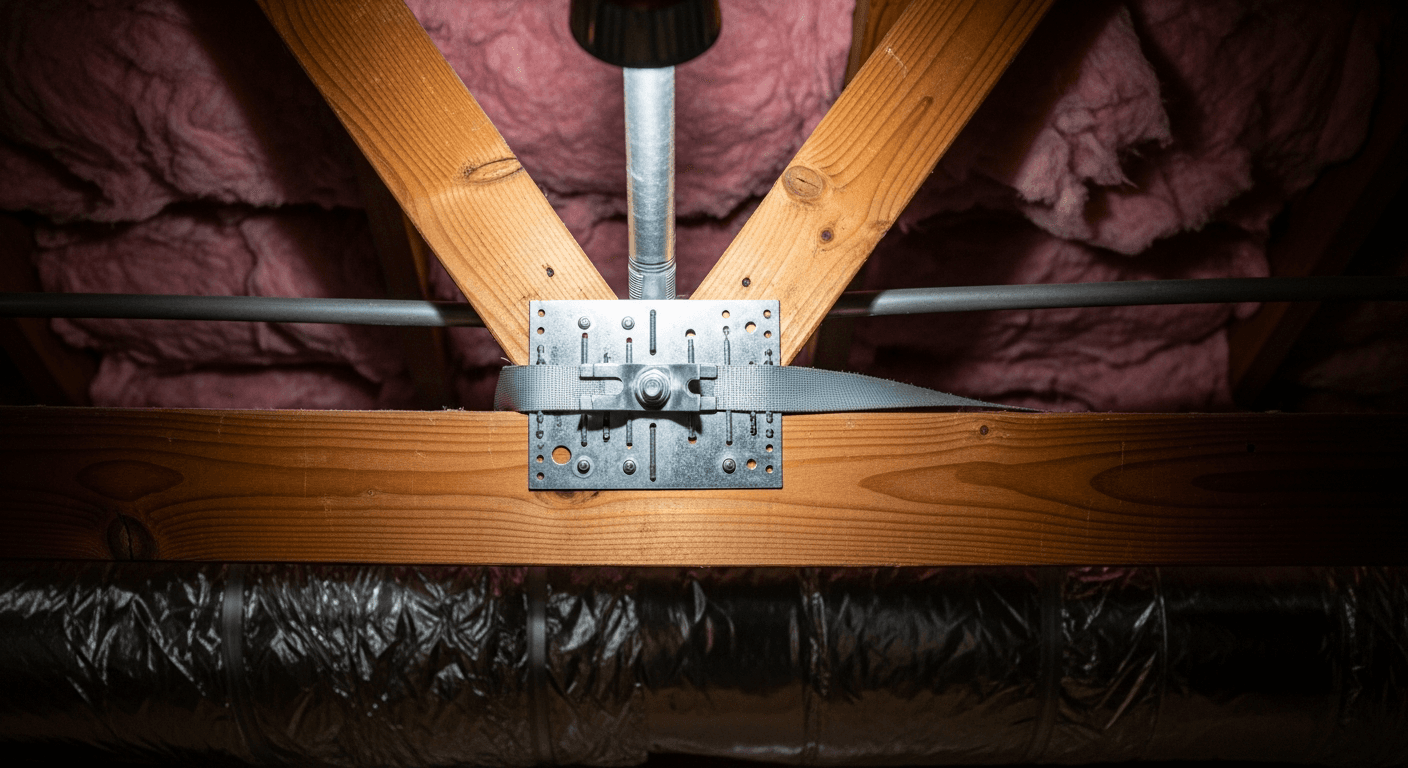
Complete guide to Miami wind mitigation inspections. what they cover, costs, insurance discounts available, and how to maximize your savings.
Read More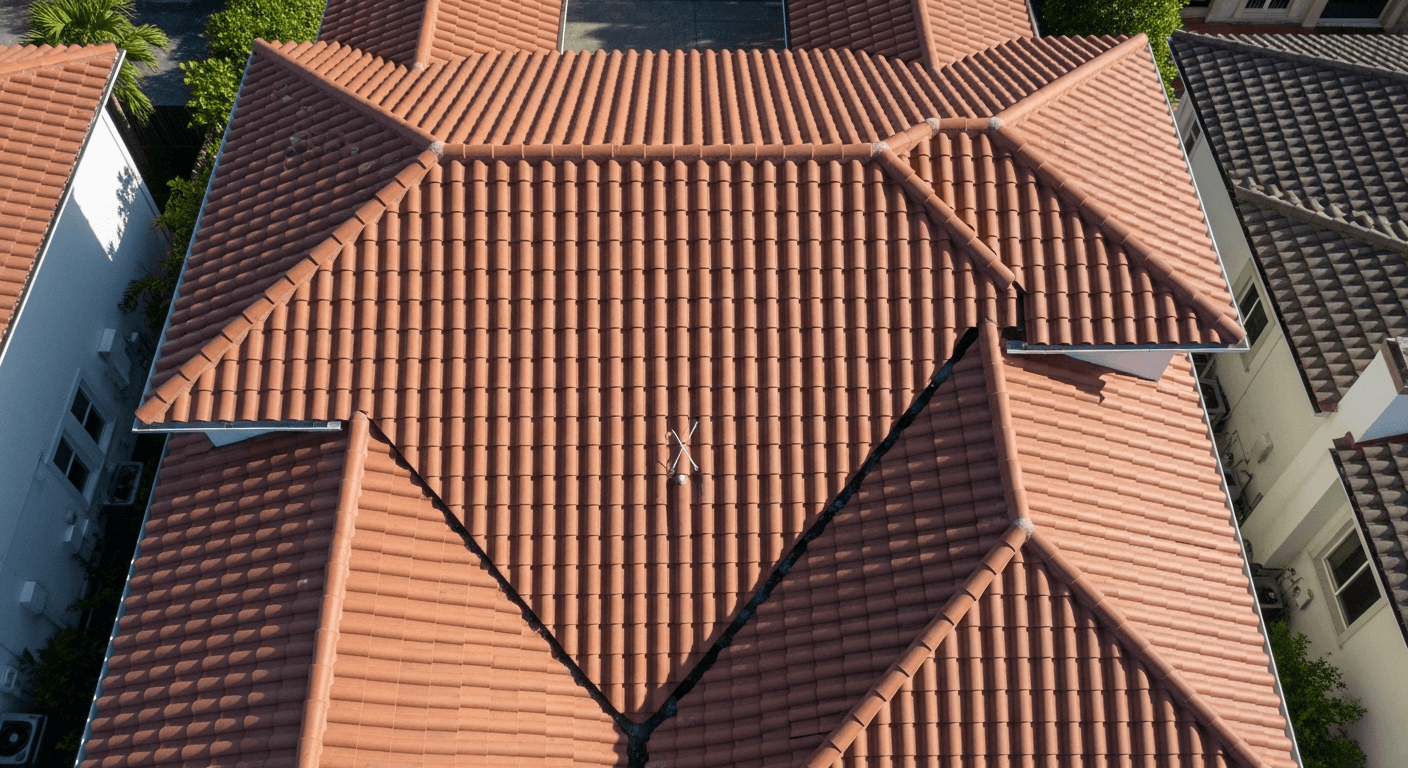
Everything Miami homeowners need to know about professional roof inspections . what inspectors check, how much it costs, how often you need one, and how inspections save you thousands in preventable damage.
Read More
Florida insurance rates are dropping for the first time since 2015. Learn how combining market rate decreases with strategic roof upgrades can save Miami homeowners $1,400-$2,600 per year on premiums.
Read More