Roof Certification Letter in Miami: What It Is and When You Need One
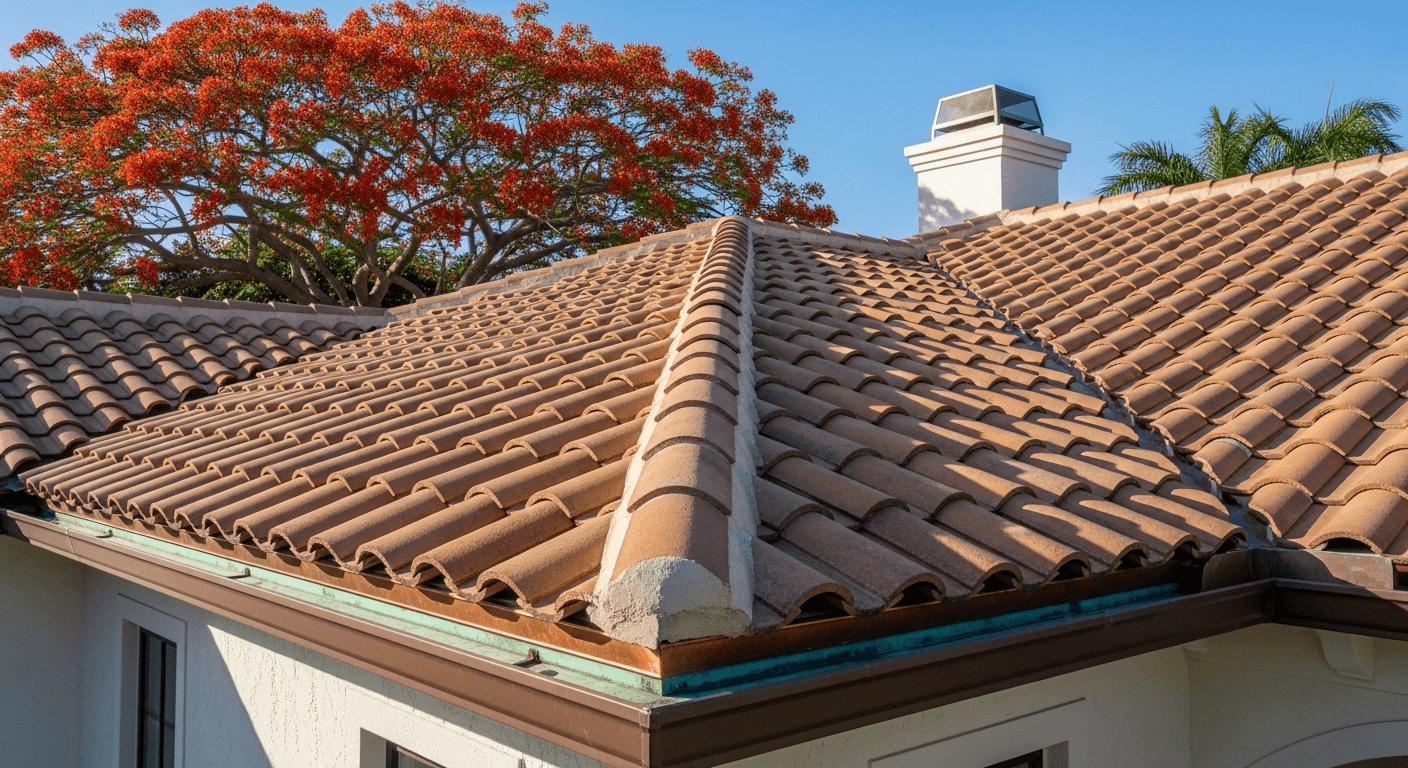
When You Need a Miami Roof Certification Letter (And How to Get One Fast)
I write roof certification letters for Miami homeowners regularly, usually during real estate transactions or insurance renewal cycles. It's one of the most common documents requested from a roofing contractor, and it's also one of the most misunderstood. A certification letter is not the same as a wind mitigation inspection, not the same as a four-point inspection, and not the same as a building department certificate.
Here's what a roof certification letter actually is: a signed statement from a licensed roofing contractor confirming the roof's current condition, estimated remaining lifespan, and any defects or maintenance needs. Buyers, lenders, and insurance carriers use it as professional documentation that the roof is sound enough to support the transaction.
This post covers exactly when you need a roof certification letter in Miami, what's included, how much it costs, how long it takes to get, and what to do if your roof fails the certification.
What Is a Roof Certification Letter?
A roof certification letter is a written document from a licensed roofing contractor or engineer that states the current condition of a roof and provides an estimate of its remaining useful life. It's essentially a professional opinion about how much longer the roof will perform adequately.
What the Letter Includes
Roof Condition : Overall assessment of the roof's current state. good, fair, or poor condition with specific findings.
Material Type : What roofing material is installed (asphalt shingle, concrete tile, clay tile, metal, TPO, built-up, etc.).
Age : When the roof was installed or last replaced, based on permits, records, or professional assessment.
Remaining Useful Life : The critical number. how many more years the inspector estimates the roof will last with normal maintenance. This is what insurance companies and buyers care about most.
Specific Findings : Any deficiencies, damage, or maintenance items identified during the inspection.
Contractor Information : The licensed contractor's name, license number, insurance, and contact information.
What a Roof Certification Does NOT Include
A roof certification letter is not a warranty or guarantee. It's a professional assessment based on visible conditions at the time of inspection. It doesn't guarantee the roof won't leak tomorrow or that it will actually last the estimated years. Weather events, lack of maintenance, or hidden damage can change the timeline.
It's also not a full structural engineering assessment. The inspector evaluates the roof covering and visible components but doesn't typically evaluate the entire structural system unless specifically requested.
When Do You Need a Roof Certification Letter?
Several common scenarios in Miami require roof certification letters.
Selling Your Home
In South Florida's real estate market, roof condition is one of the top concerns for buyers and their insurance companies.
Buyer Confidence : Demonstrates the roof is in acceptable condition and has remaining useful life.
Insurance Qualification : Helps the buyer obtain homeowners insurance. a requirement for mortgage financing. Without insurance, the sale can't close.
Negotiation Tool : A strong certification supports your asking price. A certification showing 10+ years of remaining life eliminates the roof as a negotiation point.
Proactive Disclosure : Getting a certification before listing helps you identify and address any issues before they become deal-breakers during buyer inspections.
Buying a Home
As a buyer, requesting a roof certification protects your investment.
Insurance Requirement : Many Florida insurance companies require roof certification for homes with roofs over 15 years old before they'll write a policy.
Negotiation Leverage : If the certification reveals a roof nearing end-of-life, you can negotiate price reductions or require roof replacement before closing.
Budget Planning : Knowing the roof's remaining life helps you budget for future replacement. a $15,000-$40,000 expense you want to plan for.
Insurance Applications and Renewals
Florida insurance companies increasingly require roof certification letters for new policies on homes with roofs over 10-15 years old, policy renewals as roofs age, Citizens Property Insurance applications, and when switching carriers.
Learn about four-point inspections which often include roof certification as part of the evaluation.
Refinancing
Mortgage lenders may require proof of adequate roof condition when refinancing, particularly if the home hasn't been recently appraised or inspected. The lender wants to ensure the collateral (your home) is properly protected.
The Roof Certification Inspection Process
Understanding what happens during the inspection helps you prepare and set expectations.
What the Inspector Evaluates
Exterior Roof Assessment : Overall condition of roof covering material, missing or damaged materials, flashing condition around penetrations (vents, pipes, skylights), ridge cap and hip condition, edge metal and drip edge, gutter and drainage system, evidence of previous repairs, and biological growth (algae, moss, mold).
Interior Assessment (when accessible): Attic inspection for water stains or active leaks, ventilation adequacy, insulation condition, structural member assessment (rafters, trusses), and evidence of moisture or mold.
Documentation Review : Building permits (if available), previous roof permits, maintenance records, past inspection reports, and original installation documentation.
Inspection Duration and Process
A typical roof certification inspection takes 30-60 minutes depending on home size, roof complexity, and accessibility. The inspector will perform exterior visual assessment from ground and ladder, walk the roof when safe and accessible, inspect attic if accessible, take photo documentation, review available documentation, and complete the certification letter (usually within 24-48 hours).
What Could Disqualify Your Roof
Certain findings will result in a negative certification or a very short remaining life estimate:
Active Leaks : Any evidence of current water intrusion is a serious finding.
Extensive Material Damage : Missing shingles, cracked tiles, or rust damage covering more than 25% of the roof surface.
Previous Improper Repairs : Layered roofing (new materials over old), improper patching, or non-code-compliant repairs.
Age Beyond Expected Lifespan : A 25-year-old shingle roof in Miami has exceeded its expected useful life regardless of apparent condition.
Structural Issues : Sagging, rotted decking, or damaged support structures.
Roof Certification Costs in Miami
Standard Roof Certification : $75-$200 for most single-family homes.
Factors Affecting Cost : Home size and roof complexity, multi-story vs. single-story, roof accessibility, whether attic inspection is included, and urgency (rush fees may apply).
Bundled with Other Inspections : Combined with wind mitigation for $150-$250 total, combined with four-point inspection for $200-$350 total, or combined with full home inspection for $350-$550 total.
Duration of Validity
Roof certification letters don't have a legally defined expiration, but practical validity varies. Insurance companies most accept certifications less than 1 year old, some require within 6 months. Real estate transactions typically want certifications less than 90 days old. Best practice is getting a fresh certification for each specific transaction.
Roof Certification vs. Other Inspections
Understanding how roof certifications differ from other common inspections prevents confusion.
Roof Certification vs. Home Inspection
A home inspection evaluates the entire property. foundation, structure, electrical, plumbing, HVAC, and roof. The roof section of a home inspection is less detailed than a standalone roof certification and is performed by a generalist home inspector rather than a roofing specialist.
Roof Certification vs. Four-Point Inspection
A four-point inspection evaluates roof, electrical, plumbing, and HVAC as a package for insurance underwriting. The roof section of a four-point is often sufficient to serve as a roof certification, but confirm with your insurance company or real estate agent.
Roof Certification vs. Wind Mitigation Inspection
Wind mitigation inspections evaluate how well your roof resists wind. not its overall condition or remaining life. They look at construction methods rather than condition. Both may be required but serve completely different purposes.
Learn about wind mitigation inspections for insurance discount opportunities.
Tips for Miami Homeowners
For Sellers
Get Certified Early : Obtain a roof certification before listing your home. This identifies issues you can fix before they derail negotiations, gives buyers and their insurers confidence, speeds up the transaction process, and demonstrates transparency.
Address Issues First : If the certification reveals problems, consider making repairs before listing. A certification showing "good condition with 10+ years remaining" is worth far more than one noting "fair condition with 5 years remaining."
Keep Records : Maintain documentation of all roof work. installations, repairs, maintenance, permits. This supports stronger certification assessments.
For Buyers
Request Seller's Certification : Ask the seller to provide a current roof certification as part of disclosure.
Get Your Own : Consider getting an independent certification from your own chosen contractor, especially if the seller's certification seems optimistic.
Budget Accordingly : If the certification shows 5-7 years of remaining life, budget $15,000-$40,000 for future roof replacement.
Insurance First : Before closing, confirm that the roof certification satisfies your chosen insurance company's requirements.
For Insurance Compliance
Know Your Carrier's Requirements : Ask specifically what documentation they need. Some accept a basic certification letter while others want the full four-point inspection.
Timing Matters : Get your certification within your carrier's required timeframe. usually within 6-12 months of application.
Shop with Documentation : Having a current roof certification in hand when shopping insurance lets carriers quote accurately and competitively.
Conclusion: Protect Your Investment with Proper Documentation
Roof certification letters are a fundamental part of property ownership in Miami. Whether you're buying, selling, refinancing, or maintaining insurance coverage, having current professional documentation of your roof's condition is essential.
Key Takeaways :
- Roof certification documents condition and remaining useful life
- Required for most insurance transactions on homes with roofs over 10-15 years old
- Costs $75-$200 for standalone certification
- Bundle with wind mitigation or four-point inspection for best value
- Get certified proactively before transactions, not reactively when problems arise
- Keep all roof maintenance and repair documentation for strongest assessments
Need a roof certification letter? Extreme Roofing Inc. provides professional roof certifications for insurance, real estate, and refinancing needs across Miami and South Florida. As licensed roofing contractors since 2004, our certifications are accepted by all major insurance carriers.
Call 305-225-1535 or request your roof certification today.
Frequently Asked Questions
How much does a roof certification letter cost in Miami?
A standalone roof certification letter in Miami costs $75-$200 depending on home size and roof complexity. Combined with a wind mitigation inspection, expect $150-$250 total. When bundled with a four-point inspection, costs run $200-$350 total. The certification includes a physical inspection of your roof, photo documentation, and a professional letter documenting condition and estimated remaining useful life.
How long is a roof certification letter valid in Florida?
There's no legally defined expiration for roof certification letters in Florida, but practical validity depends on the recipient. Insurance companies typically accept certifications less than 6-12 months old. Real estate transactions usually require certifications within 90 days. Mortgage lenders generally want documentation within 6 months. For best results, get a fresh certification for each specific transaction.
What's the difference between a roof certification and a roof inspection?
A roof certification is a formal letter from a licensed roofing contractor documenting the roof's condition and estimated remaining useful life. it's an official document for insurance or real estate transactions. A roof inspection is a more general evaluation that can be performed by home inspectors and may not result in a formal certification letter. For insurance and real estate purposes in Miami, you typically need the formal certification letter from a licensed roofer.
Can a roof fail certification in Miami?
Yes, a roof can receive a negative certification or very short remaining life estimate. Common reasons include active leaks, extensive material damage (more than 25% affected), age beyond expected lifespan (25+ year shingle roofs), improper previous repairs, structural issues like sagging or rotted decking, and code violations. A negative certification means you may need roof repairs or replacement before obtaining insurance or completing a property sale.
Do I need a roof certification to sell my house in Miami?
While not legally required to sell your home, a roof certification is practically essential in Miami real estate transactions. Most buyers need homeowners insurance for their mortgage, and insurers typically require roof documentation for homes with roofs over 10-15 years old. Without acceptable certification, buyers may not be able to obtain insurance, which prevents mortgage financing and kills the sale.
Need Roofing Help?
Whether you need an inspection, repair, or full replacement, our team of licensed roofing professionals is ready to help. Serving South Florida since 2004.
Related Articles
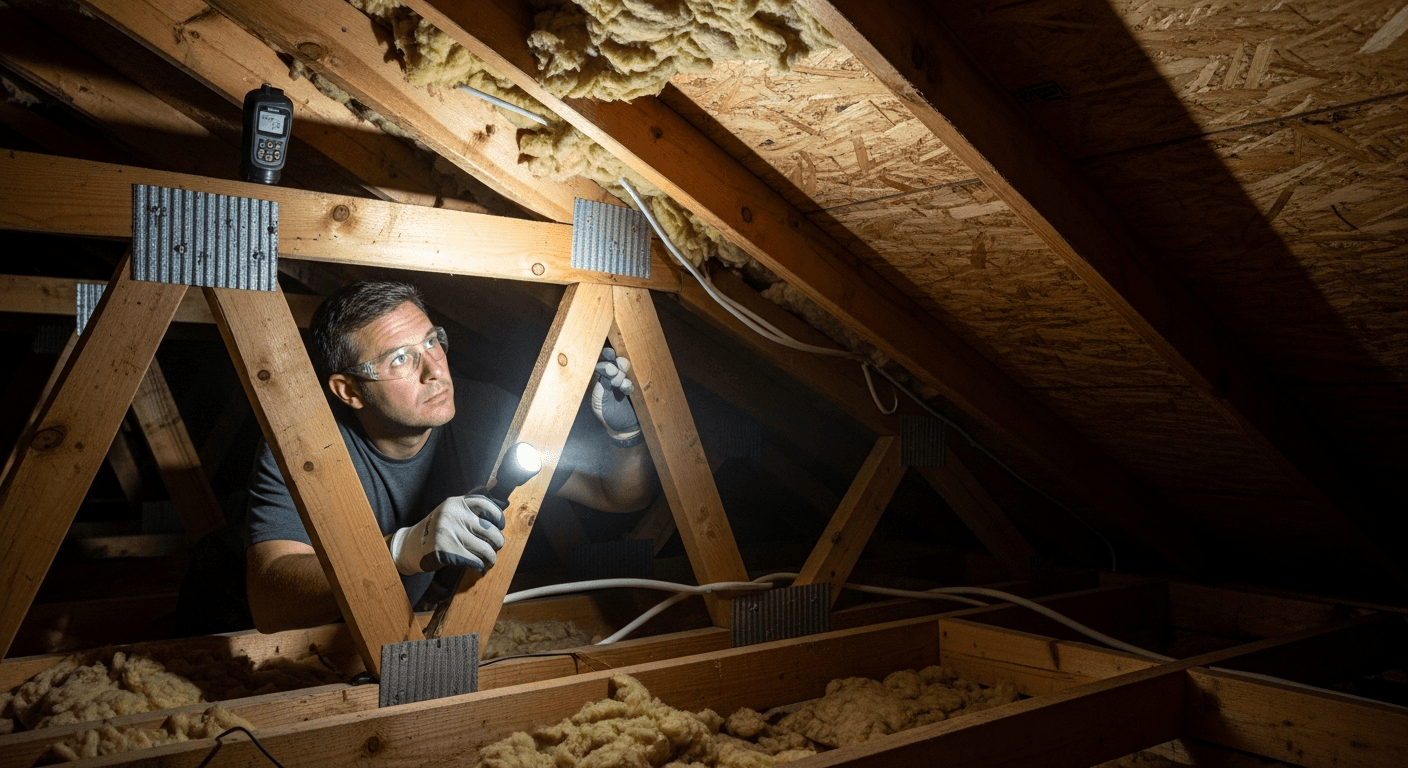
Everything Miami homeowners need to know about four-point inspections. what's evaluated, costs, when you need one, and how to prepare for this critical insurance requirement.
Read More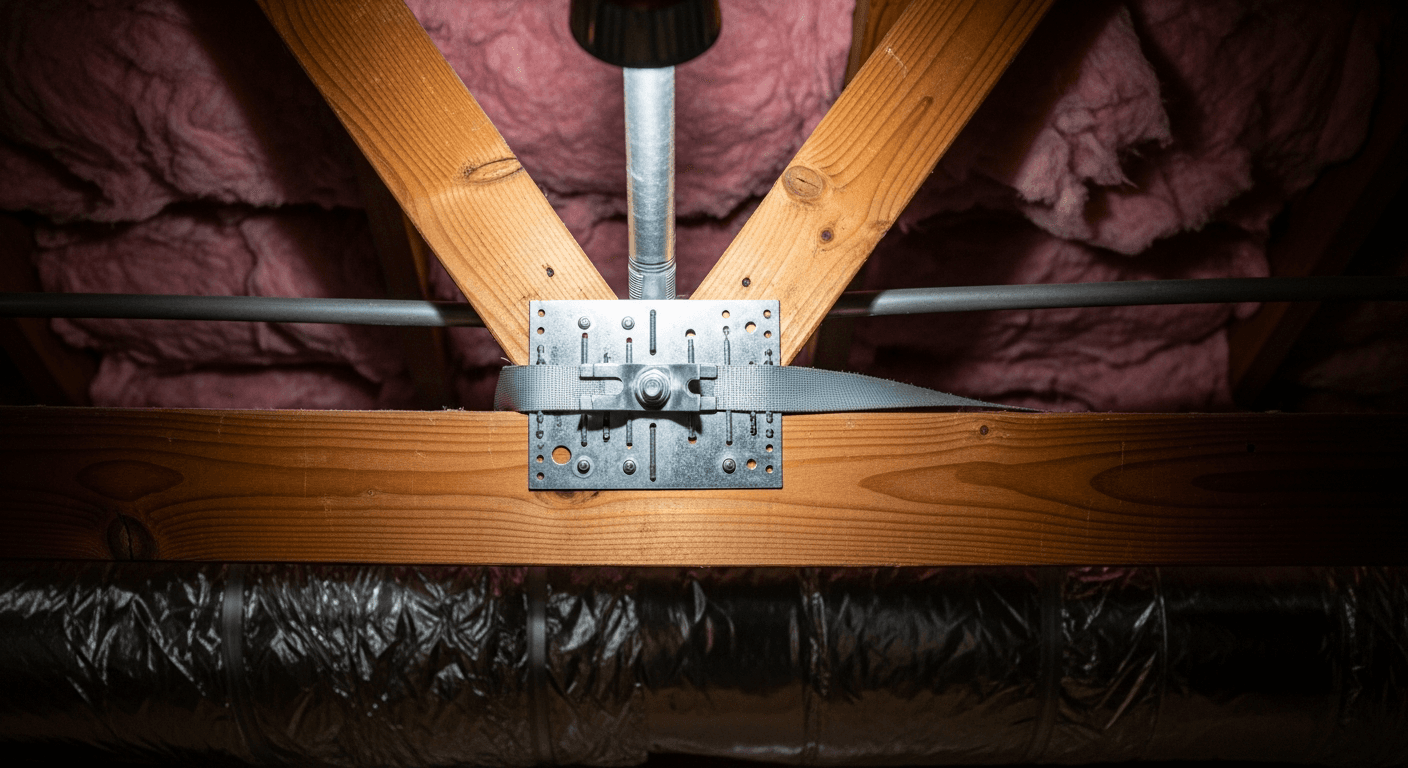
Complete guide to Miami wind mitigation inspections. what they cover, costs, insurance discounts available, and how to maximize your savings.
Read More
Everything Miami homeowners need to know about professional roof inspections . what inspectors check, how much it costs, how often you need one, and how inspections save you thousands in preventable damage.
Read More