Roof Financing Options in Miami: A Complete Guide to Affordable Roofing
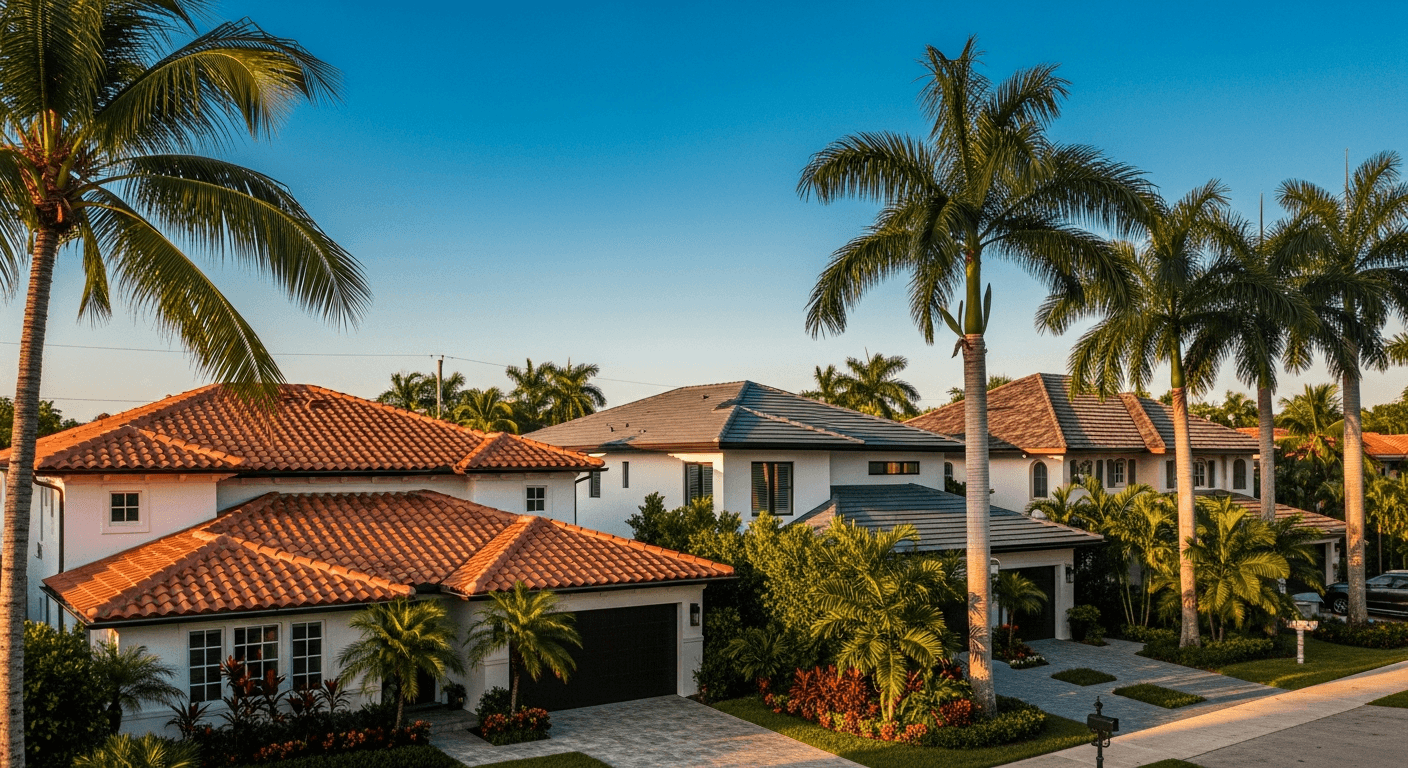
How to Finance a Miami Roof Replacement in 2026
A new roof in Miami runs $15,000 to $55,000 depending on size and material. For most homeowners, that's not money sitting in a checking account. The good news is that there are multiple financing options specifically designed for Florida roof replacements, and many of them offer favorable terms that make the payment manageable without depleting your savings.
I've helped hundreds of Miami homeowners navigate roof financing over the years, and the right option depends on your credit profile, timeline, and whether you're replacing out of necessity or by choice. Here's the full breakdown of every financing path available: manufacturer zero-interest promotions, home equity loans and HELOCs, PACE financing, contractor in-house financing, insurance claim assignments, and the My Safe Florida Home grant program for qualifying homeowners.
Why Financing Your Roof Makes Sense
Many homeowners delay roof replacement because they lack the full cash amount upfront. This delay can be costly:
- Water Damage: A failing roof allows water to penetrate insulation, drywall, and framing, causing mold and rot that can add $10,000 to $30,000 in remediation costs
- Energy Waste: Damaged roofs compromise insulation, driving up cooling costs by 15% to 25% in Miami's hot climate
- Insurance Complications: Insurers may refuse to renew policies on homes with roofs older than 15 to 20 years or showing visible damage
- Hurricane Vulnerability: An aging roof is far more likely to fail during a storm, exposing your home to catastrophic damage
Financing allows you to address these problems immediately while spreading payments over time. In many cases, the energy savings and avoided repair costs offset a significant portion of the monthly payment.
Contractor-Offered Financing Programs
Many reputable roofing contractors, including Extreme Roofing Inc., partner with established lenders to offer financing directly through the roofing company. These programs typically feature:
Advantages of Contractor Financing
- Fast approval: Most lenders provide decisions within minutes
- Minimal paperwork: Online applications take 10 to 15 minutes
- Flexible terms: Choose from 12 months to 15 years depending on the loan amount
- No prepayment penalties: Pay off early without fees
- One-stop process: The contractor handles coordination with the lender
Common Contractor Financing Options
#### Zero-Interest Promotional Financing
Many lenders offer 0% APR for 12, 18, or 24 months if the loan is paid off within the promotional period. This is ideal for homeowners who can afford higher monthly payments and want to avoid interest charges entirely.
Example : A $15,000 roof financed at 0% for 18 months requires monthly payments of $833. If paid off on time, you pay no interest. If not paid off, deferred interest may apply retroactively.
#### Fixed-Rate Installment Loans
These loans feature fixed monthly payments over terms ranging from 3 to 15 years. Interest rates vary based on creditworthiness, typically ranging from 5.99% to 17.99% APR.
Example : A $20,000 roof financed at 7.99% APR for 10 years results in monthly payments of $242, with total interest of approximately $9,000 over the life of the loan.
#### Same-as-Cash Financing
Some programs allow you to defer all payments for 6 to 12 months, giving you time to save, sell assets, or receive insurance proceeds. If the balance is paid in full before the deadline, no interest accrues. If not, interest applies retroactively from the original purchase date.
How to Apply for Contractor Financing
- Request a quote from your roofing contractor
- Discuss financing options with the project manager
- Complete an online application (requires name, address, SSN, income, and employment information)
- Receive instant approval or a decision within 24 hours
- Review and sign the loan agreement
- Schedule the roofing project
Extreme Roofing Inc. works with multiple lenders to maximize approval rates and offer competitive terms to homeowners at all credit levels.
Home Equity Financing Options
If you have significant equity in your home, borrowing against that equity can provide low-interest financing for your roof replacement.
Home Equity Loan (Second Mortgage)
A home equity loan provides a lump sum with fixed monthly payments over a set term, typically 5 to 20 years. Interest rates are usually lower than personal loans or credit cards because the loan is secured by your home.
Advantages :
- Lower interest rates (often 6% to 9% APR)
- Fixed payments make budgeting easy
- Interest may be tax-deductible (consult a tax advisor)
Disadvantages :
- Closing costs can range from 2% to 5% of the loan amount
- Your home serves as collateral; defaulting can lead to foreclosure
- Approval process takes several weeks
Home Equity Line of Credit (HELOC)
A HELOC functions like a credit card secured by your home. You are approved for a maximum credit limit and can borrow as needed during a "draw period" (typically 5 to 10 years). Interest rates are variable and tied to the prime rate.
Advantages :
- Borrow only what you need
- Interest-only payments during the draw period
- Flexibility for multiple home improvement projects
Disadvantages :
- Variable interest rates can increase over time
- Requires discipline to avoid overborrowing
- Your home is at risk if you cannot repay
Cash-Out Refinance
If current mortgage rates are lower than your existing rate, a cash-out refinance replaces your mortgage with a new, larger loan. You receive the difference in cash and use it to pay for your roof.
Advantages :
- Potentially lower interest rate than your current mortgage
- Consolidates debt into a single payment
- Interest may be tax-deductible
Disadvantages :
- Extends your mortgage term, increasing total interest
- Closing costs can be substantial (2% to 6% of loan amount)
- Requires home appraisal and full underwriting
Government-Backed Financing Programs
Several government programs help homeowners finance essential repairs and improvements:
FHA 203(k) Rehabilitation Loan
The FHA 203(k) program allows you to finance both the home purchase and renovation costs (including roof replacement) in a single mortgage. This is ideal for buyers purchasing fixer-uppers or homeowners who want to refinance and renovate simultaneously.
Loan Limits : Up to $726,200 in Miami-Dade County (2026 limits)
Eligible Repairs : Roofing, HVAC, plumbing, electrical, structural repairs, and more
Requirements :
- Minimum credit score of 580 for 3.5% down payment
- Loan must exceed $5,000 in repairs
- Work must be completed by licensed contractors
FHA Title I Property Improvement Loan
This program offers loans up to $25,000 for home improvements without using your home as collateral. Interest rates are typically higher than secured loans but lower than credit cards.
Advantages :
- No home equity required
- Faster approval than home equity loans
- Fixed interest rates
Disadvantages :
- Lower loan limits
- Higher interest rates than secured financing
Fannie Mae HomeStyle Renovation Loan
Similar to FHA 203(k), this conventional loan program allows you to finance both the home purchase and renovation. It is available to borrowers with higher credit scores and larger down payments.
Advantages :
- Higher loan limits than FHA programs
- Can be used on investment properties
- More flexible than FHA for certain improvements
Disadvantages :
- Stricter credit requirements (typically 620+ credit score)
- Larger down payment (5% to 20%)
Personal Loans and Credit Cards
For smaller roofing projects or emergency repairs, personal loans and credit cards can provide quick funding.
Unsecured Personal Loans
Personal loans from banks, credit unions, or online lenders provide lump-sum financing without using your home as collateral.
Advantages :
- Fast approval (often same-day)
- No risk to your home
- Fixed payments and terms
Disadvantages :
- Higher interest rates (typically 7% to 36% APR)
- Lower loan limits ($1,000 to $50,000)
- Shorter repayment terms (1 to 7 years)
Credit Cards with 0% Introductory APR
Some credit cards offer 0% APR for 12 to 21 months on purchases. If you can pay off the balance during the promotional period, this is essentially free financing.
Advantages :
- No interest if paid off on time
- Instant access to funds
- Rewards or cash back on purchases
Disadvantages :
- High interest rates after promotional period (often 18% to 29% APR)
- Credit limits may not cover the full project cost
- Requires excellent credit for approval
Insurance Claim Financing
If your roof was damaged by a hurricane, storm, or other covered peril, your homeowner's insurance may pay for most or all of the replacement cost. However, insurance proceeds are typically paid after the work is completed, creating a cash flow challenge.
How Insurance Financing Works
Many roofing contractors offer insurance financing programs that:
- Cover your deductible: Spread the deductible cost over 6 to 24 months
- Bridge the gap: Finance the full project cost until the insurance check arrives
- Accelerate the process: Begin work immediately rather than waiting for claim approval
Extreme Roofing Inc. has extensive experience working with insurance claims and can help you navigate the process. We provide detailed documentation, meet with adjusters, and ensure you receive the full coverage you are entitled to under your policy.
Property Assessed Clean Energy (PACE) Financing
PACE programs allow homeowners to finance energy-efficient home improvements, including certain roofing upgrades, through a special assessment on their property tax bill.
How PACE Works
- The PACE program pays the contractor directly
- You repay the loan through an additional line item on your annual property tax bill
- Repayment terms typically range from 10 to 30 years
- The loan stays with the property, not the homeowner, if you sell
Eligibility Requirements
- Must be current on property taxes and mortgage
- Roof upgrade must meet energy efficiency standards (e.g., cool roof coatings, reflective shingles)
- Property must be residential or mixed-use
PACE financing is available in certain Florida counties, but not all. Check with your local government or PACE administrator to confirm availability in your area.
Financing Tips for Miami Homeowners
1. Compare Multiple Financing Options
Do not accept the first offer. Compare:
- Interest rates and APR
- Loan terms and monthly payments
- Prepayment penalties or fees
- Total cost of financing over the life of the loan
A lower monthly payment may cost more in total interest. Run the numbers for both short-term and long-term scenarios.
2. Understand Promotional Financing Terms
Zero-percent and same-as-cash offers can be excellent deals, but read the fine print:
- What happens if you do not pay off the balance by the deadline?
- Does deferred interest apply retroactively?
- Are there minimum monthly payment requirements?
Missing the payoff deadline by a single day can result in thousands of dollars in interest charges.
3. Check Your Credit Score First
Your credit score significantly affects interest rates and approval odds. Check your score before applying and address any errors on your credit report. Even a small improvement (e.g., from 680 to 720) can reduce your interest rate by 2% to 4%, saving thousands of dollars.
4. Get Pre-Approved Before Choosing Materials
Knowing how much financing you qualify for helps you make informed decisions about materials. If you are approved for $15,000, you know whether you can afford a premium metal roof or should focus on high-quality shingle options.
5. Avoid Overborrowing
Finance only what you need for the roofing project. It is tempting to borrow extra for other home improvements, but additional debt increases monthly payments and total interest costs. Focus on the roof first, then tackle other projects later.
How Financing Affects Your Budget
Understanding how different financing terms affect your monthly budget is critical:
| Loan Amount | Term | APR | Monthly Payment | Total Interest |
|---|---|---|---|---|
| $15,000 | 3 years | 7.99% | $470 | $1,920 |
| $15,000 | 5 years | 7.99% | $303 | $3,180 |
| $15,000 | 10 years | 7.99% | $182 | $6,840 |
| $20,000 | 5 years | 9.99% | $424 | $5,440 |
| $25,000 | 10 years | 6.99% | $290 | $9,800 |
Shorter terms mean higher monthly payments but lower total interest. Longer terms reduce monthly payments but increase total cost.
Tax Deductions and Financing
In some cases, the interest paid on home improvement financing may be tax-deductible, particularly if you use a home equity loan, HELOC, or cash-out refinance. The Tax Cuts and Jobs Act of 2017 allows deductions for interest on loans used to "buy, build, or substantially improve" your home, up to $750,000 in total mortgage debt.
Consult a tax professional to determine whether your roofing financing qualifies for a deduction. Personal loans and credit cards are generally not deductible.
Common Questions
Can I finance a roof with bad credit?
Yes. Many lenders offer financing to borrowers with credit scores as low as 580, though interest rates will be higher. Some contractors work with subprime lenders who specialize in homeowners with challenged credit. You may also consider a co-signer to improve approval odds and rates.
How much do I need for a down payment?
Contractor financing typically requires little to no down payment. Home equity loans and cash-out refinances require equity in your home but not a separate down payment. Personal loans are unsecured and require no collateral. FHA and Fannie Mae programs require down payments of 3.5% to 20% depending on the loan type and credit score.
Can I finance just my deductible?
Yes. If your roof replacement is covered by insurance, many contractors offer financing specifically for your deductible. These are typically short-term loans (6 to 24 months) with low or no interest if paid off on time.
Will financing my roof affect my credit score?
Applying for financing results in a hard inquiry on your credit report, which may temporarily lower your score by a few points. However, making on-time payments improves your credit over time. Late or missed payments can significantly harm your score.
Can I pay off my roof loan early?
Most contractor financing and personal loans have no prepayment penalties, meaning you can pay off the balance early without fees. However, some home equity loans and HELOCs may charge prepayment penalties, so review your loan agreement carefully.
Make Your Roof Affordable Today
Financing your roof replacement allows you to protect your home immediately without depleting your savings or waiting until you can afford the full cost upfront. Whether you choose contractor financing, a home equity loan, or a government-backed program, the right financing option can make a quality roof affordable on virtually any budget.
Extreme Roofing Inc. offers flexible financing options with competitive rates and terms designed for Miami homeowners. We work with multiple lenders to maximize approval rates and help you find the best solution for your financial situation. Call us at 305-225-1535 or request a free estimate to discuss your roofing project and explore your financing options.
Frequently Asked Questions
What is the average interest rate for roof financing in Miami?
Interest rates for roof financing vary widely based on credit score, loan type, and lender. Contractor financing typically ranges from 5.99% to 17.99% APR. Home equity loans and HELOCs offer lower rates, often 6% to 9% APR. Zero-interest promotional financing is available for 12 to 24 months if the balance is paid off on time.
How long does it take to get approved for roof financing?
Contractor financing approvals are typically instant or within 24 hours. Home equity loans and cash-out refinances take 2 to 6 weeks due to appraisal and underwriting requirements. Personal loans can be approved in 1 to 3 days. FHA and Fannie Mae programs take 30 to 60 days for full approval.
Can I finance a roof if I still owe on my mortgage?
Yes. Most financing options are available to homeowners with existing mortgages. Contractor financing and personal loans do not affect your mortgage. Home equity loans and HELOCs require sufficient equity (typically at least 15% to 20% after the loan). Cash-out refinances replace your existing mortgage with a new, larger loan.
What happens if I miss a payment on my roof loan?
Missing a payment will result in late fees (typically $25 to $50) and may be reported to credit bureaus, damaging your credit score. For home equity loans and HELOCs, repeated missed payments can lead to foreclosure since your home is collateral. Contact your lender immediately if you anticipate difficulty making a payment.
Is financing a roof tax-deductible?
Interest on home equity loans, HELOCs, and cash-out refinances used for home improvements may be tax-deductible up to IRS limits, provided the loan is secured by your home. Personal loans and credit card interest are generally not deductible. Consult a tax professional to determine your specific situation.
Need Roofing Help?
Whether you need an inspection, repair, or full replacement, our team of licensed roofing professionals is ready to help. Serving South Florida since 2004.
Related Articles
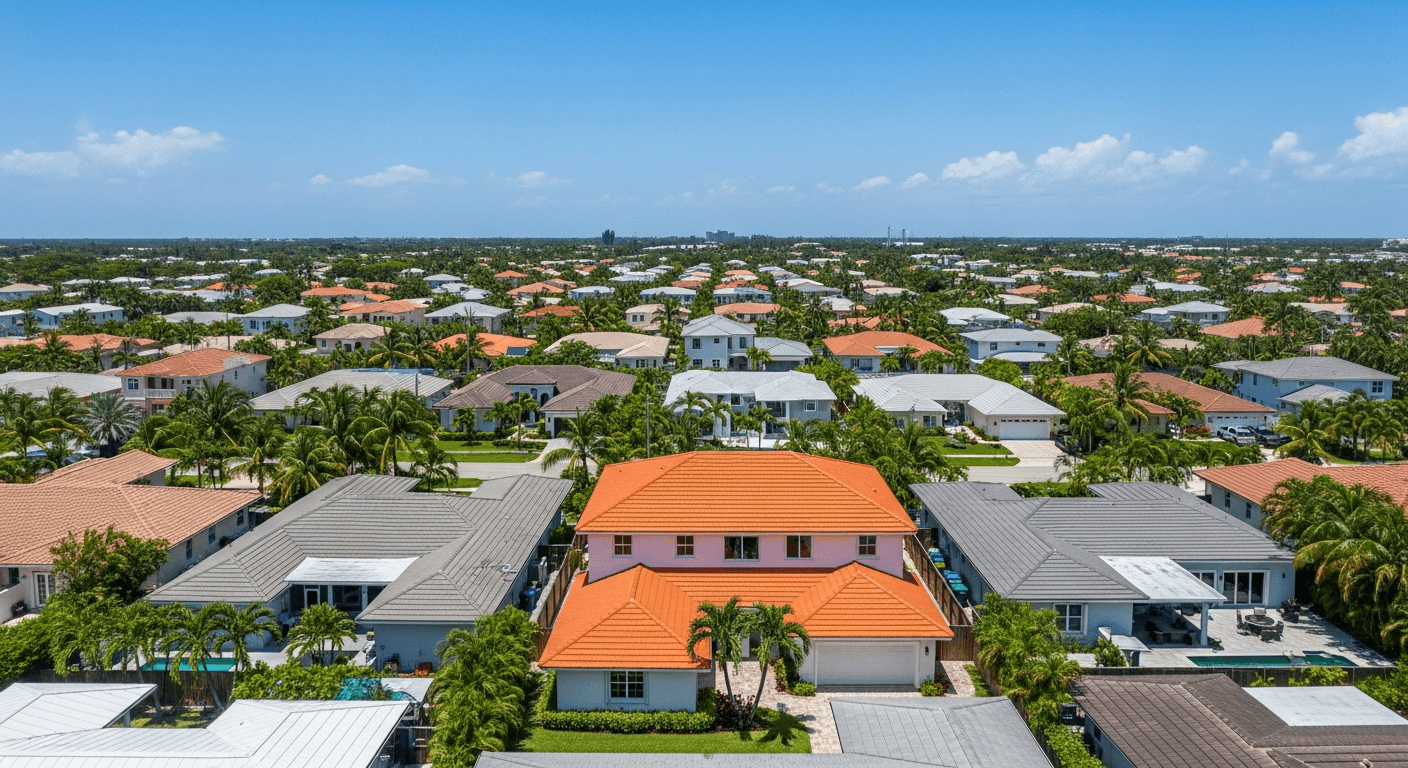
Discover the 10 key indicators that separate top-rated Miami roofing companies from the rest, including certifications, warranties, customer service, craftsmanship standards, and long-term performance metrics.
Read More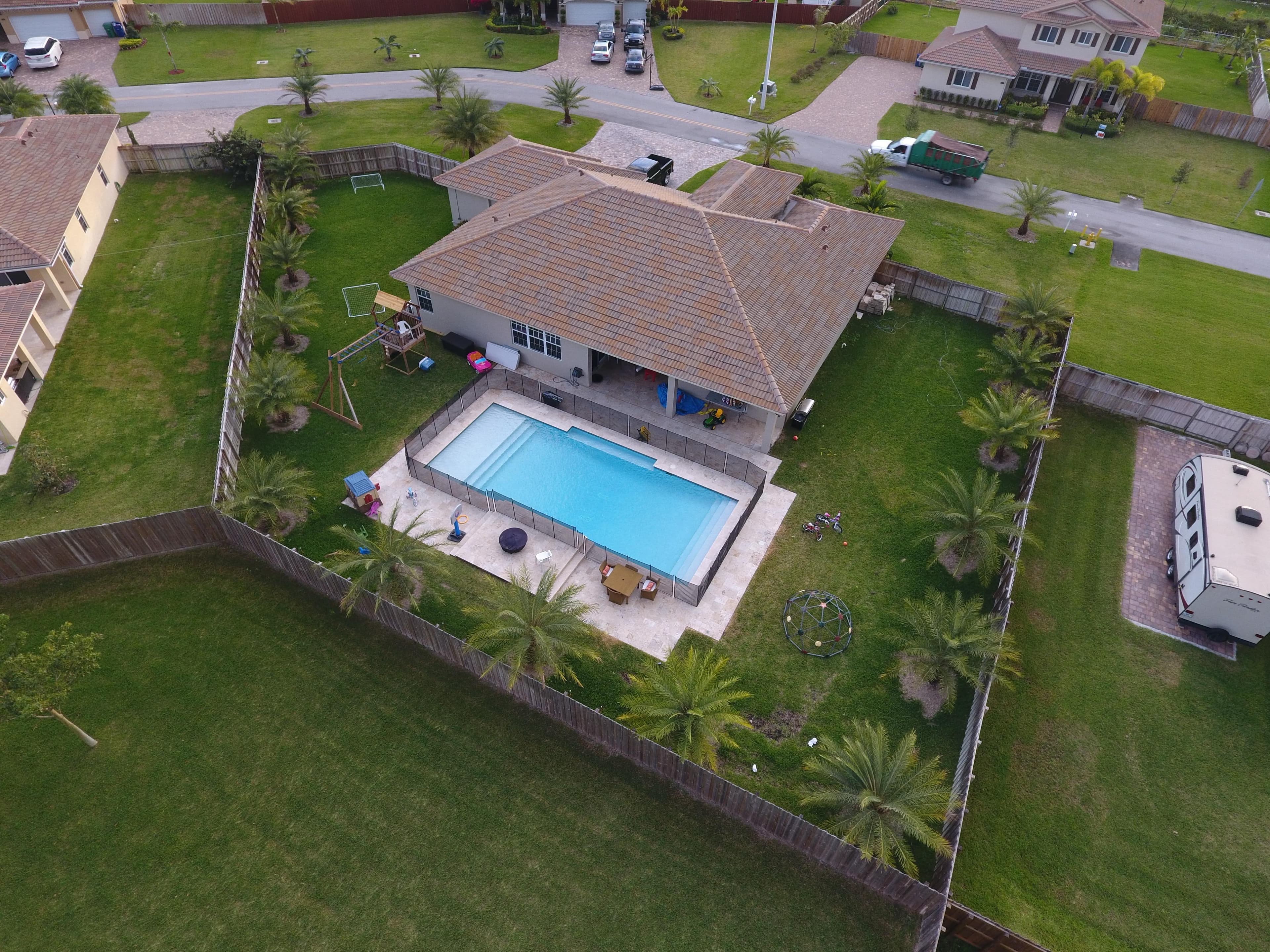
Florida insurance rates are dropping for the first time since 2015. Learn how combining market rate decreases with strategic roof upgrades can save Miami homeowners $1,400-$2,600 per year on premiums.
Read More