
Roof Leak Repair in Miami: Causes, Costs & What to Do Right Now
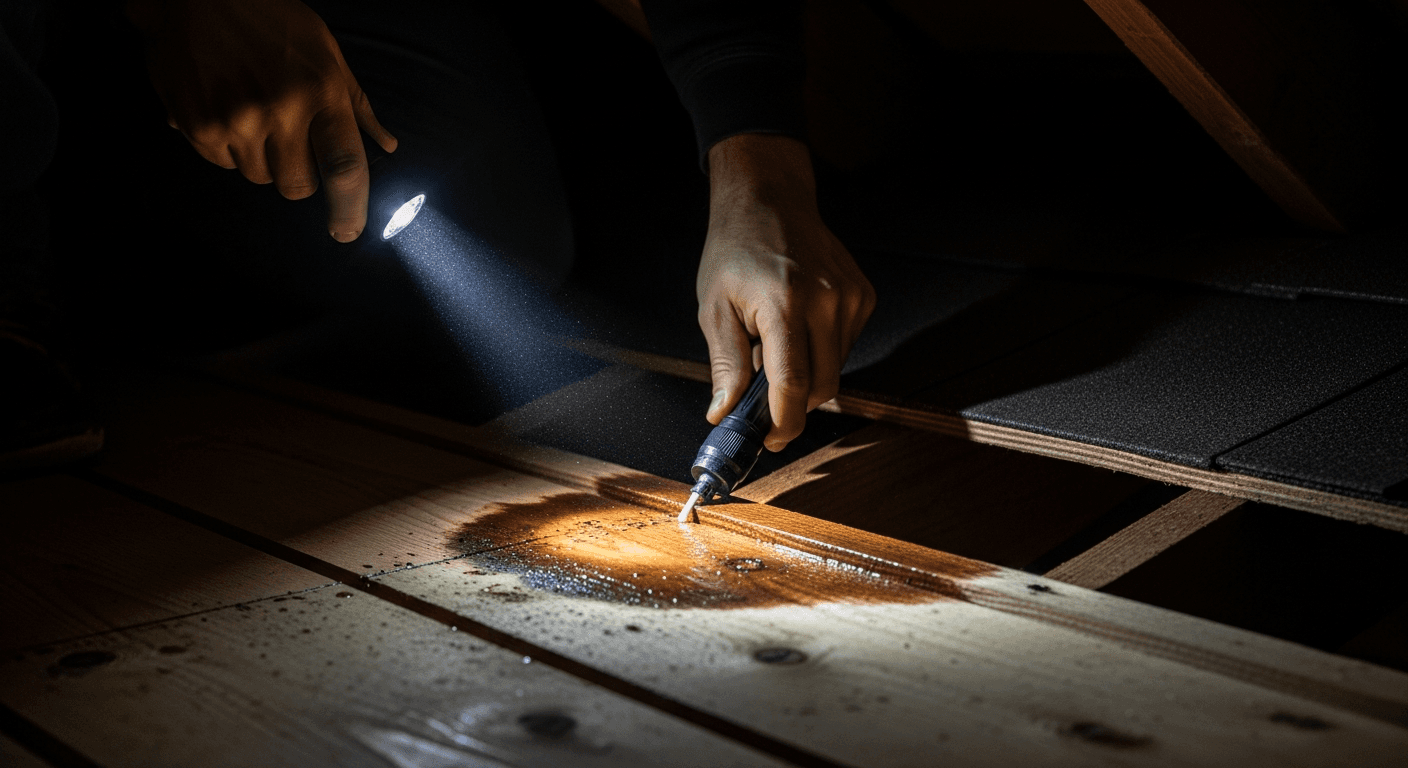
Why a Miami Roof Leak Is Always an Emergency
I get the calls every summer afternoon. Someone in Kendall, Doral, or Homestead is watching water drip through their ceiling during an afternoon thunderstorm, and they want to know if it can wait until tomorrow. The answer is almost always no. Miami's 60+ inches of annual rainfall and our summer thunderstorm pattern means that a leak starting today can rot structural wood, ruin insulation, grow mold, and destroy drywall within 48 to 72 hours.
I've been responding to Miami roof leak emergencies since 2004, and I've seen what a two-day delay does to a home. A $400 repair at hour 4 becomes a $4,000 repair at day 3, then a $15,000 rebuild at week 2 if mold gets into the walls. If you have a leak right now, stop reading and call a licensed roofer. If you're reading this proactively, here's what you need to know about responding to Miami roof leaks in the moment and getting them fixed correctly.
This guide covers everything Miami homeowners need to know about roof leak repair: how to identify the source, what repairs cost, when a leak means you need a full replacement, and the immediate steps you should take the moment you spot water where it does not belong.
What to Do Right Now If Your Roof Is Leaking
If you have an active roof leak, take these steps immediately before calling a contractor:
- Contain the water . Place buckets or containers under all drip points. Use towels to redirect water away from electronics, furniture, and flooring.
- Move valuables . Relocate furniture, documents, and electronics away from the affected area.
- Document everything . Take photos and videos of the leak, water stains, and any visible roof damage from the outside. This documentation is critical for insurance claims.
- Relieve ceiling pressure . If you see a bulging or sagging area on your ceiling, carefully puncture it with a screwdriver over a bucket to release trapped water and prevent a ceiling collapse.
- Apply a temporary barrier . If rain is ongoing and you can safely access the roof, a plastic tarp secured with weights or roofing nails can slow the intrusion until a professional arrives.
- Call a licensed roofer . Contact Extreme Roofing Inc. at 305-225-1535 for emergency roof leak assessment.
Do not attempt a permanent repair yourself. Florida law requires a licensed roofing contractor (CCC or CRC license) for roof repairs. Improper DIY repairs can void warranties, violate building codes, and create bigger problems.
Common Causes of Roof Leaks in Miami
Understanding why roofs leak in South Florida helps you catch problems before they become emergencies.
Cracked or Displaced Tiles
Miami's barrel tile and concrete tile roofs are durable but not invulnerable. Thermal cycling . where tiles expand in 95-degree heat and contract overnight . causes hairline cracks over time. High winds during storms can shift or break tiles entirely, exposing the underlayment beneath. A single displaced tile can channel gallons of water into your roof deck during a heavy downpour.
Deteriorated Pipe Boots and Flashing
Every plumbing vent, exhaust pipe, and HVAC penetration on your roof has a rubber boot or metal flashing seal around it. Miami's UV intensity degrades rubber pipe boots in as little as 7 to 10 years, causing them to crack and separate. Flashing around chimneys, skylights, and wall-to-roof transitions can corrode or pull away from the surface due to expansion and contraction.
Flat Roof Membrane Failure
Flat and low-slope roofs are common throughout Miami, especially on commercial properties and modern residential designs. Modified bitumen, TPO, and built-up roofing membranes can develop blisters, cracks, or seam separations that allow water intrusion. Ponding water . standing water that remains more than 48 hours after rain . accelerates membrane deterioration and is the leading cause of flat roof leaks in Miami.
Wind-Lifted Shingles
Architectural shingles on Miami homes face sustained wind loads that exceed what many installations in other regions experience. If shingles were installed without proper high-wind nailing patterns (six nails per shingle in the Miami-Dade HVHZ), they are vulnerable to lift-off during even moderate tropical storms. Once the seal strip breaks and a shingle lifts, water has a direct path to the underlayment and deck.
Failed Roof Sealants
Caulk and roof sealant applied around penetrations, valleys, and transitions has a limited lifespan. In Miami's climate, most roof sealants degrade within 5 to 8 years. Cracked sealant around satellite dish mounts, antenna brackets, and vent pipes is one of the most common . and most easily preventable . sources of residential roof leaks.
Roof Leak Repair Costs in Miami (2026)
Repair costs vary significantly based on the type of leak, roofing material, and extent of underlying damage. Here are current cost ranges for Miami-Dade County:
| Repair Type | Typical Cost Range | Timeline |
|---|---|---|
| Pipe boot replacement | $350 - $750 | 2-4 hours |
| Shingle repair (small area) | $400 - $900 | Half day |
| Tile repair (5-15 tiles) | $800 - $2,000 | 1-2 days |
| Flashing repair/replacement | $500 - $1,500 | Half day - 1 day |
| Flat roof patch (membrane) | $500 - $1,500 | 1 day |
| Valley repair | $800 - $2,500 | 1-2 days |
| Decking replacement (per sheet) | $150 - $300 per 4x8 sheet | Added to repair time |
| Emergency tarping | $300 - $800 | Same day |
| Complex multi-point leak | $2,000 - $5,000+ | 2-5 days |
Factors that increase cost:
- Rotted decking requiring replacement
- Two-story or steep-pitch roofs (increased labor and safety equipment)
- Mold remediation in attic space
- Code-required upgrades discovered during repair (e.g., missing hurricane straps)
- Permits for repairs exceeding 25% of roof area (triggers re-roofing code requirements)
When a "Repair" Becomes a Replacement
Under the Florida Building Code, if repairs affect more than 25% of the total roof area within any 12-month period, the entire roof must be brought up to current code . which typically means a full re-roofing project. Additionally, if your roof is over 20 years old and experiencing recurring leaks, the cumulative cost of ongoing repairs often exceeds the investment of a new roof. Read our full comparison in Roof Repair vs. Replacement: How to Decide.
How Extreme Roofing Diagnoses and Repairs Roof Leaks
Not all leaks are obvious, and the point where water appears on your ceiling is rarely directly below the actual roof failure. Here is our systematic approach:
Step 1: Interior Assessment
We start inside, examining the water stains, active drips, and attic space to trace the water path. Water travels along rafters, sheathing, and interior walls before it drips . sometimes 10 to 15 feet from the actual entry point.
Step 2: Exterior Roof Inspection
Our licensed inspectors examine the entire roof surface, not just the area above the visible leak. We check every penetration point, valley, ridge, hip, and transition for signs of failure. We also inspect gutters and downspouts, as clogged drainage systems can force water under roofing materials.
Learn more about our full roof inspection process.
Step 3: Moisture Mapping
For leaks that are difficult to pinpoint, we use infrared moisture detection to identify trapped moisture beneath the roof surface without destructive exploration. This is especially valuable for flat roofs where water can travel significant distances under the membrane.
Step 4: Repair Plan and Estimate
We provide a detailed written estimate covering exactly what needs to be repaired, the materials involved, the timeline, and the cost . before any work begins. There are never surprise charges. Request your free estimate today.
Step 5: Code-Compliant Repair
All repairs are performed to meet or exceed the Florida Building Code 7th Edition requirements for Miami-Dade County. We use manufacturer-approved materials and installation methods to maintain warranty coverage.
Preventing Future Roof Leaks in Miami
Prevention is always less expensive than emergency repair. Follow these steps to protect your Miami home:
- Schedule annual roof inspections . Professional inspections catch small problems before they become leaks. The best time is before hurricane season (May/June) and after (December/January).
- Clear debris regularly . Leaves, branches, and dirt trap moisture and accelerate material deterioration. Keep your roof clean, especially in valleys and around penetrations.
- Maintain gutters and downspouts . Clogged gutters cause water to back up under roofing materials. Clean them at least twice per year.
- Trim overhanging trees . Branches rubbing against roofing material cause abrasion damage and deposit organic debris.
- Replace sealants proactively . Have a roofer re-seal all roof penetrations every 5 to 7 years before the original sealant fails.
- Address minor damage immediately . A $400 tile repair today prevents a $4,000 leak repair with interior damage tomorrow.
Why Miami Homeowners Choose Extreme Roofing Inc.
Extreme Roofing Inc. has been repairing and replacing roofs across Miami-Dade, Broward, and Palm Beach counties since 2004. Every leak repair we perform includes:
- Free on-site assessment and estimate . No diagnostic fees, no pressure
- Licensed and insured . Florida CCC# 1326021, full workers' comp and liability coverage
- Manufacturer-certified . GAF Master Elite, Owens Corning Preferred Contractor
- Written warranty on all repairs
- Insurance claim assistance . We provide the documentation your carrier needs
Stop the leak before it becomes a disaster. Call Extreme Roofing Inc. at 305-225-1535 or request your free estimate online.
Frequently Asked Questions
How much does it cost to repair a roof leak in Miami?
Roof leak repairs in Miami typically cost between $350 and $3,500 depending on the severity, location, and roofing material. A minor shingle repair or pipe boot replacement may cost $350 to $750. Tile repairs requiring multiple tiles and underlayment work range from $800 to $2,000. Flat roof leak repairs involving membrane patching run $500 to $1,500. Complex leaks involving rotted decking, fascia damage, or multi-point water entry can exceed $3,500. Extreme Roofing Inc. provides free estimates so you know the exact cost before any work begins.
What are the most common causes of roof leaks in Miami?
The most common causes of roof leaks in Miami are: (1) cracked or displaced barrel tiles from wind events and thermal expansion, (2) deteriorated pipe boots and flashing around vents and chimneys, (3) ponding water on flat roofs due to clogged drains or inadequate slope, (4) wind-lifted shingles exposing the underlayment, and (5) sealant failure at roof penetrations. Miami's combination of tropical storms, intense UV exposure, and heavy seasonal rainfall accelerates these failure points compared to less extreme climates.
Should I try to fix a roof leak myself in Miami?
You should not attempt a permanent roof leak repair yourself in Miami. Florida Building Code requires that roofing work be performed by a licensed roofing contractor (CCC or CRC license). Working on a roof without proper safety equipment is dangerous, and improper repairs can void manufacturer warranties and create larger problems. However, you can take immediate emergency steps: place a bucket under the leak, move valuables away from the water, apply roofing tape or a tarp as a temporary measure, and call a licensed roofer immediately.
How quickly can a roofer fix a leak in Miami?
For emergency roof leaks during or after a storm, most reputable Miami roofers offer same-day or next-day temporary tarping services. Permanent leak repairs typically take 1 to 3 days depending on scope . a simple pipe boot replacement can be completed in a few hours, while a leak requiring decking replacement and tile resetting may take 2 to 3 days. After a major hurricane, repair timelines extend significantly due to demand. Extreme Roofing Inc. prioritizes emergency leak calls at 305-225-1535.
Does homeowner's insurance cover roof leak repair in Miami?
Homeowner's insurance in Miami typically covers roof leak repairs caused by sudden, accidental events like storm damage, fallen trees, or wind-driven rain. Insurance generally does not cover leaks caused by normal wear and tear, deferred maintenance, or gradual deterioration. After a covered event, document the damage with photos, prevent further damage with temporary measures, and file a claim promptly. Many Miami roofers, including Extreme Roofing Inc., work directly with insurance companies and can provide the documentation needed for your claim.
Need Roofing Help?
Whether you need an inspection, repair, or full replacement, our team of licensed roofing professionals is ready to help. Serving South Florida since 2004.
Related Articles
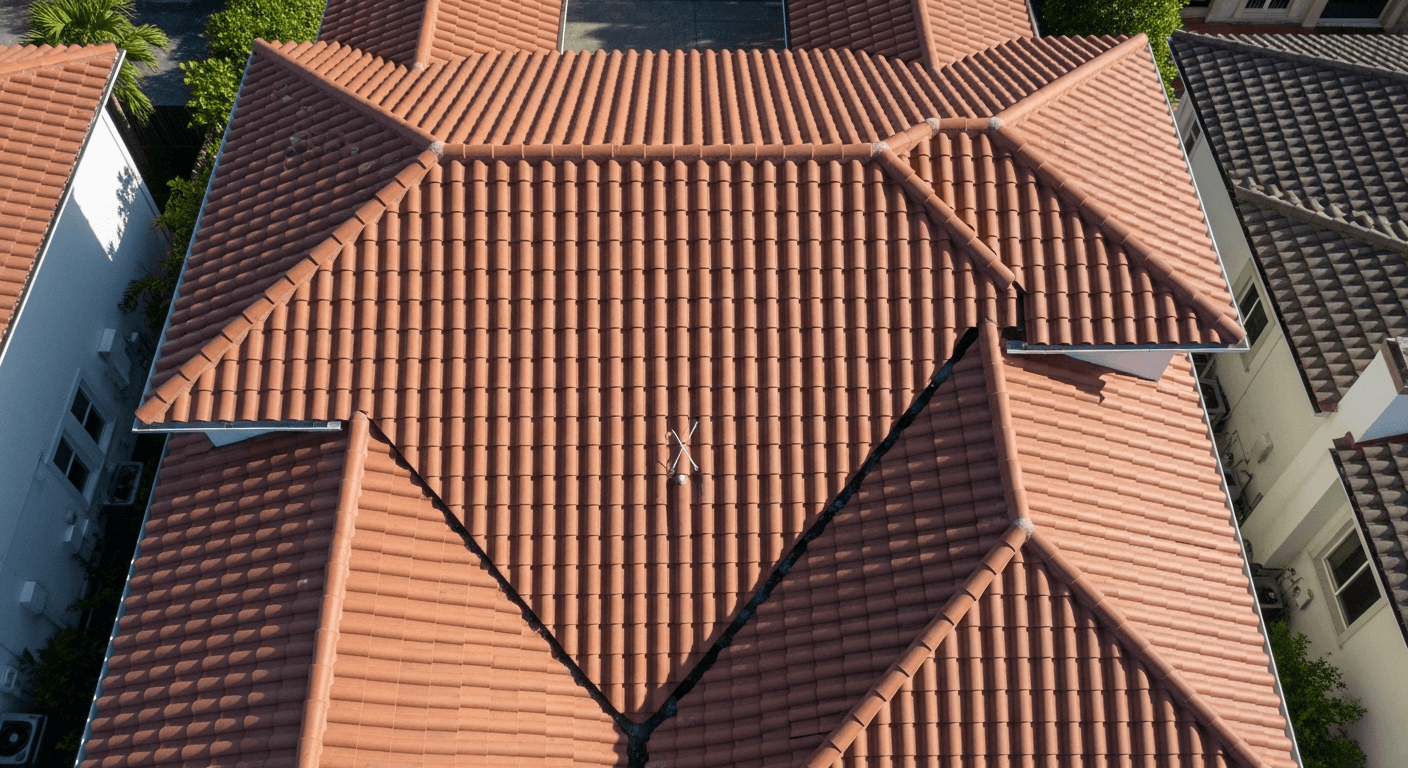
Everything Miami homeowners need to know about professional roof inspections . what inspectors check, how much it costs, how often you need one, and how inspections save you thousands in preventable damage.
Read More
Florida insurance rates are dropping for the first time since 2015. Learn how combining market rate decreases with strategic roof upgrades can save Miami homeowners $1,400-$2,600 per year on premiums.
Read More