How to Choose the Best Roofing Contractor in Miami
How to Spot a Real Miami Roofer (And Avoid the Storm Chasers)
After every hurricane season in Miami, the storm chasers show up. Out-of-state "contractors" in unmarked trucks knock on doors offering free inspections, demand cash upfront, and disappear after cashing the insurance check. I've seen it happen in Kendall after Irma, in Homestead after Andrew, and across every suburban Miami neighborhood after every major storm. The playbook doesn't change, and homeowners keep getting burned.
Hiring a real Miami roofer isn't complicated. It's six verification steps that take 30 minutes total, and they'll save you from the nightmare of a failed roof, voided warranty, and $40,000 in additional repair costs. I've been running Extreme Roofing since 2004, and I want you to know how to spot a legitimate contractor from a distance, whether or not you hire us.
Why Miami Is Different From Every Other Roofing Market
A contractor who installs perfect roofs in Atlanta, Dallas, or Orlando can still fail a Miami job because they don't understand the HVHZ requirements, the Miami-Dade NOA system, the enhanced fastener schedules, or the three-inspection permit process. Miami-Dade enforces the strictest building code in the country, and most out-of-area contractors learn the hard way.
When you hire the wrong contractor in Miami, the consequences compound:
- Failed county inspections requiring costly rework and weeks of delay
- Voided manufacturer warranties because installation didn't follow HVHZ specs
- Insurance claim denials when damage occurs on non-compliant roofing
- Code violations discovered during a future home sale
- Catastrophic roof failures during the first hurricane
A bad Miami roof job doesn't show up on installation day. It shows up in year 3, 5, or 10 when your roof fails during a storm and your insurance carrier denies the claim because the product doesn't have a Miami-Dade NOA.
Step 1: Verify the Florida License
Florida law requires every roofing contractor to hold an active state license. There are two types:
- CCC (Certified Roofing Contractor): Can work anywhere in Florida. Highest level roofing license.
- CRC (Registered Roofing Contractor): Can work only in the specific county where registered.
For Miami-Dade work, verify the contractor holds one of these and also a local Miami-Dade Certificate of Competency. Both documents are required by law.
To verify: Go to myfloridalicense.com, search by contractor name or license number, confirm the license is active (not expired, suspended, or revoked), and check for disciplinary actions or complaints on file. Takes about 3 minutes.
A legitimate roofing contractor will show you both documents without hesitation. If they dodge the question or delay providing documentation, walk away.
Step 2: Confirm Insurance Coverage
Every legitimate Miami roofer carries two insurance policies:
Workers' compensation insurance. Florida law requires workers comp for construction companies with one or more employees. If a worker falls off your roof and the contractor doesn't carry workers comp, you as the homeowner can be personally liable for medical bills and lost wages. This is not hypothetical. It's happened to Miami homeowners who hired unlicensed "friend of a friend" roofers.
General liability insurance. Covers damage to your property caused by the contractor's work. Crews drop tools through skylights, dumpsters scratch driveways, ladders damage gutters. Good contractors carry minimum $1 million general liability coverage.
How to verify:
1. Request a Certificate of Insurance (COI) directly from the contractor
2. Call the insurance company listed to confirm the policy is active
3. Verify coverage amounts (minimum $1M GL, required workers comp)
4. Make sure policy dates cover your project timeline
Get the COI before signing anything. Contractors who delay or refuse to provide it are not carrying coverage.
Step 3: Evaluate HVHZ Experience (The Deal-Breaker)
This is where most out-of-area contractors fail. Miami-Dade HVHZ requires specific knowledge that general roofing experience doesn't provide. Ask every contractor:
- How many roofing projects have you completed in Miami-Dade County in the last 12 months? Look for 30+. Under 15 means they don't do this regularly.
- Can you provide specific Miami-Dade NOA numbers for every product you plan to install? They should be on the bid sheet. If they can't name specific NOA numbers, they're not HVHZ-compliant.
- Have you had any Miami-Dade inspection failures in the last 12 months? Honest contractors will admit to occasional minor issues. Someone claiming zero failures ever is either lying or doesn't do enough volume to have data.
- Who pulls the permit and schedules the three required inspections? The contractor should handle all permit and inspection logistics.
- What's your deck re-nail schedule for pre-1994 Miami homes? Correct answer: ring-shank nails at 6 inches on edges and 6 inches in the field, or tighter per NOA requirements.
If a contractor hesitates or can't answer these quickly, they don't work in HVHZ regularly. Find someone else.
Step 4: Check Reviews and Reputation Properly
Online reviews matter, but most homeowners read them wrong. Here's what to actually look for:
Platforms to check:
- Google Business Profile: Overall rating, total review count, customer photo uploads
- Better Business Bureau: Accreditation status, complaint count, complaint resolution patterns
- Yelp: Detailed project descriptions with before/after photos
- Angi (formerly Angie's List): Verified purchase reviews
- Facebook: Community engagement and response to complaints
- Florida DBPR: Formal complaints and disciplinary actions filed with the state
How to read reviews correctly:
Look for patterns, not individual reviews. One negative among 50 positive is normal. Ten complaints about the same issue (missed deadlines, quality problems, poor communication) is a red flag.
Check specifics. Reviews mentioning project details (material used, timeline, crew behavior) are more credible than vague "great job" reviews.
Read the negative reviews carefully. How the company responds to complaints tells you more than the complaint itself. Professional, measured responses with resolution offers indicate a real business. Defensive or aggressive responses indicate problems.
Verify review dates. Great reviews from 4 years ago mean nothing if there's nothing recent. Ownership or management may have changed.
Step 5: Get Written Estimates From 3 to 5 Contractors
Always get at least 3 written estimates before committing. More is better. A proper Miami roofing estimate should include:
- Detailed scope of work: exactly what's being removed, repaired, or installed
- Material specifications: brand names, product lines, Miami-Dade NOA numbers
- Labor costs: broken out separately from materials
- Permit fees: Miami-Dade permit cost with who's pulling it
- Project timeline: start date, estimated completion, inspection milestones
- Payment schedule: when payments are due, what triggers each payment
- Warranty terms: manufacturer warranty and contractor workmanship warranty
- Cleanup and disposal: dumpster rental, debris removal, magnet-sweep
Red flags in estimates:
- Verbal-only estimates. Legitimate contractors always provide written estimates.
- Suspiciously low pricing. If one quote is 30 percent below the others, they're cutting corners or planning change orders.
- Vague line items. "Roofing work: $18,000" tells you nothing. Demand specifics.
- Large upfront deposits. Florida Statute 489.126 caps contractor deposits at 10 percent of contract price or $1,000 (whichever is less) for permit-required projects. Any contractor demanding more is violating state law.
Step 6: Read the Contract Before Signing
Before signing, your roofing contract should clearly address:
- Complete scope of work matching the estimate
- Total project cost with itemized payment schedule
- Material specifications including brand, model, color, and NOA numbers
- Start and completion dates with weather delay provisions
- Permit responsibility (contractor should pull all permits)
- Lien waiver provisions protecting you from subcontractor claims
- Change order process requiring written approval for scope changes
- Warranty terms for both materials and workmanship (minimum 2 year workmanship)
- Dispute resolution process
Florida-specific contract requirements:
Under Florida law, roofing contracts must include:
- The contractor's license number
- A statement of your right to cancel within 3 business days (for contracts signed at your home)
- Notice that the contractor can't file an insurance Assignment of Benefits without your explicit written consent
Read every word. If anything is unclear, ask for clarification in writing before signing.
The Red Flags That Mean "Walk Away Immediately"
After every hurricane in Miami, out-of-state contractors flood the area. Here are the warning signs:
Storm chaser tactics:
- Knocks on your door unsolicited after a storm
- Out-of-state license plates on work vehicles
- No verifiable local office or address
- High-pressure to sign immediately before you can research
- Offers to pay or waive your insurance deductible (illegal in Florida)
Cash-only demands. Any contractor insisting on cash payment is avoiding a paper trail. Legitimate contractors accept checks, credit cards, and financing. Cash-only usually means unlicensed, tax-evading, or planning to disappear.
No written estimates or contracts. If they won't put pricing and scope in writing, don't hire them. Ever.
Deductible waiving. In Florida, it's illegal for a contractor to waive, absorb, or pay your insurance deductible. This is insurance fraud and can result in criminal charges for both the contractor and the homeowner.
Skipping permits. Every Miami-Dade roofing project requires a permit. A contractor who suggests working without one is putting you at serious legal and financial risk. Unpermitted work triggers fines, required removal, and future home sale problems.
Why Local Matters (Code Compliance and Warranty Service)
Hiring a local Miami contractor isn't about hometown loyalty. It's about code compliance, accountability, and practical access over the life of your roof:
- Code knowledge: Miami-Dade HVHZ requirements change with every code cycle. Local contractors stay current because their business depends on it.
- Product relationships: Local roofers have established relationships with Miami-Dade suppliers who stock NOA-approved materials. Out-of-state contractors often bring non-approved products.
- Inspector relationships: Experienced local contractors know the Miami-Dade inspection process, the inspectors' expectations, and how to schedule efficiently.
- Warranty service: If a warranty issue comes up 3 years after installation, a local company is accessible. An out-of-state contractor is gone.
- Hurricane response: When a storm hits, local contractors prioritize existing customers. Out-of-state companies are nowhere to be found.
We've operated from 4446 SW 74th Avenue in Miami since 2004. We work under Miami-Dade code every single day. Our crews are local, our materials come from Miami-Dade suppliers, and we're here for warranty service whenever you need it.
The 10-Question Interview Checklist
Use this checklist during your contractor interviews. Any hesitation on these questions is a red flag:
- What's your Florida roofing license number (CCC or CRC)?
- Can you provide a current Certificate of Insurance showing workers comp and general liability?
- How many Miami-Dade HVHZ projects have you completed in the last 12 months?
- Do you pull all permits and schedule all three inspections?
- Can you provide references from projects completed in my zip code in the last 6 months?
- What manufacturer certifications do you hold (GAF Master Elite, Owens Corning Platinum, etc.)?
- What specific Miami-Dade NOA numbers are you quoting for my roof?
- What's your workmanship warranty, and what does it cover?
- How do you handle change orders during the project?
- Who will be the on-site project supervisor, and how do I reach them?
Ready for a Real Quote?
Call us at 305-225-1535 or request a free estimate. We'll provide every document you need to verify our credentials: Florida CCC license, Miami-Dade Certificate of Competency, Certificate of Insurance, manufacturer certifications, and references from recent Miami-Dade projects. No pressure, no storm chaser tactics, no cash-only games. Just a detailed written quote with specific NOA numbers and transparent pricing.
Frequently Asked Questions
What license should a roofing contractor have in Florida?
A roofing contractor in Florida must hold either a CCC (Certified Roofing Contractor) license, which allows them to work statewide, or a CRC (Registered Roofing Contractor) license for their specific county. In Miami-Dade, contractors also need a local Certificate of Competency. Verify any license at myfloridalicense.com before hiring.
How do I check if a roofing contractor is insured in Miami?
Request a Certificate of Insurance directly from the contractor showing both workers' compensation and general liability coverage. Call the insurance company listed on the certificate to verify the policy is active and the coverage dates span your project timeline. A legitimate contractor will provide this documentation without hesitation.
What are the biggest red flags when hiring a roofer in Miami?
The biggest red flags include door-to-door solicitation after storms, demanding cash-only payment, refusing to provide a written estimate, offering to waive your insurance deductible (which is illegal in Florida), suggesting you skip the building permit, pressure to sign immediately, and having no verifiable local address or office.
How many estimates should I get for a roofing project?
Get at least three written estimates from licensed, insured contractors. Compare the detailed scope of work, material specifications with NOA numbers for Miami-Dade HVHZ compliance, labor costs, permit fees, project timeline, and warranty terms. Be cautious of any estimate that is significantly lower than the others.
Why should I hire a local Miami roofing contractor instead of an out-of-state company?
Local Miami contractors understand the specific HVHZ code requirements, stock Miami-Dade approved materials, know the inspection process, and are available for warranty service years after installation. Out-of-state contractors often bring non-approved products, lack code knowledge, and are unavailable if problems arise after the project is complete.
Need Roofing Help?
Whether you need an inspection, repair, or full replacement, our team of licensed roofing professionals is ready to help. Serving South Florida since 2004.
Related Articles
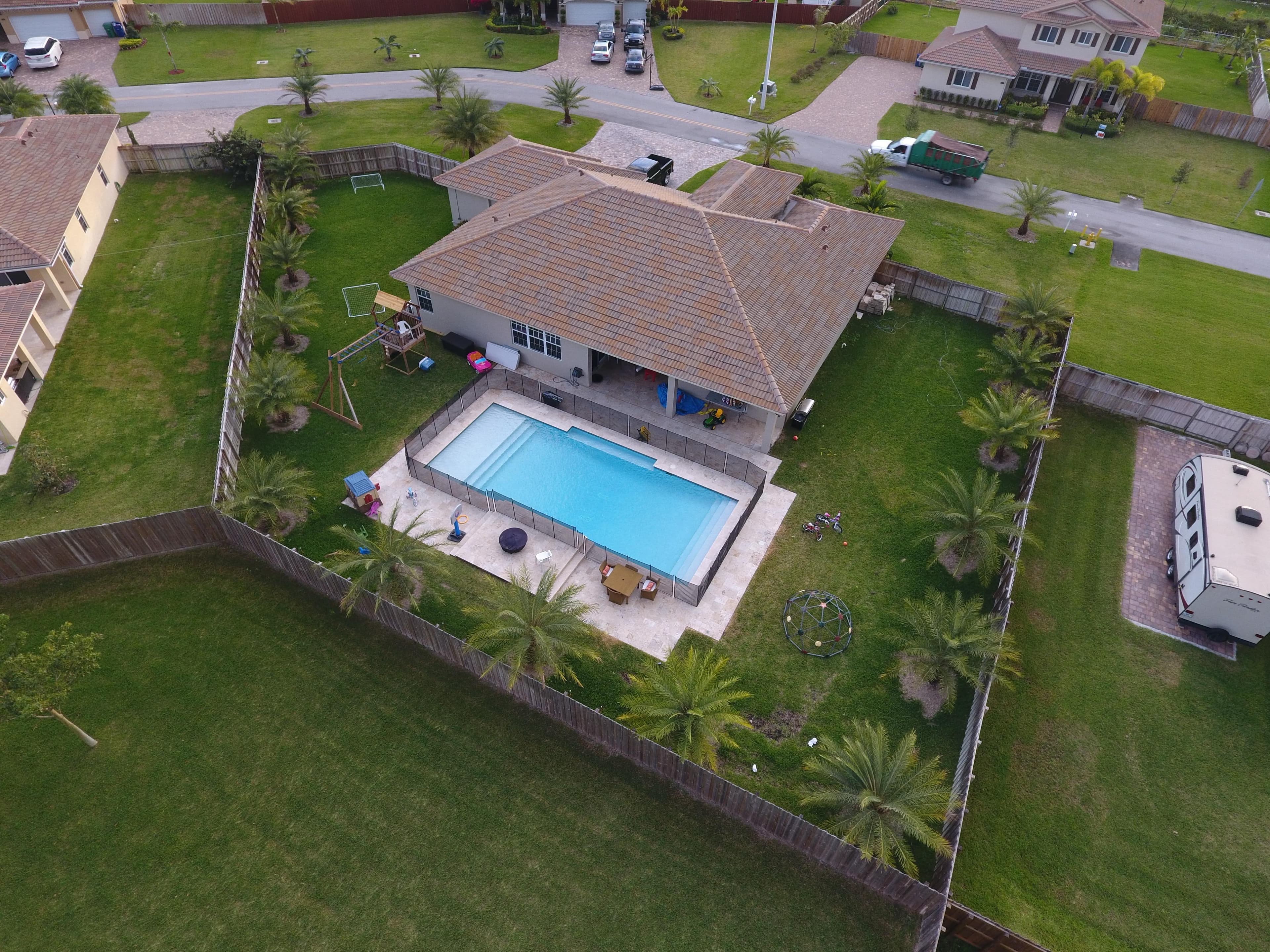
Florida insurance rates are dropping for the first time since 2015. Learn how combining market rate decreases with strategic roof upgrades can save Miami homeowners $1,400-$2,600 per year on premiums.
Read More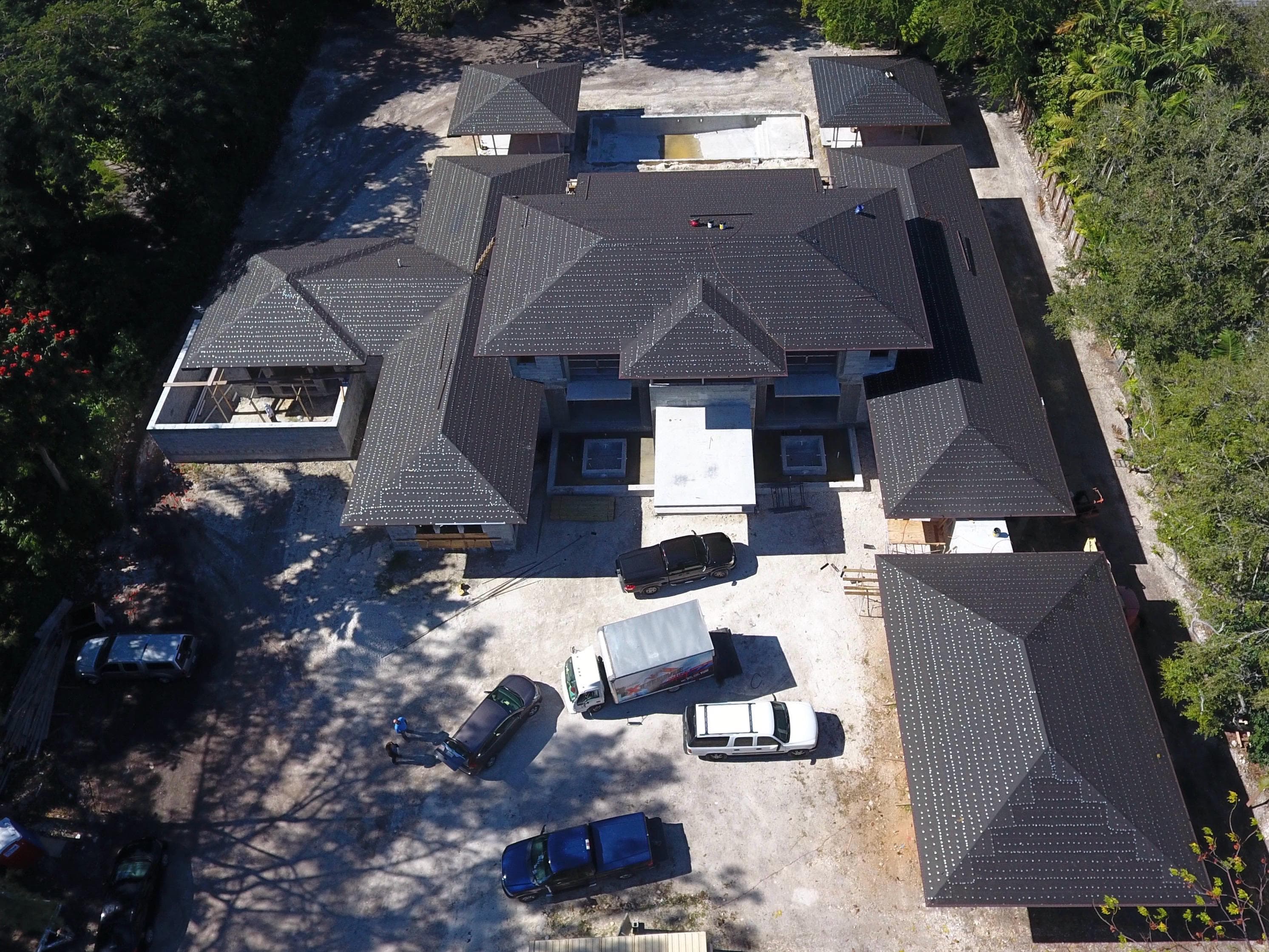
My Safe Florida Home Grant 2026: Get Up to $10,000 for Roof Hardening (Before Funding Runs Out)
The My Safe Florida Home program has $270 million available for roof hardening grants up to $10,000, but the legislature has not approved new funding for 2027. Learn how to apply and maximize your grant.
Read More