Commercial Roof Repair in Miami: A Property Manager's Guide
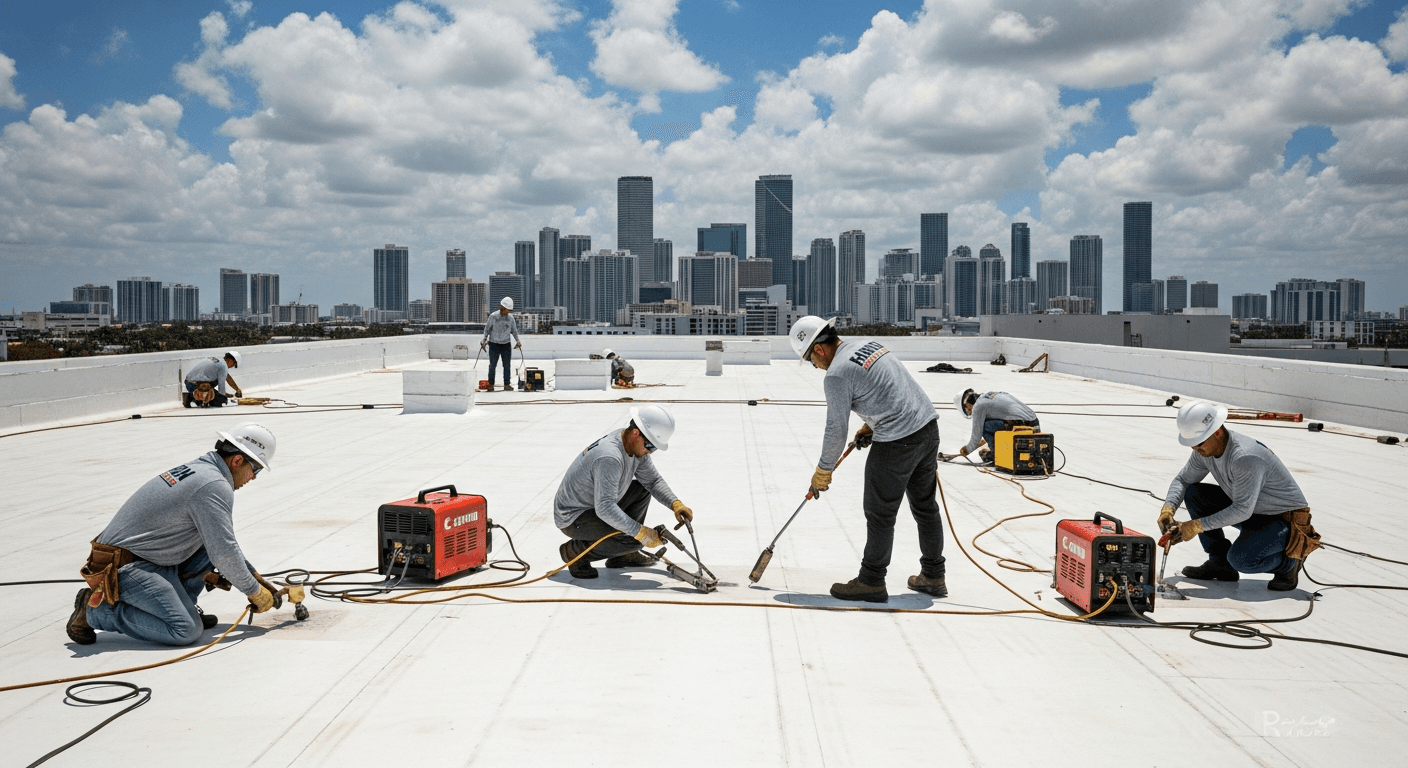
A Miami Property Manager's Guide to Commercial Roof Repair
I work with dozens of Miami property management firms across Brickell, Downtown, Wynwood, Doral, Medley, Hialeah, and the rest of Miami-Dade County. Commercial roofing is 40 percent of my business and I've seen every failure mode imaginable on flat roofs, metal roofs, and mixed commercial properties.
If you're a Miami property manager reading this, here's what I know about your situation: your commercial roof is probably costing you more in deferred maintenance than it would cost to maintain properly. You're probably getting 2-3 emergency leak calls a year that could have been prevented with quarterly inspections. And you're probably carrying repair costs that should have been amortized over the roof's full 25-year lifespan instead of concentrated in the last 5 years of its life.
This guide walks through how I handle commercial roof repair for Miami property managers: proactive maintenance programs that extend roof lifespan by 8 to 15 years, common failure modes with realistic repair costs, and how to budget for commercial roof work across an entire property portfolio.
Understanding Miami's Commercial Roofing Challenges
Miami's subtropical climate creates unique challenges for commercial roofs that don't exist in other markets. Here's what property managers need to understand:
Climate-Specific Damage
UV Exposure : Miami receives some of the highest UV radiation levels in the United States. This constant exposure degrades roofing materials faster than in northern climates, particularly affecting:
- TPO and PVC membrane surfaces
- Modified bitumen cap sheets
- EPDM rubber roofing
- Protective coatings and sealants
Heavy Rainfall : With over 60 inches of annual rainfall, Miami's commercial roofs must handle massive water volumes. Poor drainage systems can lead to ponding water, which accelerates membrane deterioration and increases leak risks.
Hurricane Season : From June through November, your commercial roof must withstand potential Category 3-5 hurricanes with winds exceeding 120 mph. Even minor maintenance issues can become catastrophic during storm events.
Common Commercial Roof Types in Miami
Understanding your roof system is crucial for effective maintenance planning:
TPO (Thermoplastic Polyolefin) : The most popular choice for new Miami commercial installations due to heat-reflective white surfaces and strong wind resistance. Learn more about TPO installation.
Modified Bitumen : Still common in older buildings, these multi-ply systems offer good durability but require regular maintenance and recoating.
Built-Up Roofing (BUR) : Traditional tar and gravel systems that perform well in Miami's climate but are heavy and require professional maintenance.
Metal Roofing : Increasingly popular for low-slope commercial applications, offering excellent hurricane resistance and longevity. Explore metal roofing options.
Identifying Commercial Roof Problems Early
Early detection saves thousands in repair costs. Property managers should watch for these warning signs:
Interior Warning Signs
- Water stains on ceilings or walls: Even small discoloration indicates active or past leaks
- Musty odors: Suggest hidden moisture problems in insulation or deck
- Visible mold growth: Indicates prolonged moisture exposure requiring immediate attention
- Tenant complaints: Take reports of drips or ceiling damage seriously
Exterior Warning Signs
- Ponding water: Any water remaining 48 hours after rain indicates drainage problems
- Membrane blistering: Bubbles or raised areas suggest moisture trapped beneath the surface
- Seam separation: Gaps in membrane seams are common failure points
- Flashing damage: Look for rusted, cracked, or separated flashing around penetrations
- Punctures or tears: From foot traffic, debris, or equipment installation
Equipment and Penetration Issues
Commercial roofs in Miami typically have numerous penetrations for HVAC units, exhaust vents, and other equipment. These are common leak sources requiring regular inspection:
- Curb flashings around HVAC units
- Pipe boot deterioration
- Vent caps and covers
- Skylight seals
- Parapet wall caps
Emergency vs. Scheduled Repair Protocols
Effective property management requires clear protocols for different repair scenarios.
Emergency Repair Situations
Contact a commercial roofing contractor immediately for:
- Active leaks: Especially those affecting electrical systems, inventory, or tenant spaces
- Storm damage: Post-hurricane inspections and temporary repairs
- Structural concerns: Sagging, soft spots, or visible deck damage
- Major equipment failure: HVAC curb failures or large membrane tears
Emergency Protocol : Document damage with photos, implement temporary tenant protections, contact your roofing contractor, and notify insurance carriers within 24 hours for storm-related damage.
Planned Maintenance Repairs
Schedule these during regular maintenance windows:
- Minor membrane patches
- Seam reinforcement
- Flashing replacement
- Drain cleaning and maintenance
- Coating reapplication
- Minor equipment curb repairs
Best Practice : Schedule major maintenance during Miami's dry season (November through April) to minimize weather-related delays and ensure proper adhesive curing.
Cost Management Strategies for Property Managers
Commercial roof repairs vary widely in cost based on scope, materials, and building access challenges.
Typical Miami Commercial Repair Costs
- Minor membrane patches: $500-$2,000 per repair area
- Flashing replacement: $1,500-$5,000 depending on linear footage
- Drain system repairs: $800-$3,000 per drain
- Coating reapplication: $2-$4 per square foot
- Major section replacement: $15-$25 per square foot
Budget Planning Tips
Annual Reserve Funding : Allocate 1-2% of replacement cost annually for maintenance and repairs. For a $150,000 roof, budget $1,500-$3,000 yearly.
Multi-Year Maintenance Contracts : Lock in pricing and ensure priority service with annual maintenance agreements. Most contractors offer 10-15% discounts for multi-year commitments.
Insurance Optimization : Maintain detailed maintenance records to support insurance claims. Learn about roof insurance claims.
Energy Efficiency Incentives : White TPO and coated roofs may qualify for utility rebates through FPL's Commercial Energy Conservation program.
Maintenance Programs That Prevent Major Repairs
Proactive maintenance dramatically extends roof lifespan and reduces emergency repair costs.
Recommended Inspection Schedule
- Quarterly inspections: Before and after hurricane season (May and November), plus mid-season checks
- Post-storm inspections: Within 72 hours after any tropical storm or hurricane
- Annual comprehensive assessment: Detailed report with prioritized repair recommendations
- Equipment service visits: Coordinate with HVAC maintenance for curb and flashing inspections
What Professional Inspections Should Include
A thorough commercial roof inspection covers:
- Membrane condition assessment: Overall integrity, seam strength, material degradation
- Drainage system evaluation: Gutter function, drain condition, slope verification
- Flashing and penetration checks: All equipment curbs, vents, and wall transitions
- Insulation assessment: Signs of moisture infiltration or compression
- Structural deck inspection: Where accessible, check for deterioration or damage
- Documentation: Photos, detailed findings, and prioritized repair recommendations
Preventive Maintenance Tasks
Regular maintenance should include:
- Drain cleaning and debris removal (quarterly minimum)
- Minor seam sealing before problems develop
- Flashing caulk renewal on annual cycle
- Equipment curb inspection and maintenance
- Vegetation removal (Miami's climate encourages growth in ponded areas)
- Surface cleaning to maintain reflective properties
Explore our commercial maintenance programs designed specifically for Miami property managers.
Working With Commercial Roofing Contractors
Selecting the right contractor makes the difference between successful repairs and ongoing problems.
Contractor Qualification Checklist
Verify your contractor meets these minimum standards:
- Florida state licensing: Required General Contractor or Roofing Contractor license
- Insurance coverage: Minimum $2M general liability and workers' compensation
- Manufacturer certifications: GAF, Carlisle, or other major manufacturer programs
- Local experience: Demonstrated Miami commercial roofing experience
- References: Recent commercial property manager references
- Safety programs: OSHA compliance and documented safety protocols
Getting Accurate Repair Quotes
Request detailed proposals that specify:
- Exact scope of work and materials
- Square footage or linear footage of repairs
- Warranty terms (materials and labor)
- Project timeline and completion date
- Payment schedule tied to milestones
- Weather contingency plans
- Tenant protection measures
Red Flags : Avoid contractors who pressure immediate decisions, require full payment upfront, or can't provide current insurance certificates.
Tenant Communication Best Practices
Effective communication minimizes disruption and maintains positive tenant relationships.
Before Repair Work Begins
- Provide 72-hour minimum notice for scheduled repairs
- Explain scope, timeline, and potential impacts
- Identify specific affected areas or units
- Establish communication contact for questions or concerns
- Address parking, access, and noise expectations
During Repair Projects
- Daily progress updates for major projects
- Immediate notification of unexpected issues affecting tenants
- Clear communication about access restrictions
- Regular debris cleanup and site maintenance
- Responsive handling of tenant concerns
After Project Completion
- Final walkthrough and quality verification
- Documentation of completed work
- Warranty information and coverage details
- Updated maintenance schedule communication
- Tenant feedback opportunity
Building Code and Permit Requirements
Miami-Dade County has some of the strictest building codes in the nation due to hurricane exposure.
When Permits Are Required
Miami-Dade requires permits for:
- Roof replacements (always)
- Repairs exceeding 25% of roof area
- Structural modifications or deck repairs
- Equipment curb installations or modifications
- Work affecting building envelope
Permitting Process
Your contractor should handle:
- Permit application and fee payment
- Engineering calculations (if required)
- Code compliance verification
- Inspection scheduling
- Certificate of completion
Timeline : Expect 2-4 weeks for permit approval on straightforward repairs, longer for complex projects requiring engineering review.
Hurricane Preparedness for Commercial Roofs
Miami property managers must prepare commercial properties for hurricane season annually.
Pre-Season Preparation (April-May)
- Complete comprehensive roof inspection
- Address all identified repair needs
- Clean and verify drainage systems
- Secure or remove loose rooftop equipment
- Document roof condition with photos
- Review insurance coverage and claims procedures
Post-Storm Response
After any tropical storm or hurricane:
- Safety first: Only inspect when conditions are safe
- Document damage: Photos and video before any temporary repairs
- Temporary protection: Tarps or emergency repairs to prevent further damage
- Professional inspection: Schedule within 72 hours
- Insurance notification: File claims promptly with documentation
Read our complete hurricane preparation guide for detailed protocols.
Return on Investment: Repair vs. Replacement
Understanding when to repair versus replace saves money long-term.
Repair Makes Sense When:
- Roof is less than halfway through expected lifespan
- Damage is localized to specific areas
- Overall system condition is good
- Cost is less than 30% of replacement cost
- No underlying deck or structural issues
Consider Replacement When:
- Multiple repair areas indicate systemic failure
- Roof has exceeded manufacturer warranty period
- Energy costs are high due to poor insulation
- Frequent leak problems despite repairs
- Insurance companies require upgrades for coverage
Professional Assessment : Request honest evaluation from contractors without replacement sales pressure. Extreme Roofing provides transparent recommendations focused on your building's best interest.
Conclusion: Proactive Management Protects Your Investment
Commercial roof repair in Miami requires balancing immediate needs with long-term planning. Property managers who implement regular inspection schedules, budget appropriately for maintenance, and work with qualified contractors minimize emergency repairs and extend roof lifespan significantly.
Key Takeaways for Miami Property Managers:
- Schedule quarterly inspections minimum, including pre and post-hurricane season
- Budget 1-2% of roof replacement cost annually for maintenance
- Address small problems immediately before they escalate
- Maintain detailed records for insurance and tenant communication
- Establish relationships with qualified contractors before emergencies arise
- Understand your specific roof system's maintenance requirements
Extreme Roofing Inc. has served Miami property managers since 2004 with responsive service, transparent pricing, and quality workmanship. Our GAF Master Elite certification and 5,000+ completed projects demonstrate our commitment to commercial roofing excellence.
Need a commercial roof inspection or repair quote? Contact Extreme Roofing at 305-225-1535 or request your free estimate online. We provide detailed assessments with prioritized recommendations and no-pressure pricing.
Frequently Asked Questions
How often should commercial roofs in Miami be inspected?
Miami commercial roofs should be inspected quarterly at minimum. before hurricane season (May), after hurricane season (November), and twice during the season. Additionally, inspect within 72 hours after any tropical storm or hurricane. Annual comprehensive inspections should be performed by certified roofing professionals to identify issues before they become costly problems.
What's the average cost to repair a commercial roof in Miami?
Commercial roof repair costs in Miami vary significantly based on scope. Minor membrane patches range from $500-$2,000, flashing replacement costs $1,500-$5,000, and major section replacement runs $15-$25 per square foot. Most property managers should budget 1-2% of total roof replacement cost annually for maintenance and repairs. Request detailed quotes from licensed contractors for accurate pricing specific to your building.
Do commercial roof repairs in Miami require permits?
Miami-Dade County requires permits for roof replacements, repairs exceeding 25% of roof area, structural modifications, and work affecting the building envelope. Minor patches and maintenance typically don't require permits. Your contractor should handle all permitting, which takes 2-4 weeks for approval. Always verify your contractor pulls required permits. working without permits can void warranties and create insurance issues.
How long does a typical commercial roof repair take in Miami?
Timeline depends on repair scope and weather. Minor patches can be completed in 4-8 hours, flashing replacement takes 1-3 days, and major section replacements may require 1-2 weeks. Miami's afternoon thunderstorms often delay work during summer months. Schedule major repairs during the dry season (November-April) when possible. Your contractor should provide specific timeline estimates based on your project scope.
What should property managers look for when hiring a commercial roofing contractor in Miami?
Verify Florida state licensing (General or Roofing Contractor), minimum $2M general liability insurance, workers' compensation coverage, manufacturer certifications (like GAF Master Elite), and Miami commercial experience. Request recent property manager references, review safety programs, and ensure detailed written proposals. Avoid contractors pressuring immediate decisions or requiring full payment upfront. Extreme Roofing maintains all certifications and has served Miami property managers since 2004.
Need Roofing Help?
Whether you need an inspection, repair, or full replacement, our team of licensed roofing professionals is ready to help. Serving South Florida since 2004.
Related Articles
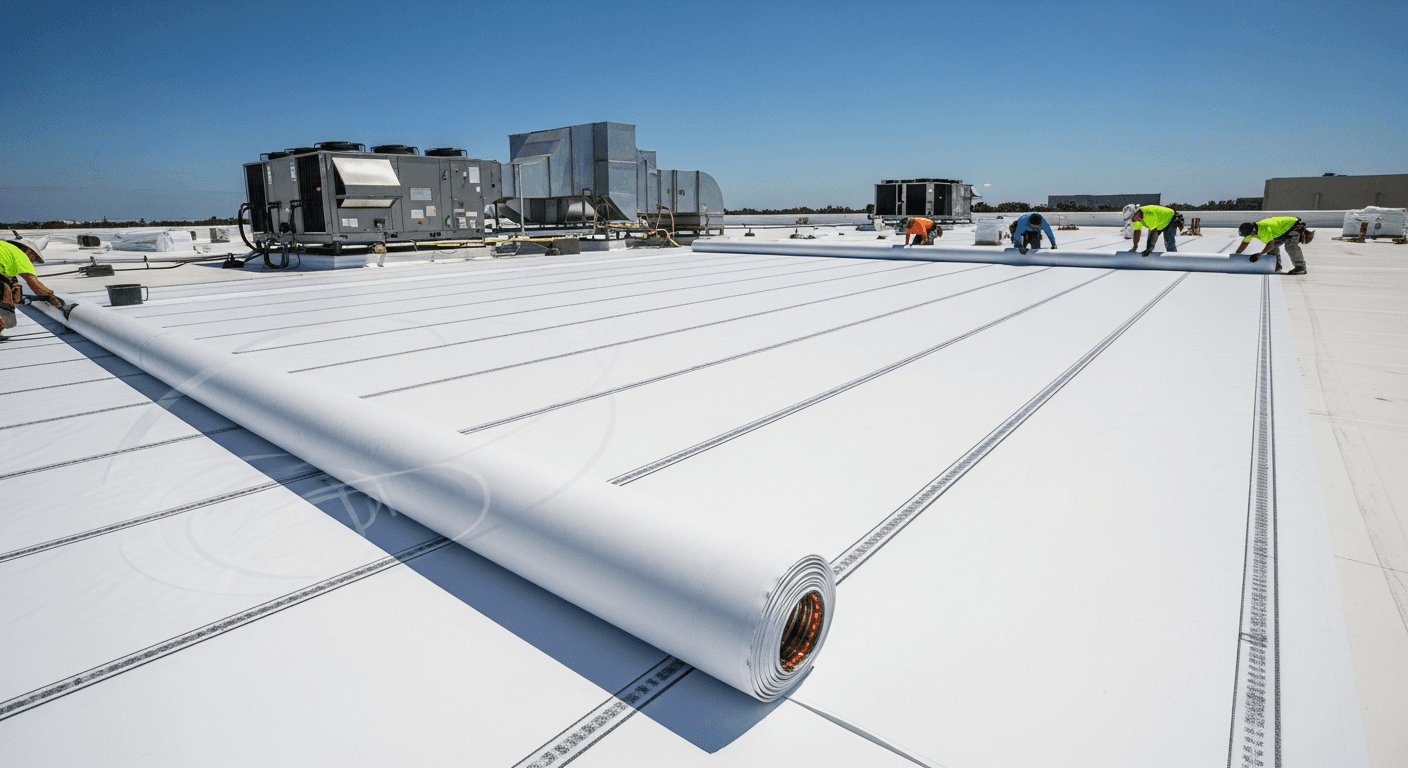
Everything Miami building owners need to know about TPO roofing. from benefits and installation process to costs and maintenance requirements.
Read More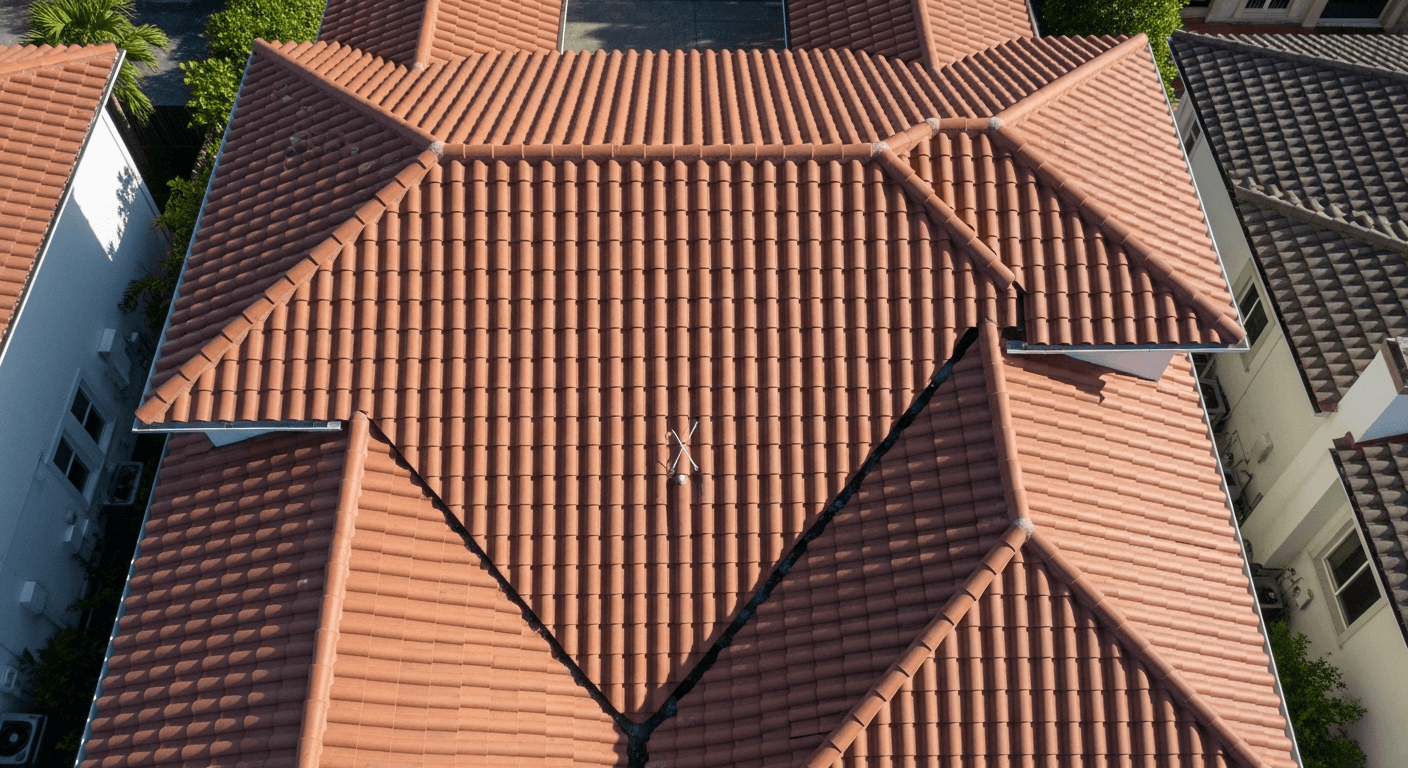
Everything Miami homeowners need to know about professional roof inspections . what inspectors check, how much it costs, how often you need one, and how inspections save you thousands in preventable damage.
Read More