
Filing a Roof Insurance Claim in Miami: Step-by-Step Guide
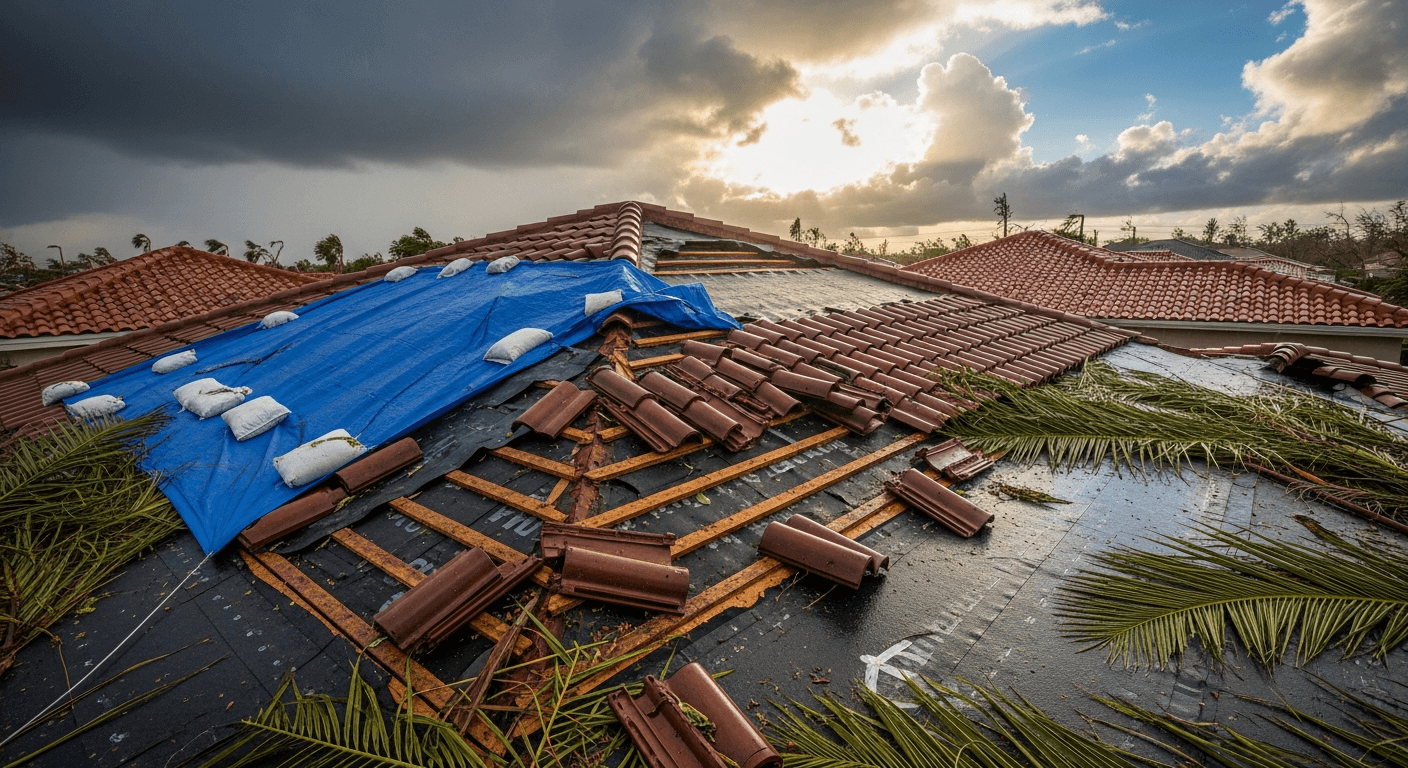
How to File a Miami Roof Insurance Claim That Actually Gets Paid
I've helped hundreds of Miami homeowners file roof insurance claims since 2004. The ones who get full payouts all follow the same pattern: fast documentation, fast insurer notification, independent contractor inspection before the adjuster arrives, and thorough documentation at every step. The ones who get denied or underpaid almost always skip one of these steps or make one of the common mistakes that give carriers grounds to reduce the claim.
Florida's insurance market has been tough on homeowners since 2022. Carriers are scrutinizing every claim, looking for reasons to deny or reduce payouts, and using delayed reporting as grounds for denial. You can't control those macro factors, but you can control your process. If you file your claim correctly, document everything, and push back on unreasonable denials, you can still get the full settlement you're entitled to.
Here's the exact step-by-step process I walk every Miami client through when they file a roof insurance claim after a hurricane or storm event.
Step 1: Ensure Safety First
Before documenting anything, ensure your family's safety. Stay away from visibly damaged areas of your home. Do not walk on a damaged roof. it may be structurally compromised. Watch for downed power lines near your home. If structural damage is severe, consider temporary relocation. Turn off electricity if water is entering the home near electrical systems.
Document the Date and Time : Note exactly when the storm occurred and when you first noticed damage. This timestamp matters for your claim timeline.
Step 2: Document All Damage Thoroughly
Documentation is the single most important factor in a successful roof insurance claim. Insurance companies make decisions based on evidence, and more documentation is always better than less.
Photo and Video Documentation
Exterior Documentation : Photograph all visible roof damage from multiple angles. Capture wide shots showing the overall roof and close-ups of specific damage. Document missing shingles, cracked tiles, lifted flashing, and debris impacts. Photograph gutters, fascia, and soffit damage. Document any ground-level evidence. shingles in the yard, broken tiles, debris. Photograph damage to other structures (fences, screen enclosures, sheds).
Interior Documentation : Photograph ceiling water stains, drips, and leaks. Document water-damaged drywall, insulation, or personal property. Capture water entry points and the path of water intrusion. Photograph any mold or moisture development (this may appear days later).
Video Walk-Through : Record a narrated video walking through all damage. State the date, your address, and describe what you're seeing. Pan slowly to capture context, then zoom in on specific damage. Include both interior and exterior documentation.
Written Documentation
Keep a Damage Log : Record the date and time damage was discovered, the weather event that caused damage, a description of all damage found, any temporary repairs performed, all communication with the insurance company (dates, names, reference numbers), and receipts for any emergency expenses.
Preserve Evidence : Keep damaged materials (shingles, tiles, etc.) for adjuster inspection. Don't make permanent repairs until the adjuster has inspected. Save all receipts for emergency/temporary repairs. Photograph temporary repairs you make.
Step 3: Make Emergency Temporary Repairs
Florida law requires homeowners to take reasonable steps to prevent further damage. This is called your "duty to mitigate." Failure to mitigate can reduce your claim payment.
Acceptable Temporary Repairs
Roof Tarping : Cover damaged areas with blue tarps secured with sandbags, screws, or nails. This prevents additional water intrusion while you wait for permanent repairs.
Board-Up : Secure broken windows or openings that expose your home to weather.
Water Extraction : Remove standing water to prevent mold growth and additional damage.
Debris Removal : Clear debris that could cause further damage or safety hazards.
Critical Rules for Temporary Repairs
Document everything before, during, and after temporary repairs. Keep all receipts for materials and labor. Take reasonable steps to prevent further damage. Make only temporary, not permanent, repairs. Do not make permanent repairs before the adjuster inspects. Do not dispose of damaged materials before documentation. Do not hire unlicensed contractors for emergency work. Do not sign any contracts for permanent work until your claim is processed.
Cost Recovery : Your insurance policy typically covers reasonable temporary repair costs. Keep all receipts. these are reimbursable as part of your claim.
Learn about emergency storm damage repairs available in Miami.
Step 4: File Your Claim Promptly
Time matters in Florida roof insurance claims. File your claim as soon as possible after discovering damage.
How to File
Contact your insurance company's claims department (number on your insurance card or declarations page). You can also file online through most carriers' websites or apps.
Information You'll Need : Policy number, date and cause of damage, description of damage, your contact information, and whether the home is habitable.
What Happens When You File : You receive a claim number. write this down and reference it in all future communications. The insurer assigns an adjuster to your claim. You'll be contacted to schedule an adjuster inspection. The insurer has specific timeframes to respond per Florida law.
Florida Claims Timeline Requirements
Florida law (Section 627.70131) sets deadlines for insurance companies. The insurer must acknowledge your claim within 14 days of filing. They must begin investigation within 14 days of receiving your claim. They must approve or deny within 90 days (unless extraordinary circumstances exist). If approved, payment must be issued within 20 days of the decision.
If your insurer misses these deadlines, contact the Florida Department of Financial Services at 1-877-693-5236.
Step 5: Work With the Insurance Adjuster
The adjuster inspection is where your claim is really decided. How you handle this step directly affects your settlement.
Preparing for the Adjuster Visit
Before They Arrive : Organize all your documentation (photos, video, damage log, receipts). Make a list of all damage you've identified. Ensure the adjuster can access all damaged areas. Have your roof contractor present if possible (highly recommended).
During the Inspection : Walk the property with the adjuster. Point out every area of damage you've documented. Don't assume they'll find everything on their own. Ask questions about what they're noting. Take notes on what the adjuster says and documents. Request a copy of their report.
Having Your Contractor Present
This is one of the most important steps you can take. Having a licensed roofing contractor present during the adjuster inspection ensures complete assessment (roofers spot damage that general adjusters may miss), provides expert perspective on repair requirements, prevents under-assessment (claims with contractor representation typically receive 30-50% higher settlements), and documents disagreements if the adjuster and contractor disagree.
Step 6: Review the Settlement Offer
After the adjuster's inspection, your insurance company will issue a damage estimate and settlement offer.
Understanding the Estimate
Scope of Work : Review exactly what repairs the insurer is willing to cover. Compare this to your contractor's assessment.
Pricing : Insurance companies use estimating software (Xactimate is most common) that prices repairs using local market data.
Depreciation : If you have an Actual Cash Value (ACV) policy, the settlement includes depreciation deductions. Replacement Cost Value (RCV) policies pay depreciation once repairs are completed.
Deductible : Your hurricane/wind deductible in Florida is typically 2-5% of your dwelling coverage. For a home insured at $300,000, that's $6,000-$15,000 out of pocket before insurance pays.
If You Disagree with the Settlement
Request Re-inspection : Ask for a second adjuster visit, ideally with your roofing contractor present.
Provide Contractor Estimate : Submit a detailed repair estimate from your licensed roofing contractor.
File a Supplemental Claim : If additional damage is discovered during repairs, file a supplemental claim for the additional costs.
Invoke Appraisal Clause : Most Florida policies include an appraisal clause. Either party can demand an appraisal where each side selects an appraiser, and the two appraisers select an umpire. The umpire's decision is binding.
Contact the Florida DFS : The Florida Department of Financial Services can investigate claim handling issues at 1-877-693-5236.
Common Claim Mistakes to Avoid
Mistake 1: Waiting Too Long to File
Florida law requires you to report property damage "promptly." While there's no specific day count, delays beyond 30 days can give insurers grounds to question or deny your claim. After hurricanes, file within days.
Mistake 2: Insufficient Documentation
Insurance companies require evidence. Photograph and video everything before making any temporary repairs.
Mistake 3: Making Permanent Repairs Before Adjuster Inspection
If you permanently repair damage before the adjuster sees it, you've eliminated the evidence supporting your claim.
Mistake 4: Accepting the First Offer Without Review
The initial settlement offer is often lower than what the damage actually warrants. Have your contractor review the estimate. Supplemental claims frequently increase settlements by 20-50%.
Mistake 5: Hiring Storm Chasers
After every Miami hurricane, out-of-state "storm chaser" contractors flood the area. Warning signs include door-to-door solicitation immediately after a storm, asking you to sign an Assignment of Benefits (AOB) before assessing damage, pressuring quick decisions, no local license or established business, and offering to waive your deductible (this is insurance fraud).
Mistake 6: Not Understanding Your Deductible
Miami homeowners are often surprised by their hurricane deductible. It's typically 2-5% of dwelling coverage, not a flat dollar amount. On a $400,000 policy, that's $8,000-$20,000.
When to Consider a Public Adjuster
Public adjusters are licensed professionals who represent homeowners (not insurance companies) in the claims process.
Consider a Public Adjuster When : Your claim has been denied and you disagree, the settlement offer seems significantly below actual damage costs, you're overwhelmed by the process, the damage is extensive and complex, or your insurance company is unresponsive.
Costs : Public adjusters typically charge 10-20% of the claim settlement. For large claims, their expertise often recovers significantly more than their fee.
Timing : In Florida, public adjusters cannot solicit your business within 48 hours of a declared emergency.
Conclusion: Protect Your Claim from the Start
Filing a roof insurance claim in Miami doesn't have to be overwhelming if you approach it systematically.
Key Takeaways :
- Document all damage with photos, video, and written logs immediately
- Make temporary repairs to prevent further damage but don't make permanent repairs yet
- File your claim within days, not weeks
- Have your roofing contractor present during the adjuster inspection
- Review settlement offers with your contractor before accepting
- Know your hurricane deductible before storm season
- Avoid storm chasers. work with established local contractors
Need help with your roof insurance claim? Extreme Roofing Inc. works with Miami homeowners throughout the insurance claim process. We provide damage assessments, attend adjuster inspections, prepare detailed repair estimates, and ensure your claim reflects the full scope of needed repairs. We've helped thousands of Miami homeowners navigate claims since 2004.
Call 305-225-1535 or request a damage assessment today.
Frequently Asked Questions
How long do I have to file a roof insurance claim in Miami?
Florida law requires 'prompt' reporting of property damage to your insurer, though no specific day count is defined. Best practice is filing within 3-7 days of discovering damage. After hurricanes, file as soon as safely possible even if still assessing damage. Waiting beyond 30 days gives insurers grounds to question or deny claims. The Florida statute of limitations for hurricane damage is 2 years from date of loss, but delays hurt your case.
What is the hurricane deductible in Florida?
Florida hurricane deductibles are percentage-based, typically 2-5% of your dwelling coverage amount. For a home insured at $300,000, your hurricane deductible is $6,000-$15,000. This is separate from your regular deductible for non-hurricane claims. Hurricane deductibles apply once per hurricane season, not per storm. Review your policy's declarations page to find your specific percentage.
Should I have my roofer present for the insurance adjuster inspection?
Yes. Having your licensed roofing contractor present during the adjuster inspection is one of the most impactful steps in the claim process. Roofing specialists identify damage that general adjusters may miss, provide expert documentation of repair requirements, and help ensure the estimate reflects actual Miami repair costs. Claims with contractor representation typically receive 30-50% higher settlements.
Can my roof insurance claim be denied in Miami?
Yes, roof insurance claims can be denied for several reasons: damage pre-dates the covered event, lack of documentation, maintenance neglect (gradual wear isn't covered), filing too late, policy exclusions, or the damage falls below your deductible. If denied, request a written explanation, get a professional contractor assessment, file a formal appeal, consider the appraisal clause in your policy, or consult a public adjuster.
How long does a Miami roof insurance claim take to settle?
Florida law requires insurers to acknowledge claims within 14 days, investigate within 14 days, and make a decision within 90 days. Payment must follow within 20 days of approval. However, after major hurricanes, actual timelines often extend to 6-12 months due to claim volume. Having complete documentation and contractor support speeds the process significantly.
Need Roofing Help?
Whether you need an inspection, repair, or full replacement, our team of licensed roofing professionals is ready to help. Serving South Florida since 2004.
Related Articles
Everything Miami homeowners need to know about storm damage roof repair, from emergency response and insurance claims to choosing a licensed contractor and understanding repair timelines.
Read More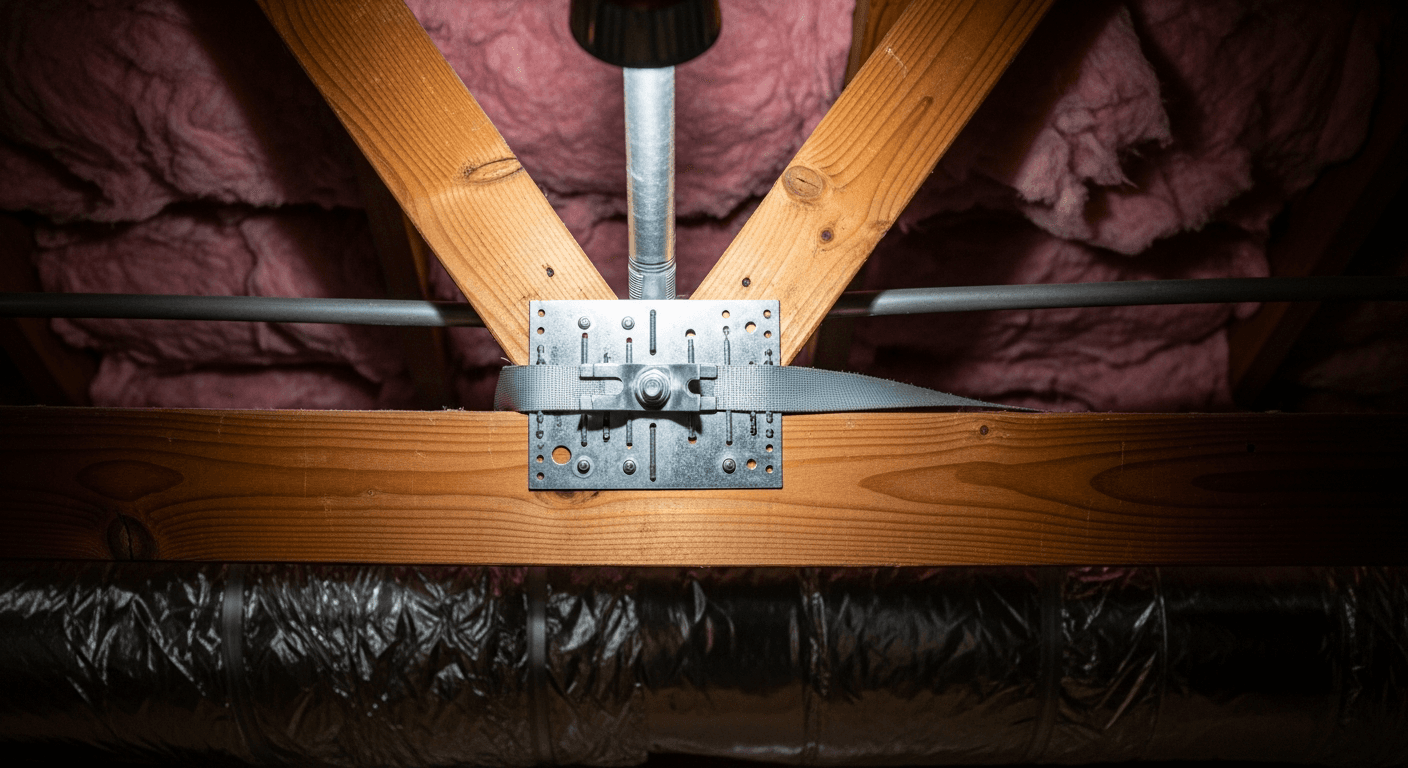
Complete guide to Miami wind mitigation inspections. what they cover, costs, insurance discounts available, and how to maximize your savings.
Read More