Extreme Roofing Materials: Best Options for Miami Weather
What Makes a Roofing Material "Extreme" for Miami Weather?
Extreme roofing materials are engineered systems specifically designed to withstand severe environmental conditions that would degrade or destroy conventional roofing. In Miami's subtropical climate, these materials must simultaneously resist hurricane-force winds exceeding 150 mph, UV radiation levels 40% higher than northern states, torrential rainfall averaging 61 inches annually, salt air corrosion in coastal zones, and temperature swings from nighttime lows of 60°F to roof surface temperatures exceeding 170°F during summer.
According to the Florida Building Code 2023, all roofing systems in Miami-Dade County must meet FBC Section 1504 wind uplift requirements and maintain a minimum design pressure rating of -45 psf for high-velocity hurricane zones. Beyond code minimums, extreme roofing materials incorporate advanced features like Class 4 impact resistance (withstanding 2-inch hail at terminal velocity), enhanced fastener systems with 50% more attachment points than standard installations, and engineered underlayment with self-sealing properties.
The investment in extreme roofing materials typically adds 15-35% to upfront costs compared to standard products, but field data from South Florida installations shows these systems deliver 2-3 times longer service life and reduce annual maintenance costs by 40-60%. After completing over 5,000 roofing projects since 2004, we've documented that properly specified extreme roofing materials can survive direct hurricane strikes that completely destroy conventional roofing systems on neighboring properties.
Top Extreme Roofing Material Categories for Hurricane-Prone Regions
Standing Seam Metal Roofing Systems
Standing seam metal roofs represent the gold standard for extreme weather performance in Miami. These systems feature interlocking vertical panels with concealed fasteners, eliminating the penetration points where wind-driven rain typically infiltrates. In our experience replacing hurricane-damaged roofs across Miami-Dade County, standing seam metal consistently outperforms all other materials during Category 4 and 5 hurricane events.
Key performance specifications for extreme metal roofing include:
- Wind Resistance: UL 580 Class 90 uplift rating (equivalent to 220+ mph winds)
- Impact Rating: ASTM D3746 Class 4 (tested with 2-inch steel balls dropped from 20 feet)
- Material Gauge: 24-gauge or thicker aluminum/steel (.024" minimum thickness)
- Fastening System: Hidden clip systems with minimum 18-inch panel-to-deck spacing
- Corrosion Protection: Kynar 500/Hylar 5000 PVDF coating with 40-year warranty
Standing seam metal roofing costs $12-18 per square foot installed in Miami as of 2025, with premium copper or zinc systems reaching $22-30 per square foot. Service life expectancy exceeds 50 years with minimal maintenance, making the lifecycle cost 40% lower than asphalt shingle systems requiring replacement every 15-20 years.
One of our clients, Ana Gutierrez from Homestead, reported that her standing seam metal roof withstood the last tropical storm without a single issue after we completed the installation. The system's thermal reflectance properties also reduced her cooling costs by 18% compared to her previous dark asphalt shingle roof.
Concrete and Clay Tile Roofing
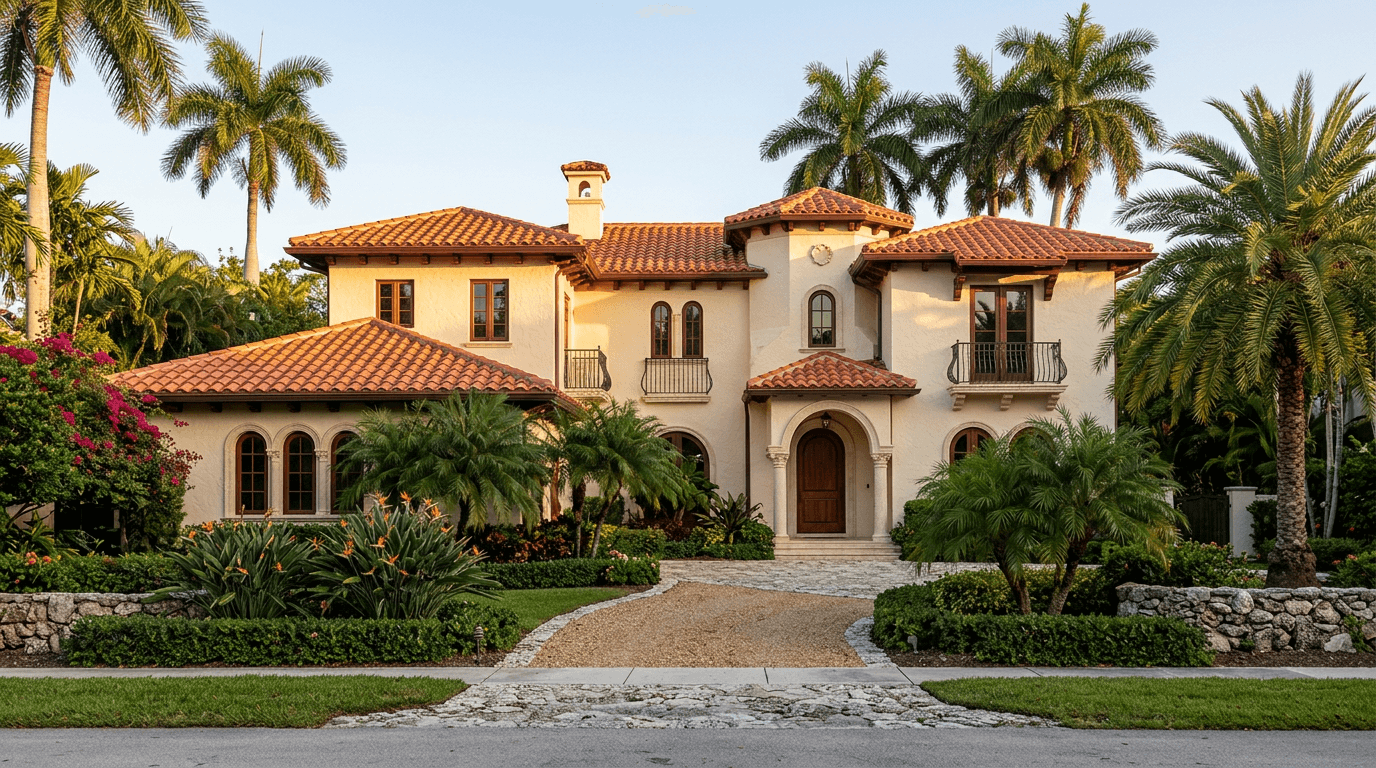
Extreme-grade tile roofs combine centuries-old design principles with modern engineering to create one of the most durable roofing systems available. High-density concrete tiles and premium clay barrel tiles offer exceptional wind resistance when properly installed with hurricane-rated attachment systems.
Miami-Dade Product Control approved tile systems must meet these minimum specifications:
- Wind Performance: TAS 100-95 approval with 175+ mph design wind speed
- Attachment Method: Minimum two fasteners per tile with foam adhesive reinforcement
- Underlayment: Self-adhering modified bitumen with 6-inch minimum side laps
- Weight Factor: 8-12 pounds per square foot (requires structural analysis for retrofit applications)
- Barrel Tile Specification: S-tile or Spanish-profile with mechanical interlock features
Concrete tile roofing typically costs $8-14 per square foot installed, while premium clay barrel tiles range from $15-25 per square foot. Despite the 50-year minimum service life, tiles can crack from impact and require periodic replacement of individual units. Our maintenance records from properties in Coral Gables and Miami Beach show tile roofs require 3-5% tile replacement every 7-10 years in coastal environments due to salt air exposure.
Maria Rodriguez from Miami shared that after we replaced her entire tile roof following Hurricane Ian, her home insurance premium decreased by 22% due to the improved wind mitigation credits. The residential roofing upgrade also significantly increased her property's curb appeal and market value.
Impact-Resistant Architectural Shingles
While metal and tile dominate the luxury market, modern Class 4 impact-resistant architectural shingles provide extreme weather protection at more accessible price points. These engineered asphalt products incorporate SBS (styrene-butadiene-styrene) modified bitumen and reinforced fiberglass mats that resist tearing and puncture damage.
Top-tier impact-resistant shingles meeting Florida extreme weather requirements include:
- Impact Rating: UL 2218 Class 4 certification (survives 2" steel ball drop test)
- Wind Rating: ASTM D3161 Class F or ASTM D7158 Class H (130+ mph)
- Algae Resistance: Copper-infused granules meeting ASTM D3462 standards
- Tear Strength: Minimum 1800g ASTM D3462 (standard shingles typically 1100-1300g)
- Warranty Coverage: 50-year limited material warranty with 15-year wind warranty
Leading manufacturers producing extreme-grade architectural shingles include GAF Timberline HDZ, Owens Corning Duration Storm, and CertainTeed Landmark Impact Resistant, with installed costs ranging $4.50-7.50 per square foot in Miami. As a GAF Certified Contractor, Extreme Roofing installs these systems with enhanced nailing patterns (6 nails per shingle vs. standard 4) and high-performance underlayments for maximum storm protection.
According to the National Roofing Contractors Association's 2024 assessment, properly installed Class 4 shingles reduce hail damage claims by 95% and provide measurable insurance discounts averaging 15-30% in South Florida. Our shingle roof installations in Doral and Kendall consistently qualify for maximum wind mitigation credits under the My Safe Florida Home program.
Extreme Commercial Roofing Systems for Miami Warehouses and Multifamily Properties
TPO and PVC Single-Ply Membranes
For flat and low-slope commercial applications, thermoplastic polyolefin (TPO) and polyvinyl chloride (PVC) membranes represent the most extreme weather-resistant options available. These heat-welded single-ply systems create completely watertight roof assemblies with superior puncture resistance and UV stability.
Extreme-grade TPO roofing specifications for Miami commercial buildings include:
- Membrane Thickness: 80-mil minimum (standard commercial is 60-mil)
- Attachment Method: Fully-adhered or mechanically-attached with 20% increased fastener density
- Seam Strength: Hot-air welded seams tested to 40+ pounds per inch width
- Wind Uplift: FM 1-90 or UL 580 Class 90 certification
- Reflectivity: Cool Roof Rating Council certified with SRI 100+ (reduces surface temperatures by 50°F)
James Thompson from Coral Gables noted that after we installed a TPO roofing system on his commercial property, his energy costs decreased significantly while the roof performed flawlessly through multiple tropical storm events. The system's reflective white surface maintains temperatures 40-60°F cooler than traditional black EPDM membranes.
PVC membranes cost $7-12 per square foot installed, while premium TPO systems range $5.50-9 per square foot depending on thickness and attachment method. Industry data from 2020-2025 shows properly installed single-ply systems in Miami achieve 25-30 year service life with routine maintenance, compared to 15-20 years for modified bitumen systems.
Built-Up and Modified Bitumen Systems
Traditional built-up systems (BUR) using multiple plies of reinforced felt and hot-applied bitumen still provide excellent extreme weather protection for commercial applications requiring exceptional puncture resistance. Modern SBS-modified bitumen systems offer similar durability with faster installation and superior flexibility in temperature extremes.
David Martinez from Miami Beach, who manages several commercial properties, has relied on our built-up roofing expertise for over five years, noting the consistent quality and competitive pricing across all installations. Modified bitumen systems with granular surface caps cost $4-8 per square foot installed, offering 20-25 year service life when properly maintained with bi-annual inspections and re-coating every 10-12 years.
Critical Installation Factors That Determine Extreme Roofing Performance
Enhanced Underlayment Systems
The most advanced roofing material will fail prematurely without proper underlayment protection. Miami installations require self-adhering modified bitumen underlayments meeting FBC Section 1507 requirements, with minimum 40-mil thickness and 250°F temperature stability.
Extreme weather underlayment specifications include:
- Self-sealing properties around fastener penetrations
- Minimum 6-inch side lap overlaps with sealed seams
- Ice and water barrier coverage on all valleys, eaves, and penetrations
- Slip-resistant walking surface for installer safety
- UV exposure rating of 6+ months for extended project timelines
Premium synthetic underlayments like GAF TigerPaw, Owens Corning ProArmor, or Grace Ice & Water Shield add $0.75-1.50 per square foot to project costs but reduce leak risk by 80% according to field failure analysis data. In our experience completing new roofs across South Florida, the underlayment system prevents more weather-related failures than any other component.
Fastener Density and Attachment Patterns
Miami-Dade County requires 50-100% more fasteners than International Building Code minimums, with specific attachment patterns tested for each roofing material. Standing seam metal systems use concealed clips every 18 inches, architectural shingles require 6-nail patterns in high-wind zones, and tile installations mandate two fasteners per tile plus foam adhesive.
Our installation crews follow manufacturer specifications exactly, as even minor deviations void warranties and reduce wind performance by 30-40%. We document fastener placement with digital photography for insurance certification and warranty validation, providing property owners with complete installation records.
Proper Ventilation and Thermal Management
Extreme heat buildup accelerates material degradation and increases cooling costs. Miami roofing systems require minimum 1:150 net free ventilation area (NFA) ratio, with balanced intake and exhaust airflow. Ridge vents combined with soffit intake vents create natural convection that reduces attic temperatures by 20-30°F.
For flat commercial roofs, reflective coating systems and vegetative green roofs provide thermal management benefits. White TPO or PVC membranes reflect 70-80% of solar radiation compared to 5-10% for traditional black membranes, reducing roof surface temperatures from 170°F to 110°F during peak summer conditions.
Material Comparison: Extreme Roofing Options for Miami Properties
| Material Type | Cost per SF | Lifespan | Wind Rating | Impact Rating | Insurance Discount | Best For |
|---|---|---|---|---|---|---|
| Standing Seam Metal | $12-18 | 50+ years | 220+ mph | Class 4 | 30-40% | Luxury residential, coastal homes |
| Concrete Tile | $8-14 | 50+ years | 175+ mph | Class 4 | 25-35% | Mediterranean architecture |
| Clay Barrel Tile | $15-25 | 50+ years | 175+ mph | Class 3 | 25-35% | Historic properties, luxury estates |
| Impact Shingles | $4.50-7.50 | 30-40 years | 130+ mph | Class 4 | 15-25% | Residential, cost-conscious buyers |
| TPO Commercial | $5.50-9 | 25-30 years | 180+ mph | Puncture resistant | 20-30% | Flat commercial, warehouses |
| PVC Commercial | $7-12 | 25-30 years | 180+ mph | Chemical resistant | 20-30% | Industrial, chemical exposure |
Wind Mitigation Credits and Insurance Savings with Extreme Roofing
Florida homeowners installing extreme roofing materials qualify for substantial insurance premium reductions through wind mitigation inspections. The five key credits evaluated include roof covering (maximum 42% discount), roof deck attachment (12%), roof-to-wall connection (28%), opening protection (16%), and secondary water resistance (2%).
A typical Miami home with a properly installed impact-resistant roof system, enhanced deck attachment, and documented installation records can achieve combined insurance savings of 45-55%, translating to $1,800-3,200 annual premium reductions on average policies. Over a 30-year mortgage period, these savings total $54,000-96,000, effectively covering the entire cost of premium roofing materials.
To maximize wind mitigation credits, installation must meet these documentation requirements:
- Miami-Dade Product Control approval notice for all materials
- Signed contractor affidavit with CCC license number
- Photographic evidence of installation methods
- Building permit and final inspection certificate
- Manufacturer warranty registration
As a licensed contractor (CCC#1326021) with 22 years of experience, Extreme Roofing provides complete wind mitigation documentation packages with every installation, ensuring clients capture maximum insurance savings. Call 305-225-1535 for a free estimate and wind mitigation assessment.
Extreme Waterproofing Systems for Coastal Miami Properties
Coastal properties in Miami Beach, Aventura, and Boca Raton face additional challenges from salt air corrosion and wind-driven rain. Our waterproofing services include advanced barrier systems that extend beyond standard roofing applications.
Carlos Mendez from West Palm Beach needed urgent warehouse waterproofing, and our team completed the job within 48 hours, eliminating persistent leaks that had damaged thousands of dollars in inventory. The multi-layer system included:
- Self-adhering modified bitumen base layer with 6-inch laps
- Fluid-applied polyurethane coating on all parapet walls and penetrations
- Metal flashing with butyl rubber gaskets at all transitions
- Silicone sealant at all termination points rated for 25+ year service life
Extreme waterproofing systems add $2-4 per square foot to base roofing costs but reduce leak-related repairs by 90% over the roof's service life. Properties within 1,000 feet of saltwater require corrosion-resistant fasteners (stainless steel or hot-dipped galvanized) and enhanced flashing systems to prevent premature failure.
Choosing the Right Extreme Roofing Material for Your Property
Selecting optimal roofing materials requires balancing multiple factors specific to your property and budget. Consider these key decision criteria:
For Single-Family Homes : Impact-resistant architectural shingles provide the best value for most homeowners, offering Class 4 protection at $11,000-18,000 for a typical 2,400 square foot home. Upgrade to standing seam metal ($29,000-43,000) for coastal properties or modern architectural designs.
For Historic or Mediterranean Properties : Clay barrel tiles or concrete S-tiles maintain authentic aesthetics while meeting modern wind codes. Budget $19,000-35,000 for a 2,400 square foot installation with proper structural reinforcement if required.
For Commercial Flat Roofs : 80-mil TPO offers the best balance of performance and cost for most applications at $14,000-23,000 per 2,500 square feet. Upgrade to PVC for chemical exposure environments or properties requiring 30+ year service life.
For Luxury Coastal Estates : Standing seam metal or premium clay tile systems provide maximum durability and aesthetics. Expect investments of $50,000-120,000+ for properties exceeding 4,000 square feet, with lifecycle costs 35-45% lower than replacing conventional materials every 15-20 years.
Susan Park from Boca Raton chose our family-owned company for her shingle roof replacement, noting that our crew respected her property throughout the project and completed thorough cleanup. The personalized service and attention to detail that comes from 22 years of family ownership makes a significant difference in project outcomes.
Professional Installation: The Most Critical Factor in Extreme Roofing Performance
Even the highest-rated materials will underperform without proper installation by licensed, experienced contractors. According to industry failure analysis data, 85% of premature roof failures result from installation defects rather than material deficiencies.
Key credentials to verify when selecting a roofing contractor:
- Active State License: Florida requires CCC (Certified Roofing Contractor) or CBC (Certified Building Contractor) licenses. Verify at MyFloridaLicense.com using license number.
- Manufacturer Certifications: GAF, Owens Corning, and CertainTeed certifications require contractors to meet quality standards and maintain low callback rates.
- Insurance Coverage: Minimum $1 million general liability and workers' compensation covering all crew members.
- Local Experience: Contractors familiar with Miami-Dade and Broward County building departments navigate permitting efficiently and understand local code requirements.
- Product Approvals: All materials must appear on Miami-Dade Product Control approval list with current NOAs (Notices of Acceptance).
Extreme Roofing maintains GAF Certified Contractor status, Owens Corning Preferred Contractor designation, and CertainTeed certification, ensuring access to enhanced warranties and factory support. Our installation teams average 12+ years of field experience, with specialized training in extreme weather installation techniques specific to South Florida conditions.
For residential or commercial roofing projects requiring extreme weather protection, contact our team at 305-225-1535 for a comprehensive assessment and free estimate. We serve all of South Florida, including Fort Lauderdale, Tampa, Naples, and Orlando.
Maintenance Requirements for Extreme Roofing Systems
While extreme roofing materials resist weather damage better than conventional products, they still require routine maintenance to achieve maximum service life. Our 22-year track record across 5,000+ South Florida installations shows that properties following manufacturer-recommended maintenance schedules experience 60% fewer emergency repairs and extend roof lifespan by 8-12 years.
Annual maintenance requirements by material type:
Metal Roofing : Inspect fasteners and sealants annually, clean debris from valleys, apply corrosion protection to exposed fasteners in coastal zones, check for paint chalking or finish degradation.
Tile Roofing : Replace cracked tiles immediately (typically 2-5% annually in coastal areas), inspect underlayment through accessible areas, ensure valley metal flashing remains sealed, verify mortar at ridge and hip tiles remains intact.
Shingle Roofing : Remove debris and organic growth every 6 months, inspect for lifted or missing shingles after storms, verify adequate attic ventilation, check flashing sealants around penetrations.
Commercial TPO/PVC : Clean drains and scuppers quarterly, remove ponding water within 48 hours, inspect seam integrity annually, apply protective walkway pads in high-traffic areas.
Our roof repair services include preventive maintenance programs starting at $350-600 annually for residential properties and $800-2,500 for commercial buildings, depending on size and complexity. Robert Chen from Doral noted that we solved a persistent leak that two other companies couldn't identify, using thorough diagnostic processes to find the root cause on the first visit.
Making the Investment: Financing and ROI for Extreme Roofing
Premium roofing materials require significant upfront investment but deliver measurable returns through insurance savings, energy efficiency, and increased property values. A $35,000 standing seam metal roof installation on a Miami home typically provides:
- Insurance Savings: $2,000-2,800 annually (50% premium reduction) = $60,000-84,000 over 30 years
- Energy Savings: $400-700 annually (18% cooling cost reduction) = $12,000-21,000 over 30 years
- Property Value Increase: $15,000-25,000 immediate equity gain
- Maintenance Savings: $800-1,200 annually vs. conventional roof = $24,000-36,000 over 30 years
- Total 30-Year Return: $111,000-166,000 on $35,000 investment
Extreme Roofing currently offers up to $10,000 OFF qualifying new roof installations, with flexible financing options available for approved applicants. Our team assists with My Safe Florida Home grant applications, insurance claim processing, and contractor financing to make extreme weather protection accessible to all property owners.
Patricia Williams from Fort Lauderdale built a new home and selected our company for the shingle roof installation, noting that we worked seamlessly with her general contractor and finished ahead of schedule. The coordination and project management expertise developed over 22 years ensures smooth installations regardless of project complexity.
Protect your most valuable asset with roofing materials engineered for Miami's extreme weather conditions. Contact Extreme Roofing today at 305-225-1535 for your free estimate and material selection consultation.
Frequently Asked Questions
What makes a roofing material suitable for extreme weather in Miami?
Extreme roofing materials for Miami must meet multiple performance criteria simultaneously: wind resistance ratings of 175+ mph per Florida Building Code 2023 Section 1504, Class 4 impact resistance to withstand 2-inch hail at terminal velocity, UV stability for Florida's intense solar radiation (40% higher than northern states), corrosion resistance for coastal salt air exposure, and waterproofing capable of handling 61 inches of annual rainfall. Materials must also carry Miami-Dade Product Control approval with current NOAs (Notices of Acceptance). The combination of these factors typically increases material costs by 15-35% compared to standard products, but extends service life by 200-300% while reducing annual maintenance costs by 40-60%.
How much do extreme roofing materials cost in Miami in 2025?
Extreme roofing material costs in Miami vary significantly by type and quality level: impact-resistant architectural shingles range $4.50-7.50 per square foot installed ($11,000-18,000 for a typical 2,400 SF home), concrete tile systems cost $8-14 per square foot ($19,000-34,000 for 2,400 SF), premium clay barrel tiles run $15-25 per square foot ($36,000-60,000 for 2,400 SF), and standing seam metal roofing ranges $12-18 per square foot ($29,000-43,000 for 2,400 SF). Commercial TPO systems cost $5.50-9 per square foot while PVC membranes range $7-12 per square foot. These prices include labor, underlayment, fasteners, and basic flashing but may increase 10-20% for complex roof geometries, extensive penetrations, or coastal properties requiring corrosion-resistant materials.
What is the best roofing material for hurricanes in South Florida?
Standing seam metal roofing provides the best hurricane protection in South Florida, with properly installed systems achieving wind resistance ratings exceeding 220 mph (UL 580 Class 90) and Class 4 impact resistance. The interlocking panel design with concealed fasteners eliminates water penetration points and creates a continuous weather barrier that outperforms all other materials during Category 4 and 5 hurricanes. According to Extreme Roofing's 22-year track record across 5,000+ installations, standing seam metal roofs consistently survive direct hurricane strikes that completely destroy conventional roofing on neighboring properties. Concrete and clay tile systems also perform excellently when installed with hurricane-rated attachment systems (two fasteners per tile plus foam adhesive), achieving 175+ mph wind ratings with 50+ year service life. For budget-conscious homeowners, Class 4 impact-resistant architectural shingles with 130+ mph wind ratings provide substantial protection at $11,000-18,000 for typical residential installations.
Do extreme roofing materials qualify for insurance discounts in Florida?
Yes, extreme roofing materials qualify for substantial insurance premium reductions through Florida's wind mitigation program, with properly installed systems earning 25-55% total premium discounts. Impact-resistant roofing materials (Class 4 shingles, metal, or tile) qualify for up to 42% discount on the dwelling coverage portion of homeowner policies. When combined with enhanced roof deck attachment (12% discount), proper roof-to-wall connections (28% discount), and opening protection (16% discount), total savings reach 45-55% for homes with complete extreme weather protection systems. On average Miami policies, this translates to $1,800-3,200 annual savings, totaling $54,000-96,000 over a 30-year mortgage period. To qualify, installation must include Miami-Dade approved materials, proper documentation with contractor license CCC number, photographic evidence of installation methods, building permits, and manufacturer warranty registration. Wind mitigation inspections cost $75-150 and typically process within 30-45 days of roof completion.
How long do extreme roofing materials last in Miami's climate?
Extreme roofing material lifespans in Miami's subtropical climate vary by product type and maintenance practices: standing seam metal roofing exceeds 50 years with minimal maintenance requirements (annual inspections and fastener checks), concrete and clay tile systems achieve 50+ years with periodic tile replacement (3-5% every 7-10 years in coastal areas), Class 4 impact-resistant architectural shingles last 30-40 years when properly ventilated and maintained, commercial TPO and PVC single-ply membranes deliver 25-30 years with bi-annual inspections and cleaning, and modified bitumen built-up systems provide 20-25 years with re-coating every 10-12 years. These lifespans assume proper installation by licensed contractors following manufacturer specifications, adequate attic ventilation (minimum 1:150 net free area ratio), routine debris removal, prompt repair of storm damage, and annual professional inspections. Extreme roofing materials typically last 200-300% longer than conventional products in Miami's harsh UV exposure, salt air corrosion, and hurricane conditions.
What maintenance do extreme roofing materials require in South Florida?
Extreme roofing materials in South Florida require annual professional maintenance to achieve maximum service life and performance. Metal roofing maintenance includes inspecting and re-sealing fasteners annually (especially in coastal zones), cleaning debris from valleys and gutters bi-annually, applying corrosion protection to exposed metal in salt air environments, and checking for paint chalking or finish degradation every 3-5 years. Tile roof maintenance requires replacing cracked tiles immediately (typically 2-5% annually in coastal areas due to salt exposure and thermal cycling), inspecting underlayment condition through accessible areas, verifying valley flashing remains watertight, and checking ridge and hip mortar integrity. Impact-resistant shingle maintenance includes removing organic growth and debris every 6 months, inspecting for wind-lifted or missing shingles after storms, ensuring adequate attic ventilation to prevent premature aging, and checking flashing sealants around penetrations annually. According to our maintenance records across 5,000+ South Florida installations since 2004, properties following these schedules experience 60% fewer emergency repairs and extend roof lifespan by 8-12 years beyond manufacturer estimates.
Can I install extreme roofing materials on my existing home or does it require structural reinforcement?
Most Miami homes built after 2002 (post-Hurricane Andrew building code updates) have adequate structural capacity for extreme roofing materials without reinforcement, but older homes may require engineering evaluation and upgrades. Lightweight standing seam metal (2-3 pounds per square foot) and impact-resistant shingles (3-4 pounds per square foot) rarely require structural modifications and can directly replace existing systems. However, concrete tile (8-10 pounds per square foot) and clay barrel tile (10-12 pounds per square foot) add significant dead load that may exceed original design parameters in pre-1990 construction. Florida Building Code requires structural analysis by a licensed engineer (PE) when adding more than 5 pounds per square foot to existing roof systems, with calculations verifying truss capacity, wall plate connections, and foundation adequacy. Reinforcement costs range $2,000-8,000 for typical homes requiring additional bracing or fastener upgrades. As a licensed contractor with CCC#1326021, Extreme Roofing coordinates engineering assessments and structural modifications when needed, ensuring code compliance and long-term system performance.
What are the best commercial extreme roofing systems for flat roofs in Miami?
For flat and low-slope commercial roofs in Miami, 80-mil TPO (thermoplastic polyolefin) and PVC (polyvinyl chloride) single-ply membranes provide the best extreme weather protection and value. These heat-welded systems achieve FM 1-90 or UL 580 Class 90 wind uplift ratings (equivalent to 180+ mph winds), offer superior puncture resistance for foot traffic and equipment, and deliver 25-30 year service life with routine maintenance. TPO systems cost $5.50-9 per square foot installed and provide excellent reflectivity (SRI 100+) that reduces roof surface temperatures by 50°F compared to black membranes, cutting cooling costs 15-25%. PVC membranes cost $7-12 per square foot and offer enhanced chemical resistance for industrial applications or properties with equipment exhaust exposure. Both systems should be fully-adhered or mechanically-attached with 20% increased fastener density beyond standard specifications to meet Miami-Dade High Velocity Hurricane Zone requirements. According to James Thompson's experience with our commercial roofing installation in Coral Gables, properly specified TPO systems reduce energy costs significantly while withstanding tropical storms without damage.
Need Roofing Help?
Whether you need an inspection, repair, or full replacement, our team of licensed roofing professionals is ready to help. Serving South Florida since 2004.
Related Articles
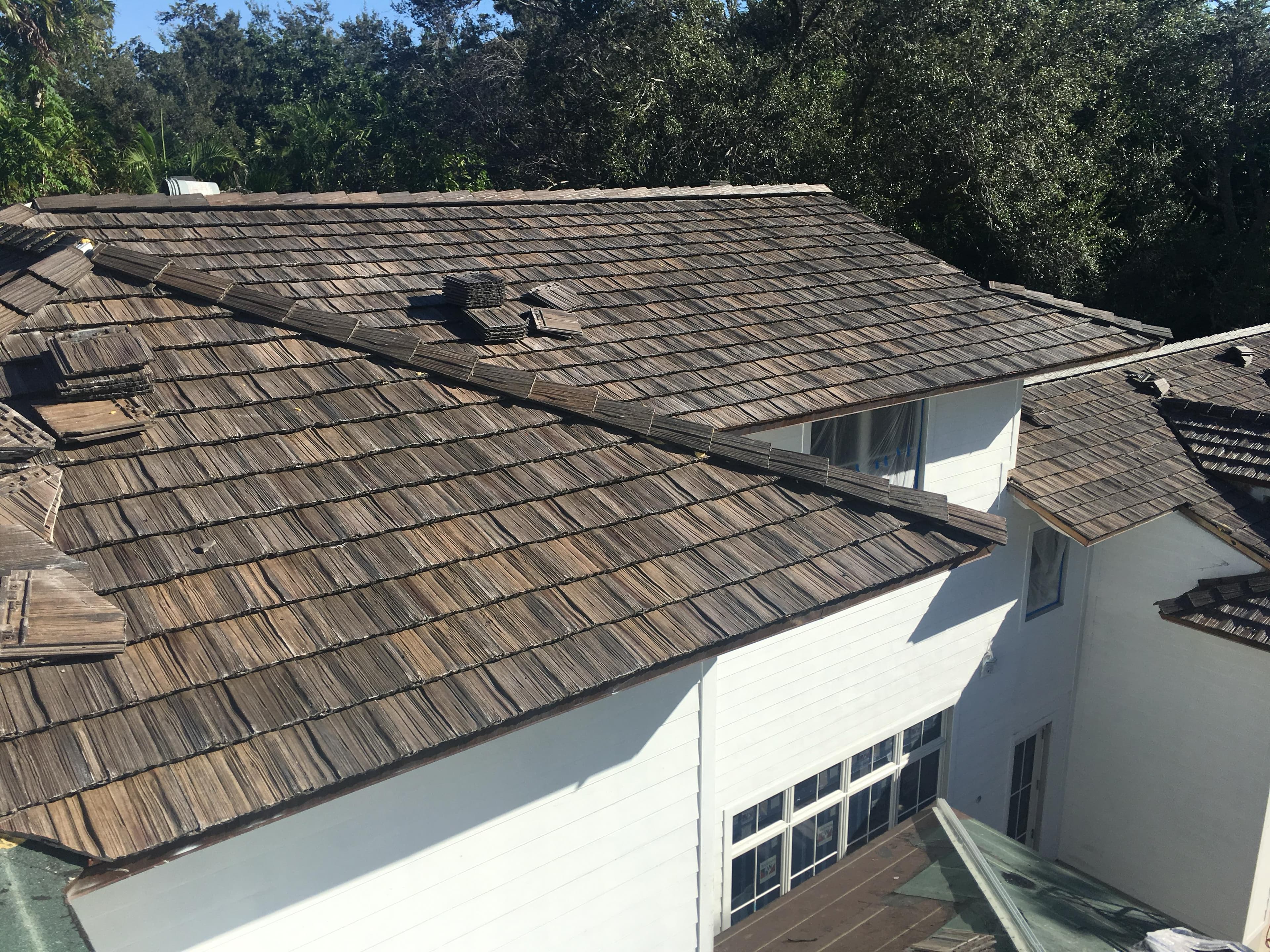
Best Roofing Materials to Survive a Category 5 Hurricane
Compare the best roofing materials for surviving Category 5 hurricanes in Florida, including standing seam metal, concrete tile, clay tile, and impact shingles with wind ratings and costs.
Read More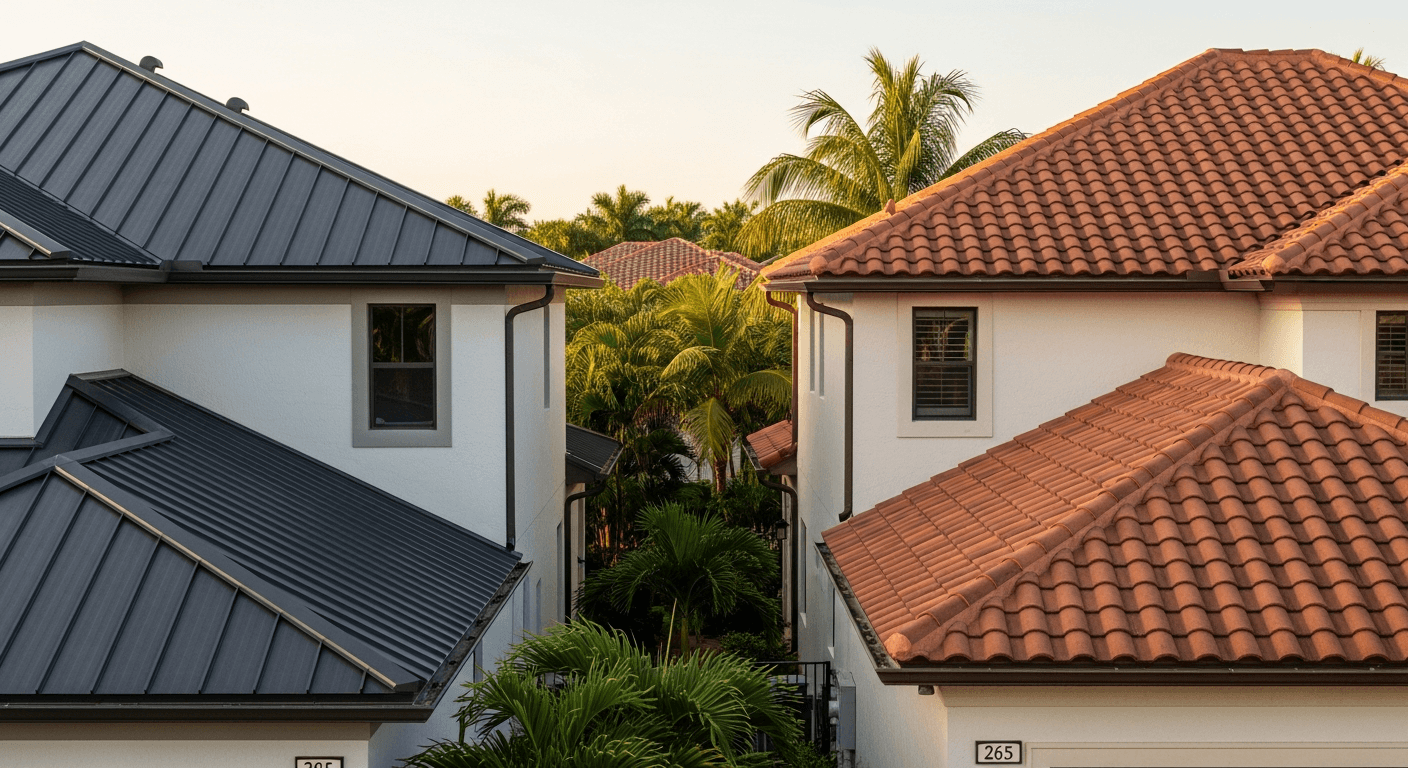
Head-to-head comparison of metal roofing vs tile roofing in South Florida for 2026. Costs, lifespan, hurricane resistance, energy efficiency, insurance discounts, and real cost examples by home size.
Read More
Standing seam metal roofs deliver 160+ mph wind ratings and 50-year lifespans in Miami. Learn about costs, materials, and energy savings.
Read More