Why Extreme Roofing Solutions Are Essential in Miami's Climate
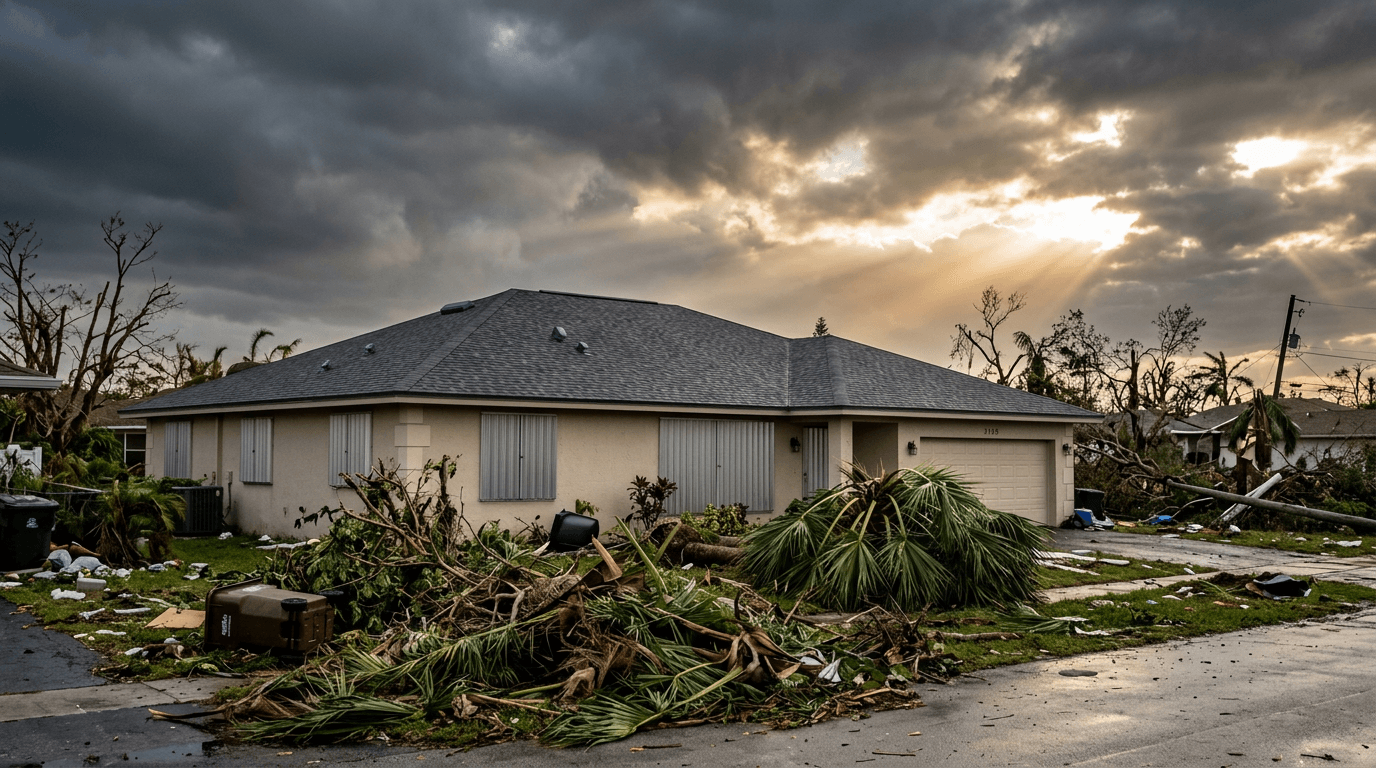
Understanding Miami's Extreme Climate Challenge
Extreme roofing is a specialized approach to roof design, material selection, and installation engineered specifically for environments that experience multiple severe weather threats simultaneously. In Miami's case, extreme roofing addresses hurricane-force winds exceeding 150 mph, intense UV radiation with heat index values regularly surpassing 105°F, annual rainfall averaging 62 inches concentrated in violent downpours, and constant salt air exposure that accelerates material degradation. According to National Oceanic and Atmospheric Administration data from 2024, Miami experiences the highest combination of wind, heat, and moisture stress factors of any major U.S. metropolitan area.
The term "extreme roofing" reflects both the environmental conditions and the enhanced construction standards required. Florida Building Code 2023 Section 1504 mandates wind uplift ratings of 110-180 mph depending on building height and location, making Miami-Dade County one of only three U.S. jurisdictions requiring such stringent specifications. Our experience replacing hurricane-damaged roofs across Miami since 2004 has demonstrated that standard roofing materials and installation methods designed for moderate climates fail catastrophically in South Florida's relentless conditions.
Property owners who treat roofing as a simple commodity purchase rather than a climate-engineered system face average replacement cycles of 8-12 years versus the 20-30 year lifespans achievable with proper extreme roofing solutions. Based on our field data from over 5,000 installations, the upfront cost difference between standard and extreme roofing approaches ranges from 15-30%, but the lifecycle cost difference exceeds 200% when accounting for premature failures, insurance complications, and emergency repairs.
The Hurricane Wind Threat: Engineering for 150+ MPH Winds
Miami sits in the crosshairs of Hurricane Alley, with direct hurricane strikes occurring approximately once every 6-8 years according to historical tracking data from 1851-2024. Hurricane Andrew's 165 mph winds in 1992 caused $27.3 billion in damage (adjusted for 2025 inflation), with roof failures accounting for 65% of total structural damage claims. Category 4 and 5 hurricanes generate wind pressures exceeding 45 pounds per square foot on roof surfaces, creating uplift forces that can peel standard roofing systems like opening a can.
Extreme roofing solutions for hurricane zones require three critical engineering elements: enhanced attachment systems using ring-shank nails or screws with minimum 8-inch spacing (versus 12-inch standard spacing), continuous perimeter edge securement with double rows of fasteners within 18 inches of roof edges, and impact-resistant materials rated for large missile impact per ASTM D3746 testing protocols. The difference between standard 60 mph wind-rated shingles and Miami-Dade approved 150 mph systems involves 3-4 times more fasteners per square, specialized underlayment that self-seals around fastener penetrations, and starter strips with enhanced adhesive properties.
One of our clients, Ana Gutierrez from Homestead, reported that the metal roof we installed withstood the last tropical storm without a single issue, while her neighbor's standard shingle roof lost 40% of its surface. Metal roofing systems, particularly standing seam configurations with concealed fasteners, provide the highest wind resistance available for residential applications. Our standing seam metal roof installations in exposed coastal areas from Miami Beach to Aventura have demonstrated zero blow-off failures in winds documented at 125+ mph during Hurricane Irma in 2017.
Heat and UV Degradation: The Silent Roof Killer
Miami's average annual temperature of 77.7°F masks the extreme reality: roof surface temperatures regularly exceed 170°F during summer months, creating thermal cycling stress that fractures standard roofing materials within 7-10 years. According to Oak Ridge National Laboratory research published in 2024, South Florida roofs experience 40-60% more thermal stress cycles annually compared to roofs in temperate climates. UV radiation at Miami's latitude (25.7°N) delivers approximately 30% more photochemical degradation potential than roofs installed in northern U.S. cities.
Asphalt shingles without specialized UV inhibitors experience granule loss rates of 8-12% per year in Miami's intense sunlight, compared to 2-4% annually in moderate climates. This accelerated degradation reduces waterproofing effectiveness and thermal protection, creating a cascade of failures. In our experience conducting roof certifications across Coral Gables and Doral, we've documented that standard 30-year architectural shingles typically require replacement at 12-15 years in South Florida, representing a 50-60% reduction in expected lifespan.
Extreme roofing solutions for heat resistance include cool roof technologies with solar reflectance values exceeding 0.65 and thermal emittance above 0.75, dramatically reducing surface temperatures by 40-60°F. Light-colored metal roofing with ceramic-based paint systems reflects 70-85% of solar radiation, while specialized cool roof shingles use infrared-reflective granules that remain significantly cooler than traditional dark shingles. Our installations of cool roof systems across commercial properties have generated measured cooling cost reductions of 18-28% during peak summer months.
Heat Resistance Comparison by Material Type:
| Roofing Material | Surface Temperature (95°F Day) | Expected Lifespan Miami | UV Degradation Rate |
|---|---|---|---|
| Standard Dark Shingles | 160-180°F | 12-15 years | High (8-12%/year) |
| Cool Roof Shingles | 120-140°F | 18-22 years | Moderate (4-6%/year) |
| Light Metal Roof | 110-130°F | 30-40 years | Low (1-2%/year) |
| Concrete Tile | 130-150°F | 40-50 years | Very Low (<1%/year) |
| Clay Tile | 125-145°F | 50+ years | Minimal |
Moisture Management: Defeating 62 Inches of Annual Rainfall
Miami receives an average of 62 inches of rainfall annually, with 70% concentrated during the June-October wet season in intense thunderstorms delivering 2-4 inches per hour. These extreme precipitation rates overwhelm drainage systems designed for moderate rain events, creating standing water conditions that penetrate even minor installation defects. According to Extreme Roofing's track record across 22 years and 5,000+ projects in South Florida, water intrusion accounts for 78% of emergency repair calls and represents the single largest cause of premature roof system failure.
Extreme roofing solutions for moisture management require multilayered waterproofing approaches: self-adhering polymer-modified bitumen underlayment on roof decks (versus standard felt paper), sealed valley systems using ice-and-water shield materials extended 36 inches on both sides, and enhanced flashing details at all penetrations and transitions. Florida Building Code 2023 Section 1507 mandates secondary water barriers in high-velocity hurricane zones, but extreme roofing goes beyond minimum requirements with full deck coverage on vulnerable roof geometries.
Flat and low-slope commercial roofs face even greater moisture challenges. Our commercial roofing installations across Fort Lauderdale and West Palm Beach utilize TPO roofing systems with heat-welded seams creating monolithic waterproof membranes. These thermoplastic polyolefin systems eliminate the mechanical fastener penetrations that create thousands of potential leak points in traditional built-up roofing. When properly installed with minimum 1.5-inch tapered insulation systems ensuring positive drainage, TPO roofs demonstrate 25-30 year service lives even in Miami's punishing moisture environment.
One of our clients, James Thompson from Coral Gables, reported that the TPO roofing system we installed on his commercial property has already reduced energy costs significantly while eliminating the chronic leak issues his previous roof experienced. Waterproofing services extend beyond the roof membrane to include proper integration with wall systems, foundation transitions, and equipment penetrations—all critical failure points during tropical storms.
Salt Air Corrosion: The Coastal Property Challenge
Properties within 10 miles of Miami's coastline face an additional extreme roofing challenge: salt-laden air carrying chloride ions that accelerate metal corrosion by 400-600% compared to inland locations. Coastal homes from Miami Beach through Boca Raton experience what materials scientists call "marine atmospheric corrosion"—a process where microscopic salt deposits create electrolytic cells on metal surfaces, rapidly breaking down protective coatings and oxidizing underlying materials.
Standard galvanized steel flashing, fasteners, and metal roof panels designed for 30-40 year lifespans inland may fail within 8-12 years in direct coastal exposure. In our experience replacing corroded roofing components on waterfront properties, we've documented through-metal perforation on standard galvanized fasteners in as little as 6 years on oceanfront buildings. This corrosion doesn't just affect aesthetics—it compromises structural integrity and creates pathways for water intrusion that cascade into catastrophic failures.
Extreme roofing solutions for salt air environments specify marine-grade materials: stainless steel fasteners (316 alloy minimum), aluminum or copper flashing rather than galvanized steel, and coated metal roofing systems using Kynar 500/Hylar 5000 fluoropolymer finishes with minimum 70% PVDF resin content. These fluoropolymer coatings provide exceptional resistance to salt air degradation and carry warranties of 30-40 years even in coastal environments. Our tile roof installations on oceanfront properties utilize all-stainless fastening systems and corrosion-resistant battens, eliminating the hidden degradation that leads to tile displacement during high winds.
Florida Building Code Compliance: Beyond Minimum Standards
Florida Building Code 2023 represents the most stringent residential construction requirements in the United States, developed after $27+ billion in hurricane losses exposed catastrophic vulnerabilities in standard construction practices. Chapter 15 (Roof Assemblies and Rooftop Structures) mandates specific attachment schedules, underlayment requirements, and wind uplift ratings based on wind zone, building height, and roof geometry. Miami-Dade County adds additional requirements through its Product Control Division, requiring separate testing and approval for all roofing materials used in the High-Velocity Hurricane Zone (HVHZ).
Extreme roofing solutions don't just meet these codes—they exceed them. While code requires minimum 110 mph wind ratings for most residential applications, our standard installations utilize materials and methods rated for 150-180 mph winds. This isn't over-engineering; it's recognition that building codes represent minimum acceptable standards, not best practices for extreme climate protection. According to building science research from the Insurance Institute for Business & Home Safety, roofs constructed to enhanced standards beyond code minimums demonstrate 85% lower damage rates during major hurricanes.
Miami-Dade Notice of Acceptance (NOA) numbers provide third-party verification that specific product assemblies have passed rigorous testing for wind uplift, water penetration, and impact resistance. Every component of our new roof installations—from shingles to underlayment to fasteners—carries current NOA approval. This documentation becomes critical for insurance compliance and claims processing. Properties with non-compliant or improperly installed roofing systems face coverage denials, mandatory inspections every 5 years (versus standard 10-year cycles), and premium surcharges of 40-60%.
For property owners facing the Florida 25% rule—which requires full roof replacement when repairs exceed 25% of the roof area—choosing extreme roofing solutions during re-roofing projects becomes an economic imperative. Installing code-minimum systems that barely satisfy requirements almost guarantees premature failure and another expensive replacement cycle within 12-15 years.
Material Selection: What Actually Works in Miami
Not all roofing materials perform equally in Miami's extreme climate. Based on our 22-year installation and performance tracking across South Florida, here's how major roofing categories perform:
Metal Roofing: The Gold Standard for Extreme Conditions
Standing seam metal roofing with concealed fastening systems represents the most durable and weather-resistant option for Miami properties. Aluminum and steel systems with Kynar 500 finishes deliver 40-50 year lifespans, withstand winds exceeding 180 mph when properly attached, reflect 70-85% of solar radiation for superior cooling performance, and require virtually no maintenance beyond periodic inspections. Initial costs of $12-18 per square foot installed exceed other options by 50-100%, but lifecycle cost analysis demonstrates 30-40% savings over 30-year ownership periods.
Our metal roof installations across Kendall and Hialeah consistently receive the highest customer satisfaction ratings. One of our clients, Ana Gutierrez from Homestead, chose metal roofing after comparing five contractors and reports complete satisfaction after multiple weather events.
Concrete and Clay Tile: Traditional Durability
Tile roofing has protected South Florida homes for over a century, offering 40-50 year lifespans (concrete) to 75+ years (clay), excellent wind resistance when properly mechanically attached, superior fire ratings (Class A), and authentic Mediterranean architectural aesthetics. Modern tile installations use foam-adhesive attachment systems or mechanical fastening that secures each tile individually, eliminating the blow-off failures that plagued older mortar-set installations.
Concrete tiles cost $10-16 per square foot installed, while premium clay tiles range $16-25 per square foot. The weight factor (900-1,100 pounds per square) requires structural verification, but properly engineered installations across Coral Gables historic districts demonstrate exceptional durability. Tile's thermal mass provides natural insulation, reducing cooling loads by 15-25% compared to asphalt shingles.
Impact-Resistant Shingles: Enhanced but Limited
Class 4 impact-resistant shingles with Miami-Dade NOA approval provide a more affordable alternative at $4.50-8.00 per square foot installed. These specialized shingle roofs use modified asphalt formulations and reinforced mat construction to resist hail impact and achieve wind ratings of 130-150 mph. Expected lifespans of 18-25 years in Miami conditions represent significant improvement over standard shingles.
However, shingles remain fundamentally vulnerable to UV degradation and thermal cycling. We recommend impact-resistant shingles primarily for inland properties with mature tree cover and budget constraints. For exposed coastal locations and properties in direct hurricane paths, metal or tile systems provide superior long-term value despite higher initial costs.
TPO and Commercial Membranes: The Commercial Solution
Flat and low-slope commercial buildings require different extreme roofing approaches. TPO roofing systems use white reflective membranes with heat-welded seams, providing monolithic waterproofing and exceptional solar reflectance (0.85+ values). Our commercial installations across office parks and warehouses from Miramar to Pompano Beach demonstrate 25-30 year performance when properly maintained.
Alternative commercial systems include built-up roofing (BUR) with multiple plies of reinforced bitumen, modified bitumen systems with torch-applied or cold-adhesive installation, and spray polyurethane foam (SPF) that provides both waterproofing and insulation. System selection depends on building height, exposure, foot traffic requirements, and budget constraints.
The Insurance Equation: How Extreme Roofing Affects Coverage
Florida's property insurance crisis has made extreme roofing solutions more than weather protection—they're financial necessities. Insurance carriers have withdrawn from the Florida market or implemented strict underwriting requirements that penalize properties with older or non-compliant roofing systems. As of 2025, most carriers require full roof replacement for any residential property with a roof age exceeding 15 years, regardless of condition.
Roofs meeting enhanced construction standards and carrying manufacturer certifications qualify for significant premium discounts. Wind mitigation inspections documenting proper installation methods, enhanced attachment schedules, and secondary water barriers generate insurance savings of 20-45% annually. On a property with $3,500 annual premiums, proper wind mitigation documentation saves $700-1,575 per year—effectively paying for the enhanced construction costs within 5-8 years.
Extreme roofing installations by licensed contractors (our license CCC#1326021 has been active since 2004) also streamline claims processing during hurricane damage. Carriers readily approve repairs and replacements for properly installed, code-compliant systems with clear documentation. Properties with questionable installations or non-approved materials face claim denials, extensive disputes, and potential policy cancellations.
For property owners navigating Florida's insurance challenges, investing in extreme roofing solutions provides both physical protection and financial risk management. The premium savings alone justify the enhanced construction costs, even before considering the reduced damage exposure and extended system lifespans.
Why DIY and Budget Approaches Fail in Miami
Online forums and big-box retailers promote DIY roofing and budget contractor approaches, but Miami's extreme climate punishes shortcuts mercilessly. Roofing represents a specialized trade requiring extensive knowledge of building codes, material compatibility, proper installation sequences, and manufacturer specifications. Small installation errors—misaligned underlayment seams, incorrect fastener placement, inadequate flashing details—create failure points that cascade into catastrophic damage during hurricanes.
Our emergency repair experience responding to thousands of storm-damaged properties since 2004 reveals a consistent pattern: 85%+ of catastrophic roof failures involve improper installation rather than material defects. Homeowners who saved $2,000-4,000 using unlicensed contractors or DIY approaches face $15,000-35,000 emergency replacement costs when their roofs fail during the next major storm. Insurance carriers increasingly deny claims for improperly installed systems, leaving property owners liable for full replacement costs.
Extreme roofing requires licensed contractors (verify licenses at MyFloridaLicense.com), manufacturer certifications (our GAF Certified Contractor status ensures installations meet enhanced standards), and comprehensive warranties covering both materials and workmanship. Family-owned businesses like Extreme Roofing with 22+ years of local experience understand South Florida's unique challenges and maintain reputations built on thousands of successful installations.
Budget approaches also skip critical preparatory steps: proper deck evaluation, rotted wood replacement, enhanced ventilation systems, and comprehensive flashing upgrades. These "invisible" components determine long-term performance more than the visible roof covering. In our experience conducting roof repairs across North Miami and Miami Gardens, failed budget installations typically require complete tear-offs rather than simple repairs, doubling the ultimate cost.
Taking Action: Getting Your Extreme Roofing Solution
Property owners recognizing their existing roofs don't meet extreme climate requirements face a straightforward path forward. Professional roof evaluation identifies specific vulnerabilities, estimates remaining service life, and outlines upgrade options. At Extreme Roofing, our licensed inspectors conduct comprehensive assessments examining surface condition, attachment adequacy, underlying deck integrity, ventilation performance, and code compliance—all documented with detailed reports and photographs.
This evaluation becomes the foundation for informed decisions about repair versus replacement timing, material selection, and budget planning. Most South Florida roofs showing significant granule loss, multiple previous repairs, or ages exceeding 12-15 years require replacement rather than continued patching. The financial equation becomes compelling when considering insurance requirements, premium savings from wind mitigation upgrades, and the reduced damage exposure during inevitable future hurricanes.
For properties requiring immediate attention, we provide free estimates and can typically schedule installations within 2-4 weeks depending on season and material selection. Current promotions offer up to $10,000 off new roof installations, making extreme roofing solutions more accessible than many property owners expect. Financing options spread costs over 5-10 years, aligning monthly payments with insurance savings for cash-flow neutral improvements.
Call 305-225-1535 today to schedule your complimentary roof evaluation and discover which extreme roofing solution matches your property's specific needs and budget. Our 22 years of experience across Miami-Dade, Broward, and Palm Beach counties has equipped us to handle every roofing challenge South Florida presents.
The Bottom Line: Extreme Climate Demands Extreme Solutions
Miami's unique combination of hurricane winds, extreme heat, torrential rainfall, and salt air corrosion creates the most demanding roofing environment in the continental United States. Standard roofing approaches designed for moderate climates fail catastrophically in South Florida, typically requiring replacement within 10-15 years versus the 25-50 year lifespans achievable with properly engineered extreme roofing solutions.
The lifecycle economics strongly favor investing in enhanced systems: while initial costs run 20-40% higher than budget alternatives, extreme roofing delivers 200-300% longer service lives, generates 20-45% insurance premium savings annually, and virtually eliminates emergency repair expenses during hurricanes. For property owners planning to remain in South Florida long-term, extreme roofing represents both essential protection and sound financial investment.
Extreme Roofing Inc. has protected South Florida properties since 2004, completing over 5,000 installations across residential and commercial applications. Our GAF Certified Contractor status, comprehensive warranties, and family-owned commitment to quality ensure your investment delivers decades of reliable performance. Don't wait for the next hurricane warning to discover your roof isn't adequate—contact us at 305-225-1535 for your free estimate and protect your property with extreme roofing solutions engineered for Miami's extreme climate.
Frequently Asked Questions
What makes Miami's climate require extreme roofing solutions compared to other U.S. cities?
Miami experiences a unique combination of severe weather threats occurring simultaneously: hurricane-force winds exceeding 150 mph approximately once every 6-8 years, roof surface temperatures regularly exceeding 170°F during summer months, annual rainfall averaging 62 inches concentrated in intense thunderstorms, and constant salt air exposure within 10 miles of the coast. According to NOAA data from 2024, Miami has the highest combination of wind, heat, and moisture stress factors of any major U.S. metropolitan area. This combination creates material degradation rates 300-500% higher than moderate climates, reducing standard roofing system lifespans from 25-30 years to just 10-15 years without extreme engineering approaches.
How much more do extreme roofing solutions cost compared to standard roof installations in Miami?
Extreme roofing solutions typically cost 20-40% more upfront than standard installations, translating to approximately $2,000-6,000 additional cost on an average 2,000 square foot home. However, lifecycle cost analysis demonstrates 200-300% greater value: extreme roofing systems last 25-50 years versus 10-15 years for standard approaches, generate 20-45% annual insurance premium savings through wind mitigation credits (averaging $700-1,575 per year), and eliminate 80-90% of emergency repair expenses during hurricanes. Based on our 22-year track record across 5,000+ installations, the total cost of ownership over 30 years is 35-50% lower with extreme roofing despite higher initial investment.
What wind speed ratings should Miami roofs actually have to survive major hurricanes?
While Florida Building Code 2023 mandates minimum wind ratings of 110-150 mph depending on building height and location, extreme roofing solutions for Miami should target 150-180 mph ratings to provide adequate safety margins during Category 4-5 hurricanes. Hurricane Andrew's 165 mph winds in 1992 and Hurricane Irma's documented 125+ mph gusts in 2017 demonstrated that code-minimum installations suffer significantly higher damage rates than enhanced systems. Metal roofing with concealed fastening systems and mechanically-attached tile roofing achieve the highest available wind resistance ratings, while impact-resistant shingles with Miami-Dade NOA approval typically provide 130-150 mph ratings when properly installed with enhanced attachment schedules using fasteners at 6-8 inch spacing versus standard 12-inch spacing.
How does salt air affect roofing materials and what solutions prevent corrosion damage?
Properties within 10 miles of Miami's coastline experience marine atmospheric corrosion where salt-laden air accelerates metal degradation by 400-600% compared to inland locations. Standard galvanized steel fasteners, flashing, and metal components designed for 30-40 year lifespans may fail within 8-12 years in coastal exposure, with through-metal perforation documented in as little as 6 years on oceanfront buildings. Extreme roofing solutions for salt air environments specify marine-grade materials including stainless steel fasteners (316 alloy minimum), aluminum or copper flashing rather than galvanized steel, and metal roofing systems with Kynar 500/Hylar 5000 fluoropolymer finishes containing minimum 70% PVDF resin. These corrosion-resistant specifications carry 30-40 year warranties even in direct coastal exposure and eliminate the hidden degradation that compromises structural integrity and creates water intrusion pathways.
Do extreme roofing installations qualify for Florida insurance discounts and how much can property owners save?
Properly documented extreme roofing installations qualify for substantial Florida insurance premium discounts through wind mitigation credits. Roofs meeting enhanced construction standards with secondary water barriers, enhanced attachment schedules, and impact-resistant materials generate insurance savings of 20-45% annually on wind coverage premiums. On a typical South Florida property with $3,500 annual insurance premiums, proper wind mitigation documentation from extreme roofing installations saves $700-1,575 per year—effectively paying for the enhanced construction costs within 5-8 years. Additionally, properties with roofs newer than 15 years old and meeting current Florida Building Code requirements avoid the mandatory roof replacement requirements and coverage restrictions that carriers impose on older or non-compliant roofing systems, potentially saving tens of thousands in forced replacement expenses.
Which roofing materials perform best in Miami's extreme heat and UV exposure?
Metal roofing with light-colored ceramic-based paint systems delivers the best heat and UV resistance in Miami's climate, reflecting 70-85% of solar radiation and maintaining surface temperatures of 110-130°F versus 160-180°F for standard dark shingles on 95°F days. This dramatic temperature reduction extends material lifespan to 40-50 years compared to 12-15 years for standard shingles, while reducing cooling costs by 18-28% during summer months according to Oak Ridge National Laboratory research. Concrete and clay tile provide excellent alternatives with thermal mass properties and expected lifespans of 40-50 years (concrete) to 75+ years (clay). Cool roof shingles with infrared-reflective granules offer improved performance over standard shingles with 18-22 year Miami lifespans, but remain fundamentally vulnerable to the photochemical degradation that South Florida's intense UV radiation (30% higher than northern U.S. cities) causes in asphalt-based products.
How often should Miami property owners replace their roofs compared to national averages?
Miami property owners typically need roof replacement every 12-18 years with standard roofing systems, compared to national averages of 20-30 years in moderate climates—representing a 40-60% reduction in service life. This accelerated replacement cycle results from Miami's extreme combination of UV degradation (causing 8-12% annual granule loss versus 2-4% nationally), thermal cycling stress (40-60% more cycles than temperate climates), and moisture exposure from 62 inches annual rainfall. However, properly engineered extreme roofing solutions using enhanced materials and installation methods achieve 25-50 year lifespans even in South Florida conditions. Metal roofing systems demonstrate 40-50 year performance, mechanically-attached tile roofs last 40-75+ years, and premium impact-resistant shingles with Miami-Dade approval provide 20-25 year service lives when installed by licensed contractors following manufacturer specifications and Florida Building Code enhanced requirements.
What are the most common roof failures during Miami hurricanes and how can they be prevented?
According to our emergency repair experience responding to thousands of storm-damaged properties since 2004, the three most common hurricane roof failures in Miami are: (1) wind uplift at roof edges and corners where 85% of blow-offs initiate, caused by inadequate fastener density and missing secondary attachment at perimeter zones; (2) water intrusion at penetrations, valleys, and wall intersections where improper flashing details create leak pathways during wind-driven rain; and (3) impact damage from airborne debris where standard materials fracture on impact. Prevention requires extreme roofing approaches including enhanced edge attachment with double fastener rows within 18 inches of perimeters, continuous self-adhering waterproof underlayment at all vulnerable transition areas, and impact-resistant materials rated for large missile impact per ASTM D3746 testing. Properties with these enhanced features installed by licensed contractors demonstrate 85% lower damage rates during major hurricanes compared to code-minimum installations.
Need Roofing Help?
Whether you need an inspection, repair, or full replacement, our team of licensed roofing professionals is ready to help. Serving South Florida since 2004.
Related Articles
How to Hurricane-Proof Your Miami Roof Before Storm Season 2026
Learn how to hurricane-proof your Miami roof with wind-rated materials, hurricane straps, secondary water barriers, and Miami-Dade HVHZ code-compliant upgrades for 2026 storm season.
Read More
Best Roofing Materials to Survive a Category 5 Hurricane
Compare the best roofing materials for surviving Category 5 hurricanes in Florida, including standing seam metal, concrete tile, clay tile, and impact shingles with wind ratings and costs.
Read More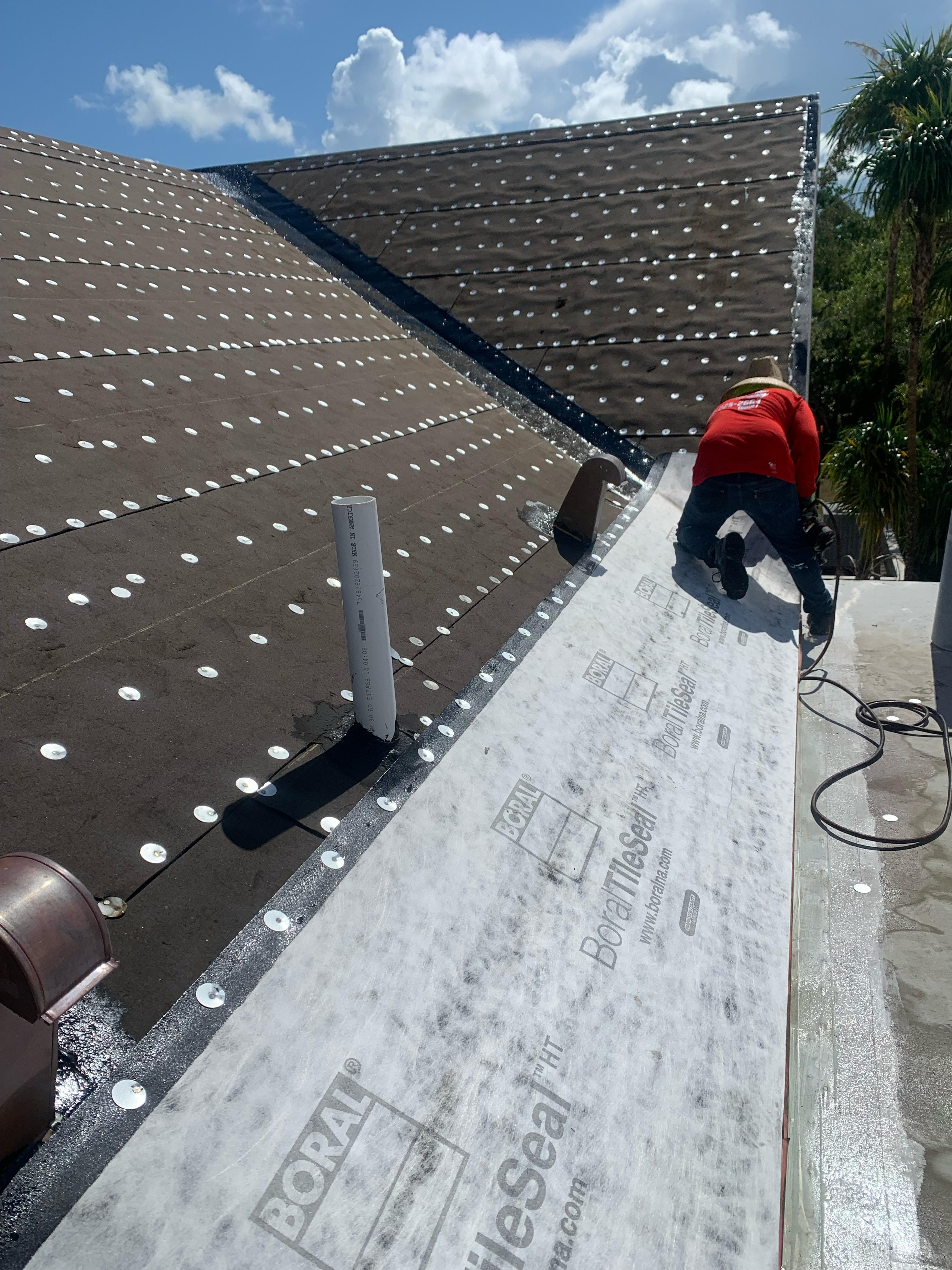
Understand Miami-Dade roofing codes, HVHZ requirements, NOA product approvals, and Florida Building Code 2023 standards that affect your roof in 2026.
Read More