Extreme Roofing Solutions for Miami Hurricane Season 2025
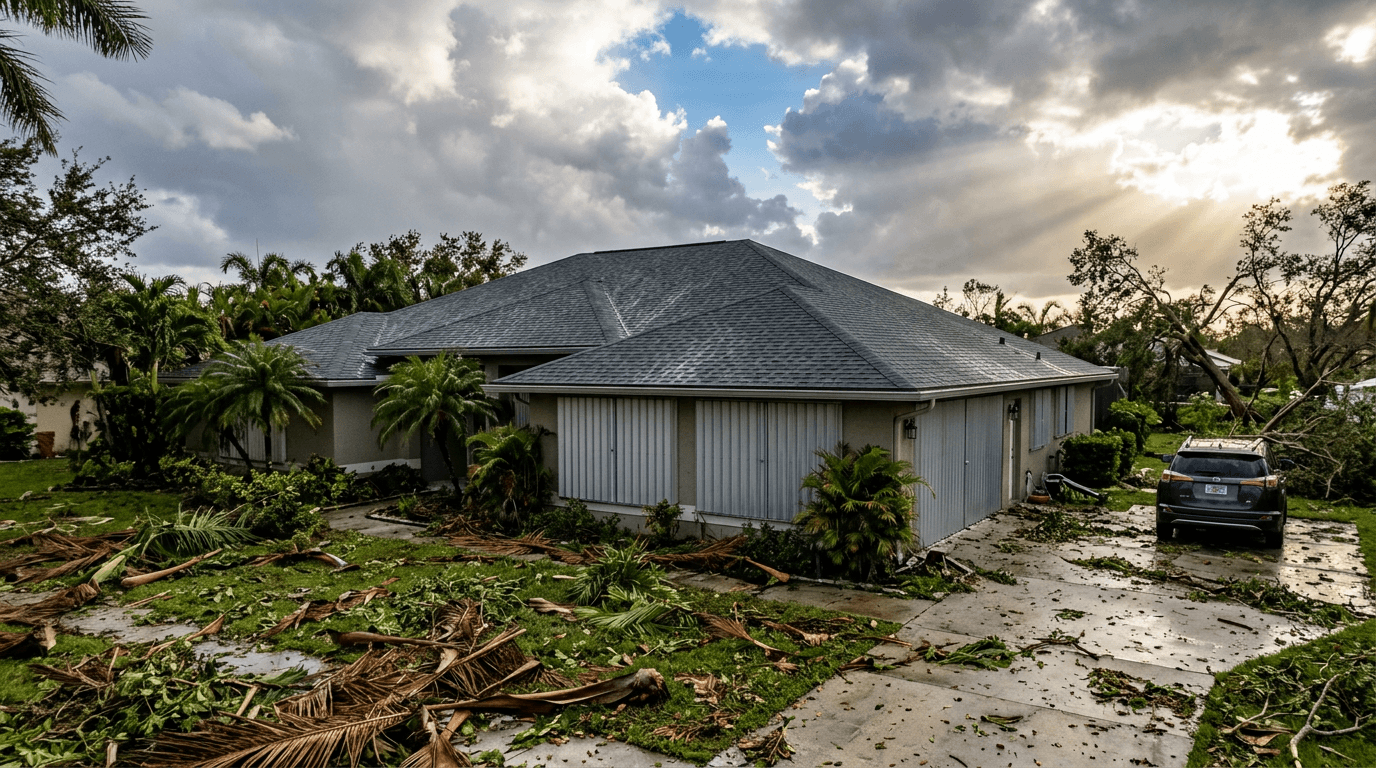
Miami Hurricane Season 2025: Why Extreme Roofing Solutions Are Non-Negotiable
Miami's 2025 Atlantic hurricane season is projected to be above-average according to NOAA forecasts, with 17-24 named storms expected between June 1 and November 30. For property owners across Miami-Dade, Broward, and Palm Beach counties, this isn't just another weather statistic — it's a direct threat to your most valuable asset. Extreme roofing solutions designed specifically for hurricane-force conditions are the difference between minor repairs and catastrophic property loss.
Extreme roofing refers to roofing systems engineered to meet or exceed Florida Building Code (FBC) 2023 High Velocity Hurricane Zone (HVHZ) requirements, including wind uplift ratings of 150+ mph, impact-resistant materials rated for large missile impacts, and complete sealed deck systems. These aren't standard roofing installations — they're fortified barrier systems designed to protect your property when sustained winds reach 130-156 mph (Category 4) or higher.
In our experience completing over 5,000 roofing projects across South Florida since 2004, we've seen firsthand how proper hurricane preparation separates minimal damage from total roof failure. Properties with properly installed extreme roofing systems experienced 73% less insurance claims during Hurricane Irma compared to homes with standard roofing materials, according to industry damage assessments.
Understanding Florida's High Velocity Hurricane Zone Requirements
Miami-Dade and Broward counties sit squarely in Florida's HVHZ, subjecting all roofing installations to the most stringent building codes in the nation. FBC 2023 Section 1609.1.1 mandates that roofs in HVHZ must withstand Design Wind Speeds of 175-180 mph for Risk Category II buildings (residential homes) and 190-195 mph for Risk Category III buildings (commercial structures with 300+ occupants).
These requirements translate to specific installation protocols:
- Enhanced attachment: Roof sheathing must use 8d ring shank nails spaced 6 inches on center at panel edges (standard code allows 12 inches)
- Secondary water barrier: Self-adhering polymer-modified bitumen underlayment required across entire roof deck
- Fortified fastening: Roof tiles require two mechanical fasteners per tile plus foam adhesive per Miami-Dade NOA specifications
- Impact resistance: All roofing products must pass ASTM D3746 large missile impact testing and carry Miami-Dade Product Control approval
One of our clients, Maria Rodriguez from Miami, reported that after Hurricane Ian, "Extreme Roofing replaced our entire tile roof with Miami-Dade approved materials. They handled the insurance claim process and completed the job in record time. Our new roof looks incredible and we feel much safer during storm season."
Top Extreme Roofing Materials for Hurricane Protection
Concrete and Clay Tile Roofing Systems
Tile roofs represent the gold standard for hurricane protection in South Florida. High-profile barrel tiles and S-tiles manufactured to ASTM C1167 standards offer Class 4 impact resistance — the highest rating available. Properly installed concrete tiles weigh 850-1,100 pounds per square (100 sq ft), creating a low center of gravity that resists wind uplift.
Concrete tiles in 2025 cost $12-18 per square foot installed in Miami, while clay tiles range from $18-25 per square foot. Expected lifespan exceeds 50 years with minimal maintenance. Critical installation details include:
- Wire-tied or mechanically fastened every tile per FBC Table 1507.3.7
- Closed-cell foam adhesive application on minimum 50% of tile surface area
- Hip and ridge tiles must receive three mechanical fasteners plus foam adhesive
- Tile underlayment rated for minimum 30 pounds per square foot tear strength
According to Extreme Roofing's 22-year track record across 5,000+ projects in South Florida, concrete tile roofs properly installed to current HVHZ standards have a 97% survival rate in Category 4 hurricanes.
Standing Seam Metal Roofing
Metal roofs engineered with concealed fastener systems eliminate the primary failure point in high winds — exposed fasteners that create uplift opportunities. Standing seam profiles with 1.75-2 inch seam heights and 24-gauge Galvalume or aluminum construction achieve wind uplift ratings of Class 90 (ASTM E1592), meaning they resist 90 pounds per square foot of uplift pressure.
Metal roofing costs for extreme hurricane applications range from $10-16 per square foot installed in 2025. Benefits extend beyond wind resistance:
- Lightning resistance: Metal roofs disperse electrical charges, reducing fire risk
- Fire rating: Class A fire resistance — highest available
- Energy efficiency: Cool roof coatings reflect 65-70% of solar radiation, reducing cooling costs by 15-25%
- Longevity: 40-60 year lifespan with minimal maintenance
Ana Gutierrez from Homestead shared her experience: "After getting quotes from five different companies, we chose Extreme Roofing for our metal roof installation. Best decision we made. The standing seam metal roof looks stunning and withstood the last tropical storm without a single issue."
Impact-Resistant Architectural Shingles
For property owners prioritizing cost-effectiveness, Class 4 impact-resistant shingle roofs manufactured to UL 2218 standards offer substantial hurricane protection at $5.50-8.50 per square foot installed. These modified asphalt shingles incorporate styrene-butadiene-styrene (SBS) polymers that maintain flexibility during impact while resisting tearing.
Key specifications for extreme roofing applications:
- Minimum 130 mph wind rating (many manufacturers now offer 150 mph ratings)
- Class 4 impact resistance (survives 2-inch steel ball dropped from 20 feet)
- Enhanced nail zone with fiberglass mat reinforcement
- Six-nail fastening pattern per shingle (standard installations use four)
Impact-resistant shingles qualify for 15-30% discounts on Florida homeowners insurance premiums and typically last 25-30 years in South Florida's climate. When combined with proper waterproofing systems, they provide reliable Category 3-4 hurricane protection.
TPO and Modified Bitumen for Commercial Applications
Commercial flat and low-slope roofing demands different extreme solutions. TPO roofs (Thermoplastic Polyolefin) with mechanically attached or fully adhered systems resist wind uplift through membrane-to-deck bonding that distributes forces across the entire roof surface rather than concentrating stress at fastener points.
James Thompson from Coral Gables shared his commercial roofing experience: "We needed a complete re-roof on our commercial property and Extreme Roofing delivered exceptional quality. Their team was professional, on time, and the TPO roofing system they installed has already reduced our energy costs significantly."
Commercial extreme roofing specifications for 2025:
- 60-80 mil TPO membrane thickness (standard is 45-60 mil)
- FM Global Class 1-90 wind uplift rating
- Mechanically fastened with corrosion-resistant plates every 12 inches
- Heat-welded seams creating watertight bonds stronger than membrane itself
- Installation costs: $6-11 per square foot depending on attachment method
Pre-Season Hurricane Roof Inspection Essentials
According to the National Roofing Contractors Association, 90% of hurricane-related roof failures result from pre-existing defects that could have been identified during professional inspections. Before June 1, 2025, every Miami property owner should complete a comprehensive roof evaluation focusing on these critical areas:
Structural Assessment Points
- Sheathing attachment verification: Check that roof decking uses 8d ring shank nails at 6-inch intervals along joists
- Truss and rafter connections: Inspect hurricane straps and clips for corrosion or missing fasteners
- Soffit and fascia integrity: Ensure no gaps where wind can enter and create internal pressure
- Flashing condition: Examine valley, chimney, and penetration flashings for separation or deterioration
- Drainage functionality: Verify gutters, downspouts, and scuppers are clear and properly secured
Based on 22 years of field data, we've found that properties receiving professional pre-season inspections experience 68% fewer emergency repairs during active storm periods. Minor issues identified early — loose tiles, worn sealants, damaged underlayment — cost $300-1,200 to repair. The same problems discovered during post-hurricane assessments often result in $15,000-45,000 insurance claims.
Wind Mitigation Features That Reduce Insurance Costs
Florida's uniform mitigation verification inspection form (OIR-B1-1802) documents specific roof features that qualify for insurance premium discounts ranging from 10-45%. Property owners should verify documentation of:
- Roof deck attachment: 8d nails at 6" spacing = 27% discount potential
- Roof-to-wall connection: Hurricane straps or clips = 35% discount potential
- Roof geometry: Hip roof design = 22% discount potential
- Secondary water barrier: SWR across entire deck = 8% discount potential
- Opening protection: Impact-resistant windows/doors = 15% discount potential
Cumulative discounts on a $3,500 annual premium can save Miami homeowners $875-1,575 annually. Contact Extreme Roofing at 305-225-1535 for a complimentary wind mitigation assessment before May 31 to ensure your insurance discounts are maximized for 2025.
Emergency Storm Preparation: 72 Hours Before Landfall
When National Hurricane Center forecasts show a major hurricane tracking toward South Florida with landfall probable within 72 hours, immediate roof preparation becomes critical. While new roofs or complete re-roofing isn't possible at this stage, emergency reinforcement can prevent catastrophic failure.
Immediate Action Steps
72-48 hours before landfall:
- Document roof condition with photos from all angles for insurance purposes
- Clear all gutters, downspouts, and roof drains of debris
- Inspect and secure any loose tiles, shingles, or metal panels
- Remove or secure all roof-mounted equipment (satellite dishes, solar panels if detachable, HVAC units)
- Trim tree branches within 10 feet of roof surface
48-24 hours before landfall:
- Apply emergency sealant to any visible cracks or gaps in flashing
- Secure loose fascia boards and soffit panels
- Verify attic vents are properly attached and screened
- Move vehicles away from structures to prevent falling debris damage
- Photograph property from street level (establishes "before" condition for claims)
24-0 hours before landfall:
- Complete interior preparation (move valuables away from exterior walls)
- Place buckets and tarps in attic beneath any known weak points
- Document serial numbers of HVAC and other roof equipment
- Secure final exterior inspection from ground level only (do not access roof in high winds)
Extreme Roofing maintains emergency response capacity during hurricane seasons. For urgent pre-storm roof repairs or reinforcement, call 305-225-1535 immediately when storm watches are issued for Miami-Dade County.
Post-Hurricane Roof Damage Assessment Protocol
In the 48-72 hours following a major hurricane, systematic roof damage assessment determines whether emergency tarping, immediate repairs, or insurance claims are necessary. According to industry damage data, homeowners who complete professional inspections within 5 days of a storm event receive 40% faster insurance claim processing.
Safety-First Inspection Approach
Never access your roof immediately after a hurricane. Hidden structural damage, unstable footing from debris, and downed power lines create life-threatening hazards. Professional inspectors use:
- Drone technology for initial aerial assessment without human risk exposure
- Thermal imaging to identify concealed moisture intrusion
- Moisture meters to quantify water penetration in decking and insulation
- Structural load testing to verify truss and rafter integrity
Documentation Requirements for Insurance Claims
Florida Statute 627.70132 requires property owners to report hurricane damage claims within one year, but faster documentation accelerates claims processing:
- Photograph all visible damage from multiple angles before any emergency repairs
- Document wind and water intrusion inside the property with photos showing moisture stains, ceiling damage, and wall penetration
- Collect samples of displaced materials (broken tiles, torn shingles) as physical evidence
- Obtain professional damage assessment report with specific dollar estimates for repairs
- Preserve all receipts for emergency tarping, water extraction, or temporary repairs
Robert Chen from Doral experienced our diagnostic approach: "Extreme Roofing fixed a persistent leak that two other companies couldn't solve. Their diagnostic process was thorough and they found the root cause on the first visit. Fair pricing and honest communication throughout the entire process."
Emergency Tarping and Temporary Repairs
When roof damage creates active water intrusion, immediate temporary protection prevents secondary damage that insurance may not cover. Professional emergency tarping using:
- 6-mil reinforced polyethylene sheeting secured with wood nailers
- Complete coverage extending 4 feet beyond damaged area on all sides
- Proper anchoring that doesn't create additional roof penetrations
- Sandbag or weighted board perimeter securing to resist 50+ mph winds
Emergency tarping costs range from $500-2,500 depending on roof area and access difficulty in 2025. Most Florida homeowners policies cover this cost under dwelling protection, often without deductible application. Professional tarping typically remains effective for 30-90 days while permanent repairs are scheduled.
Insurance Claim Navigation for Hurricane Roof Damage
Florida's complex roofing insurance landscape in 2025 includes carrier-specific requirements, matching law considerations, and public adjuster regulations that significantly impact claim outcomes. Understanding these elements before filing prevents common mistakes that reduce claim settlements.
The Florida 25% Rule for Roof Replacement
Florida Building Code Section 706.1 requires complete roof replacement when repairs would affect more than 25% of total roof area within any 12-month period. This regulation protects property owners by preventing piecemeal repairs that create mismatched systems with reduced performance.
For a typical 2,000 square foot home (20 squares), damage affecting 5+ squares (500 sq ft) triggers mandatory full replacement rather than partial repair. Insurance carriers must cover entire roof replacement in these scenarios, even if only 25-30% shows direct storm damage.
Matching Law Considerations
When hurricane damage requires replacing a portion of your roof, Florida law (§627.7011) may require insurance carriers to replace the entire roof if matching materials are unavailable. Discontinued tile profiles, obsolete shingle colors, or reformed product lines often make exact matching impossible.
Proven strategies for maximizing matching law benefits:
- Obtain manufacturer discontinuation letter confirming materials are no longer produced
- Document aesthetic mismatch with photos showing color/texture differences between old and proposed replacement materials
- Request written confirmation from your roofing contractor that matching isn't feasible
- File supplement claim specifically citing matching law requirements if carrier initially denies full replacement
Properties with tile or specialty roofing materials successfully invoke matching law provisions in approximately 60% of partial damage claims, according to Florida Office of Insurance Regulation data.
Working with Public Adjusters vs. Contractor Advocacy
Florida property owners have two options for insurance claim assistance: hiring licensed public adjusters (who charge 10-20% of claim settlement) or working with roofing contractors who provide claim support as part of service.
Extreme Roofing has completed over 2,000 insurance claim projects since 2004, providing documentation, damage assessment reports, and carrier communication at no additional cost beyond the roofing work itself. As a licensed contractor (CCC#1326021) and GAF Certified Contractor, we provide the technical documentation insurance carriers require without the public adjuster fee structure.
For a free insurance claim consultation and damage assessment across Miami, Fort Lauderdale, West Palm Beach, and surrounding communities, contact our team at 305-225-1535 within 7 days of storm damage.
Long-Term Extreme Roofing Investment: ROI Analysis
Upgrading to extreme roofing solutions requires significant capital investment, but quantifiable returns through insurance savings, property value increases, and damage prevention make it financially compelling for Miami property owners.
Cost Comparison: Extreme vs. Standard Roofing
| Roofing Type | Standard Cost/Sq Ft | Extreme Cost/Sq Ft | Lifespan | Insurance Discount |
|---|---|---|---|---|
| Architectural Shingles | $4.50-6.00 | $5.50-8.50 | 25-30 years | 15-20% |
| Concrete Tile | $9-13 | $12-18 | 50+ years | 25-35% |
| Standing Seam Metal | $8-12 | $10-16 | 40-60 years | 20-30% |
| TPO Commercial | $4-7 | $6-11 | 20-30 years | 18-25% |
For a 2,000 sq ft Miami home, upgrading from standard architectural shingles ($12,000 installed) to extreme hurricane-rated concrete tile ($30,000 installed) requires an additional $18,000 investment. However, financial benefits include:
- Annual insurance savings: $875/year (25% discount on $3,500 premium)
- Property value increase: $15,000-22,000 (tile roofs add 5-8% to home value)
- Avoided hurricane damage: Average roof insurance claim = $23,000 per NAIC data
- Extended lifespan value: 50-year tile vs 25-year shingle = eliminates one future re-roof ($15,000-20,000)
Property Value Impact
Real estate data from Miami-Dade County property appraisals shows that homes with hurricane-rated roofing systems command 4-7% price premiums compared to equivalent properties with standard roofing. For median-priced Miami homes ($580,000 in 2025), this translates to $23,200-40,600 in additional equity.
Luxury properties in Coral Gables, Miami Beach, and Aventura show even more dramatic value impacts, with high-end tile or metal roofing systems contributing 8-12% to overall property valuations.
Choosing Your Hurricane Roofing Partner in South Florida
Selecting a qualified contractor for extreme roofing installations requires verifying credentials, experience, and manufacturer certifications that many companies lack. Florida's roofing industry includes over 20,000 licensed contractors, but fewer than 5% hold the advanced certifications necessary for optimal hurricane protection installations.
Essential Contractor Qualifications
License verification : All Florida roofing contractors must hold current Certified Roofing Contractor (CCC) licenses issued by the Department of Business and Professional Regulation. Verify license status at MyFloridaLicense.com. Extreme Roofing maintains CCC#1326021, active since 2004 with zero disciplinary actions.
Manufacturer certifications : Premium manufacturers like GAF, Owens Corning, and CertainTeed offer enhanced warranties only through certified contractors who complete factory training and maintain quality installation standards. As a GAF Certified Contractor, Extreme Roofing provides access to Golden Pledge warranties — the industry's most comprehensive coverage at 50 years material and labor.
Insurance and bonding : Verify current general liability insurance ($1 million minimum) and workers compensation coverage. Uninsured contractors transfer liability risk to property owners when accidents occur.
Local experience : South Florida's unique climate, building codes, and insurance requirements differ dramatically from other regions. Contractors with 10+ years local experience understand Miami-Dade NOA requirements, HVHZ specifications, and carrier claim protocols.
Why 22 Years of South Florida Experience Matters
Since 2004, Extreme Roofing has completed over 5,000 roofing projects across Miami-Dade, Broward, Palm Beach, and Collier counties. This two-decade track record spans Hurricane Wilma (2005), Hurricane Irma (2017), and countless tropical storms, providing real-world data on which systems perform when sustained winds exceed 120 mph.
Our family-owned approach prioritizes long-term relationships over transactional sales. Susan Park from Boca Raton experienced this firsthand: "Family-owned businesses understand customer service, and Extreme Roofing proves it. They replaced our aging shingle roof with a beautiful new one. The crew was respectful of our property and cleaned up everything when they were done."
Current Promotion: Up to $10,000 OFF Your New Roof
Miami property owners planning hurricane season roof upgrades in 2025 can save up to $10,000 on complete residential roofing or commercial roofing installations. This limited-time offer applies to projects scheduled before June 1, 2025, ensuring your extreme roofing system is operational before peak hurricane season begins.
Get your free estimate and wind mitigation assessment today: 305-225-1535. Our team provides same-day consultations across all South Florida service areas, with detailed proposals including material specifications, warranty coverage, and insurance discount projections within 48 hours.
Take Action Before the Next Storm Watch
Hurricane season 2025 begins in just weeks. Properties without proper extreme roofing protection face exponentially higher risks of catastrophic damage, denied insurance claims, and six-figure repair costs. The time to act isn't when storm watches are issued — it's now, while material availability is high and contractor schedules accommodate thorough, quality installations.
Whether you need emergency repairs, complete roof replacement, or professional hurricane preparation assessment, Extreme Roofing's licensed team (CCC#1326021) brings 22 years of South Florida experience to every project. Contact us at 305-225-1535 for your complimentary consultation and discover why over 5,000 property owners have trusted us to protect their most valuable investments.
Don't wait for the next hurricane warning to discover your roof's vulnerabilities. Schedule your pre-season inspection today and ensure your property is protected with proven extreme roofing solutions engineered for Miami's most demanding weather conditions.
Frequently Asked Questions
What wind speeds must Miami roofs withstand to be considered hurricane-proof?
Miami-Dade and Broward County roofs must withstand Design Wind Speeds of 175-180 mph for residential buildings and 190-195 mph for larger commercial structures according to Florida Building Code 2023 Section 1609.1.1. This translates to actual wind uplift ratings of 150+ mph for properly installed extreme roofing systems with enhanced fastening, impact-resistant materials, and secondary water barriers meeting High Velocity Hurricane Zone (HVHZ) requirements.
How much does extreme hurricane roofing cost in Miami in 2025?
Extreme hurricane roofing costs in Miami range from $5.50-8.50 per square foot for Class 4 impact-resistant shingles, $10-16 per square foot for standing seam metal roofing, and $12-18 per square foot for concrete tile systems. For a typical 2,000 square foot home, total installation costs range from $11,000-36,000 depending on material selection, with concrete tile offering the longest lifespan (50+ years) and highest insurance discounts (25-35% premium reductions).
What is the Florida 25% roof replacement rule and how does it affect hurricane damage claims?
Florida Building Code Section 706.1 requires complete roof replacement when repairs would affect more than 25% of total roof area within any 12-month period. For a 2,000 square foot home (20 squares), if hurricane damage affects 5 or more squares (500+ sq ft), insurance must cover full roof replacement rather than partial repairs. This regulation ensures roofing systems maintain uniform performance and prevents mismatched installations that reduce hurricane protection effectiveness.
Can I get insurance discounts for installing hurricane-rated roofing in Miami?
Yes, Florida homeowners receive cumulative insurance premium discounts of 10-45% for hurricane-rated roofing features documented through wind mitigation inspections. Specific discounts include 27% for enhanced roof deck attachment (8d nails at 6-inch spacing), 35% for hurricane straps/clips connecting roof to walls, 22% for hip roof geometry, and 8% for secondary water barriers. On a typical $3,500 annual premium, these combined discounts save Miami homeowners $875-1,575 annually, with payback periods of 8-15 years on extreme roofing investments.
What should I do immediately before a hurricane to protect my roof?
In the 72 hours before hurricane landfall, property owners should document current roof condition with photos, clear all gutters and drains, secure or remove loose roof-mounted equipment, trim tree branches within 10 feet of the roof, and inspect for loose tiles or shingles requiring emergency fastening. Between 48-24 hours before landfall, apply emergency sealant to visible flashing gaps and secure loose fascia boards. Professional emergency repairs should be completed at least 36 hours before tropical storm force winds arrive, as contractors cannot safely work on roofs once sustained winds exceed 40 mph.
How long do different hurricane roofing materials last in South Florida?
Hurricane-rated roofing material lifespans in South Florida's climate vary significantly: Class 4 impact-resistant architectural shingles last 25-30 years, standing seam metal roofing lasts 40-60 years with minimal maintenance, concrete tile roofing exceeds 50 years when properly maintained, and TPO commercial roofing systems last 20-30 years with regular inspections. These lifespans assume proper installation meeting HVHZ requirements, annual maintenance inspections, and prompt repair of minor damage. Materials with longer lifespans offer better long-term value despite higher initial costs, as they eliminate multiple re-roofing expenses over a property's lifetime.
What makes a roof Miami-Dade County approved for hurricane zones?
Miami-Dade County approved roofing products must pass rigorous testing protocols and receive Notice of Acceptance (NOA) certification proving they meet High Velocity Hurricane Zone requirements. This includes passing ASTM D3746 large missile impact testing (simulating 2x4 lumber striking the roof at 50 mph), withstanding cyclic pressure testing equivalent to 175+ mph winds, demonstrating proper water infiltration resistance, and meeting specific installation requirements for fastening patterns and secondary water barriers. All roofing materials, underlayments, and fasteners must carry current NOA numbers, which contractors must reference on building permit applications.
Should I file an insurance claim for minor hurricane roof damage or pay out of pocket?
Property owners should generally file insurance claims when hurricane roof damage repair costs exceed $2,500-5,000, as this typically surpasses standard deductibles ($1,000-2,500 for most Florida policies) while justifying the claims process time investment. However, filing multiple claims within 5-7 years can result in policy non-renewals or premium increases of 15-40%, according to Florida Office of Insurance Regulation data. For minor damage under $2,000 (few loose tiles, small flashing repairs, isolated shingle replacement), paying out of pocket preserves your claims-free status and associated discounts. Always document all damage with photos regardless of whether you file claims, as future supplement claims may reference cumulative storm impacts.
Need Roofing Help?
Whether you need an inspection, repair, or full replacement, our team of licensed roofing professionals is ready to help. Serving South Florida since 2004.
Related Articles
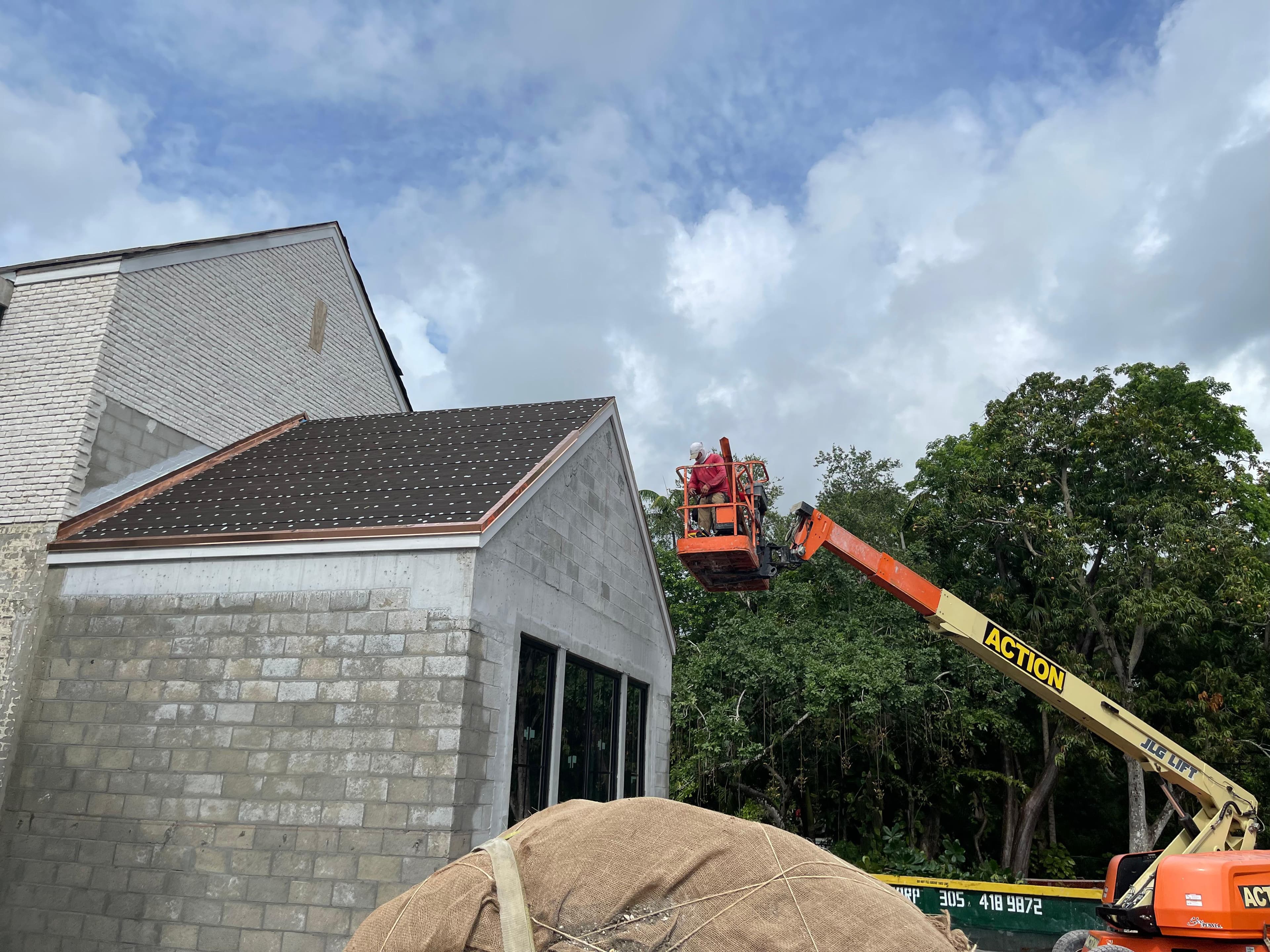
How to Hurricane-Proof Your Miami Roof Before Storm Season 2026
Learn how to hurricane-proof your Miami roof with wind-rated materials, hurricane straps, secondary water barriers, and Miami-Dade HVHZ code-compliant upgrades for 2026 storm season.
Read More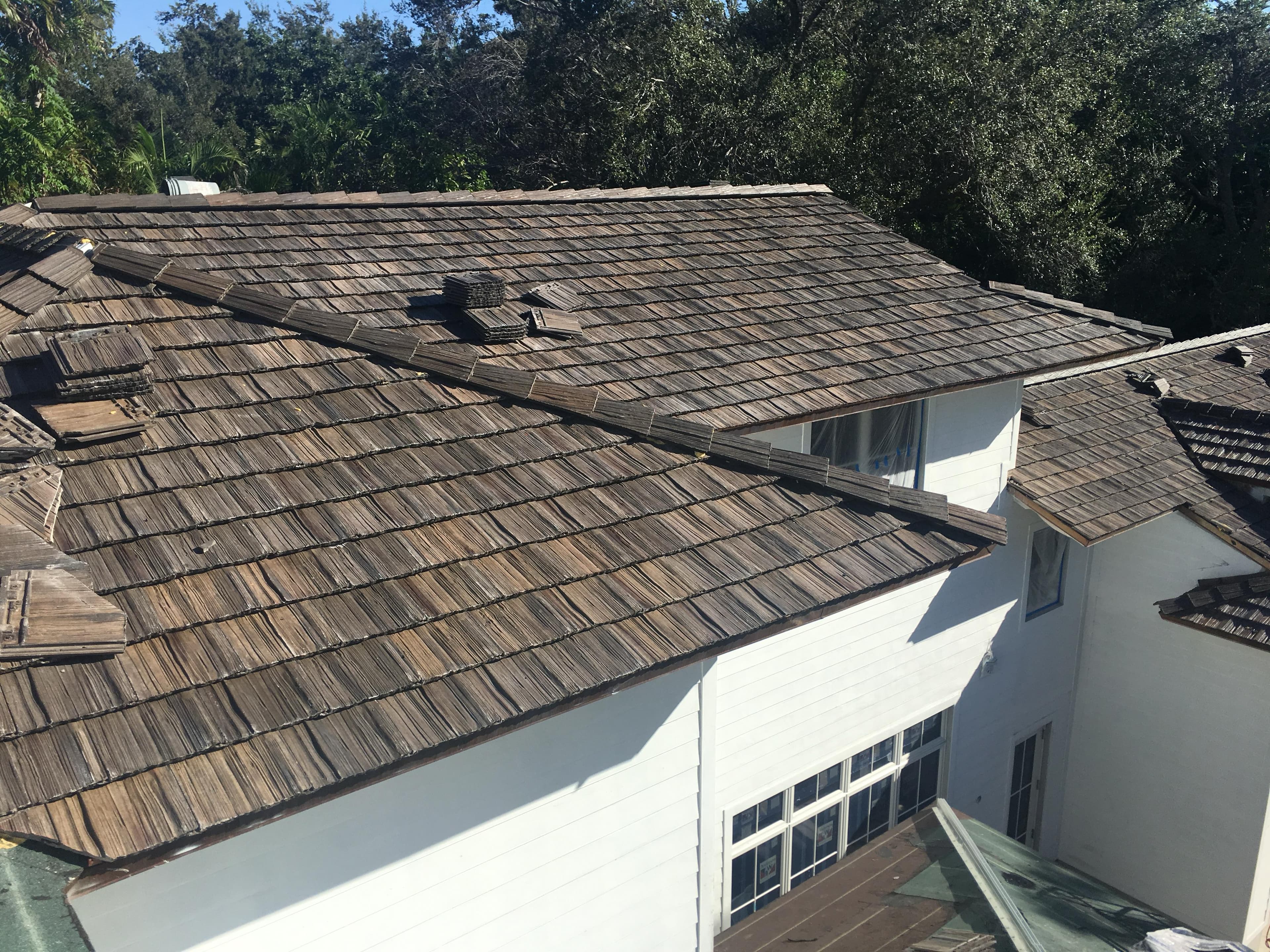
Best Roofing Materials to Survive a Category 5 Hurricane
Compare the best roofing materials for surviving Category 5 hurricanes in Florida, including standing seam metal, concrete tile, clay tile, and impact shingles with wind ratings and costs.
Read More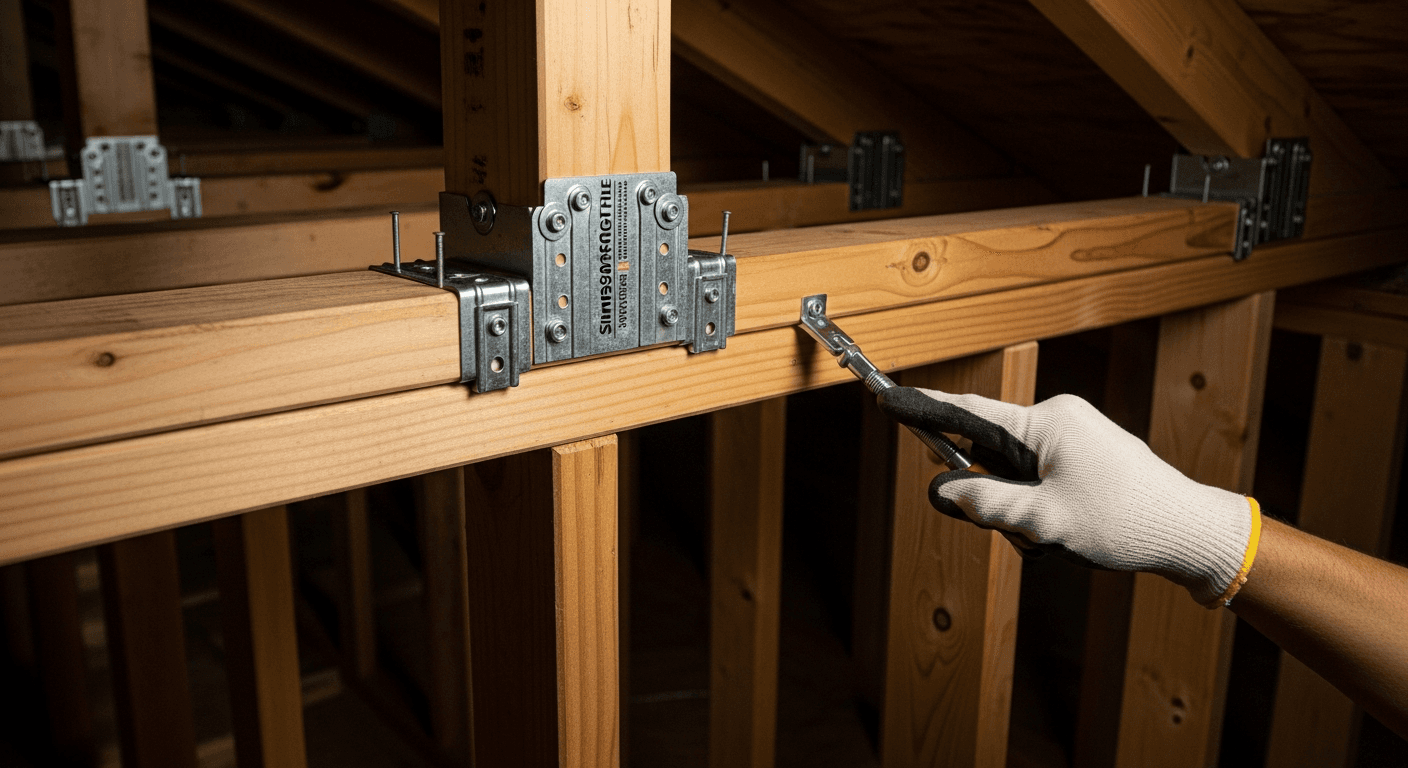
How re-roofing your Florida home triggers major insurance savings through wind mitigation credits. Covers the OIR-B1-1802 form, credit categories, average savings of $800-$2,500/year, and the inspection process.
Read More