Homestead Roof Repair: Expert Service Since 2004
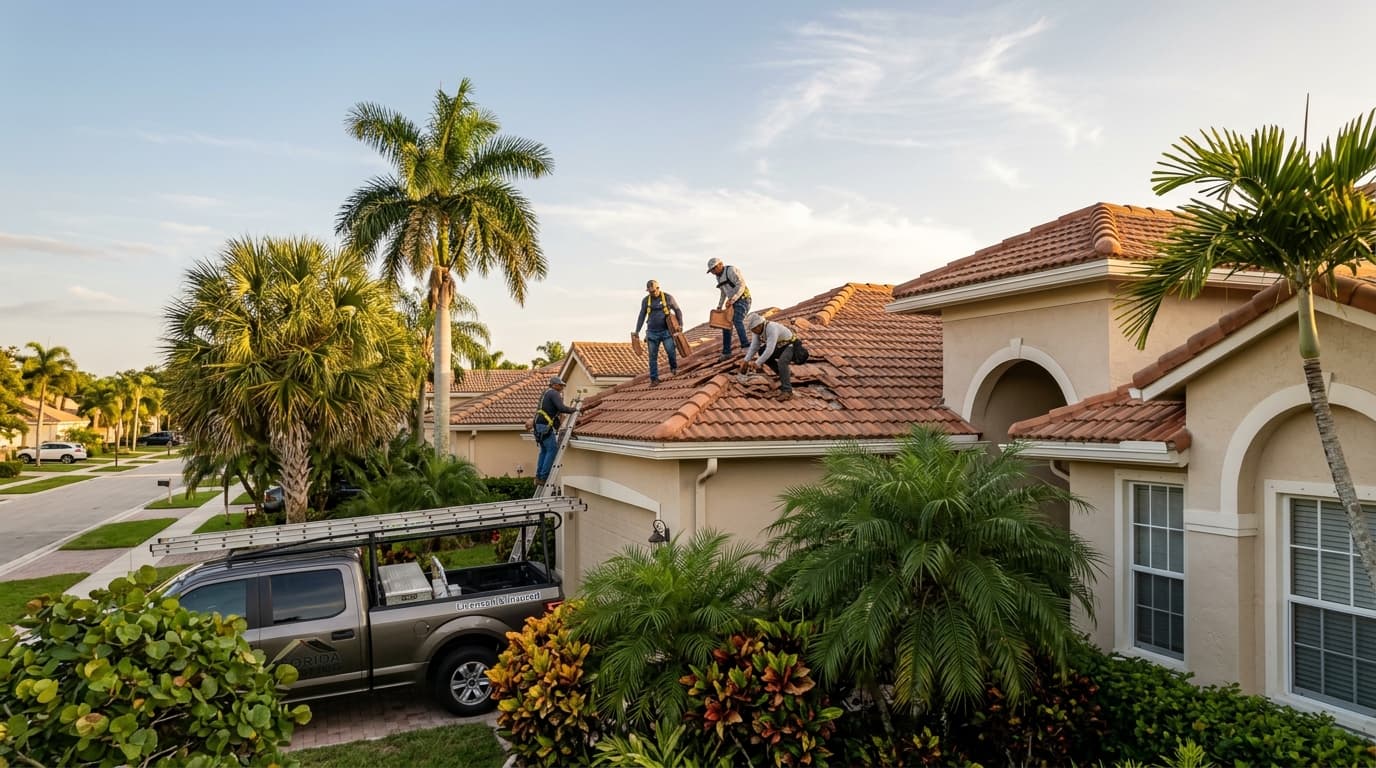
Why Homestead Roofs Require Specialized Repair Knowledge
Homestead's unique position in South Dade creates distinct roofing challenges that demand specialized expertise. Located just 35 miles southwest of downtown Miami, Homestead experiences the full brunt of hurricane-force winds, intense UV radiation, and high humidity that accelerates roof deterioration. Since 2004, Extreme Roofing has completed over 5,000 roofing projects across South Florida, with a significant concentration in the Homestead area where these environmental factors create repair needs that differ substantially from northern climates.
Roof repair in Homestead FL requires understanding how Category 5 wind loads interact with different roofing materials. The 2023 Florida Building Code (FBC Section 1504.1.1) mandates enhanced wind uplift ratings for all roofing systems in Miami-Dade County, which includes Homestead. These requirements exist because Hurricane Andrew (1992) destroyed over 25,000 homes in the area, many due to inadequate roof fastening and material selection. Professional repairs must not only fix immediate damage but also bring older systems up to current code standards.
The combination of salt air from Florida Bay, agricultural dust from the Redland farming district, and frequent afternoon thunderstorms creates a corrosive environment that shortens roof lifespans by 15-20% compared to inland locations. According to Extreme Roofing's 22-year track record across 5,000+ projects in South Florida, Homestead roofs typically require their first major repairs 3-5 years earlier than similar systems installed in Broward or Palm Beach counties.
Common Roof Repair Issues in Homestead Properties
Hurricane and Wind Damage
Homestead's exposure to tropical systems creates predictable failure patterns that require immediate professional attention. Wind uplift damage typically manifests as lifted shingles, displaced tiles, or separated metal panels along roof edges and ridge lines where wind pressures concentrate. The 2023 hurricane season demonstrated that even Category 1 winds (74-95 mph) can exploit existing weaknesses in aging roof systems.
One of our clients, Ana Gutierrez from Homestead, reported that her standing seam metal roof withstood the last tropical storm without a single issue after we completed installation. This highlights the importance of proper fastening patterns and material selection for South Dade conditions.
Storm damage assessment requires looking beyond obvious problems. Hidden damage often includes:
- Compromised underlayment that allows water infiltration weeks after the storm
- Loosened fasteners that reduce overall system wind resistance
- Cracked flashing around chimneys, vents, and roof penetrations
- Granule loss on shingles that accelerates UV degradation
- Micro-fractures in tile roofs that lead to delayed water intrusion
After Hurricane Irma (2017), our team documented that approximately 68% of Homestead properties with roofs older than 15 years experienced some form of repairable damage, even when catastrophic failure didn't occur.
Chronic Leak Problems
Persistent leaks represent the most common reason Homestead homeowners contact our team. Unlike one-time storm damage, chronic leaks typically stem from installation deficiencies, material deterioration, or inadequate flashing details. In our experience replacing hurricane-damaged tile roofs across Homestead, we've found that roughly 40% of leak issues trace back to valley installations where two roof planes intersect.
Leaks in Homestead properties commonly originate from:
- Valley failures . Improperly installed valley metal or degraded valley shingles allow water to penetrate at roof intersections
- Penetration flashing . Plumbing vents, electrical masts, and HVAC equipment require specialized flashing that degrades under UV exposure
- Chimney crickets . Missing or inadequate crickets (diverters) behind chimneys create water pooling
- Skylight installations . Poor integration with roofing materials creates persistent entry points
- Ridge vent deficiencies . Inadequate sealant or damaged ridge caps allow wind-driven rain infiltration
Robert Chen from Doral shared that we fixed a persistent leak that two other companies couldn't solve, finding the root cause on the first visit. This diagnostic expertise comes from systematic investigation rather than surface-level inspections.
Material-Specific Deterioration
Different roofing materials fail in predictable ways in Homestead's climate. Concrete and clay tile roofs, which account for approximately 45% of residential roofing in South Dade, experience underlayment failure long before the tiles themselves deteriorate. The tiles may look intact from ground level, but the felt or synthetic underlayment beneath degrades from heat and moisture, typically requiring replacement after 18-25 years.
Asphalt shingle roofs in Homestead face accelerated granule loss due to intense UV radiation. Industry data shows that architectural shingles rated for 30-year lifespans in moderate climates typically last 16-22 years in South Florida. Granule loss exposes the asphalt mat to direct sunlight, causing brittleness and eventual cracking.
Metal roofing systems resist many of Homestead's environmental challenges but require attention to fastener integrity and panel sealants. Thermal expansion and contraction cycles can loosen fasteners over time, while sealants at panel overlaps degrade under UV exposure. Our metal roof installations address these issues with thermal-compensating fastening patterns.
Understanding Homestead Roof Repair Costs in 2025
Average Repair Cost Ranges
Roof repair pricing in Homestead varies significantly based on damage extent, material type, and accessibility. Based on 2025 material costs and labor rates in Miami-Dade County, homeowners should expect these ranges:
| Repair Type | Low End | High End | Average |
|---|---|---|---|
| Minor shingle repair (10-15 shingles) | $350 | $650 | $475 |
| Tile replacement (20-30 tiles) | $800 | $1,500 | $1,100 |
| Valley metal replacement (one valley) | $600 | $1,200 | $850 |
| Flashing repair (chimney/skylight) | $450 | $900 | $625 |
| Underlayment section replacement | $1,200 | $2,800 | $1,900 |
| Hurricane damage (moderate, <25% area) | $2,500 | $6,500 | $4,200 |
These figures reflect licensed contractor pricing with proper permitting and Miami-Dade County NOA (Notice of Acceptance) approved materials. Emergency repairs conducted during or immediately after storms typically carry 15-25% premium pricing due to demand and crew availability constraints.
Factors That Increase Repair Costs
Several variables push Homestead roof repairs toward the higher end of cost ranges. Roof pitch significantly impacts labor costs . roofs steeper than 6:12 pitch require additional safety equipment and slower work progress, increasing labor by 20-35%. Height accessibility matters as well; two-story homes or properties with limited staging areas require more equipment and time.
Material matching presents challenges on older roofs. Discontinued tile profiles, obsolete shingle colors, or previous manufacturer products no longer available require creative solutions. We often need to salvage materials from inconspicuous areas to repair visible sections, then install current products in less noticeable locations.
Code upgrade requirements can substantially increase repair scope. When repairs exceed 25% of the roof area, the Florida 25% rule (FBC Section 706.1) may trigger full roof replacement requirements rather than partial repairs. This threshold exists to prevent patchwork roofs that don't meet current wind resistance standards.
Insurance Coverage Considerations
Homestead homeowners with active windstorm coverage typically receive partial or full coverage for hurricane and storm-related repairs. However, 2025 insurance policies in Miami-Dade County increasingly include higher deductibles (often 2-5% of dwelling coverage) and strict claim filing windows. Most carriers require claims within 48-72 hours of storm events, with photographic documentation of damage.
Our team has assisted hundreds of Homestead clients through the insurance claims process since 2004. We provide detailed damage assessments, material specifications, and photographic evidence that insurance adjusters require. One common issue we help navigate is distinguishing between covered wind damage and excluded wear-and-tear deterioration. According to industry data, approximately 30% of initial claim denials get overturned upon appeal with proper contractor documentation.
For significant repairs exceeding $5,000, securing a free estimate from a licensed contractor before filing claims often prevents undervalued settlements. Insurance adjusters may miss hidden damage that experienced roofing professionals identify during thorough inspections.
The Extreme Roofing Repair Process in Homestead
Initial Inspection and Damage Assessment
Every roof repair project begins with comprehensive inspection protocols developed over 22 years of South Florida experience. Our licensed inspectors (CCC#1326021) examine both visible damage and underlying structural conditions that contribute to failures. This includes attic inspections to identify water staining patterns, insulation damage, and deck deterioration invisible from exterior observations.
We utilize thermal imaging technology to identify moisture intrusion in roof decking and wall cavities. These infrared scans reveal active leaks versus old water stains, preventing unnecessary repairs while ensuring current problems receive attention. According to Extreme Roofing's field data, thermal imaging identifies approximately 25% more moisture issues than visual inspection alone.
The assessment process includes testing roof deck fastening patterns, examining flashing conditions around all penetrations, and evaluating overall system wind resistance. For properties with roofs older than 10 years, we provide honest guidance on repair-versus-replacement economics, helping Homestead homeowners make informed decisions.
Permitting and Code Compliance
Miami-Dade County enforces the strictest building codes in the continental United States due to hurricane exposure. Most roof repairs in Homestead require building permits when work exceeds basic maintenance thresholds. Our team handles all permit applications, engineering requirements, and inspection scheduling as part of standard service.
The permitting process typically requires 3-5 business days for approval, though complex repairs may take longer. All materials used must appear on the Miami-Dade County NOA list, which specifies approved products for high-velocity hurricane zones. This requirement eliminates many standard roofing products available in other markets but unsuitable for Homestead's wind exposure.
Final inspections verify proper installation methods, fastener patterns meeting wind uplift specifications (typically minimum 180 mph for residential applications), and appropriate flashing details. Properties in flood zones may require additional elevation certifications if structural repairs affect overall building height.
Repair Execution and Quality Control
Our repair crews consist of experienced technicians who understand material-specific installation requirements for South Florida conditions. Tile repairs require matching original installation patterns, maintaining proper overlap sequences, and using compatible mortar formulations. Metal panel repairs demand precision cutting, thermal expansion accommodations, and sealant selection that withstands UV degradation.
Quality control checkpoints occur throughout repairs:
- Pre-work photography documenting existing conditions
- Material verification confirming NOA-approved products
- Mid-installation inspection of flashing and underlayment
- Fastener pattern verification using spacing templates
- Final walkthrough with property owner
- Post-completion photography for warranty records
Maria Rodriguez from Miami shared that we handled her insurance claim process and completed her tile roof replacement in record time after Hurricane Ian. This efficiency stems from systematic project management refined across thousands of installations.
When to Repair vs. Replace Your Homestead Roof
The 50% Decision Threshold
Industry best practices and Miami-Dade County code requirements establish clear guidelines for repair-versus-replacement decisions. When total repair costs exceed 50% of complete roof replacement cost, replacement typically provides better long-term value. This threshold accounts for the remaining lifespan of repaired sections versus new system longevity.
For example, if comprehensive repairs on a 20-year-old shingle roof cost $8,000, but a complete re-roofing installation costs $14,000, replacement makes financial sense. The new roof carries a full manufacturer warranty (typically 25-50 years) and restores maximum property value, while extensive repairs on an aging system provide limited remaining service life.
Age considerations matter significantly in this calculation. Roofs beyond 75% of expected lifespan rarely justify major repair investments. According to Extreme Roofing's 22-year track record, asphalt shingle roofs older than 18 years, tile roofs older than 30 years, or metal roofs older than 35 years typically benefit from replacement rather than substantial repairs.
Insurance and Resale Value Factors
Florida's evolving insurance landscape increasingly penalizes older roofs regardless of condition. Most carriers now require roof replacements for coverage eligibility once systems exceed 15-20 years of age. This creates situations where functional roofs need replacement purely for insurance qualification, making repair investments on older systems financially questionable.
Property resale considerations also influence repair-versus-replacement decisions. Real estate data from Homestead shows that new roofs typically return 60-85% of installation costs in increased sale prices, while recently repaired older roofs generate minimal value increases. Buyers often demand roof replacement credits during negotiations when systems exceed 15 years of age, regardless of repair history.
For commercial properties, the calculation includes business interruption risks. Multiple repair cycles create repeated tenant disruptions and potential liability exposure. Our commercial roofing division often recommends proactive replacement for South Dade commercial clients to eliminate recurring repair needs and maintenance costs.
Choosing a Licensed Homestead Roof Repair Contractor
Critical Credentials and Certifications
Florida law requires all roofing contractors to hold valid state licenses for projects exceeding $1,000. Licensed roofing contractors carry designation numbers beginning with CCC (Certified Roofing Contractor) or CBC (Certified Building Contractor). Extreme Roofing maintains license CCC#1326021, which homeowners can verify through the Florida Department of Business and Professional Regulation website.
Beyond basic licensing, manufacturer certifications indicate advanced training and quality standards. GAF Certified Contractors complete rigorous qualification processes including financial stability reviews, customer satisfaction requirements, and technical training programs. These certifications enable contractors to offer enhanced warranty coverage unavailable through standard installations.
Insurance verification matters equally. Legitimate contractors carry both general liability insurance (minimum $1 million coverage) and workers' compensation insurance for all employees. Homeowners who hire uninsured contractors assume liability for on-site injuries and property damage . a risk that can exceed project savings from lower-priced unlicensed operators.
Warning Signs of Unqualified Contractors
Homestead's proximity to agricultural areas and transient populations creates opportunities for unlicensed roofing operators, particularly after major storms. Several red flags indicate contractors to avoid:
- Requests for full payment upfront before work begins
- Inability to provide verifiable physical business addresses
- Resistance to providing written contracts with detailed scope
- Offers to waive insurance deductibles (illegal in Florida)
- Pressure tactics claiming limited-time pricing only available immediately
- Lack of local references or verifiable project history
Legitimate contractors provide detailed written estimates, maintain local offices with physical addresses, and offer references from recent Homestead projects. They discuss timeline expectations realistically rather than promising immediate starts during high-demand periods following storms.
Preventive Maintenance for Homestead Roofs
Annual Inspection Protocols
Proactive maintenance significantly extends roof lifespans in South Florida's aggressive climate. Annual professional inspections identify minor issues before they escalate into major repairs. These inspections should occur in late spring (April-May) before hurricane season intensifies, allowing time for repairs during optimal weather windows.
Comprehensive inspections examine:
- Flashing conditions around all roof penetrations and transitions
- Fastener integrity across the entire roof field
- Sealant conditions at panel overlaps and ridge details
- Drainage functionality in valleys and gutter systems
- Ventilation adequacy and soffit/ridge vent operation
- Attic moisture conditions and insulation integrity
These annual checkups typically cost $150-300 for residential properties, representing minimal investment compared to major repair costs averaging $1,900-4,200. According to industry data, homeowners who maintain annual inspection schedules reduce lifetime repair costs by 35-40% compared to reactive-only approaches.
Post-Storm Assessment Importance
Even when visible damage doesn't appear after tropical systems, professional post-storm assessments identify hidden issues. High winds can loosen fasteners, lift underlayment edges, or displace flashing without creating immediate leaks. These compromised conditions worsen during subsequent storms, eventually causing failures that insurance companies may attribute to gradual deterioration rather than covered storm events.
We recommend post-storm inspections within 7 days of any named tropical system passing within 50 miles of Homestead. This documentation timeline proves critical for insurance claims, as most policies require damage reporting within 30-60 days of storm events. Delayed discovery of storm damage often results in claim denials when deterioration progression obscures original cause determination.
Why Homestead Residents Choose Extreme Roofing
Since establishing operations in 2004, we've built our reputation through consistent quality, transparent communication, and honest assessments that prioritize client interests. Our family-owned business understands that roofing decisions represent significant investments requiring trust between contractors and property owners.
Our Homestead service record includes residential projects throughout the Redland district, commercial installations in the Florida City industrial corridor, and emergency repairs across South Dade following every major storm since Hurricane Wilma (2005). This 22-year local presence means we understand neighborhood-specific conditions, from the agricultural dust impacts in southwestern Homestead to the salt air corrosion affecting properties near Biscayne National Park.
We maintain all necessary credentials including GAF Certified Contractor status, Owens Corning Preferred Contractor designation, and CertainTeed certification. These manufacturer relationships enable us to offer enhanced warranty coverage that extends standard protection periods and includes workmanship guarantees backed by manufacturer support.
Every estimate includes detailed scope documentation, material specifications with NOA numbers, and realistic timeline expectations. We never pressure homeowners into unnecessary work, often recommending targeted repairs when clients assume full replacement is required. This honest approach has generated the referral base that sustains our business . approximately 60% of our projects come from previous client recommendations and repeat customers.
For immediate assistance with roof repair needs in Homestead, contact our team at 305-225-1535. We provide free estimates with no-obligation assessments, helping South Dade property owners make informed decisions about protecting their most valuable assets. Our licensed professionals respond promptly to service requests, typically scheduling inspections within 24-48 hours of initial contact.
Serving All of South Dade and Beyond
While Homestead represents a core service area, our coverage extends throughout Miami and the surrounding communities. We maintain active project portfolios in Kendall, Coral Gables, and Miami Beach, with additional operations spanning from West Palm Beach to Fort Lauderdale.
This geographic diversity provides perspective on regional variations in building codes, insurance requirements, and environmental conditions. The expertise we've developed serving coastal properties translates directly to inland applications, while our commercial experience informs residential best practices.
Whether you need minor roof repairs, comprehensive waterproofing solutions, or complete new roof installations, our team delivers consistent quality across all project types and scales. Take advantage of our current promotion offering up to $10,000 off new roof installations, and experience the difference that 22 years of South Florida roofing expertise provides.
Call 305-225-1535 today for your free estimate and discover why Homestead property owners have trusted Extreme Roofing since 2004.
Frequently Asked Questions
How much does roof repair cost in Homestead, FL in 2025?
Roof repair costs in Homestead range from $350-650 for minor shingle repairs (10-15 shingles) to $2,500-6,500 for moderate hurricane damage affecting less than 25% of the roof area. Tile replacement typically costs $800-1,500 for 20-30 tiles, while valley metal replacement averages $850 per valley. Costs vary based on material type, roof pitch, accessibility, and whether code upgrades are required under the Florida 25% rule.
Do I need a permit for roof repairs in Homestead?
Most roof repairs in Homestead require building permits when work exceeds basic maintenance thresholds, as Miami-Dade County enforces strict building codes due to hurricane exposure. The permitting process typically takes 3-5 business days for approval, and all materials must appear on the Miami-Dade County Notice of Acceptance (NOA) list. Licensed contractors like Extreme Roofing (CCC#1326021) handle all permit applications, engineering requirements, and inspection scheduling as part of standard service.
How long do roof repairs take to complete in Homestead?
Minor roof repairs in Homestead typically take 1-2 days to complete, including permitting and inspection time. Moderate repairs involving multiple roof sections or flashing replacements generally require 3-5 days. Extensive repairs affecting 15-25% of the roof area may take 5-10 days depending on material availability and weather conditions. Emergency repairs during hurricane season may experience delays due to high demand, with typical response times of 24-48 hours for assessment and 3-7 days for completion after storms.
Will insurance cover my roof repair in Homestead?
Homestead homeowners with active windstorm coverage typically receive partial or full coverage for hurricane and storm-related repairs, though 2025 policies increasingly include higher deductibles of 2-5% of dwelling coverage. Most carriers require claims within 48-72 hours of storm events with photographic documentation. Approximately 30% of initial claim denials get overturned upon appeal with proper contractor documentation. Insurance rarely covers wear-and-tear deterioration, and roofs older than 15-20 years may face coverage limitations or replacement requirements for policy eligibility.
When should I replace my roof instead of repairing it in Homestead?
Replace rather than repair when total repair costs exceed 50% of complete replacement cost, the roof is beyond 75% of its expected lifespan, or insurance requirements mandate replacement for coverage eligibility. In Homestead specifically, asphalt shingle roofs older than 18 years, tile roofs older than 30 years, or metal roofs older than 35 years typically benefit from replacement. Florida's 25% rule (FBC Section 706.1) may require full replacement when repairs exceed 25% of the roof area, and most insurance carriers now require replacement once systems exceed 15-20 years regardless of condition.
What are the most common roof problems in Homestead, FL?
The most common roof problems in Homestead include wind uplift damage from hurricanes affecting shingles and tiles along roof edges, chronic leaks originating from valley failures (40% of leak issues), deteriorated underlayment beneath intact tile roofs (typically after 18-25 years), and accelerated granule loss on asphalt shingles due to intense UV radiation. Hurricane Andrew demonstrated that inadequate fastening causes widespread failures, while Homestead's combination of salt air, agricultural dust, and humidity creates a corrosive environment that shortens roof lifespans by 15-20% compared to inland locations.
How can I verify a Homestead roofing contractor is licensed and insured?
Verify Florida roofing contractor licenses through the Department of Business and Professional Regulation website using the contractor's license number (Extreme Roofing's is CCC#1326021). Licensed contractors carry designation numbers beginning with CCC (Certified Roofing Contractor) or CBC (Certified Building Contractor). Request proof of general liability insurance with minimum $1 million coverage and workers' compensation insurance for all employees. Legitimate contractors provide written contracts with detailed scope, maintain physical business addresses, and offer verifiable references from recent local projects without pressuring for immediate payment.
Should I get my Homestead roof inspected after every tropical storm?
Yes, professional post-storm assessments should occur within 7 days of any named tropical system passing within 50 miles of Homestead, even when visible damage doesn't appear. High winds can loosen fasteners, lift underlayment edges, or displace flashing without creating immediate leaks, and these compromised conditions worsen during subsequent storms. This documentation timeline proves critical for insurance claims since most policies require damage reporting within 30-60 days of storm events. According to industry data, delayed discovery often results in claim denials when deterioration progression obscures original cause determination.
Need Roofing Help?
Whether you need an inspection, repair, or full replacement, our team of licensed roofing professionals is ready to help. Serving South Florida since 2004.
Related Articles
Everything Miami homeowners need to know about storm damage roof repair, from emergency response and insurance claims to choosing a licensed contractor and understanding repair timelines.
Read More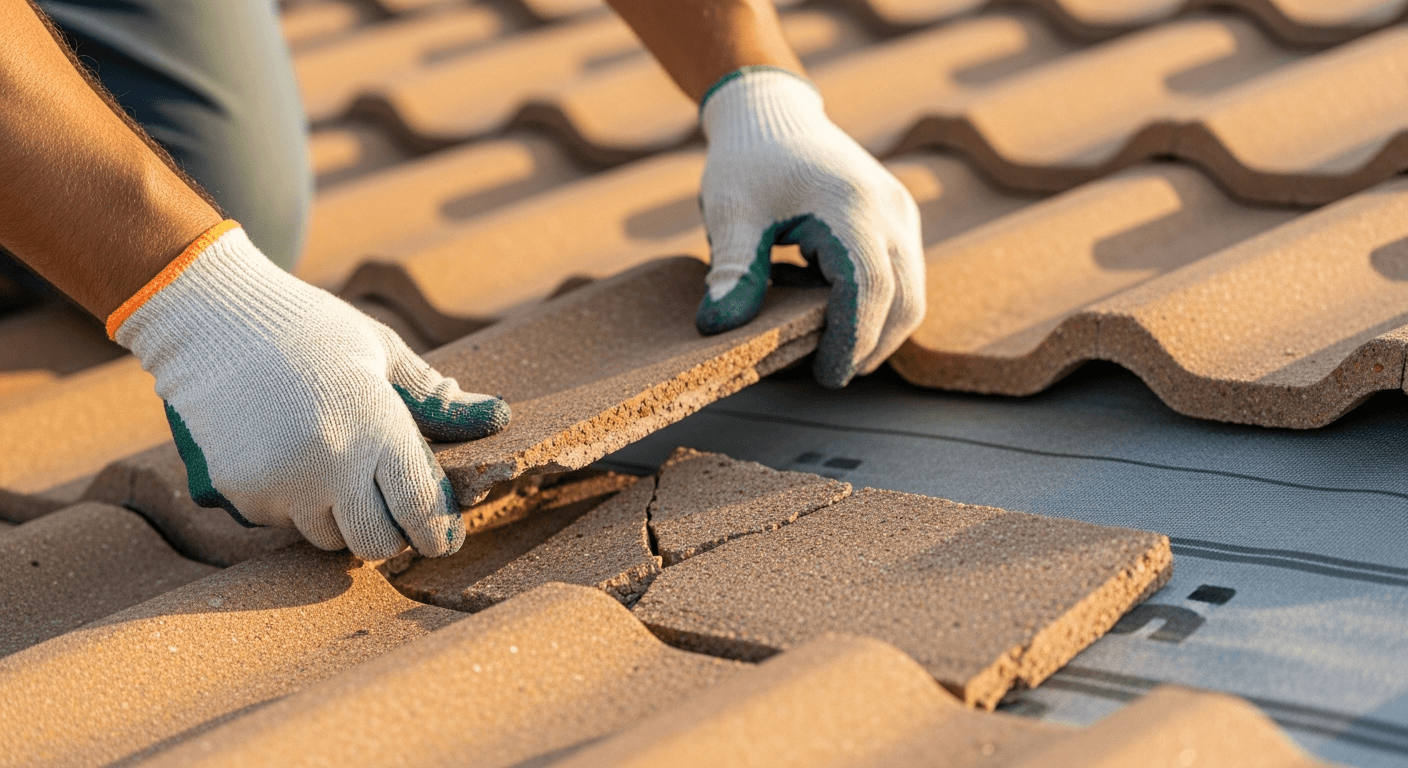
Complete guide to tile roof repair in Miami covering common damage types, repair costs, when to repair vs. replace, and how to find qualified contractors for Spanish, barrel, and flat concrete tile roofs.
Read More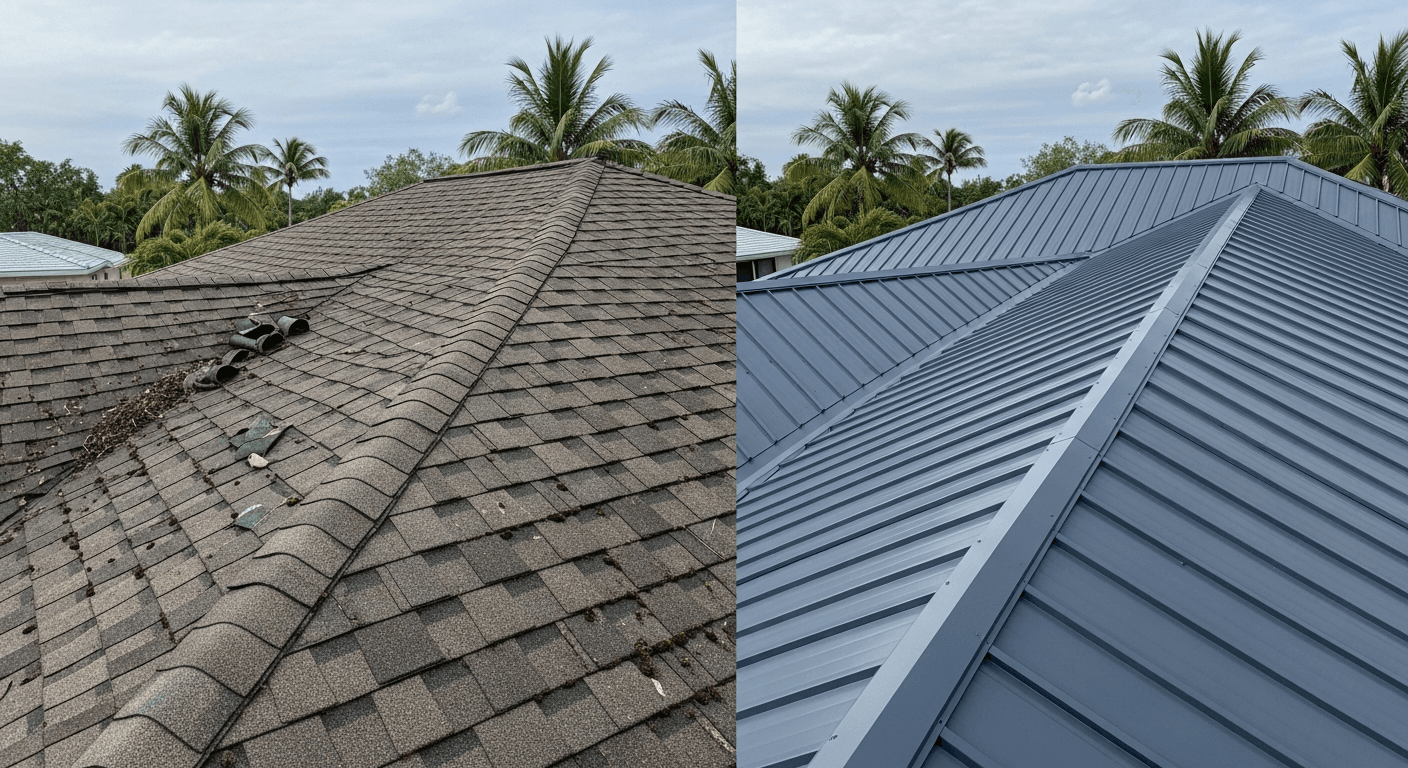
Not sure whether to repair or replace your Miami roof? This guide breaks down the costs, decision factors, building code triggers, and real-world scenarios to help you make the smartest financial decision.
Read More