
Roof Ventilation in Miami: Why It Matters More Than You Think
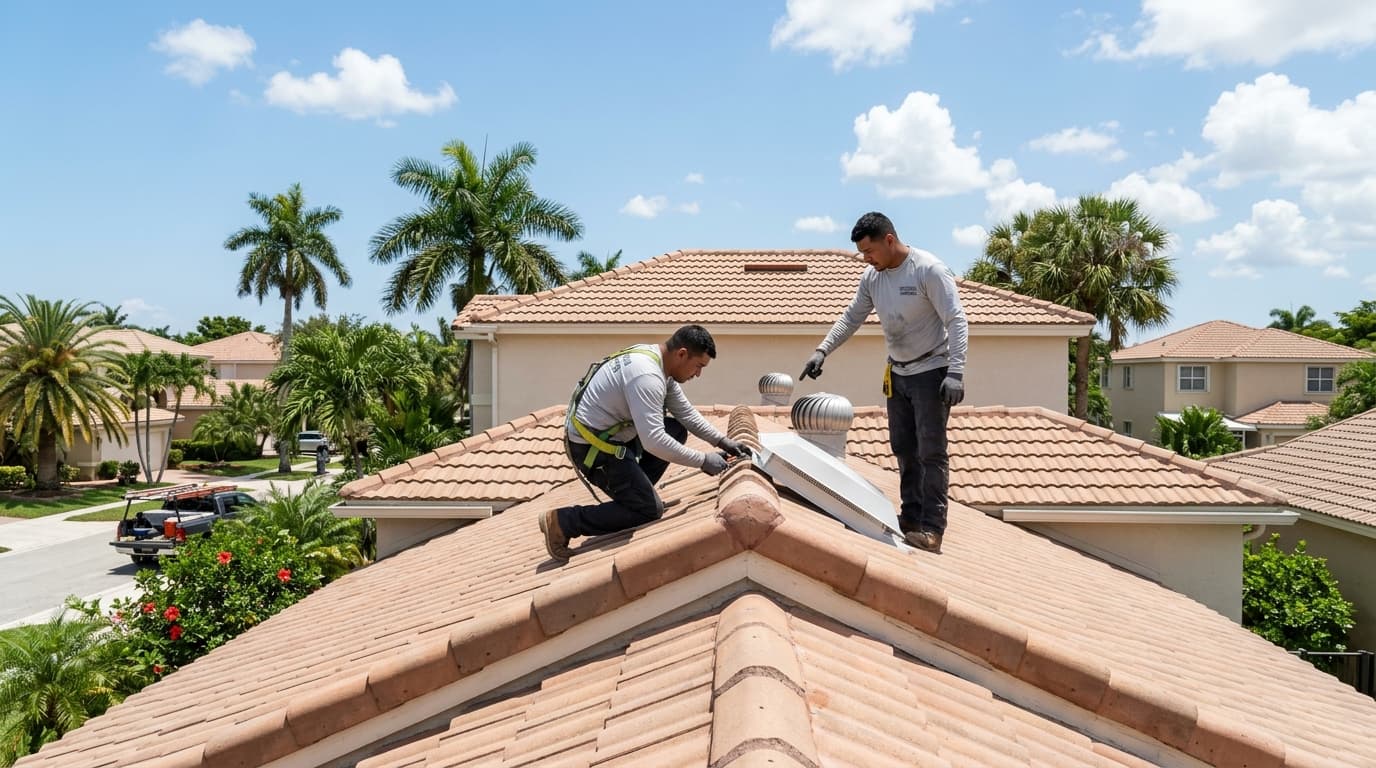
The Hidden Power of Proper Roof Ventilation in South Florida
Roof ventilation in Miami, Florida operates under extreme conditions that most other climates never experience. With 255 days of sunshine annually, ambient temperatures exceeding 90°F for nearly half the year, and humidity levels consistently above 70%, your attic space can reach temperatures of 140-160°F without adequate ventilation. This extreme heat doesn't just make your air conditioning work harder. it systematically degrades roofing materials, compromises structural integrity, and creates the perfect environment for mold growth and moisture damage.
According to the Asphalt Roofing Manufacturers Association, proper attic ventilation can extend roof lifespan by 15-20 years and reduce cooling costs by 10-30%. In our experience completing over 5,000 roofing projects across South Florida since 2004, inadequate ventilation ranks among the top three reasons homeowners need premature roof replacements before reaching their expected service life.
The physics are straightforward: hot air rises and needs an escape route. Without proper exhaust at the ridge or gable peaks, and adequate intake at the soffits or eaves, heat accumulates in your attic space. This trapped heat radiates downward into living spaces, forcing HVAC systems to cycle continuously, while simultaneously conducting upward through roof decking to accelerate shingle deterioration. The temperature differential between a properly ventilated attic (typically 100-110°F on a 95°F day) and a poorly ventilated one (140-160°F) represents the difference between a 25-year roof and a 15-year roof.
How Roof Ventilation Actually Works: The Stack Effect
Effective roof ventilation systems operate on the principle of convective airflow, commonly called the "stack effect." Cool air enters through intake vents positioned low on the roof structure. typically soffit vents, drip edge vents, or over-fascia vents. As this air warms in the attic space, it becomes less dense and rises naturally toward the roof peak, where exhaust vents (ridge vents, turbine vents, or powered attic fans) allow it to exit.
The International Residential Code (IRC) Section R806.2 requires a minimum net free ventilating area of 1 square foot for every 150 square feet of attic floor space, assuming proper intake-to-exhaust balance. This can be reduced to 1:300 if the ventilation system meets specific balanced ventilation criteria. However, in Miami's climate, we typically recommend exceeding these minimums by 20-30% due to the sustained solar heat load.
The ventilation ratio matters critically. The optimal balance is 60% intake (low on the roof) to 40% exhaust (high on the roof). Many homes we inspect in Miami and Coral Gables have adequate ridge venting but insufficient soffit intake, creating negative pressure that pulls conditioned air from the home through ceiling penetrations rather than drawing fresh air from outside.
The Three Components of Effective Ventilation
Intake Ventilation : Continuous soffit vents provide the most reliable intake, offering 9-10 square inches of net free area per linear foot. Alternatives include drip edge vents, which work well on homes without overhangs, and low-profile intake vents installed near the eaves. The key is ensuring insulation doesn't block these vents. a common problem we discover during roof inspections.
Exhaust Ventilation : Ridge vents offer superior performance when properly installed with external baffles to prevent weather infiltration. They provide approximately 18 square inches of net free area per linear foot. Turbine vents (whirlybirds) work well in consistently windy areas but can become noisy and require maintenance. Powered attic fans offer maximum extraction but require electrical connections and thermostatic controls.
Balanced Airflow : The mathematical relationship between intake and exhaust determines system effectiveness. If exhaust capacity exceeds intake by more than 50%, the system pulls conditioned air from the living space through light fixtures and recessed cans. If intake exceeds exhaust significantly, hot air stagnates in the upper attic space, defeating the ventilation purpose.
Why Miami's Climate Makes Ventilation Non-Negotiable
Miami's subtropical climate presents unique challenges that make roof ventilation systems work harder than anywhere else in the continental United States. The combination of extreme solar radiation, sustained high humidity, and afternoon thunderstorm patterns creates conditions where inadequate ventilation fails catastrophically rather than just underperforming.
Solar Heat Gain : South Florida receives 5.6-6.1 peak sun hours daily year-round, among the highest in the nation. Dark-colored shingle roofs can reach surface temperatures of 170-190°F, and even lighter tile roofs exceed 140°F. This heat conducts through roof decking into attic spaces within minutes. Without active airflow removing this heat, attic temperatures plateau at dangerous levels that literally cook roofing adhesives, accelerate shingle aging, and warp roof decking.
Moisture Management : With average relative humidity of 76%, moisture infiltration becomes inevitable through even minor gaps or penetrations. When this humid air enters a superheated attic and contacts cooler surfaces (typically during evening hours or when AC lowers ceiling temperatures), condensation forms. Over time, this creates ideal conditions for mold colonization, wood rot in roof trusses, and corrosion of metal fasteners and flashing.
Thermal Cycling Stress : Daily temperature swings of 30-40°F between peak afternoon heat and pre-dawn lows create expansion-contraction cycles that stress roofing materials. Proper ventilation moderates these extremes, reducing thermal cycling stress by 25-35%. Materials like asphalt shingles, which contain petroleum-based compounds, become brittle and crack when subjected to repeated extreme temperature fluctuations.
One of our clients, Patricia Williams from Fort Lauderdale, reported that after we installed a properly balanced ventilation system during her new roof installation, her second-floor cooling costs dropped by $45-60 monthly during summer months. a 22% reduction in HVAC costs for those rooms.
The Real Cost of Poor Ventilation: Beyond Energy Bills
While the 10-30% increase in cooling costs gets homeowners' attention, the long-term structural and material costs of inadequate ventilation dwarf the energy impact. Based on 22 years of field data across Miami-Dade, Broward, and Palm Beach counties, we've documented consistent failure patterns directly attributable to ventilation deficiencies.
Premature Roof Failure
Asphalt shingles rated for 25-30 year lifespans routinely fail at 12-15 years in poorly ventilated South Florida installations. The failure mechanism is straightforward: excessive attic heat accelerates the volatilization of petroleum-based oils in shingle composition. As these oils evaporate, shingles become brittle, lose granule adhesion, and begin curling at the edges. Industry data shows that every 10°F increase in sustained attic temperature above 120°F reduces expected shingle lifespan by 15-20%.
For a typical 2,500 square foot home with a shingle roof, premature failure at 15 years instead of 25 years represents approximately $18,000-24,000 in accelerated replacement costs (based on 2025 South Florida replacement rates of $7.20-9.60 per square foot).
Structural Degradation
Roof decking. typically ½" or ⅝" oriented strand board (OSB) or plywood. loses structural integrity when subjected to sustained temperatures above 140°F combined with humidity. The adhesive resins binding wood fibers break down, creating delamination. We've documented dozens of cases in Homestead, Kendall, and Doral where decking deterioration required complete replacement despite the home being less than 20 years old.
Decking replacement adds $2.50-4.00 per square foot to roofing projects. an additional $6,250-10,000 for that same 2,500 square foot roof.
Interior Damage and Mold
Condensation from poor ventilation doesn't stay confined to the attic. Moisture migrates through ceiling drywall, creating stains, promoting mold growth behind walls, and compromising insulation R-value. Mold remediation in attic spaces costs $1,500-4,500 for typical residential projects, and if mold colonizes into wall cavities, costs escalate to $10,000-30,000.
The Centers for Disease Control confirms that mold exposure triggers respiratory issues, allergic reactions, and asthma complications. For families with young children or immunocompromised individuals, this represents a genuine health hazard.
Insurance Implications
Florida insurance carriers increasingly scrutinize roof condition during underwriting. A roof showing premature aging from ventilation deficiencies may trigger non-renewal notices or force coverage to Citizens Property Insurance, typically 2-3 times more expensive than private market options. We've worked with homeowners facing this exact scenario. forced to replace roofs at year 12-14 to maintain insurance coverage, purely because inadequate ventilation accelerated visible deterioration.
Ventilation Solutions for Different Roof Types in South Florida
Not all ventilation systems work equally well with every roof design. South Florida's architectural diversity. from contemporary flat-roof designs in Miami Beach to Mediterranean barrel tile homes in Boca Raton. requires ventilation solutions matched to roof configuration and construction style.
Pitched Shingle and Tile Roofs
For traditional gable and hip roof designs with tile or shingle covering, the optimal system combines continuous soffit vents with ridge venting. We install ridge vents with external weather baffles that prevent rain infiltration during South Florida's intense afternoon thunderstorms. The continuous ventilation path from soffit to ridge creates consistent airflow across the entire roof deck.
For homes with limited soffit overhang (common in contemporary designs), we use combination approaches: drip edge vents for intake supplemented by SmartVent along roof edges, paired with ridge vents or multiple turbine vents for exhaust. The turbine placement follows the "rule of thirds". positioning units at ⅓ and ⅔ points along the ridge to create overlapping ventilation zones.
Flat and Low-Slope Commercial Roofs
Commercial buildings with TPO roofing or built-up systems require different approaches since conventional ridge and soffit ventilation isn't applicable. These installations use perimeter intake vents combined with powered exhaust fans controlled by thermostatic and humidistatic switches. The fans activate when attic temperature exceeds 100°F or humidity rises above 60%.
For commercial roofing projects, we calculate fan capacity using the formula: CFM = (Square Footage × 0.7) for general ventilation, adjusting upward for buildings with heat-generating equipment housed below roof decks. A 10,000 square foot commercial building typically requires 7,000 CFM of powered exhaust capacity, distributed across 2-4 fan units for redundancy.
Barrel Tile and Mediterranean Style Roofs
Barrel tile roofs, popular in luxury communities throughout Coral Gables and coastal areas, present unique challenges. The tile profile creates natural ventilation channels beneath the tiles, but these must be properly connected to attic space ventilation. We install bird-stop closures with integrated ventilation channels at the eaves, allowing air to flow under tiles while preventing pest infiltration.
Ridge ventilation for tile roofs uses specialized ridge units that match tile profiles (S-tile, barrel, flat) while providing adequate net free area. The key is maintaining the 60/40 intake-to-exhaust ratio despite the aesthetic constraints of tile architecture.
DIY Ventilation Assessment: What Homeowners Can Check
Before calling professionals for a comprehensive evaluation, homeowners can perform basic ventilation assessments that identify obvious deficiencies. These checks take 15-20 minutes and require only basic tools: flashlight, tape measure, and smartphone thermometer app.
Visual Soffit Inspection : Check soffit vents for paint blockage, wasp nests, or insulation contact from inside. Shine a flashlight along soffit vents from inside the attic. you should see daylight through properly functioning vents. If soffits are solid with no visible venting, your home likely has severe intake deficiency.
Attic Temperature Check : On a 90°F+ day, use a non-contact infrared thermometer (available at hardware stores for $20-30) to measure attic temperature at mid-afternoon. Readings above 130°F indicate ventilation problems. Compare this to outdoor temperature. the differential should not exceed 30-40°F in a properly ventilated attic.
Moisture Assessment : Look for water stains on roof decking, condensation on nails penetrating through the decking, or any musty odors. Use your smartphone flashlight to inspect roof decking from below. dark staining indicates moisture intrusion from either leaks or condensation.
Ventilation Ratio Calculation : Count all intake vent openings (typically soffit vents) and measure their dimensions. Calculate total intake area. Do the same for exhaust vents. Compare these to your attic square footage using the 1:150 or 1:300 ratios. If you're significantly deficient, ventilation upgrades should be prioritized.
These DIY checks help homeowners understand their situation before scheduling professional assessments. However, comprehensive ventilation analysis requires thermal imaging, airflow measurements, and structural inspection best performed by licensed professionals. For a thorough evaluation, contact Extreme Roofing at 305-225-1535 for a free ventilation assessment with your roof inspection.
The Extreme Roofing Approach to Ventilation Design
After completing over 5,000 roofing installations across South Florida since 2004, we've developed systematic ventilation design protocols that account for Miami's unique climate demands, building code requirements, and long-term performance optimization.
Our ventilation assessment begins with thermal imaging during peak heat hours, documenting actual temperature distributions across roof decking and within attic spaces. This reveals hot spots indicating blocked ventilation paths, areas where insulation contacts roof decking preventing airflow, and sections where inadequate exhaust creates heat accumulation.
We calculate required ventilation using building-specific variables: roof pitch, orientation (southern exposures require 20-30% more ventilation), roof color and material, and attic configuration. For complex roofs with multiple peaks, valleys, and dormers, we create zone-specific ventilation plans ensuring each section receives adequate airflow.
Installation follows strict protocols: soffit vents installed with proper baffle channels preventing insulation blockage, ridge vents secured with continuous adhesive backing plus mechanical fasteners for hurricane resistance, and all penetrations sealed against water infiltration. Every residential roofing and commercial project includes ventilation documentation showing calculated requirements, installed capacity, and expected performance metrics.
As a GAF Certified Contractor with CCC license #1326021, we ensure all ventilation work complies with Florida Building Code 2023 Section R806 requirements while exceeding minimum standards appropriate for South Florida's extreme conditions. Our installations carry comprehensive workmanship warranties because proper ventilation extends roof lifespan. which means fewer callbacks and happier clients.
When to Upgrade Your Ventilation System
Certain situations demand immediate ventilation upgrades rather than waiting for scheduled roof replacement. Recognizing these conditions helps homeowners prevent accelerated deterioration and avoid costly damage.
During Roof Replacement : Any re-roofing project presents the ideal opportunity to comprehensively upgrade ventilation. With roof covering removed, we can install continuous ridge vents, add intake venting where previously absent, and ensure proper baffle installation. The incremental cost of ventilation upgrades during replacement is 60-70% less than standalone ventilation projects.
After Energy Audits : If energy audits reveal excessive cooling costs or thermal imaging shows hot ceiling areas, inadequate ventilation is frequently the culprit. Energy efficiency improvements should address ventilation deficiencies before investing in additional insulation. adding insulation without fixing ventilation can actually worsen moisture problems.
Following Hurricane Damage : After storm events requiring roof repairs, we often discover that wind-driven rain infiltrated through inadequate ventilation components. Hurricane-rated ridge vents and properly sealed intake systems prevent future weather infiltration while maintaining necessary airflow.
Before Insurance Non-Renewal : If insurance carriers cite roof condition concerns, ventilation upgrades can extend remaining roof life by 3-5 years, potentially avoiding forced replacement. This is particularly relevant for homeowners facing Florida's challenging insurance market in 2025.
When Installing Solar Panels : Solar installations reduce natural convective ventilation by covering roof surface area. Before solar projects, we upgrade ventilation capacity by 20-30% to maintain adequate airflow despite reduced solar-driven stack effect.
Family-owned and operated since 2004, Extreme Roofing has built our reputation on solving ventilation problems other contractors overlook. We provide free comprehensive ventilation assessments with every roof inspection. Call 305-225-1535 to schedule your evaluation and receive up to $10,000 off your new roof installation.
The Future of Roof Ventilation: Smart Systems and Climate Adaptation
Ventilation technology continues evolving to address increasingly extreme climate conditions. In South Florida, where summer temperatures have increased 2-3°F over the past two decades and hurricane intensity continues trending upward, next-generation ventilation systems incorporate active management and climate responsiveness.
Smart Attic Fans : Powered ventilation systems now integrate with home automation platforms, using multiple temperature and humidity sensors to optimize fan operation. Rather than simple thermostatic control, these systems calculate ventilation needs based on real-time conditions, outdoor temperature, humidity levels, and even predictive weather data. Advanced units include solar-powered options that operate independently of home electrical systems. particularly valuable during power outages following storms.
Hurricane-Resistant Venting : Post-Hurricane Andrew building code revisions (FBC Section R806) established minimum wind resistance standards for ventilation components. Modern ridge vents must resist wind uplift of 110 mph in Miami-Dade County's High Velocity Hurricane Zone. The latest designs incorporate interlocking weather baffles that prevent rain infiltration while maintaining airflow, and are tested to withstand 170+ mph winds.
Hybrid Passive-Active Systems : Combining passive ridge and soffit ventilation with thermostatically controlled powered ventilation creates redundant systems that adapt to varying conditions. During moderate weather, passive ventilation handles airflow needs. When attic temperatures exceed set thresholds during heat waves, powered fans activate to boost extraction capacity.
Reflective and Cool Roof Integration : Modern ventilation design increasingly coordinates with cool roof technologies. highly reflective roof coatings or materials that reduce solar heat absorption by 20-50%. When paired with enhanced ventilation, these systems can maintain attic temperatures within 15-20°F of outdoor ambient, dramatically reducing cooling loads and extending roof longevity.
As climate conditions continue evolving, ventilation requirements will likely increase. The 1:150 ratio that worked adequately in 1990s Miami may prove insufficient for 2030s conditions. Forward-thinking homeowners investing in new roofs or metal roof installations should consider ventilation capacity 30-40% above current code minimums to future-proof their systems.
Your Next Steps: Professional Ventilation Assessment
Proper roof ventilation in Miami, Florida isn't optional. it's fundamental to roof longevity, energy efficiency, and maintaining a healthy home environment. The extreme climate conditions across Miami-Dade, Broward, and Palm Beach counties demand ventilation systems designed for sustained high temperatures, intense solar radiation, and hurricane-force wind resistance.
Whether you're planning a roof replacement, experiencing high energy costs, or concerned about your current roof's condition, comprehensive ventilation assessment should be your first step. Professional evaluation identifies deficiencies, calculates required upgrades, and provides cost-effective solutions tailored to your specific roof design and climate exposure.
Extreme Roofing brings 22 years of South Florida experience to every ventilation project. Our licensed contractors (CCC#1326021) use thermal imaging, airflow calculation, and building science principles to design ventilation systems that protect your investment and reduce operating costs. We serve residential and commercial clients throughout South Florida with the same commitment to quality and customer service that's built our reputation since 2004.
Contact us today at 305-225-1535 for a free roof inspection and ventilation assessment. Take advantage of our current promotion offering up to $10,000 off your new roof installation, and let us show you how proper ventilation extends roof life while cutting energy costs year-round.
Frequently Asked Questions
How much roof ventilation do I need for my Miami home?
Florida Building Code requires a minimum of 1 square foot of net free ventilation area for every 150 square feet of attic space, though this can be reduced to 1:300 with balanced intake and exhaust. However, in Miami's extreme climate with 255+ days of sunshine and sustained 90°F+ temperatures, we recommend exceeding code minimums by 20-30% for optimal performance. For a typical 2,500 square foot home, this translates to approximately 20-25 square feet of total ventilation area, with 60% allocated to intake vents (soffits) and 40% to exhaust vents (ridge vents or turbines).
What happens to my roof without proper ventilation in South Florida?
Without adequate ventilation in Miami's climate, attic temperatures reach 140-160°F compared to 100-110°F in properly ventilated spaces. This extreme heat accelerates shingle deterioration, reducing expected 25-30 year lifespans to just 12-15 years and causing premature failure that costs $18,000-24,000 in early replacement expenses. The heat also increases cooling costs by 10-30% as HVAC systems struggle against radiant heat from the attic. Additionally, poor ventilation creates moisture accumulation from Miami's 76% average humidity, promoting mold growth, wood rot in roof decking and trusses, and potential health hazards for occupants. Insurance carriers may cite premature roof aging as grounds for non-renewal or forced coverage transfers to more expensive policies.
Should I install powered attic fans or stick with passive ridge vents in Miami?
For most Miami residential applications, a properly designed passive ventilation system with continuous ridge vents and adequate soffit intake provides excellent performance without ongoing electrical costs or maintenance requirements. Ridge vents deliver approximately 18 square inches of net free area per linear foot and function continuously without mechanical components that can fail. However, powered attic fans make sense for specific situations: homes with limited ridge length for adequate passive venting, buildings with complex roof configurations that restrict natural airflow, or commercial structures requiring enhanced ventilation capacity. Modern solar-powered attic fans eliminate electrical costs and provide backup ventilation during power outages. important after hurricanes. The key is ensuring any powered system includes proper intake ventilation; without adequate intake, fans pull conditioned air from your living space rather than hot air from the attic.
Can I add ventilation to my existing roof without complete replacement?
Yes, ventilation retrofits are possible and cost-effective for many existing roofs in Miami, though the specific approach depends on your current roof design and construction. Common retrofit solutions include: installing turbine or box vents through the roof deck to add exhaust capacity ($300-600 per vent installed), cutting in soffit vents where previously absent ($15-35 per linear foot), adding drip edge intake vents during re-roofing projects ($3-5 per linear foot), or installing powered attic fans with thermostat controls ($800-1,500 per unit). However, retrofitting continuous ridge vents. the optimal exhaust solution. typically requires removing the ridge caps and some surrounding roofing material, making this most economical during scheduled roof replacement. A professional assessment determines which retrofit options work best for your specific situation and budget constraints.
How does roof ventilation affect my insurance rates in Florida?
Proper roof ventilation significantly impacts insurance coverage and rates through multiple mechanisms in Florida's challenging insurance market. First, adequate ventilation extends roof lifespan, helping roofs maintain the condition standards insurers require. particularly important given Florida's increasingly strict underwriting criteria in 2025. Roofs showing premature aging from ventilation deficiencies may trigger non-renewal notices or force coverage to Citizens Property Insurance at 200-300% higher premiums. Second, ventilation directly affects wind mitigation credits; properly installed and sealed ventilation components that meet High Velocity Hurricane Zone standards contribute to opening protection ratings that can reduce premiums by 10-45%. Finally, ventilation prevents moisture damage and mold, which insurers increasingly exclude from coverage or use as grounds for claim denials. Investing $2,000-4,000 in comprehensive ventilation upgrades during roof replacement protects your insurability and can save $800-1,200 annually in premium reductions.
Do tile roofs need different ventilation than shingle roofs in South Florida?
Yes, tile roofs require specialized ventilation approaches that account for their unique construction and profile. Concrete and clay tiles create natural ventilation channels beneath the tiles through their elevated profile and battening systems, but this sub-tile airflow must connect properly to attic ventilation for effectiveness. Tile roof ventilation uses bird-stop closures with integrated ventilation channels at eaves to allow airflow under tiles while preventing pest infiltration, specialized ridge vents designed to match tile profiles (S-tile, barrel, or flat tile configurations) while providing adequate net free area, and sometimes supplemental turbine vents positioned to maximize exhaust without compromising the aesthetic of Mediterranean or Spanish architectural styles. Tile roofs also remain slightly cooler than dark asphalt shingles. typically 140°F versus 170-190°F surface temperatures. which moderately reduces ventilation demands. However, because tile roofs commonly last 40-50+ years in South Florida, proper ventilation becomes even more critical to protect the roof decking and structure throughout this extended lifespan.
What are the signs my Miami home has inadequate roof ventilation?
Multiple warning signs indicate ventilation deficiencies in South Florida homes. Inside symptoms include: second-floor rooms staying 5-10°F warmer than first-floor spaces despite AC running continuously, musty odors in upper rooms or attic spaces suggesting mold growth, visible moisture stains on ceilings particularly near exterior walls, and unexpectedly high summer electricity bills increasing 15-30% above winter baseline. Attic inspection reveals: temperatures exceeding 130°F on 90°F days (check mid-afternoon), visible condensation on nail points penetrating through roof decking, dark moisture staining on roof sheathing, and insulation that appears compressed or discolored from moisture exposure. External roof indicators include: shingle edges curling upward prematurely (typically before year 10-12), excessive granule loss in valleys and lower roof areas, ridge shingles appearing wavy or buckled, and ice dam equivalent in South Florida. 'hot spots' visible in thermal imaging where specific roof sections trap significantly more heat. If you observe multiple indicators, schedule professional ventilation assessment immediately to prevent accelerated roof deterioration.
How much does it cost to upgrade roof ventilation in Miami?
Roof ventilation upgrade costs in Miami vary based on project scope, roof size and complexity, and whether work occurs during roof replacement or as standalone retrofit. For typical residential projects: continuous ridge vent installation costs $3-7 per linear foot including materials and labor (a 50-foot ridge runs $150-350), soffit vent retrofits cost $15-35 per linear foot depending on accessibility and existing soffit construction, turbine or static box vents run $300-600 per unit installed including roof penetration and weatherproofing, and powered attic fans range $800-1,500 per unit including electrical connections and thermostat controls. Comprehensive whole-house ventilation upgrades. adding ridge vents, increasing soffit intake, and installing proper baffles. typically cost $2,000-4,000 when performed during roof replacement, but $3,500-6,500 as standalone retrofits due to additional labor. However, these investments pay returns through extended roof lifespan (15-20% longer service life), reduced cooling costs (10-30% savings during cooling season), and prevented moisture damage that could otherwise cost $10,000-30,000 in mold remediation and structural repairs.
Need Roofing Help?
Whether you need an inspection, repair, or full replacement, our team of licensed roofing professionals is ready to help. Serving South Florida since 2004.
Related Articles
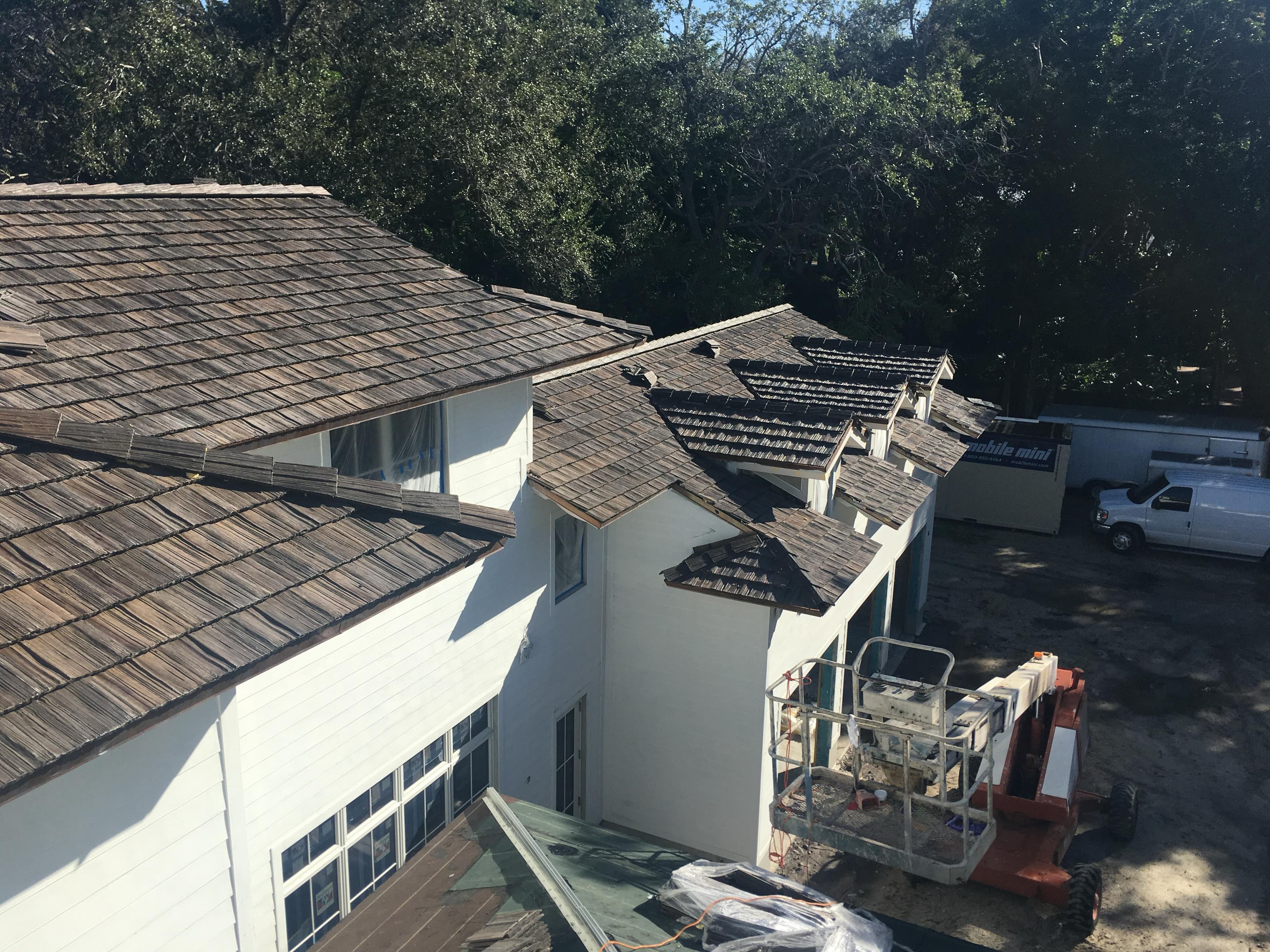
South Florida's UV, rain, hurricanes, and humidity demand proactive roof maintenance. Use this seasonal checklist to prevent costly repairs and extend your roof's lifespan by years.
Read More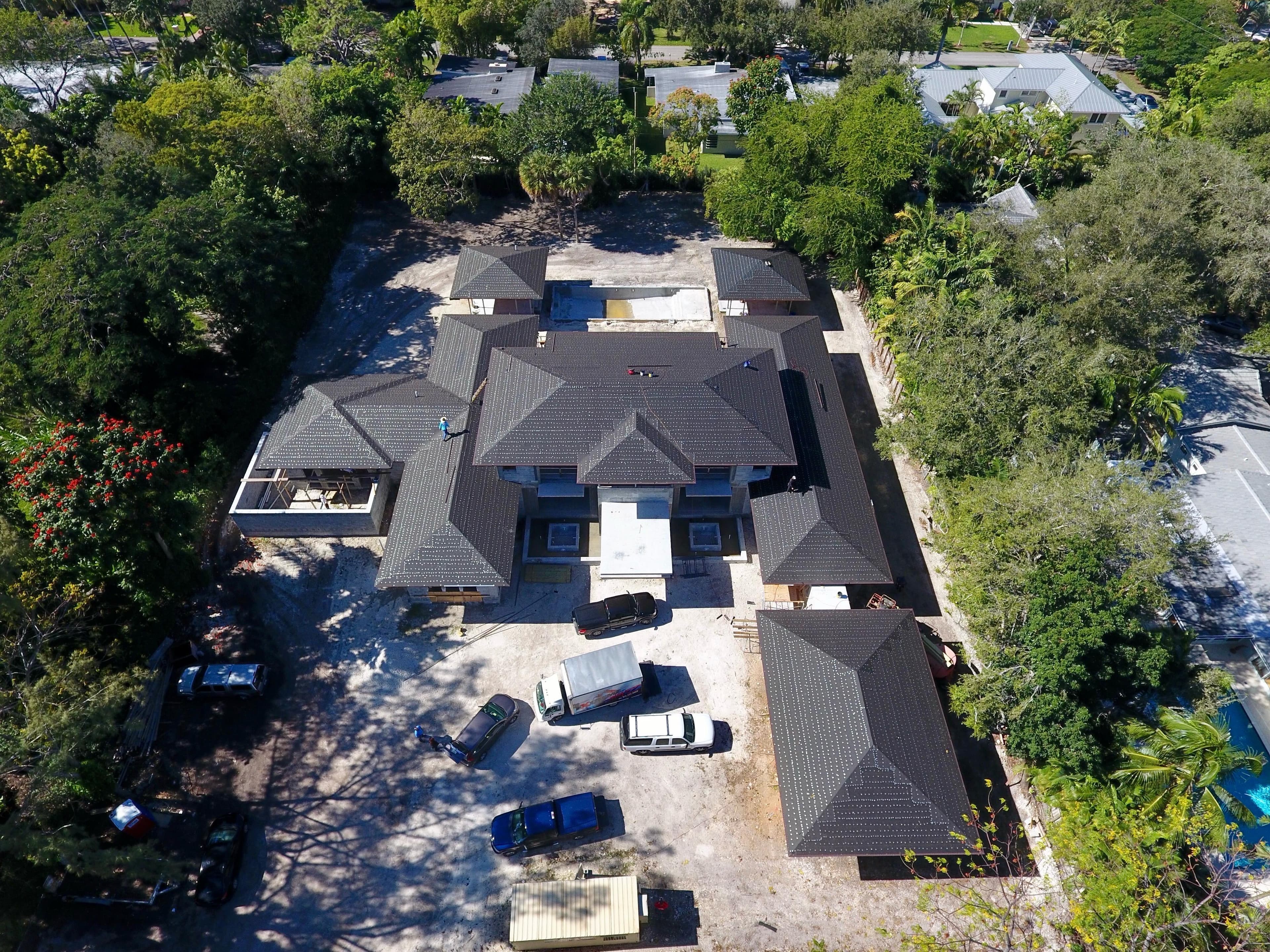
A new roof in Miami costs $8,000-$45,000+ in 2026. Get detailed pricing by material, size, and complexity, plus tips to save money on your roof replacement.
Read More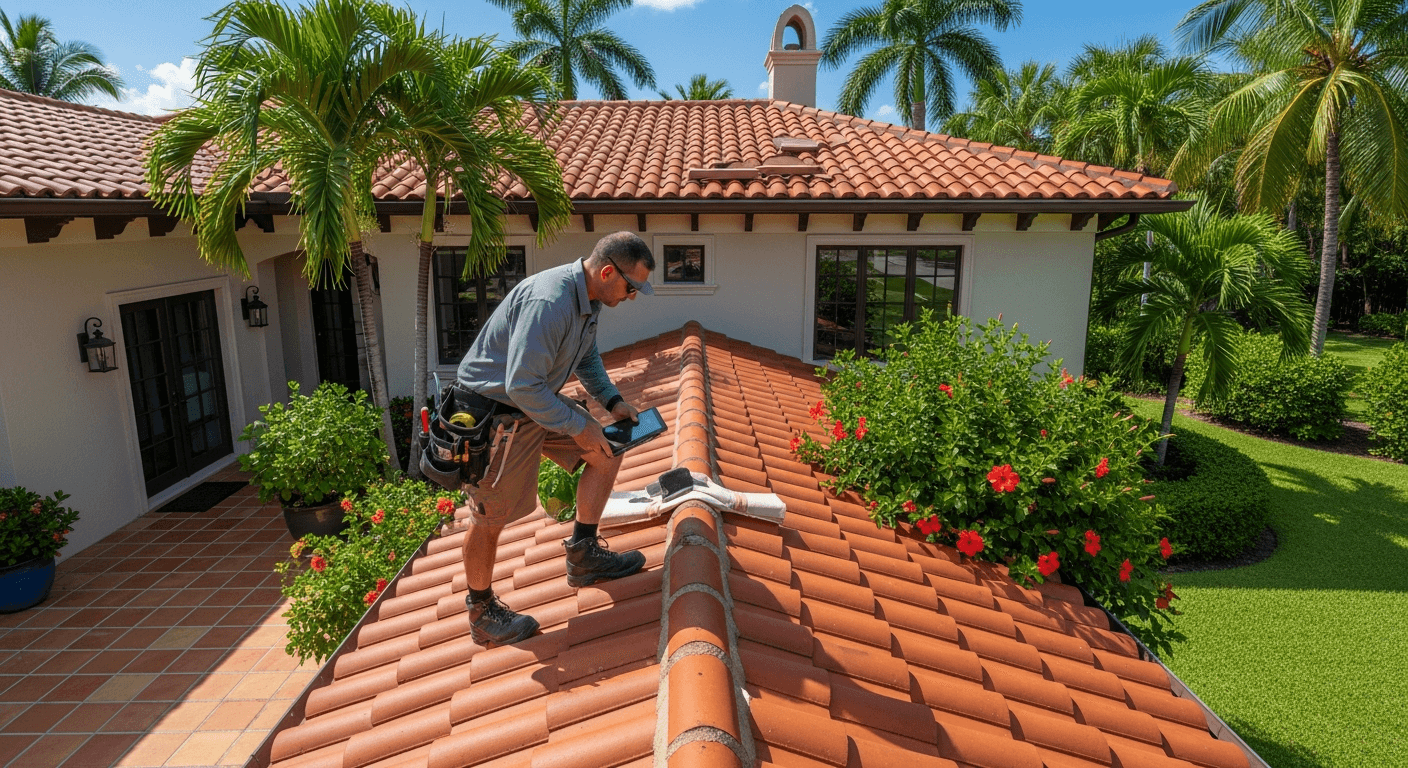
Annual Roof Maintenance Inspection in Miami: The Essential Guide to Protecting Your Home Year-Round
Discover why annual roof maintenance inspections are essential for Miami homeowners. Learn what inspectors check, the best time to schedule, DIY tips, and how prevention saves thousands in repair costs.
Read More