Roofing for Waterfront Homes: Salt Air, Wind, and Corrosion Protection
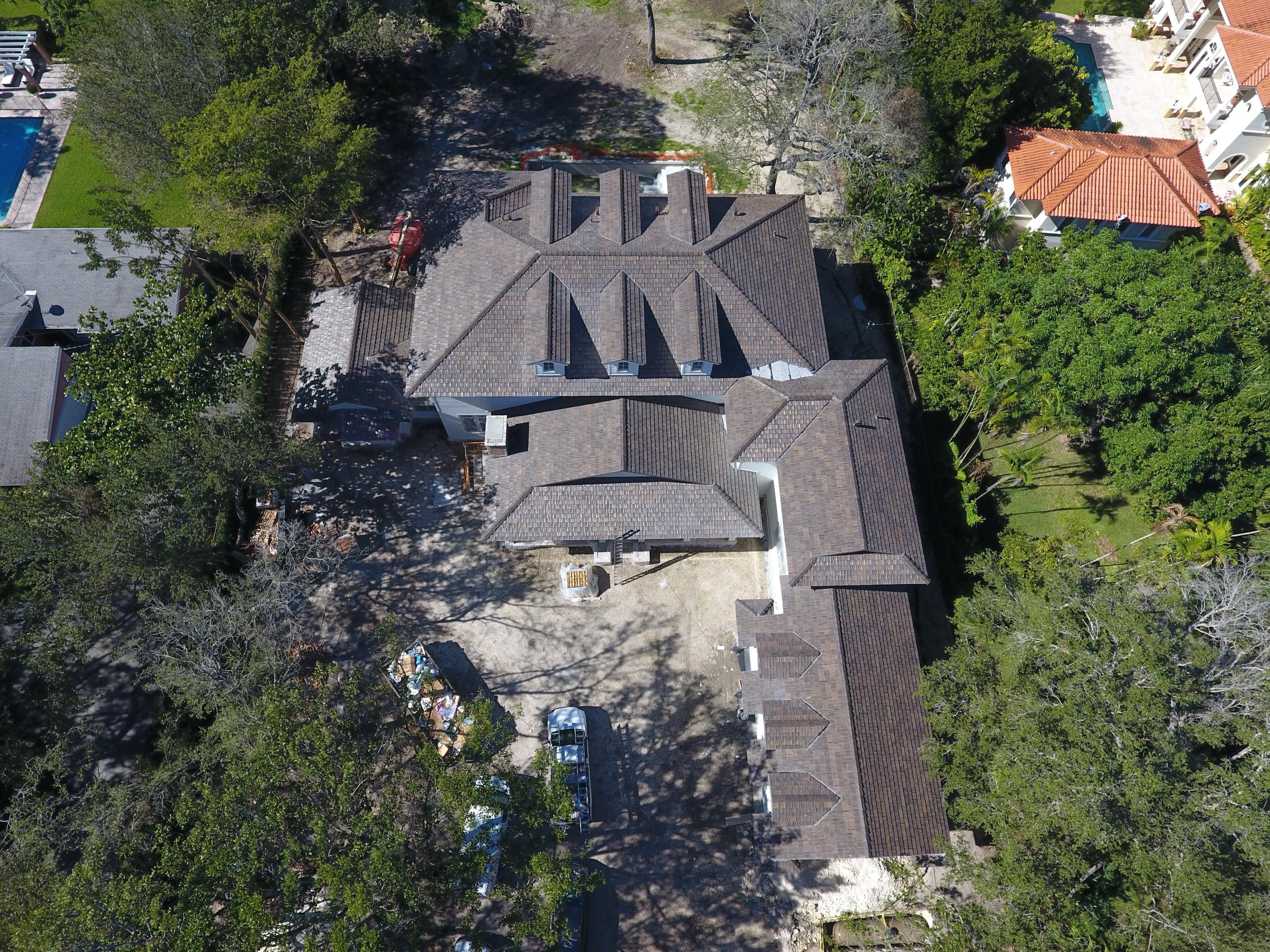
What Actually Works on Waterfront Miami Homes
Waterfront is a different beast. A roof that lasts 40 years in Kendall might last 12 years on Key Biscayne because of salt spray. A Galvalume steel panel that performs perfectly in Homestead will start rusting within 8 years in Fisher Island. Every material decision for waterfront Miami homes has to account for constant salt air exposure, sustained wind loads, and the corrosive environment that eats through anything not designed for it.
I've roofed dozens of waterfront homes across Miami Beach, Bal Harbour, Sunny Isles, Key Biscayne, Fisher Island, Star Island, Golden Beach, Hibiscus Island, and waterfront sections of Coral Gables and Coconut Grove. The short answer for what works: aluminum standing seam metal, clay tile, copper, and zinc. Everything else fails faster than advertised.
Here's the full picture on which materials actually survive on Miami's coast, how to pick the right one for your specific distance from the water, and what flashing and fastener details make the difference between a 12-year roof and a 50-year roof.
How Salt Air Actually Destroys Roofing Materials
Salt air is the single most destructive environmental factor on waterfront Miami homes. Research shows metal corrosion rates within 1,000 feet of the coastline are 10 to 100 times higher than inland. That's not marketing language. It's measurable data from studies by the Florida Solar Energy Center and Oak Ridge National Laboratory.
Here's how the damage actually happens. Salt air deposits microscopic salt crystals on every exposed surface of your roof. Those crystals are hygroscopic, which means they attract and hold moisture from the air. That creates a constant thin film of saltwater on metal components, fasteners, flashing, and any exposed steel. The result is accelerated galvanic corrosion, pitting, and eventual failure of components that would last 40+ years in an inland Miami neighborhood.
Salt damage isn't limited to metal. It also:
- Breaks down asphalt binders in shingles, accelerating granule loss
- Deteriorates sealants and caulking around penetrations
- Promotes algae and biological growth on tile and shingle surfaces
- Corrodes gutter systems, downspouts, and roof-mounted HVAC equipment
- Attacks underlayment and decking if moisture penetrates the primary roofing surface
The 3,000-foot corrosion zone. The Florida Building Code and most roofing manufacturers recognize a critical corrosion zone within 3,000 feet of the coastline (sometimes called "coastal zone" or "salt zone"). Within this zone:
- Standard galvanized steel fasteners fail rapidly and void most manufacturer warranties
- Special corrosion-resistant materials and coatings are required
- Maintenance intervals should be cut in half compared to inland installations
- Insurance underwriters may impose additional requirements on roof specifications
Properties on Miami Beach, Key Biscayne, Fisher Island, Star Island, Bal Harbour, Sunny Isles, Golden Beach, Surfside, and waterfront sections of Coral Gables, Coconut Grove, and Aventura are all within this critical zone. Many Intracoastal properties in Hollywood, Hallandale, and Fort Lauderdale also fall inside the 3,000-foot threshold.
The Materials That Actually Work on Waterfront Homes
Aluminum Standing Seam Metal
Aluminum is the premier metal roofing choice for waterfront properties because it does not rust. Unlike steel (even Galvalume-coated steel), aluminum forms a natural oxide layer that protects it from further corrosion. Standing seam systems also eliminate exposed fasteners, removing another common corrosion entry point.
- Cost: $12 - $22 per square foot installed
- Lifespan: 40 - 60+ years in coastal environments
- Wind rating: Standing seam systems can be engineered for 180+ mph wind speeds
- Finish: Kynar 500 or Hylar 5000 fluoropolymer coatings add color durability and UV resistance for 30+ years of fade resistance
- Thermal performance: Reflective coatings reduce cooling costs by 15-25%
Why aluminum over Galvalume? Galvalume (steel coated with aluminum-zinc alloy) is an excellent metal roofing material for inland locations, but it can suffer from edge creep corrosion and cut-edge rust in salt environments. Aluminum eliminates this risk entirely. The cost premium of aluminum over Galvalume is typically $2 to $4 per square foot, a worthwhile investment for any home within 3,000 feet of saltwater.
Clay tile and concrete tile are inherently resistant to salt corrosion because they're made from fired ceramic or mineral concrete, not metal. Clay is the better coastal choice because it doesn't absorb water at all and its color is integral to the clay body (no coating to fail). Concrete tile works too but needs quality fastening.
- Clay tile: $16 to $25 per sq ft installed, 75+ year lifespan, weight 600 to 900 lbs per square
- Concrete tile: $14 to $18 per sq ft installed, 40 to 60 year lifespan, weight 900 to 1,300 lbs per square
- Both require stainless steel or hot-dipped galvanized Class III fasteners in coastal zones
- Both meet Miami-Dade HVHZ wind requirements with foam adhesive and mechanical clips
The key consideration with tile on waterfront homes is the fastening system. All screws, clips, and wire ties must be stainless steel (316 grade) or minimum Class III hot-dipped galvanized. Standard galvanized fasteners corrode within 5 to 10 years on Key Biscayne, Fisher Island, or Bal Harbour, potentially causing tiles to detach during storms.
Synthetic slate offers the look of natural slate without the weight, fragility, or installation complexity. Made from engineered polymers, rubber, or fiber cement, it's completely immune to salt corrosion.
- Cost: $12 to $20 per sq ft installed
- Lifespan: 40 to 50 years
- Weight: 250 to 450 lbs per square (much lighter than natural slate)
- Impact rating: Class 4 on most premium products
- Maintenance: Near zero for the synthetic material itself
Good option for waterfront homes where the architectural style calls for slate but the weight or cost of natural slate is prohibitive.
Materials to Avoid on Waterfront Homes
Standard galvanized steel. Galvanized roofing panels, fasteners, and flashing corrode rapidly in coastal environments. I've seen galvanized steel components fail in as little as 3 to 5 years on oceanfront Miami Beach homes. Skip it entirely.
Galvalume steel (within 2 miles of coast). Galvalume resists corrosion better than regular galvanized, but prolonged salt spray still breaks down the coating. Fine for inland Miami, not fine for Fisher Island, Key Biscayne, Bal Harbour, or Sunny Isles.
Standard asphalt shingles. Even architectural shingles degrade faster in salt air because salt accelerates granule loss, dries out the asphalt binder, and promotes algae growth. Shingles on a barrier island home last 10 to 15 years instead of 22 to 28 years inland. Not worth the savings.
Dissimilar metal combinations. Mixing metals on a coastal roof creates galvanic corrosion cells where the less noble metal deteriorates fast. Common problems: copper flashing with aluminum roofing, steel fasteners with aluminum panels, zinc gutters with copper roofing. Every metal component has to be specified carefully to avoid galvanic incompatibility.
Untreated wood components. Cedar shakes, exposed wood fascia, and untreated wood structural members deteriorate rapidly in coastal South Florida's humidity plus salt environment. Any wood components must be pressure-treated, clad in metal or PVC, or replaced with composite alternatives.
Fasteners: The Weakest Link Most Contractors Ignore
The fastener system is often the weakest link on a coastal roof. Even the most corrosion-resistant roofing material fails if the fasteners holding it in place corrode.
316 stainless steel fasteners (gold standard). Contains molybdenum for superior chloride corrosion resistance compared to 304 stainless. Cost premium is 3 to 5 times standard galvanized fasteners. Lifespan: indefinite in most coastal environments. Safe with aluminum, copper, and most roofing materials. This is what I spec on every beachfront and barrier island project.
Hot-dipped galvanized Class III minimum. Acceptable alternative where stainless steel isn't feasible. Must have minimum 1.5 oz/sq ft of zinc coating. Significantly less expensive than stainless steel but may require replacement during re-roofing at year 25 to 30. Acceptable for Miami Beach Mid-Beach and waterfront Coral Gables where salt exposure is moderate.
Fasteners to never use on coastal work:
- Electro-galvanized fasteners (too thin a zinc layer)
- Standard zinc-plated screws and nails
- Bare steel or carbon steel components
- Any fastener not rated for coastal or marine environments
Coating Specifications That Matter
Kynar 500 / Hylar 5000 (PVDF). The polyvinylidene fluoride resin used in premium metal roof coatings. Provides 30+ years of color retention and fade resistance, excellent chalk resistance in UV-intensive environments, superior salt spray resistance (passes 4,000+ hours of ASTM B117 salt spray testing), and self-cleaning properties that help shed salt deposits during rain. Kynar 500 is the minimum acceptable coating for any metal roofing system within 3,000 feet of the coast.
Specialty fluoropolymer coatings. Beyond Kynar 500, specialized coatings are available for extreme coastal applications (beachfront, directly on water, marine environments). Multiple-layer application. Highest available resistance to salt, UV, and chemical exposure. Recommended for Fisher Island, Star Island, and direct oceanfront Miami Beach properties.
Tile sealers. Concrete and clay tile benefit from periodic application of silicone-based or fluoropolymer sealers that repel moisture and reduce salt crystal adhesion. I recommend sealing every 7 to 10 years on waterfront tile roofs.
Wind Load Engineering for Coastal Miami
Waterfront homes face the highest wind design pressures in Florida. Miami-Dade HVHZ requirements for coastal properties specify:
- Design wind speed: 180 mph (3-second gust) for most coastal areas
- Exposure Category D: Applies to waterfront properties with no upwind obstructions to reduce wind speed
- Component and cladding pressures: individual roof panels, tiles, and edge zones must meet uplift resistance values significantly higher than inland requirements
Proper coastal wind load engineering involves: 1. Calculating zone-specific pressures based on building height, roof geometry, and exposure category 2. Specifying fastener patterns that meet or exceed calculated uplift values (closer spacing at edges, corners, ridges) 3. Selecting rated attachment systems with Miami-Dade NOA approvals 4. Installing self-adhered secondary water barriers over the entire roof deck for backup waterproofing
Maintenance Schedule for Waterfront Roofs
Waterfront roofs need more frequent maintenance than inland. My schedule for properties within 3,000 feet of saltwater:
Quarterly:
- Rinse the entire roof surface with fresh water to remove salt deposits (especially important after long dry stretches)
- Clean gutters and downspouts
- Check visible flashing and sealant for early corrosion signs
Semi-annually:
- Professional inspection of seams, fasteners, penetrations
- Check attic for signs of moisture intrusion
- Inspect soffit and fascia for corrosion or wood rot
- Clear debris from valleys and low-slope sections
Annually:
- Comprehensive professional inspection with written report and photos
- Apply or reapply protective sealers as needed
- Inspect and service rooftop equipment (HVAC, satellites, solar)
- Trim overhanging tree branches
Every 5 years:
- Full fastener condition assessment with sample pull testing if corrosion is suspected
- Re-seal all penetrations, pipe boots, and skylight flashing
- Evaluate coating condition on metal roofs and schedule re-coating if needed
Neighborhood-Specific Considerations
Miami Beach. Barrier island entirely surrounded by salt water. Every property is within the critical corrosion zone. Art Deco historic district has additional architectural review for roofing modifications. Aluminum standing seam, clay tile, and concrete tile are the most common materials on the island.
Key Biscayne. Exposure to open ocean on the east and Biscayne Bay on the west creates one of the most aggressive salt environments in South Florida. Wind exposure is extreme with no upwind development to buffer ocean winds. Always spec 316 stainless steel fasteners and Kynar 500 coated aluminum for Key Biscayne projects.
Fisher Island. Accessible only by ferry, Fisher Island presents unique logistics challenges. Materials transported by barge, work crews coordinate with island security and transportation schedules. Ultra-luxury properties demand the highest-quality materials and installation standards.
Star Island, Hibiscus Island, Palm Island. Private bayfront residential islands in Biscayne Bay. High-end materials, strict HOA architectural review, 316 stainless steel fasteners required throughout.
Bal Harbour and Sunny Isles. High-rise condo towers plus single-family homes and townhomes. Aluminum standing seam on SFH projects. Commercial-grade TPO on low-rise condo buildings.
Ready for a Coastal Roof Quote?
Call us at 305-225-1535 or request a free estimate. We specialize in waterfront roofing across Miami Beach, Bal Harbour, Sunny Isles, Key Biscayne, Fisher Island, Star Island, and every other coastal Miami community. Every quote includes specific NOA products rated for your distance from salt water, 316 stainless steel fasteners where appropriate, Kynar 500 coatings on metal work, and documented salt spray test results for materials selected.
Frequently Asked Questions
What is the best roofing material for an oceanfront home in Miami?
Aluminum standing seam metal is the best overall choice for oceanfront homes in Miami. It does not rust, resists salt corrosion indefinitely, and can be engineered for 180+ mph winds. Concrete tile is also excellent for homes with Mediterranean or traditional architecture. Both should be installed with 316 stainless steel fasteners.
How does salt air damage a roof?
Salt air deposits microscopic salt crystals on your roof that attract and hold moisture, creating a constant thin film of saltwater on metal components. This accelerates galvanic corrosion on fasteners, flashing, and metal panels. It also degrades asphalt binders in shingles, breaks down sealants, and promotes biological growth on tile surfaces.
How often should I maintain my roof if I live on the water in Miami?
Waterfront homeowners should rinse their roof with fresh water quarterly, have professional inspections twice a year, and schedule a comprehensive annual assessment. This is roughly double the maintenance frequency recommended for inland homes. The added maintenance is essential to catch corrosion early and maximize your roof's lifespan.
Can I use steel roofing on a waterfront home?
Standard galvanized steel and even Galvalume-coated steel are not recommended for homes within 3,000 feet of the coast. Salt air corrodes the zinc and aluminum-zinc coatings, exposing the steel to rust. If you want a metal roof on a waterfront home, choose aluminum with a Kynar 500 finish for the best corrosion resistance.
What type of fasteners should be used on a coastal roof in South Florida?
316 stainless steel fasteners are the gold standard for coastal roofing in South Florida. They contain molybdenum for superior chloride corrosion resistance. Hot-dipped galvanized Class III fasteners are an acceptable alternative for less-exposed applications. Never use electro-galvanized, zinc-plated, or bare steel fasteners within 3,000 feet of saltwater.
Need Roofing Help?
Whether you need an inspection, repair, or full replacement, our team of licensed roofing professionals is ready to help. Serving South Florida since 2004.
Related Articles
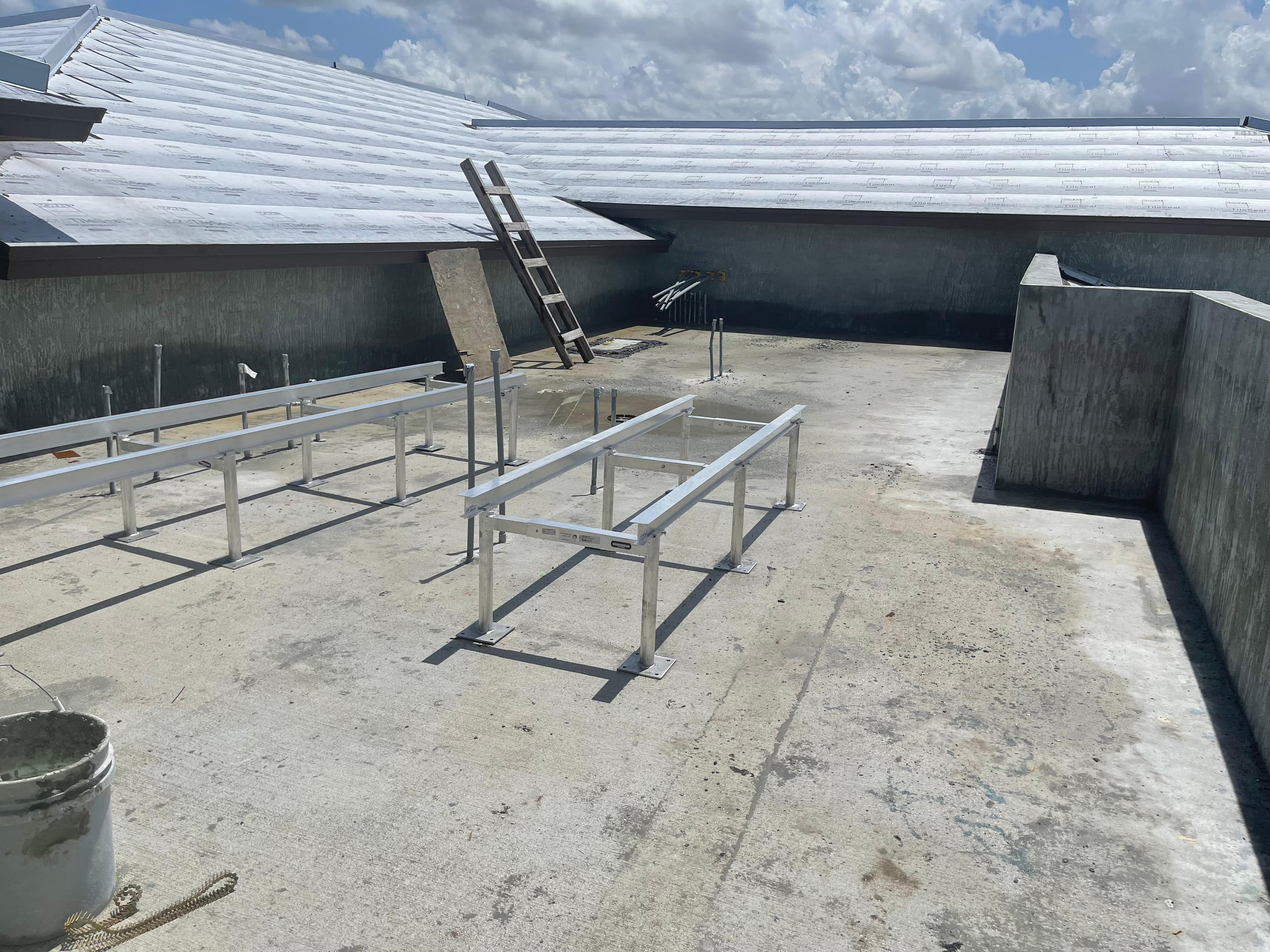
Standing seam metal roofs deliver 160+ mph wind ratings and 50-year lifespans in Miami. Learn about costs, materials, and energy savings.
Read More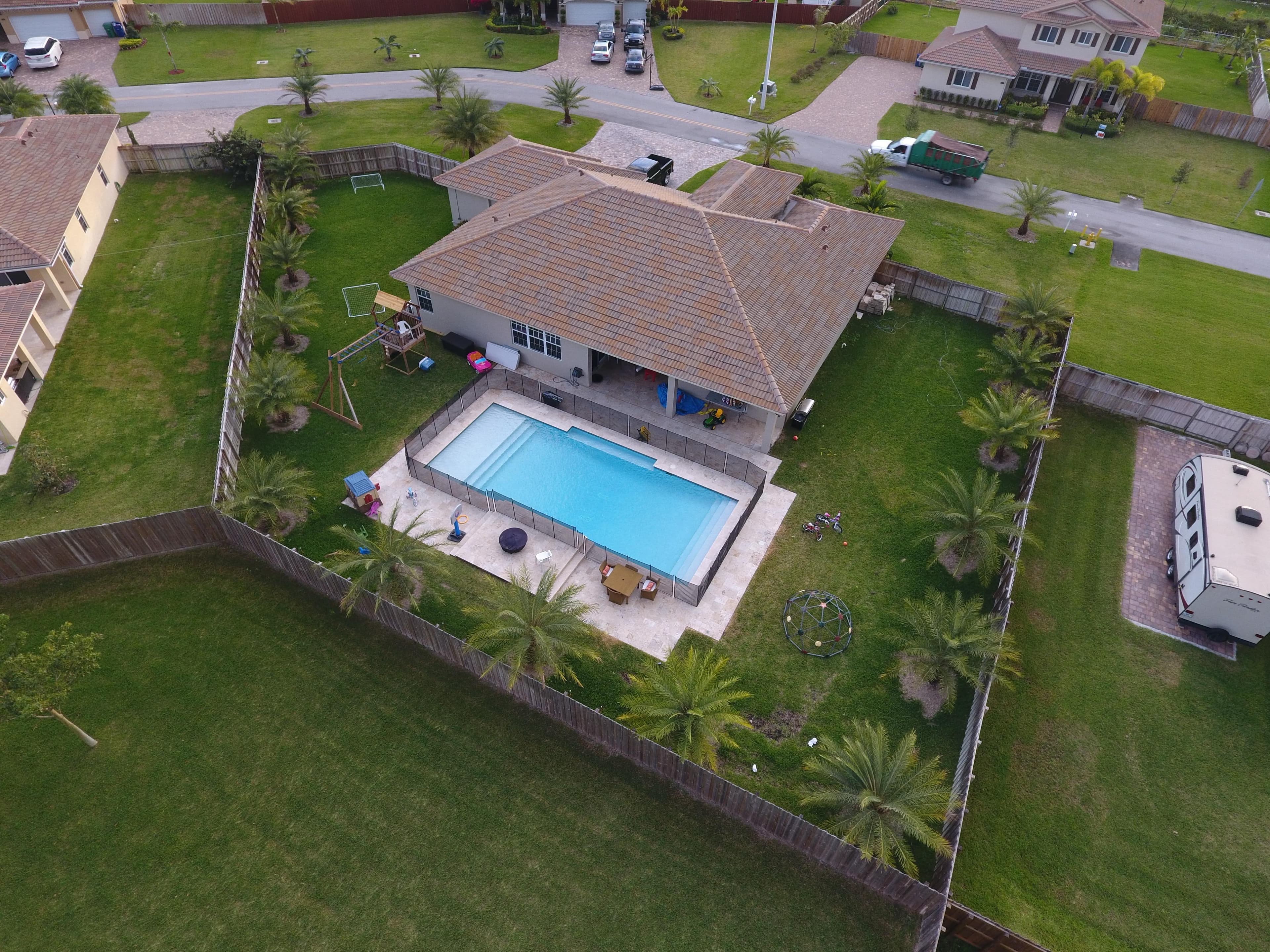
Florida insurance rates are dropping for the first time since 2015. Learn how combining market rate decreases with strategic roof upgrades can save Miami homeowners $1,400-$2,600 per year on premiums.
Read More