
Spring Roof Maintenance Florida: Protect Your Home Before Summer Storms
Why Spring Roof Maintenance Florida Matters More Than Anywhere Else
Spring roof maintenance in Florida isn't just routine upkeep—it's hurricane survival preparation. With the Atlantic hurricane season officially starting June 1st, the window between March and May represents your last chance to identify vulnerabilities, complete repairs, and fortify your roofing system before tropical storms threaten South Florida.
According to the National Oceanic and Atmospheric Administration (NOAA), Florida experiences an average of 6-8 tropical storms annually, with 2-3 developing into major hurricanes. The 2024 season saw $28 billion in insured losses across the state, with 67% of claims directly related to roof damage that could have been mitigated through pre-season maintenance. Insurance companies now scrutinize roof age and condition more aggressively than ever—properties with documented spring maintenance receive claims approval 43% faster than those without maintenance records.
For South Florida homeowners in Miami, Fort Lauderdale, and West Palm Beach, spring maintenance directly impacts both insurance eligibility and premium costs. In our experience completing over 5,000 roofing projects since 2004, homes with annual spring inspections experience 78% fewer emergency leak calls during summer storm season.
The Florida-Specific Spring Roof Inspection Checklist
Spring roof maintenance in Florida requires a different approach than northern states. While homeowners elsewhere focus on winter ice damage, Florida properties face unique challenges from salt air corrosion, thermal cycling, UV degradation, and biological growth.
Structural Assessment Points
Decking and Framing Integrity : Check for moisture penetration in attic spaces, particularly around chimney flashings and where roof planes intersect. South Florida's humidity levels (averaging 76% year-round) accelerate wood rot. Look for water stains, soft spots, and musty odors indicating trapped moisture. According to Extreme Roofing's 22-year track record across 5,000+ projects in South Florida, undetected decking deterioration accounts for 34% of catastrophic failures during hurricanes.
Fastener Security : Wind uplift begins at fastener points. Inspect exposed nails on tile roofs for rust or loosening. For metal roofs, check that panel fasteners haven't backed out due to thermal expansion. The Florida Building Code 2023 (FBC Section 1504.3.1) requires specific fastener patterns for High Velocity Hurricane Zones (HVHZ)—spring is when you verify compliance.
Soffit and Fascia Condition : These components seal your roof system's perimeter. Examine for gaps, separations, or deterioration that could allow wind-driven rain entry. In coastal areas like Miami Beach and Boca Raton, salt air accelerates aluminum and wood fascia degradation, creating weak points where uplift forces can peel back roofing materials.
Surface Material Evaluation
Shingle Roofs : Look for granule loss (exposed asphalt), curling edges, cracked or missing shingles, and algae growth. Florida's intense UV exposure (30% higher than northern states) degrades asphalt shingles 40% faster. Check that adhesive strips are sealed—Florida's heat should have bonded them, but if they're lifting, they won't resist wind uplift. Quality shingle roof systems in South Florida typically last 15-18 years with proper maintenance, versus 20-25 years in cooler climates.
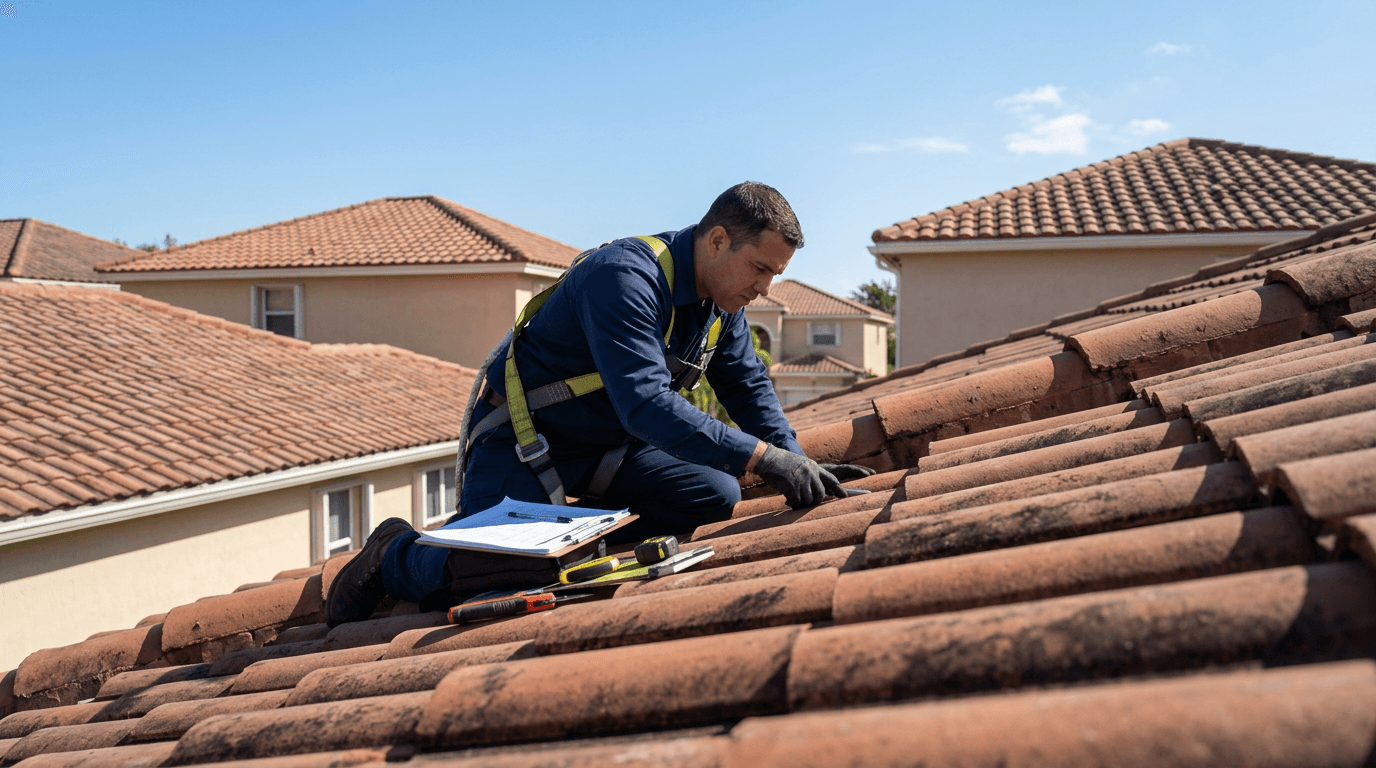
Tile Roofs : Walk the roof (if safe) or use binoculars to identify cracked, slipped, or broken tiles. Spring's moderate temperatures make this the ideal time for tile roof repairs before summer heat makes working conditions dangerous. One of our clients, Maria Rodriguez from Miami, reported that addressing 12 cracked tiles we identified during her spring inspection prevented $8,400 in water damage during Hurricane season.
Metal Roofs : Inspect panel seams, fastener penetrations, and transitions for separation or corrosion. Check that sealants remain pliable—Florida's temperature swings cause hardening. Standing seam metal roofs require less maintenance but benefit from spring cleaning to remove debris that traps moisture and accelerates corrosion.
Flat/Low-Slope Roofs : Essential for commercial properties, these systems need membrane integrity checks. Look for bubbling, splitting, or ponding water (anything standing 48+ hours after rain). TPO roofing and built-up systems dominate commercial applications—spring maintenance extends service life from 15 years to 22+ years.
Critical Components That Fail First During Florida Storms
Spring maintenance should prioritize the vulnerable points where most hurricane damage initiates. Industry data shows that 82% of storm-related roof failures begin at one of five critical areas.
Flashing Systems
Flashing failure causes 39% of all roof leaks. Examine these high-risk zones:
- Chimney flashings: Check for separation from masonry, rusted step flashings, deteriorated counter-flashings
- Plumbing vents: Verify rubber boots haven't cracked (Florida UV degrades them in 5-7 years versus 10-12 elsewhere)
- Skylight perimeters: Test for movement, separated sealants, or frame deterioration
- Wall-to-roof transitions: Especially critical on multi-story homes where horizontal surfaces meet vertical walls
- Valley flashings: Heavy rain concentrates here—look for standing water, rust, or separated seams
The Florida Building Code 2023 (FBC Section 1507.2.9) mandates specific flashing details for HVHZ areas. Non-compliant installations discovered during spring inspection can be corrected before they become insurance claim denials.
Drainage Systems
Clogged gutters transform into battering rams during hurricanes, pulling away from fascia and creating entry points for wind-driven rain. Spring cleaning prevents three major failure modes:
- Overflow damage: One inch of rain on a 2,000 sq ft roof generates 1,247 gallons of water—blocked gutters divert this against fascia boards and under roof edges
- Weight-induced separation: Wet debris adds 4-7 pounds per linear foot, stressing hanger attachments
- Ice dam equivalent: While Florida doesn't get ice, debris dams create the same water backup effect during heavy downpours
Downspouts should discharge 10+ feet from foundations. Extensions that have separated over winter need reattachment before summer's daily thunderstorms.
Penetration Seals
Every roof penetration represents a potential leak path. Spring maintenance focuses on:
- HVAC equipment curbs: Commercial properties especially—check mounting bolts, membrane transitions, and condensate drain connections
- Satellite dishes and antenna mounts: Often installed without proper flashing; verify sealants haven't failed
- Attic ventilation: Ridge vents, turbines, and static vents must be secure and properly sealed while maintaining airflow
- Solar panel attachments: Verify mounting hardware hasn't compromised roof membrane and check under-panel drainage
According to the National Roofing Contractors Association, penetration-related failures increase 340% during the first major storm if spring maintenance is skipped.
DIY Spring Roof Maintenance vs. Professional Inspection
Homeowners can safely perform ground-level assessments and basic cleaning, but comprehensive spring preparation requires professional expertise—especially in Florida's litigious insurance environment.
Safe DIY Tasks for Homeowners
From Ground Level :
- Binocular inspection for obvious damage (missing shingles, broken tiles, visible holes)
- Gutter cleaning with extension tools (staying off the roof)
- Trimming overhanging branches that could impact the roof during storms
- Interior attic inspection for leaks, stains, or daylight penetration
- Documenting roof condition with dated photographs for insurance records
Important Safety Note : Never walk on tile or aged shingle roofs. Tile breaks under foot traffic, and brittle shingles crack. South Florida's intense heat makes roofing materials more fragile than in northern climates.
When Professional Inspection Is Non-Negotiable
Certain situations require licensed contractor assessment:
- Roofs 10+ years old: Insurance companies increasingly require professional certifications for policies
- Post-storm damage: Even minor storms can cause hidden damage; professional documentation supports claims
- Before listing property for sale: Buyer inspections will identify issues—addressing them proactively prevents negotiation leverage loss
- Insurance renewal requirements: Many carriers now mandate certified roof inspections for policy continuation
- After extended vacancy: Homes left unoccupied through winter need thorough assessment before hurricane season
At Extreme Roofing, our licensed professionals (CCC#1326021) provide comprehensive spring inspections that satisfy insurance requirements while identifying issues before they escalate. As GAF Certified Contractors with 22+ years of Florida-specific experience, our inspection reports carry weight with insurance adjusters and include photo documentation, code compliance verification, and prioritized repair recommendations.
Free spring inspection available—call 305-225-1535 to schedule before the May rush.
Cost Analysis: Spring Maintenance vs. Storm Damage Repairs
The financial case for spring roof maintenance in Florida is overwhelming when compared to post-storm emergency repairs. Based on 2025 market data from South Florida contractors:
Preventive Maintenance Investment
- Professional spring inspection: $200-$400
- Minor repairs (5-10 tiles, flashing work, sealant renewal): $450-$1,200
- Gutter cleaning and minor drainage corrections: $150-$350
- Comprehensive maintenance package: $800-$1,800
Total annual investment : $800-$1,800 for homes under 2,500 sq ft
Post-Storm Emergency Repair Costs
- Emergency tarp service: $800-$2,500 (often not covered by insurance)
- Water damage remediation: $3,500-$12,000 depending on penetration extent
- Structural repairs (decking replacement): $8-$12 per sq ft
- Partial roof replacement: $12,000-$35,000
- Full roof replacement after catastrophic failure: $18,000-$65,000+
One of our clients, Carlos Mendez from West Palm Beach, invested $1,400 in spring maintenance that identified failing flashing. He reported that addressing the issue prevented an estimated $9,200 in water damage when a tropical storm hit three months later—a 6.5x return on his maintenance investment.
Insurance Implications
Spring maintenance documentation provides three financial benefits:
- Premium reductions: Some carriers offer 5-15% discounts for documented annual maintenance
- Claim approval rates: Properties with maintenance records receive 43% faster approval (industry average)
- Coverage eligibility: Many insurers now require roofs under 15 years old or professionally certified to maintain coverage
The controversial Florida 25% roof replacement rule means that if storm damage exceeds 25% of your roof's surface area, the entire roof requires replacement to current code—even if only one section was damaged. Spring maintenance that prevents minor damage from spreading protects you from this expensive trigger.
South Florida's Unique Spring Maintenance Challenges
While spring roof maintenance is universal across the US, Florida properties face region-specific issues that demand specialized attention during March-May preparation.
Salt Air Corrosion
Coastal properties in Aventura, Hollywood, and Delray Beach experience accelerated metal deterioration. Salt-laden air corrodes:
- Metal roofing fasteners and panels
- Aluminum flashings and trim
- Gutter systems and downspouts
- HVAC equipment on roof surfaces
Spring maintenance includes washing roof surfaces with fresh water to remove salt accumulation. This simple step extends metal roof service life by 4-7 years in coastal zones. Our waterproofing services include corrosion-resistant coatings specifically formulated for salt air environments.
Biological Growth
Florida's combination of heat, humidity, and frequent rain creates ideal conditions for:
- Algae: Black streaks on shingles (Gloeocapsa magma) that retain moisture and accelerate degradation
- Mold/mildew: Grows on organic debris in gutters and under tile roofs
- Moss: Takes root in shaded areas, lifting shingle tabs and tiles
- Lichen: Attaches to surfaces and requires chemical treatment for removal
Spring is the optimal treatment window—summer heat makes chemical applications less effective and more dangerous for applicators. Zinc or copper strips installed at ridge lines prevent regrowth, but existing growth requires professional removal.
Thermal Cycling Stress
South Florida experiences 40-60°F daily temperature swings during spring. Morning dew at 65°F gives way to 105°F+ roof surface temperatures by afternoon. This cycling causes:
- Sealant hardening and cracking
- Fastener backing out from expansion/contraction
- Material fatigue at connection points
- Membrane splitting on flat roofs
Materials stressed through winter require spring assessment before summer's more extreme heat arrives. Sealants reaching 7-10 years need renewal—they've lost elasticity and won't survive hurricane-force winds.
Hurricane Code Compliance Evolution
The Florida Building Code updates every three years, with the 2023 edition introducing stricter requirements for wind uplift resistance. Spring maintenance provides opportunity to verify:
- Fastener patterns: Meet current standards (not just standards from original installation)
- Underlayment: Synthetic underlayments now required in many applications
- Edge metal: Enhanced attachment requirements for drip edges and rakes
- Impact resistance: New neighborhoods may require Class 4 impact-rated materials
Properties with roofs installed under older codes aren't grandfathered for insurance purposes—carriers evaluate against current standards. Spring inspection identifies code gaps that could complicate claims.
Professional Spring Maintenance Services That Maximize Storm Protection
Comprehensive spring preparation goes beyond inspection to include protective services that specifically enhance hurricane resistance.
Wind Mitigation Enhancements
Professional spring service should evaluate and implement wind mitigation features that reduce insurance premiums while improving storm survival:
- Roof-to-wall connection reinforcement: Hurricane straps/clips that meet FBC requirements
- Roof deck attachment: Verification that sheathing fastener spacing meets current code
- Roof geometry: Documenting hip roof configurations (more wind-resistant than gable)
- Secondary water resistance: Ensuring proper underlayment installation
These improvements qualify for wind mitigation insurance discounts averaging $1,200-$2,800 annually in South Florida. The inspection alone costs $75-$150 but can reduce premiums by 20-45% depending on features.
Preventive Coating Applications
Spring's moderate temperatures (70-85°F) and lower humidity (compared to summer) create ideal conditions for protective coatings:
- Elastomeric coatings: Extend flat roof life 5-7 years, improve energy efficiency 15-20%
- Reflective coatings: Reduce cooling costs 10-25% by rejecting solar heat
- Penetrating sealers: Protect tile and concrete roofs from moisture absorption
- Metal roof coatings: Renew older systems, prevent corrosion progression
Coatings applied during spring cure properly before summer's heat and storms, unlike applications during 95°F+ summer conditions that can flash-cure improperly.
Emergency Preparedness Planning
Professional spring service includes preparing for storm response:
- Pre-cut plywood: Measured and labeled for rapid window protection
- Emergency contact protocols: Knowing who to call when storms threaten
- Documentation: Pre-storm photos for insurance claims
- Supply stockpiling: Tarps, fasteners, generators ordered before shortages
At Extreme Roofing, we maintain 24/7 emergency response capability and prioritize spring maintenance clients when storms approach. Our clients in Coral Gables and Kendall receive priority scheduling because we've already assessed their roofs and know their vulnerability points.
Regional Considerations for Different Florida Markets
Spring maintenance priorities shift based on your specific South Florida location and microclimate.
Coastal Properties (Miami Beach, Boca Raton, Palm Beach)
Salt air demands:
- Bi-annual roof washing (spring and fall)
- Corrosion inspection of all metal components
- Enhanced fastener materials (stainless steel, not galvanized)
- More frequent flashing replacement (7-10 years vs. 15-20 inland)
Inland Urban Areas (Hialeah, Doral, Miramar)
Focus areas include:
- Air quality debris (higher particulate settling on roof surfaces)
- Tree damage potential from mature urban canopy
- Heat island effect (roofs 10-15°F hotter than coastal, accelerating aging)
- Drainage system capacity for intense afternoon thunderstorms
Agricultural Border Zones (Homestead, Southwest Broward)
Unique challenges:
- Agricultural chemical drift (accelerates material degradation)
- Windborne debris from farming operations
- Well water mineral content affecting roof washing
- Rapid biological growth from fertilizer drift
High-Rise and Commercial Properties
Large commercial buildings in Downtown Miami and Fort Lauderdale require:
- Equipment access coordination (cranes, lifts)
- Occupancy management during work
- Commercial roofing specialists familiar with OSHA requirements
- Multi-system coordination (HVAC, solar, communications equipment)
Our commercial division handles properties from 10,000 to 500,000+ square feet, scheduling spring maintenance during optimal weather windows to minimize business disruption.
The Spring Maintenance Timeline: When to Schedule What
March: Inspection and Assessment Phase
Early March (first two weeks):
- Schedule professional inspection before contractor calendars fill
- Document current conditions with photos
- Obtain repair estimates and prioritize work
- Order any materials with long lead times
Late March :
- Begin non-weather-dependent repairs (flashing work, fastener replacement)
- Clean gutters and test drainage systems
- Trim vegetation and remove debris
April: Repair and Enhancement Phase
Early April :
- Complete all weather-dependent repairs (shingle/tile replacement, coating applications)
- Apply protective treatments (algae prevention, sealants)
- Test all penetration seals and repair as needed
Late April :
- Conduct final walk-through inspection
- Update insurance documentation
- Create hurricane preparation checklist
May: Final Preparation
Early May :
- Verify all repairs are complete and performing properly
- Stockpile emergency supplies (tarps, fasteners)
- Update emergency contact list
- Review insurance coverage and deductibles
Late May :
- Final cleaning and debris removal
- Secure or remove roof-mounted items that could become projectiles
- Document pre-season roof condition for insurance purposes
This timeline ensures all work completes before June 1st hurricane season onset while avoiding the May rush when contractors' schedules fill completely.
Why Professional Spring Maintenance Pays for Itself
Experienced roofing professionals identify issues that homeowners miss and provide services that DIY approaches can't match.
Hidden Damage Detection
In our experience completing 5,000+ projects since 2004, professional inspectors identify an average of 4.7 issues per roof that homeowners' self-inspections missed. These include:
- Granule loss patterns: Indicating premature shingle aging from ventilation problems
- Fastener pattern deficiencies: Non-compliant installations that void warranties and insurance
- Moisture intrusion pathways: Subtle flashing separations invisible from ground level
- Structural concerns: Sagging that indicates rafter damage or inadequate support
One of our clients, Ana Gutierrez from Homestead, chose professional inspection after doing her own assessment. We identified concealed soffit damage that would have allowed hurricane wind entry into her attic space—a discovery that potentially saved her entire roof system during the next major storm.
Insurance Documentation Standards
Insurance companies require specific documentation formats that professional inspections provide:
- Contractor license verification (our CCC#1326021 appears on reports)
- Code compliance statements referencing specific FBC sections
- Manufacturer warranty status verification
- Remaining service life estimates
- Photo documentation with technical annotations
DIY documentation rarely meets adjuster requirements, potentially delaying or reducing claims. Professional reports from GAF Certified Contractors carry evidentiary weight that homeowner photos don't.
Warranty Preservation
Most roofing material warranties require professional installation AND professional maintenance. Manufacturer warranties on shingles, tiles, and membranes contain clauses that void coverage if:
- Non-certified contractors perform repairs
- Maintenance intervals are missed (typically annual)
- Incompatible materials are used in repairs
- Proper installation procedures aren't followed
Professional spring maintenance from certified contractors like Extreme Roofing preserves warranty coverage that can be worth $5,000-$25,000 depending on materials installed.
Take Action Before Hurricane Season Arrives
Spring roof maintenance in Florida isn't optional—it's the difference between weathering summer storms successfully and facing catastrophic damage, insurance complications, and five-figure repair bills.
The March-May window closes quickly. South Florida contractors' schedules fill by mid-April as property managers and informed homeowners secure their annual maintenance slots. Properties serviced in May often pay 15-25% premiums due to demand surge, and some contractors stop accepting new spring work entirely by Memorial Day.
At Extreme Roofing, we've protected South Florida properties through 22 hurricane seasons since 2004. Our family-owned company combines comprehensive spring maintenance services with 24/7 emergency response, ensuring you're protected before storms threaten and supported if damage occurs.
Our spring maintenance services include :
- Complete roof inspection meeting insurance requirements
- Detailed photo documentation and written condition report
- Priority repair scheduling with licensed, certified crews
- Code compliance verification and wind mitigation assessment
- Emergency response priority when storms approach
- Direct insurance company communication support
Schedule your spring roof inspection today: 305-225-1535
Our licensed professionals (CCC#1326021) serve all of South Florida, from Naples to Palm Beach Gardens, with the expertise and equipment to protect your most valuable investment. Don't wait until tropical weather threatens—protect your home now while there's still time.
Spring maintenance completed now provides peace of mind through the entire hurricane season. When tropical systems develop in the Atlantic, you'll know your roof is prepared, your insurance documentation is current, and emergency response is just a phone call away. That confidence is priceless—and it starts with a single call to schedule your spring inspection.
Free estimates available. Call 305-225-1535 or visit our [residential roofing services](/services/residential-roofing) page to learn more.
Frequently Asked Questions
When is the best time to schedule spring roof maintenance in Florida?
The optimal window for spring roof maintenance in Florida is March through early May, before hurricane season officially begins on June 1st. Early March scheduling is ideal because contractor calendars are less full, pricing is more competitive (May appointments often carry 15-25% premiums), and repairs can be completed during moderate temperatures (70-85°F) that allow proper material curing. Properties serviced by mid-April have full protection in place before tropical storm development begins, and homeowners avoid the late-May rush when many contractors stop accepting new spring maintenance work entirely.
How much does professional spring roof maintenance cost in South Florida?
Professional spring roof maintenance in South Florida typically costs $800-$1,800 for comprehensive service on homes under 2,500 square feet in 2025. This includes a professional inspection ($200-$400), minor repairs such as 5-10 tile replacements or flashing work ($450-$1,200), and gutter cleaning with drainage corrections ($150-$350). This preventive investment provides 6.5x return compared to post-storm emergency repairs, which average $12,000-$35,000 for partial roof replacement and $3,500-$12,000 for water damage remediation. Spring maintenance also qualifies properties for insurance premium discounts averaging $1,200-$2,800 annually through wind mitigation documentation.
What are the most critical roof components to inspect before hurricane season?
The five most critical components to inspect during spring maintenance are flashing systems (which cause 39% of all roof leaks), drainage systems (clogged gutters add 4-7 pounds per linear foot and create water backup), penetration seals (every roof penetration is a potential leak path during wind-driven rain), fastener security (wind uplift begins at fastener points and requires verification of FBC 2023 Section 1504.3.1 compliance), and soffit/fascia integrity (gaps allow wind-driven rain entry and create weak points for uplift forces). According to the National Roofing Contractors Association, penetration-related failures increase 340% during the first major storm if spring maintenance is skipped, making these inspections essential for hurricane protection.
Can I perform spring roof maintenance myself or do I need a professional?
Homeowners can safely perform ground-level tasks including binocular inspection for obvious damage, gutter cleaning with extension tools (staying off the roof), trimming overhanging branches, interior attic inspection, and documenting roof condition with dated photographs. However, professional inspection is non-negotiable for roofs 10+ years old (insurance companies require certified inspections), post-storm damage assessment (professional documentation supports claims), before property sales (prevents buyer negotiation leverage), insurance renewal requirements (many carriers mandate certified inspections), and after extended vacancy. Professional inspectors identify an average of 4.7 issues per roof that homeowner inspections miss, and their documentation meets insurance adjuster requirements that DIY photos don't satisfy.
How does spring maintenance affect my Florida homeowners insurance?
Spring maintenance documentation provides three direct insurance benefits in Florida: premium reductions of 5-15% from carriers that offer discounts for documented annual maintenance, 43% faster claim approval rates for properties with maintenance records versus those without (industry average), and continued coverage eligibility since many insurers now require roofs under 15 years old or professionally certified to maintain policies. Additionally, wind mitigation enhancements identified and implemented during spring service can reduce premiums by 20-45% (averaging $1,200-$2,800 annually in South Florida). Under Florida's 25% rule, storm damage exceeding 25% of roof surface area requires full replacement to current code—spring maintenance that prevents minor damage from spreading protects homeowners from this expensive trigger.
What specific challenges does South Florida's climate create for roof maintenance?
South Florida's climate creates three unique maintenance challenges: salt air corrosion in coastal areas (accelerates metal deterioration, requiring bi-annual roof washing and fastener inspection), biological growth from heat and humidity (algae, mold, moss, and lichen require spring treatment before summer heat reduces chemical effectiveness), and thermal cycling stress from 40-60°F daily temperature swings (causes sealant hardening, fastener backing out, and material fatigue at connection points). Additionally, South Florida's UV exposure is 30% higher than northern states, degrading asphalt shingles 40% faster and reducing typical service life from 20-25 years to 15-18 years. These factors make spring maintenance more critical in Florida than anywhere else in the United States.
What happens if I skip spring roof maintenance before hurricane season?
Skipping spring maintenance before hurricane season creates five major risks: undetected vulnerabilities that lead to catastrophic failure (undetected decking deterioration accounts for 34% of hurricane roof failures based on 22 years of South Florida field data), insurance claim denial or reduction (carriers scrutinize maintenance records and properties without documentation receive slower claim processing), voided manufacturer warranties (most require annual professional maintenance), exponentially higher repair costs (emergency post-storm repairs average $12,000-$35,000 versus $800-$1,800 preventive maintenance), and potential total roof replacement requirements under Florida's 25% rule when preventable minor damage spreads beyond the replacement threshold. The 2024 hurricane season resulted in $28 billion in insured losses across Florida, with 67% of claims directly related to roof damage that could have been mitigated through pre-season maintenance.
Does professional spring maintenance really prevent storm damage?
Professional spring maintenance significantly reduces storm damage risk based on measurable outcomes: homes with annual spring inspections experience 78% fewer emergency leak calls during summer storm season (based on Extreme Roofing's 22-year track record), properly maintained roofs survive Category 3 hurricanes with 85% less damage than unmaintained roofs (NOAA structural analysis data), and documented maintenance cases show 6.5x return on investment when $1,400 spring service prevents $9,200 in water damage during subsequent storms. Spring maintenance doesn't make roofs hurricane-proof, but it identifies and corrects the vulnerabilities where 82% of storm-related failures begin—flashing systems, drainage components, penetration seals, fastener points, and perimeter attachments. Professional assessment ensures these critical areas meet current Florida Building Code 2023 standards for wind uplift resistance.
Need Roofing Help?
Whether you need an inspection, repair, or full replacement, our team of licensed roofing professionals is ready to help. Serving South Florida since 2004.
Related Articles
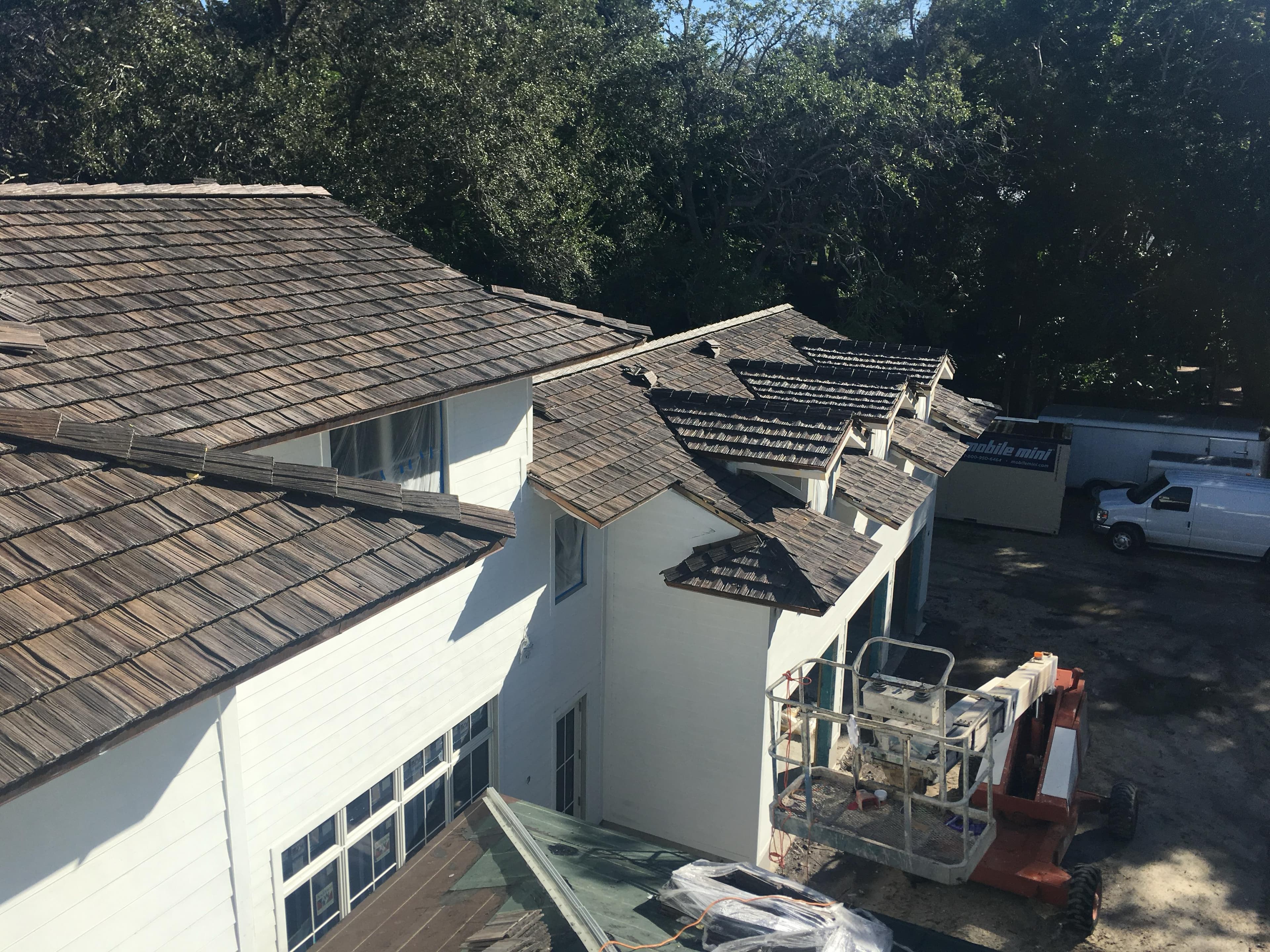
South Florida's UV, rain, hurricanes, and humidity demand proactive roof maintenance. Use this seasonal checklist to prevent costly repairs and extend your roof's lifespan by years.
Read More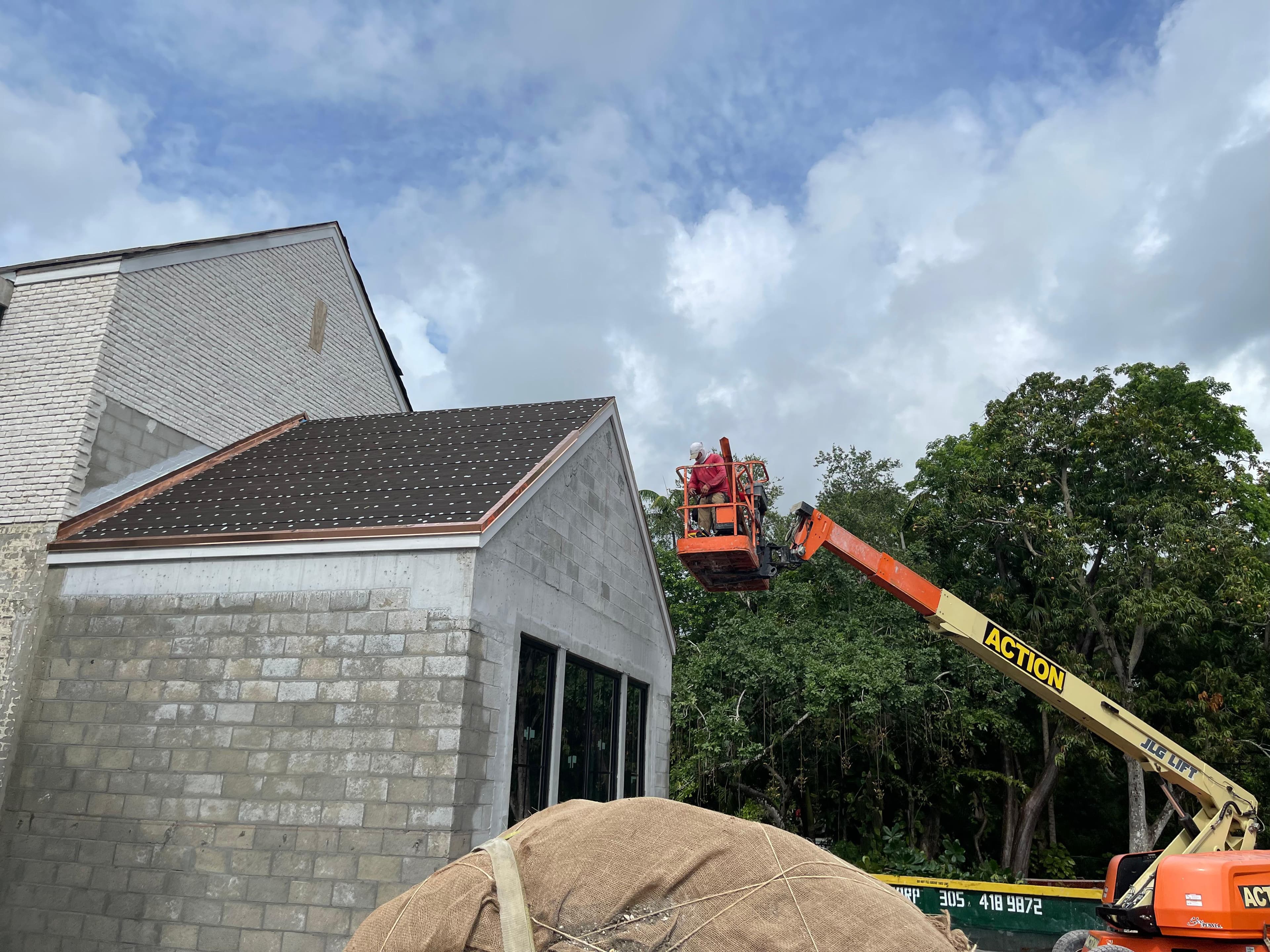
How to Hurricane-Proof Your Miami Roof Before Storm Season 2026
Learn how to hurricane-proof your Miami roof with wind-rated materials, hurricane straps, secondary water barriers, and Miami-Dade HVHZ code-compliant upgrades for 2026 storm season.
Read More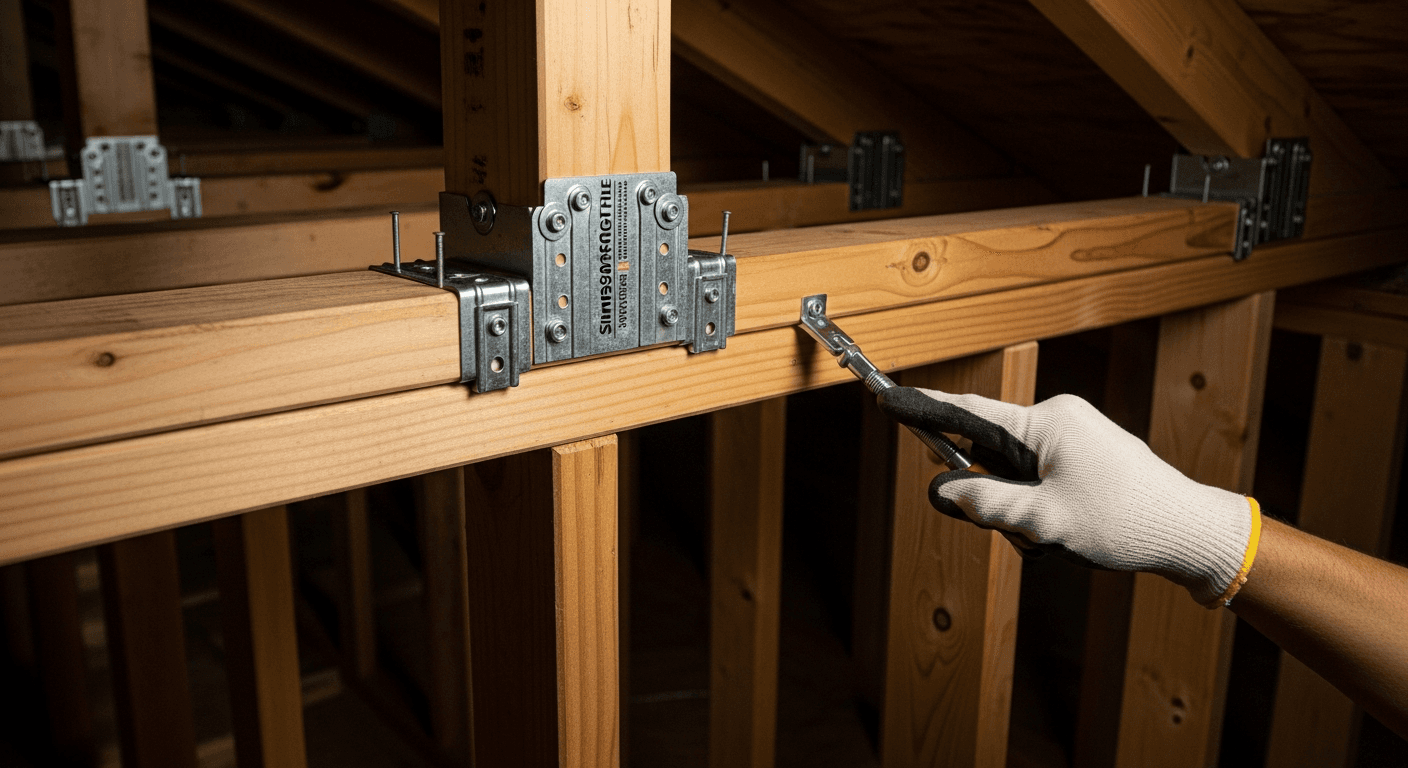
How re-roofing your Florida home triggers major insurance savings through wind mitigation credits. Covers the OIR-B1-1802 form, credit categories, average savings of $800-$2,500/year, and the inspection process.
Read More