Extreme Roofing Costs in South Florida: 2025 Pricing Guide
What Is Extreme Roofing and Why Does It Cost More?
Extreme roofing refers to roofing systems engineered to withstand severe weather conditions including hurricane-force winds, extreme heat, heavy rainfall, and salt air corrosion. In South Florida's High-Velocity Hurricane Zone (HVHZ), extreme roofing isn't just recommended—it's mandated by building codes. These systems incorporate impact-resistant materials, enhanced fastening methods, reinforced underlayment, and specialized installation techniques that exceed standard roofing specifications.
The cost premium for extreme roofing ranges from 25-60% above standard roofing systems, but this investment directly translates to superior wind resistance ratings (typically 150+ mph), extended lifespan (30-50+ years), significant insurance discounts (up to 45% in some cases), and dramatically reduced storm damage risk. According to the Federal Alliance for Safe Homes, homes with properly installed extreme roofing systems are 60% less likely to experience catastrophic failure during major hurricanes.
For South Florida homeowners and commercial property managers, extreme roofing represents the intersection of building code compliance, insurance requirements, and long-term property protection. The upfront investment consistently proves cost-effective when compared to repeated repairs, insurance claim deductibles, and potential total roof replacement after storm events.
2025 Extreme Roofing Cost Breakdown by Material Type
Extreme roofing costs in South Florida vary significantly based on material selection, property size, roof complexity, and specific HVHZ requirements. Here's what homeowners can expect to invest in 2025:
Concrete and Clay Tile Roofing ($15-$28 per square foot)
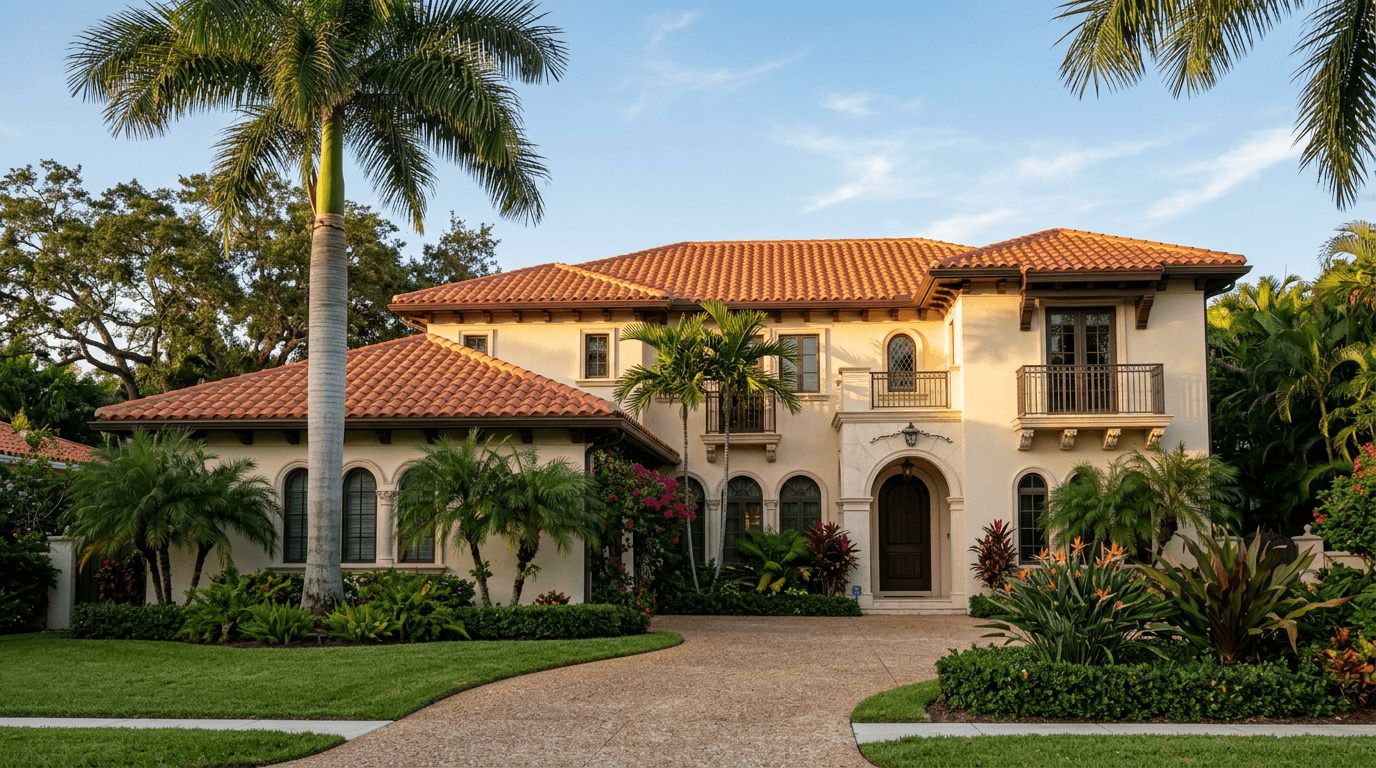
Concrete and clay tile roofs represent the gold standard for South Florida extreme roofing. These systems offer Class 4 impact resistance, 50+ year lifespans, and exceptional wind uplift ratings when properly installed with hurricane clips and foam adhesive.
Cost factors for tile roofing:
- Standard concrete tile: $15-$19 per square foot installed
- Premium clay barrel tile: $22-$28 per square foot installed
- Structural reinforcement (often required): $3-$5 per square foot additional
- Enhanced underlayment (required in HVHZ): $1.50-$2.50 per square foot
One of our clients, Maria Rodriguez from Miami, reported that her complete tile roof replacement after Hurricane Ian cost $42,000 for a 2,400 square foot home, but the investment provided peace of mind and a 35% homeowner's insurance discount that will save approximately $1,800 annually.
Metal Roofing Systems ($12-$22 per square foot)
Standing seam metal roofs have surged in popularity across South Florida due to their exceptional wind resistance (up to 170 mph when properly anchored), 40-60 year lifespans, and superior heat reflection properties that can reduce cooling costs by 20-30%.
Metal roofing cost breakdown:
- Galvalume standing seam: $12-$16 per square foot installed
- Aluminum standing seam (coastal properties): $14-$18 per square foot installed
- Premium copper or zinc: $20-$22 per square foot installed
- Structural upgrades for panel attachment: $2-$4 per square foot
Ana Gutierrez from Homestead chose Extreme Roofing for her metal roof installation, noting that after comparing five quotes, the combination of quality materials and expert installation justified the $38,500 investment for her 2,200 square foot home.
Impact-Resistant Shingle Roofing ($8-$14 per square foot)
Impact-resistant shingles offer the most economical entry point into extreme roofing, with Class 4 impact ratings and wind resistance up to 130 mph. While they don't match the longevity of tile or metal, quality architectural shingles provide 25-30 year lifespans when properly maintained.
Shingle roofing investment range:
- Standard architectural shingles (Class 3): $8-$10 per square foot installed
- Premium Class 4 impact-resistant: $10-$12 per square foot installed
- Luxury designer shingles: $12-$14 per square foot installed
- Hurricane-rated synthetic underlayment: $1-$1.75 per square foot
Susan Park from Boca Raton shared that her aging shingle roof replacement cost $24,000 for 2,000 square feet, and the crew's attention to property protection and thorough cleanup made the process stress-free.
Commercial TPO and Built-Up Systems ($10-$18 per square foot)
Commercial flat roofing systems require specialized extreme roofing techniques including mechanically-attached membranes, enhanced insulation layers, and reinforced flashing systems to meet HVHZ commercial building codes.
Commercial extreme roofing costs:
- TPO membrane (60-80 mil): $10-$14 per square foot installed
- Built-up roofing (BUR) systems: $12-$16 per square foot installed
- Modified bitumen systems: $11-$15 per square foot installed
- Tapered insulation and drainage: $3-$5 per square foot additional
James Thompson from Coral Gables reported that his commercial property re-roof with TPO membrane cost $87,000 for 7,000 square feet, but energy costs decreased 28% in the first year, providing measurable ROI beyond storm protection.
Hidden Costs and Additional Extreme Roofing Expenses
Beyond base material and installation costs, extreme roofing projects in South Florida incur several additional expenses that homeowners should budget for:
Structural inspection and reinforcement ($1,500-$5,000): Miami-Dade County requires structural engineering inspections for most roof replacements. If your roof decking, trusses, or wall connections don't meet current HVHZ standards, reinforcement becomes mandatory. In our experience completing over 5,000 roofing projects since 2004, approximately 40% of pre-2002 homes require some level of structural upgrade.
Permit fees and inspections ($800-$2,500): HVHZ permits cost significantly more than standard roofing permits. Expect to pay $1,200-$1,800 for residential permits in Miami-Dade County, $900-$1,400 in Broward County, and $800-$1,200 in Palm Beach County. Multiple inspection cycles add to timeline and cost.
Complete tear-off and disposal ($2-$4 per square foot): South Florida building codes typically require complete removal of existing roofing materials down to the deck. For a 2,000 square foot roof, disposal costs range from $4,000-$8,000 depending on material type and landfill fees.
Enhanced waterproofing systems ($1,500-$4,000): Waterproofing services including ice and water shield at all penetrations, enhanced valley protection, and secondary water barriers add significant cost but prevent the most common failure points during extreme weather events.
Hurricane strapping and reinforcement ($800-$2,500): Metal hurricane straps, clips, and adhesive systems that connect roof structure to wall framing represent essential HVHZ requirements that weren't standard in older construction.
Carlos Mendez from West Palm Beach needed urgent warehouse waterproofing and reported that Extreme Roofing's team arrived within 48 hours and completed the project for $31,000, eliminating ongoing inventory damage that had been costing him approximately $5,000 monthly.
How South Florida Building Codes Impact Extreme Roofing Costs
South Florida operates under the most stringent residential building codes in the continental United States, directly impacting extreme roofing costs through material requirements, installation specifications, and inspection protocols.
Florida Building Code 2023 HVHZ Requirements
The Florida Building Code (FBC) Section 1609.1.1 designates Miami-Dade and Broward counties as High-Velocity Hurricane Zones requiring:
- Wind resistance ratings of 150-180 mph depending on building height and exposure category
- Impact resistance testing per ASTM D3746 and ASTM D7158 standards
- Miami-Dade Product Control approved materials only (Notice of Acceptance required)
- Enhanced fastening schedules with specific nail/screw patterns and spacing
- Secondary water resistance barriers meeting ASTM D226 Type II or ASTM D4869 standards
These requirements add approximately $3-$6 per square foot compared to non-HVHZ regions. However, compliance isn't optional—insurance companies can deny claims for roofs that don't meet current code, and properties with non-compliant roofs may become uninsurable.
The 25% Replacement Rule and Cost Implications
Florida's 25% rule (FBC Section 706.1) states that if roof repairs or replacements exceed 25% of the roof's total area within any 12-month period, the entire roof must be brought up to current code standards. This seemingly simple regulation dramatically impacts renovation costs.
For example, if you need to repair storm damage covering 30% of your 2,000 square foot roof, you cannot simply patch those sections. Instead, you must upgrade the entire roof to meet 2023 HVHZ standards, potentially transforming a $8,000 repair into a $40,000+ full replacement project.
According to Extreme Roofing's 22-year track record across 5,000+ projects in South Florida, approximately 60% of homeowners calling for "simple repairs" actually trigger the 25% rule and require complete roof replacement to maintain code compliance and insurance coverage.
Insurance Discounts and ROI for Extreme Roofing Investments
While extreme roofing costs substantially more upfront, the investment generates measurable returns through insurance premium reductions, property value increases, and avoided repair costs.
Wind Mitigation Inspection Credits
Florida law (Florida Statute 627.0629) requires insurance companies to offer premium discounts for specific wind mitigation features. Homeowners with extreme roofing systems typically qualify for:
- Roof covering (impact-resistant rated): 7-15% discount
- Roof deck attachment (enhanced nailing): 15-25% discount
- Roof-to-wall connection (hurricane straps): 20-35% discount
- Opening protection (impact windows/shutters): 25-45% discount
- Roof geometry (hip roof design): 5-10% discount
Cumulative discounts can reach 45-55% on the wind portion of homeowner's insurance premiums. For a South Florida home with $3,500 annual insurance costs, extreme roofing upgrades could save $1,200-$1,500 annually, providing 8-12 year payback periods on the roofing investment.
Property Value Impact
Real estate data from the Miami Board of Realtors indicates that homes with extreme roofing systems (particularly tile and metal) sell for 3-8% premiums compared to similar properties with standard shingle roofs. For a $600,000 home in Coral Gables or Doral, this represents $18,000-$48,000 in additional value.
Moreover, homes with documented extreme roofing installations (including engineering reports and wind mitigation certifications) spend an average of 22% less time on market, according to 2024 analysis of 1,200+ South Florida home sales.
Avoided Storm Damage Costs
The Insurance Institute for Business & Home Safety estimates that proper extreme roofing systems prevent 90% of hurricane-related roof failures. With average hurricane roof damage claims in South Florida ranging from $15,000-$75,000 per event, prevention represents significant long-term savings beyond insurance deductibles.
Extreme Roofing Cost Comparison: Repair vs. Replacement Decision Matrix
Determining whether to repair or replace your roof requires analyzing multiple cost factors beyond immediate price quotes:
| Decision Factor | Repair Approach | Full Replacement | Break-Even Analysis |
|---|---|---|---|
| Age of roof | Under 15 years | 15+ years | Replacement justified at 65%+ lifespan |
| Damage extent | Under 20% area | 25%+ area (triggers code requirement) | Legal threshold at 25% per FBC |
| Insurance impact | No improvement | 25-45% premium reduction | Payback in 8-12 years via savings |
| Warranty coverage | Patches void warranty | New 20-50 year warranty | Risk assessment dependent |
| Immediate cost | $3,000-$12,000 | $25,000-$65,000 | Initial savings vs. long-term value |
| Resale value | No increase | 3-8% home value increase | $18,000-$48,000 on $600K home |
| Code compliance | Maintains existing | Full HVHZ compliance | Required for insurance coverage |
Robert Chen from Doral experienced persistent leaks that two companies couldn't solve. Extreme Roofing's diagnostic process identified structural issues requiring full replacement rather than continued patching, ultimately saving him from repeated service calls and ongoing interior damage.
Financing Options for South Florida Extreme Roofing Projects
Given the substantial investment required for extreme roofing systems, most South Florida homeowners explore financing solutions:
Property Assessed Clean Energy (PACE) loans: Available through programs like Ygrene and Renew Financial, PACE loans attach to property tax bills and offer terms up to 30 years with no money down. Interest rates typically range from 7.5-9.5% APR. These loans transfer to new owners if you sell, making them attractive for homeowners planning to move within 5-10 years.
Home equity lines of credit (HELOC): Current HELOC rates in 2025 range from 8.25-10.75% APR. These provide flexibility to draw funds as needed during the project and typically offer 10-year draw periods followed by 20-year repayment terms.
Contractor financing programs: Extreme Roofing partners with multiple financing providers offering promotional terms including 12-18 months same-as-cash and extended payment plans up to 120 months. Qualification requires credit scores of 640+ for best terms.
Insurance claim proceeds: For storm-damaged roofs, insurance payments cover replacement cost depreciation (RCV) minus deductibles. Typical hurricane deductibles in South Florida range from 2-5% of dwelling coverage ($6,000-$15,000 on a $300,000 dwelling policy).
My Safe Florida Home Program: This state program provides matching grants up to $10,000 for hurricane mitigation improvements including roof replacements. Application cycles open annually with funding typically exhausted within 60-90 days. Homeowners must complete free home inspections first and meet income limitations in some counties.
For immediate assistance with financing options and a detailed project estimate, contact Extreme Roofing at 305-225-1535 for a free consultation.
Regional Cost Variations Across South Florida Markets
Extreme roofing costs fluctuate across South Florida counties based on permit fees, labor rates, material delivery logistics, and local code enforcement stringency:
Miami-Dade County ([Miami](/service-areas/miami), [Homestead](/service-areas/homestead), [Kendall](/service-areas/kendall)): The strictest inspection protocols and highest permit fees create 10-15% cost premiums compared to other regions. However, the Miami-Dade Notice of Acceptance (NOA) approval process ensures the highest quality material standards. Average extreme roofing costs: $16-$28 per square foot.
Broward County ([Fort Lauderdale](/service-areas/fort-lauderdale), [Pembroke Pines](/service-areas/pembroke-pines), [Pompano Beach](/service-areas/pompano-beach)): Moderate regulatory environment with streamlined permit processes. Labor costs run 5-8% below Miami-Dade rates. Average extreme roofing costs: $14-$25 per square foot.
Palm Beach County ([West Palm Beach](/service-areas/west-palm-beach), [Boca Raton](/service-areas/boca-raton), [Delray Beach](/service-areas/delray-beach)): Northern sections fall outside HVHZ, reducing requirements and costs by 15-25%. However, most insurance carriers still require hurricane-rated systems for coverage. Average extreme roofing costs: $13-$24 per square foot.
Coastal vs. Inland Properties: Waterfront homes in Miami Beach or Aventura require enhanced corrosion-resistant materials (aluminum instead of steel, specialized coatings) adding 8-12% to project costs. Salt air accelerates deterioration, making material selection critical for longevity.
Selecting a Qualified Extreme Roofing Contractor in South Florida
Extreme roofing installation quality directly determines system performance during hurricane events. Contractor selection should prioritize experience, licensing, and manufacturer certifications over lowest bid pricing.
Essential Contractor Qualifications
Active state licensing: Verify contractors hold Florida State Certified Roofing Contractor licenses (starting with "CCC"). Extreme Roofing holds license CCC#1326021 with the Florida Department of Business and Professional Regulation. Unlicensed contractors cannot pull proper permits or provide legally-binding warranties.
Manufacturer certifications: GAF Master Elite, Owens Corning Platinum Preferred, and CertainTeed SELECT ShingleMaster certifications require contractors to meet strict training requirements, maintain insurance minimums, and demonstrate installation expertise. Extreme Roofing maintains GAF Certified Contractor status along with Owens Corning Preferred Contractor and CertainTeed Certified designations.
HVHZ installation experience: Ask for references from at least 10 completed projects in your specific county within the past 24 months. Proper extreme roofing installation requires understanding Miami-Dade Product Control approvals, enhanced fastening schedules, and inspection protocols that differ significantly from standard roofing.
Insurance coverage verification: Contractors should carry $1,000,000+ general liability and workers' compensation insurance. Request certificates of insurance naming you as additional insured before work begins. This protects you from liability if workers are injured on your property.
Detailed contract specifications: Contracts should itemize all materials by manufacturer and model number, specify installation methods referencing applicable building codes, outline payment schedules tied to milestones, and provide estimated timelines with allowances for weather delays.
Family-owned businesses like Extreme Roofing, operating since 2004, understand that reputation depends on quality workmanship and standing behind installations. Our 20+ years of experience across 5,000+ South Florida projects demonstrates sustained commitment to customer satisfaction.
Maximizing Extreme Roofing Lifespan Through Maintenance
Proper maintenance extends extreme roofing system lifespans by 30-40% while maintaining insurance coverage and warranty compliance. South Florida's harsh climate demands proactive inspection and repair protocols:
Annual professional inspections ($200-$400): Schedule comprehensive inspections before hurricane season (April-May) to identify and address minor issues before they escalate. Inspections should document flashing condition, fastener integrity, underlayment exposure, and debris accumulation in valleys.
Post-storm evaluations (often free from reputable contractors): After any named storm or significant wind event, professional evaluation identifies hidden damage that may not be immediately visible but compromises system integrity.
Debris removal and cleaning: Remove fallen branches, leaves, and organic matter that trap moisture and accelerate tile/shingle deterioration. Clean gutters and downspouts quarterly to ensure proper drainage.
Immediate leak repair: Small leaks quickly escalate in South Florida's heavy rainfall environment. Address any water intrusion within 48 hours to prevent structural damage, mold growth, and insurance complications.
Algae and mildew treatment: South Florida's humidity promotes algae growth on roofing materials. Professional treatment every 2-3 years maintains aesthetic appearance and prevents biological degradation of roofing materials.
Documented maintenance records: Maintain detailed records of all inspections, repairs, and cleaning services. These records prove proper maintenance to insurance companies during claims and support full warranty coverage from manufacturers.
David Martinez from Miami Beach manages several commercial properties and credits Extreme Roofing's consistent maintenance quality with preventing major failures: "They handle all of our built-up roofing systems and always stand behind their work. We've used them for over five years now."
For a comprehensive maintenance plan tailored to your specific extreme roofing system, contact Extreme Roofing at 305-225-1535 to schedule your annual inspection.
2025 Extreme Roofing Cost Outlook and Emerging Trends
Several factors will influence extreme roofing costs throughout 2025 and beyond:
Material price stabilization: After 40-60% increases during 2021-2023, roofing material costs stabilized in late 2024. Industry forecasts predict 3-7% increases for 2025, primarily driven by petroleum-based product costs (asphalt shingles, TPO membranes) and metal commodity pricing.
Labor shortage impacts: South Florida faces a certified roofing contractor shortage estimated at 2,500-3,000 positions. This shortage keeps labor costs elevated, representing 40-50% of total project costs. Contractors with experienced crews command premium pricing but deliver superior installation quality.
Advanced material technologies: Cool roof coatings with solar reflectance index (SRI) ratings above 95 reduce attic temperatures by 20-30°F, cutting cooling costs substantially. These coatings add $1.50-$3.00 per square foot but qualify for utility rebates in some jurisdictions and additional insurance discounts.
Solar integration: Combined solar panel and extreme roofing installations provide economies of scale, reducing total project costs by 10-15% compared to separate projects. However, solar panel mounting requires enhanced structural support and specialized waterproofing adding $2-$4 per square foot to base roofing costs.
Insurance requirement evolution: Florida insurance companies increasingly require roof certifications (wind mitigation reports, engineering documentation) for policy underwriting. Properties with roof systems older than 15 years face coverage restrictions or outright policy non-renewal, driving increased demand for extreme roofing upgrades.
Ready to protect your property with a professionally-installed extreme roofing system? Extreme Roofing offers free detailed estimates, manufacturer financing options, and upfront pricing with no hidden fees. Call 305-225-1535 today or visit our residential roofing services page to learn more about our comprehensive solutions designed specifically for South Florida's challenging environment.
Frequently Asked Questions
What is the average cost of extreme roofing in South Florida in 2025?
Extreme roofing costs in South Florida range from $8-$28 per square foot installed depending on material selection, with impact-resistant shingles at $8-$14, metal roofing at $12-$22, and concrete or clay tile at $15-$28 per square foot. For a typical 2,000 square foot home, total project costs range from $25,000-$65,000 including permits, tear-off, structural upgrades, and enhanced waterproofing required in High-Velocity Hurricane Zone areas. These prices reflect 2025 market conditions with stabilized material costs following the 40-60% increases experienced during 2021-2023.
Why does extreme roofing cost more than standard roofing?
Extreme roofing costs 25-60% more than standard systems because it requires impact-resistant materials rated for 150-180 mph winds, enhanced fastening schedules with hurricane clips and adhesive systems, reinforced underlayment meeting ASTM D226 Type II standards, structural engineering inspections, and specialized installation techniques mandated by Florida Building Code HVHZ requirements. Additionally, Miami-Dade County requires Product Control approval (Notice of Acceptance) for all materials, limiting options to premium products. These specifications ensure roofs can withstand Category 5 hurricane winds and large hail impacts, dramatically reducing failure rates during severe weather events by approximately 60% compared to standard installations.
How much can I save on insurance with extreme roofing?
Homeowners with properly installed extreme roofing systems typically save 25-45% on the wind portion of their homeowner's insurance premiums through cumulative wind mitigation credits. Florida Statute 627.0629 requires insurance companies to offer specific discounts: 7-15% for impact-resistant roof covering, 15-25% for enhanced roof deck attachment, 20-35% for roof-to-wall connections with hurricane straps, and additional credits for roof geometry and opening protection. For a South Florida home with $3,500 annual insurance costs, these discounts translate to $1,200-$1,500 in annual savings, providing an 8-12 year payback period on the additional extreme roofing investment compared to standard systems.
Does the 25% rule apply to extreme roofing repairs in Florida?
Yes, Florida's 25% replacement rule (Florida Building Code Section 706.1) requires that if roof repairs or replacements exceed 25% of the total roof area within any 12-month period, the entire roof must be upgraded to current code standards including all High-Velocity Hurricane Zone requirements. This means a repair covering 30% of your roof cannot be patched—instead, the complete roof must meet 2023 FBC specifications for wind resistance, impact protection, and enhanced fastening. According to Extreme Roofing's experience across 5,000+ projects since 2004, approximately 60% of homeowners requesting storm damage repairs actually trigger this 25% rule, transforming anticipated $8,000-$12,000 repairs into $40,000-$65,000 full replacement projects.
What roofing materials last longest in South Florida's extreme climate?
Concrete and clay tile roofs provide the longest lifespan in South Florida's extreme climate, lasting 50+ years when properly installed with hurricane reinforcement, followed by metal roofing systems at 40-60 years and premium impact-resistant shingles at 25-30 years. Tile roofs excel in South Florida because they resist salt air corrosion, reflect solar heat reducing cooling costs by 15-25%, maintain Class 4 impact resistance throughout their lifespan, and achieve wind uplift ratings of 150-180 mph with proper hurricane clip and foam adhesive attachment. Metal roofs offer similar wind resistance and exceptional durability, particularly aluminum systems in coastal areas where steel corrodes more rapidly.
Are there financing options available for extreme roofing projects?
Yes, multiple financing options exist for South Florida extreme roofing projects including Property Assessed Clean Energy (PACE) loans with 20-30 year terms at 7.5-9.5% APR that attach to property taxes, home equity lines of credit (HELOCs) at 8.25-10.75% APR, contractor financing programs offering 12-18 months same-as-cash promotions, and My Safe Florida Home grants providing up to $10,000 in matching funds for hurricane mitigation improvements. Additionally, insurance proceeds cover replacement cost value minus deductibles (typically 2-5% of dwelling coverage or $6,000-$15,000) for storm-damaged roofs. Extreme Roofing works with multiple financing partners to offer flexible payment solutions requiring credit scores of 640+ for optimal terms.
How do I verify a roofing contractor is qualified for extreme roofing installation?
Verify extreme roofing contractor qualifications by confirming they hold an active Florida State Certified Roofing Contractor license (starting with "CCC") through the Department of Business and Professional Regulation, maintain manufacturer certifications such as GAF Master Elite or Owens Corning Platinum Preferred status, carry $1,000,000+ general liability and workers' compensation insurance, and can provide 10+ references from completed HVHZ projects in your county within the past 24 months. Request detailed contracts itemizing materials by manufacturer and model number, installation methods referencing specific Florida Building Code sections, and payment schedules tied to project milestones. Extreme Roofing holds license CCC#1326021, GAF Certified Contractor status, and has completed over 5,000 projects across South Florida since 2004.
When is the best time to install extreme roofing in South Florida?
The optimal time for extreme roofing installation in South Florida is October through May, during the dry season when rainfall averages 2-3 inches monthly compared to 6-9 inches during summer months. This 8-month window minimizes weather delays, allows proper material curing, and ensures inspections proceed on schedule. However, avoid scheduling new roof installations during peak hurricane season (August-October) when contractor availability is limited and material costs often spike 15-25% due to storm-related demand. Projects started in November-March typically experience 20-30% fewer weather delays and 10-15% better contractor availability, resulting in faster completion timelines of 3-7 days for residential projects versus 5-10 days during summer months.
Need Roofing Help?
Whether you need an inspection, repair, or full replacement, our team of licensed roofing professionals is ready to help. Serving South Florida since 2004.
Related Articles
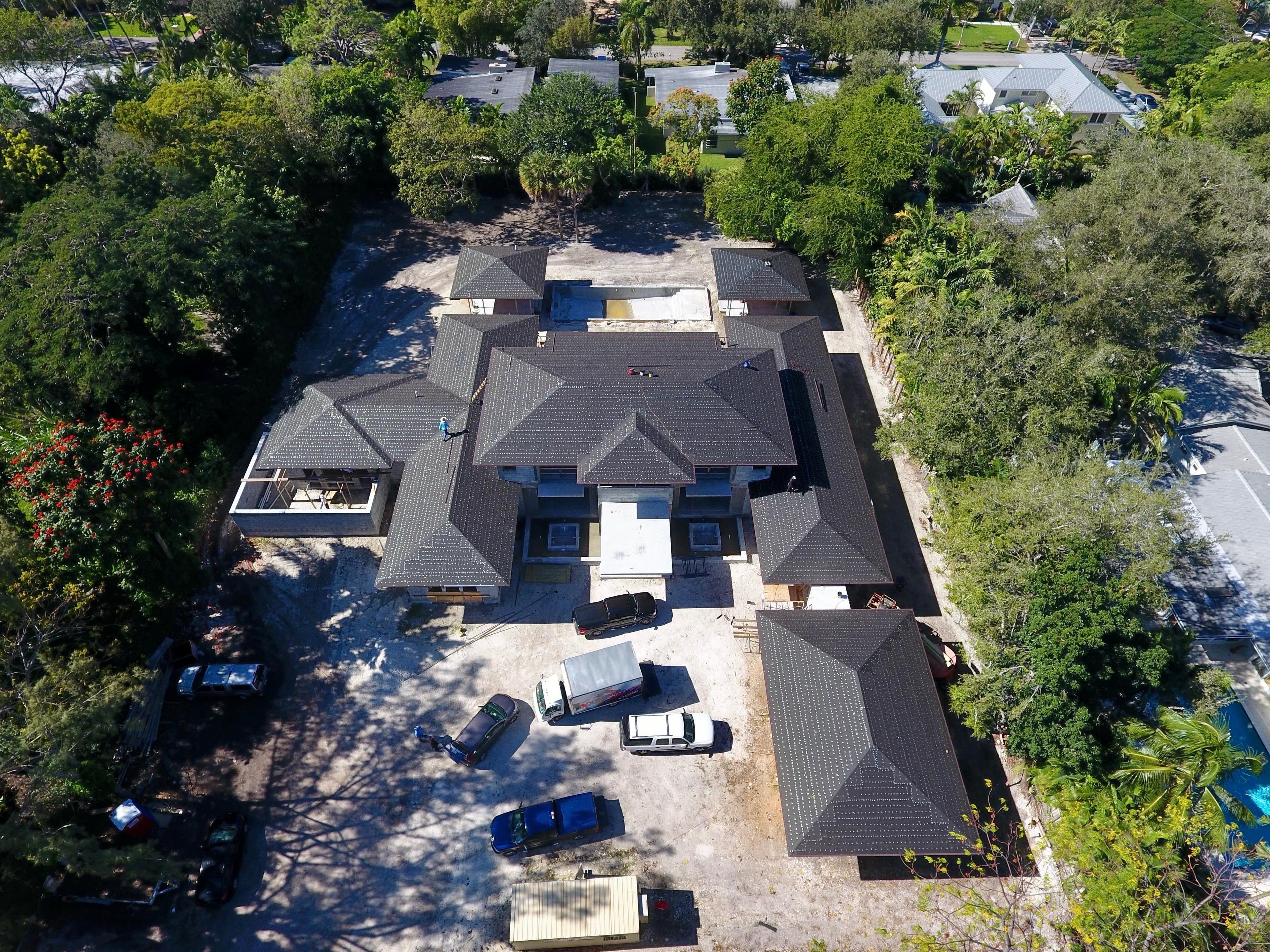
A new roof in Miami costs $8,000-$45,000+ in 2026. Get detailed pricing by material, size, and complexity, plus tips to save money on your roof replacement.
Read More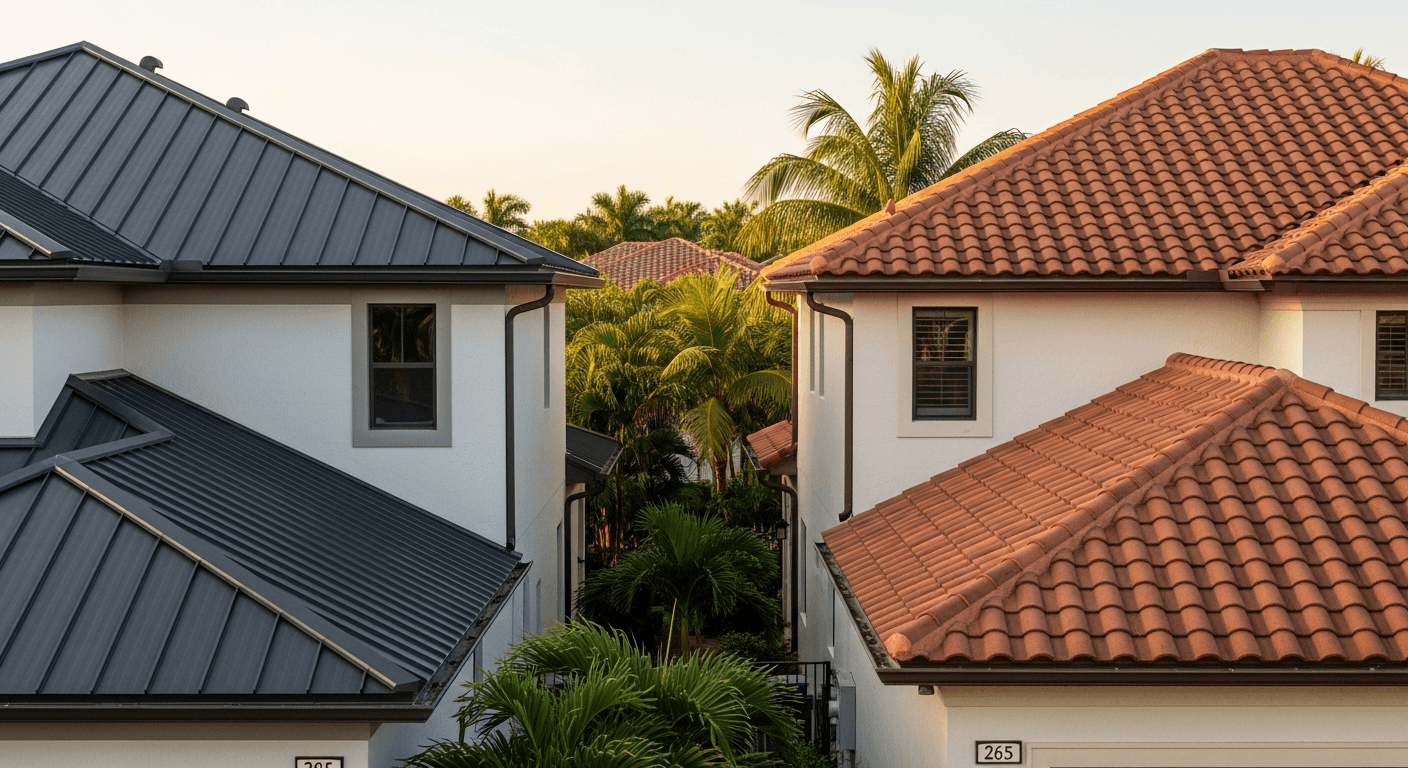
Head-to-head comparison of metal roofing vs tile roofing in South Florida for 2026. Costs, lifespan, hurricane resistance, energy efficiency, insurance discounts, and real cost examples by home size.
Read More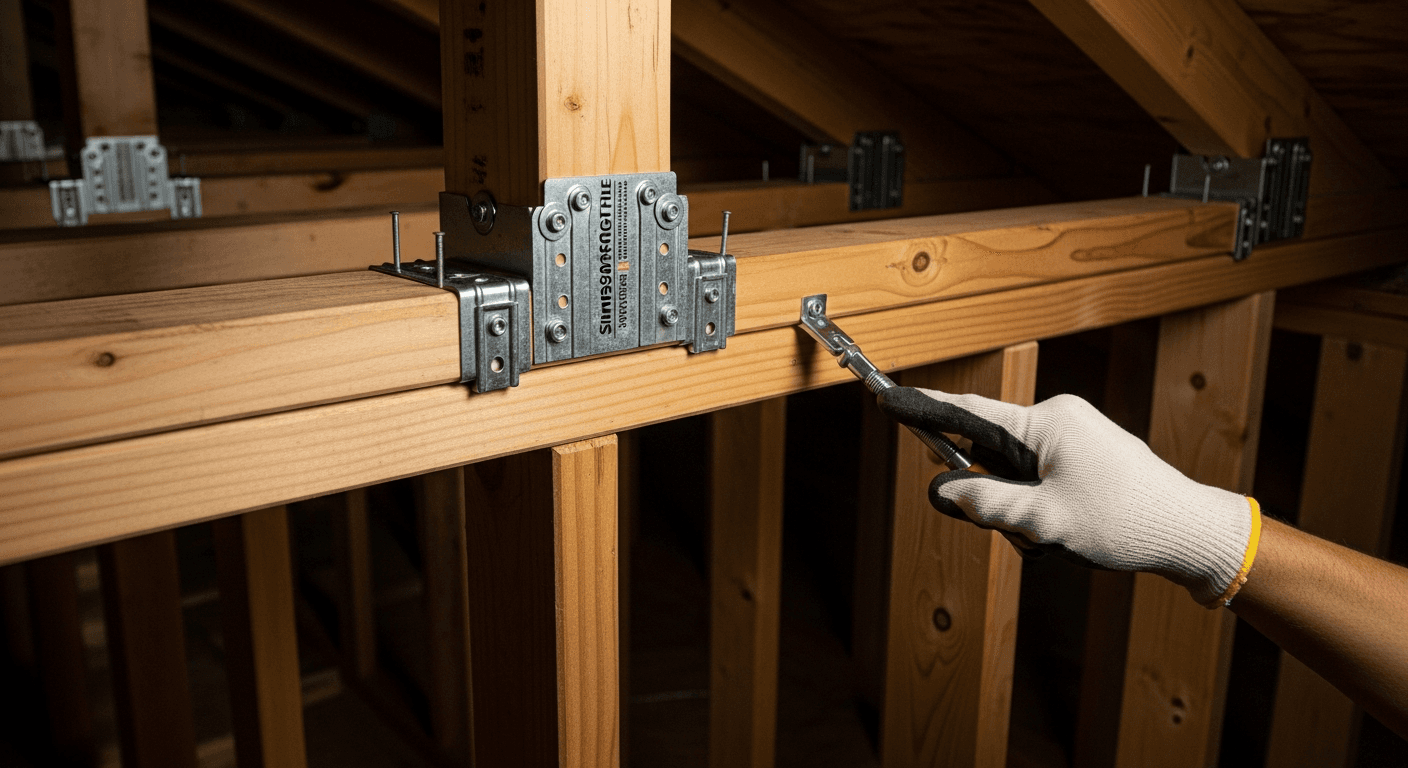
How re-roofing your Florida home triggers major insurance savings through wind mitigation credits. Covers the OIR-B1-1802 form, credit categories, average savings of $800-$2,500/year, and the inspection process.
Read More