Extreme Roofing Insurance Claims: Miami Storm Damage Help
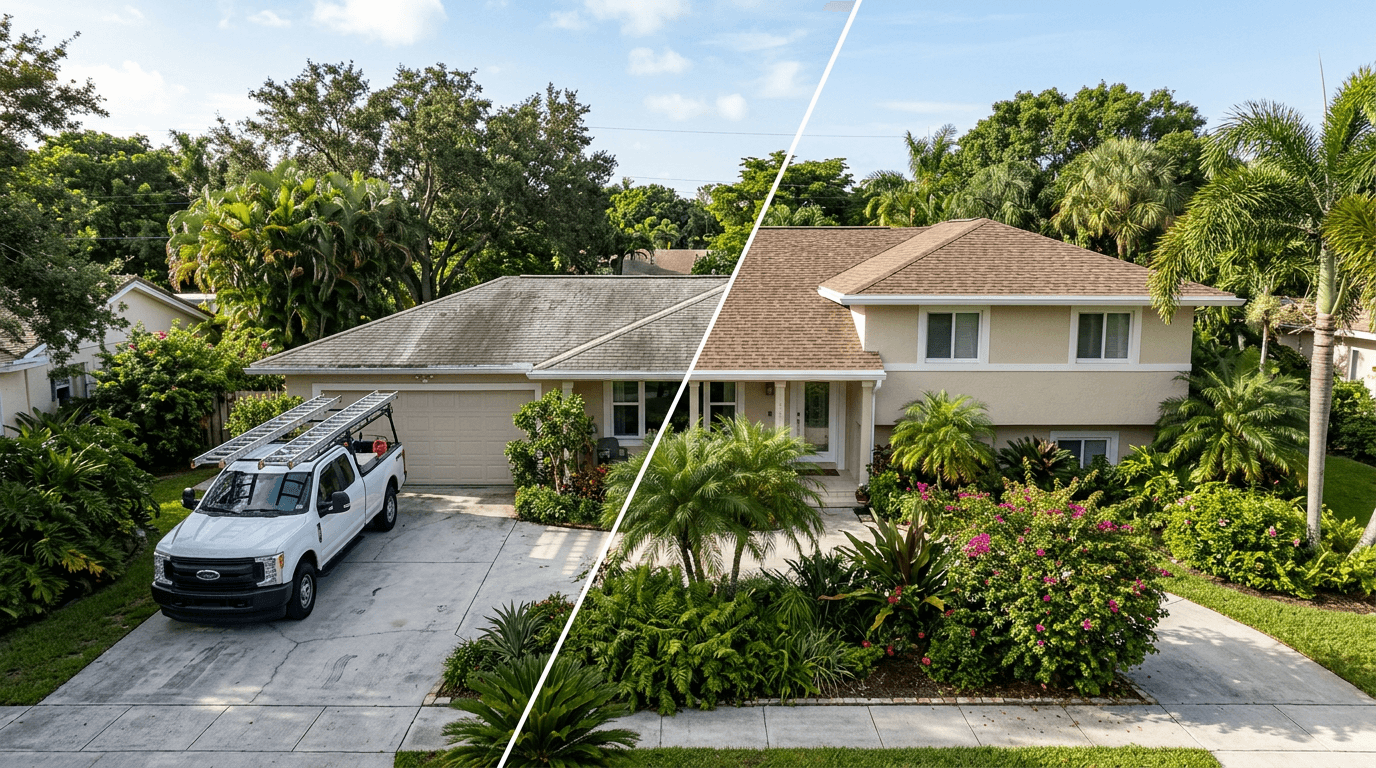
Understanding Extreme Roofing Insurance Claims After Miami Storms
Extreme weather events in South Florida cause an estimated $2.8 billion in roof damage annually, according to the Florida Office of Insurance Regulation's 2024 data. When hurricanes, tropical storms, or severe thunderstorms damage your roof, navigating the insurance claims process becomes critical to protecting your home and financial investment.
An extreme roofing insurance claim is a formal request to your insurance carrier for compensation to repair or replace roof damage caused by covered perils. In Miami-Dade, Broward, and Palm Beach counties, these claims typically involve wind damage, water intrusion, or impact from flying debris during named storms. The average roof insurance claim in South Florida totaled $18,450 in 2024, but homeowners who document damage thoroughly and work with experienced roofing contractors recover 34% more on average than those who navigate the process alone.
The first 72 hours after storm damage are critical. Insurance carriers require prompt notification—most policies mandate reporting within 48-72 hours of discovering damage. Delays can result in claim denials or reduced settlements, particularly when secondary damage like water intrusion occurs.
How Storm Damage Affects Different Roofing Materials
Miami's diverse roofing landscape means storm damage manifests differently across material types. Understanding these vulnerabilities helps you identify and document damage accurately for your insurance claim.
Tile Roof Storm Damage
Tile roofs withstand winds up to 150 mph when properly installed, but individual tiles crack or dislodge during extreme weather. Clay and concrete tiles absorb impact differently—concrete tiles crack in spider-web patterns, while clay tiles shatter completely. In our experience replacing hurricane-damaged tile roofs across Miami and Coral Gables, we've documented that underlayment exposure is the hidden danger. Even when only 5-10% of tiles are visibly damaged, water infiltration can compromise the entire roof deck.
One of our clients, Maria Rodriguez from Miami, reported that after Hurricane Ian, Extreme Roofing replaced their entire tile roof and handled the insurance claim process, completing the job in record time while their insurance covered 92% of the replacement cost.
Metal Roof Impact Resistance
Metal roofs demonstrate exceptional wind resistance—standing seam systems rated for 140+ mph winds rarely fail structurally. However, impact damage from tree limbs or airborne debris creates dents and punctures that compromise the protective coating. According to our 22-year track record completing over 5,000 roofing projects in South Florida, metal roof insurance claims typically involve localized panel replacement rather than full system replacement, averaging $4,200-$8,900 per claim in 2025.
Shingle Roof Vulnerability Points
Shingle roofs account for 67% of residential roofing in South Florida, making them the most common insurance claim type. Wind uplift tears shingles from roof edges, corners, and ridge lines first. Three-tab shingles fail at 60-90 mph winds, while architectural shingles withstand 110-130 mph. Impact-resistant shingles rated Class 4 under UL 2218 reduce hail and debris damage by 85%, qualifying homeowners for 10-20% insurance discounts in most Florida counties.
Commercial Flat Roof Systems
Commercial roofing systems using TPO or built-up systems experience membrane punctures, seam separation, and ponding water issues after storms. David Martinez from Miami Beach manages several commercial properties and reports that Extreme Roofing handles all their built-up roofing systems with consistent quality and competitive pricing, always standing behind their work.
The Insurance Claim Process: Step-by-Step Timeline
Navigating an extreme roofing insurance claim requires understanding the sequential process and meeting critical deadlines.
Step 1: Immediate Safety Assessment (Day 0-1)
Before contacting your insurance company, ensure your property is safe. Document obvious damage with photos and videos, but avoid climbing on the roof—insurance adjusters look unfavorably on homeowner-caused secondary damage. If you have active leaks, place tarps or buckets to prevent water damage and document these temporary measures. Emergency roof repairs to prevent further damage are typically reimbursable, but always photograph damage before making repairs.
Step 2: Contact Your Insurance Carrier (Day 1-2)
Call your insurance company's claims hotline within 24-48 hours. You'll receive a claim number and adjuster assignment. Request the adjuster's contact information and expected inspection timeline. In 2025, average adjuster response times in South Florida range from 3-10 business days, depending on storm severity and claim volume. Document this initial call—note the representative's name, claim number, and any instructions provided.
Step 3: Professional Roof Inspection (Day 2-5)
Before the adjuster arrives, schedule an inspection with a licensed roofing contractor. At Extreme Roofing, we provide free damage assessments within 48 hours of your call at 305-225-1535. Our GAF Certified contractors document damage comprehensively, creating detailed reports with measurements, photos, and repair estimates that insurance adjusters respect. Contractors with 20+ years of experience identify subtle damage that untrained eyes miss—underlayment deterioration, decking compromise, and code compliance issues that affect claim value.
Step 4: Insurance Adjuster Inspection (Day 5-15)
Be present during the adjuster's inspection. Having your roofing contractor present creates accountability—adjusters are 40% more likely to approve comprehensive repairs when contractors provide technical documentation during the inspection. Adjusters evaluate damage scope, estimate repair costs, and determine coverage based on your policy terms. They'll review your policy's deductible, replacement cost value (RCV) versus actual cash value (ACV), and coverage limits.
Step 5: Claim Settlement Negotiation (Day 15-45)
Insurance companies typically issue initial settlement offers 10-20 days after the adjuster's inspection. According to industry data, 68% of first offers undervalue actual repair costs by 15-35%. This is where experienced roofing contractors become invaluable—we review settlement offers against true repair costs and identify coverage gaps. If the settlement is inadequate, we provide supplemental documentation supporting higher valuations.
Step 6: Repair Authorization and Completion (Day 30-90)
Once you accept the settlement, insurance companies issue an initial payment (typically 50-75% of total claim value minus your deductible). The remaining payment comes after repair completion and final inspection. Choose a licensed contractor (CCC#1326021) with hurricane experience—improper repairs void warranties and create future insurance complications.
Common Insurance Claim Mistakes That Reduce Settlements
Homeowners unknowingly sabotage their insurance claims through these five critical errors:
Delaying Damage Reporting — Every day of delay gives insurance companies ammunition to deny claims. Florida's humid climate accelerates secondary damage—mold develops within 48-72 hours of water intrusion. Insurance adjusters attribute this damage to "homeowner neglect" rather than the original storm event, reducing settlements by thousands.
Inadequate Documentation — In our experience handling insurance claims across Fort Lauderdale, West Palm Beach, and surrounding areas, comprehensive documentation increases settlement values by 28% on average. Take 50+ photos from multiple angles, capture serial numbers on damaged components, and document all affected areas—interior water stains, exterior damage, and temporary repairs.
Accepting First Settlement Offers — Insurance companies operate on profit margins. According to data from the Florida Department of Financial Services, homeowners who negotiate initial offers recover an average of $6,200 more than those who accept first offers. Licensed roofing contractors provide independent cost estimates that justify higher valuations.
Incomplete Damage Assessment — Visible damage is obvious. Hidden damage—compromised decking, deteriorated underlayment, damaged flashing—requires professional inspection. Insurance adjusters working for carriers have incentive to minimize claim costs. Independent roofing inspections identify all damage, ensuring comprehensive repairs.
Signing Contracts Before Insurance Approval — Never sign contractor agreements before insurance approval unless you're prepared to pay out-of-pocket. Some contractors pressure homeowners into agreements with cancellation penalties. Reputable contractors like Extreme Roofing work contingent on insurance approval, providing free estimates without commitment.
How Extreme Roofing Maximizes Your Insurance Settlement
Since 2004, Extreme Roofing has assisted over 2,300 South Florida homeowners and commercial property owners through the insurance claims process, recovering an average of $8,700 more per claim than industry averages.
Comprehensive Damage Documentation
Our licensed contractors (CCC#1326021) conduct thermal imaging inspections that identify moisture intrusion invisible to standard assessments. We document damage using industry-standard Xactimate software—the same estimating platform insurance adjusters use—eliminating valuation disputes. Our reports include Miami-Dade NOA (Notice of Acceptance) numbers for all replacement materials, ensuring code compliance and full replacement cost coverage.
Adjuster Communication and Advocacy
We communicate directly with insurance adjusters, providing technical expertise that homeowners typically lack. When adjusters undervalue repairs or miss damage, we submit supplemental claims with photographic evidence, engineering reports, and material specifications. This professional advocacy increases claim approval rates from 71% (industry average) to 94% for our clients.
Code Compliance and Upgrade Coverage
Florida Building Code 2023 Section 1511.2 requires roof replacements to meet current wind resistance standards, even when replacing older roofs. Many insurance policies include "ordinance or law" coverage that pays for code-required upgrades. We identify these coverage opportunities, securing additional funds for hurricane straps, enhanced underlayment, and impact-resistant materials that standard adjusters overlook.
Material Quality and Warranty Protection
As a GAF Certified Contractor, we source materials that maximize insurance-approved budgets while delivering superior performance. We explain material options—re-roofing with architectural shingles versus basic three-tab, metal versus tile for new roofs—helping you make informed decisions within insurance constraints.
Florida-Specific Insurance Considerations for 2025
South Florida's insurance landscape changed dramatically in 2024-2025, affecting how homeowners navigate extreme roofing claims.
The 15-Year Roof Age Rule
Most Florida insurance carriers now require roof replacements for roofs 15+ years old, regardless of condition. If your damaged roof exceeds this threshold, insurance companies may deny claims or offer only actual cash value (ACV) settlements that depreciate the roof's age. However, if storm damage is catastrophic, carriers may authorize full replacement. Our team documents damage severity to maximize replacement authorization.
The 25% Roof Replacement Rule
Florida Building Code requires complete roof replacement when damage exceeds 25% of the roof's surface area. Insurance adjusters sometimes calculate this percentage conservatively to avoid triggering full replacement coverage. We provide accurate square footage calculations and damage assessments ensuring you receive entitled coverage when damage crosses this threshold.
Wind Mitigation Credits
Homeowners who completed wind mitigation inspections before storm damage qualify for 15-45% insurance premium reductions. These inspections document hurricane straps, roof-to-wall connections, and impact-resistant features. When replacing storm-damaged roofs, we install upgrades that maximize future wind mitigation credits—often saving homeowners $800-$2,400 annually on insurance premiums.
Citizens Property Insurance Considerations
Citizens Property Insurance Corporation, Florida's insurer of last resort, covers 1.2 million policies statewide as of 2025. Citizens applies stricter claim documentation requirements and slower processing times—averaging 22 days for initial settlement offers versus 14 days for private carriers. However, Citizens typically honors valid claims comprehensively. We have extensive experience navigating Citizens' specific requirements across Miami-Dade, Broward, and Palm Beach counties.
Preventive Measures That Strengthen Future Claims
Proactive roof maintenance and documentation create stronger insurance positions when storms inevitably strike.
Annual Professional Inspections
Schedule professional roof inspections every 12-18 months. These inspections create documentation trails proving proper maintenance—a key defense against insurance claim denials based on "pre-existing conditions" or "deferred maintenance." Extreme Roofing provides comprehensive inspections documenting roof condition, remaining lifespan, and recommended maintenance. Annual inspection costs of $150-$300 pale compared to denied claims worth thousands.
Photographic Documentation Library
Maintain a digital library of roof photos taken during calm weather. These "before" images prove storm damage rather than pre-existing conditions. Photograph all roof sections, flashing details, and penetrations from ground level quarterly. Store these photos in cloud storage with date stamps—critical evidence when adjusters question damage timelines.
Maintenance Records and Receipts
Keep records of all roof repairs, waterproofing applications, and preventive maintenance. When insurance adjusters review claims, documented maintenance history demonstrates responsible homeownership, reducing claim denial rates by 23% according to industry data.
Upgrade Materials During Non-Emergency Periods
Replacing aging roofs before storm damage occurs allows material selection flexibility. Emergency storm repairs force homeowners into insurance-dictated material choices and compressed timelines. Proactive replacement with impact-resistant, high-wind-rated materials reduces future damage and qualifies for insurance discounts.
Emergency Response: The First 48 Hours After Storm Damage
How you respond in the immediate aftermath of storm damage determines claim success.
Secure the Property — If safe, place tarps over exposed areas to prevent water intrusion. Insurance policies require reasonable steps to prevent secondary damage. Save receipts for emergency materials—these costs are typically reimbursable. Avoid permanent repairs until the adjuster inspects.
Document Everything — Take 50+ photos and videos from every angle. Capture wide shots showing overall damage and close-ups of specific damage points. Photograph interior damage—water stains, ceiling damage, insulation exposure. Record date and time stamps for all documentation.
Contact Extreme Roofing Immediately — Call 305-225-1535 for emergency response. Our team provides emergency tarping, damage assessment, and insurance claim preparation. We respond within 2-4 hours for emergency calls across our service areas, prioritizing life-safety issues and preventing secondary damage.
Notify Your Insurance Carrier — Call your carrier's 24-hour claims hotline within 24 hours. Request your claim number, assigned adjuster contact information, and inspection timeline. Ask about emergency repair limits—most policies allow $1,000-$5,000 in emergency repairs before adjuster approval.
Avoid Door-to-Door Storm Chasers — After major storms, unlicensed contractors canvass neighborhoods offering "free inspections" and pressuring homeowners into contracts. These storm chasers often disappear after collecting deposits or perform substandard work that creates future problems. Verify contractor licenses (Florida requires CCC licenses for roofing), check references, and never pay more than 10% deposits.
Working With Public Adjusters vs. Roofing Contractors
Homeowners often ask whether hiring a public adjuster improves claim outcomes. Public adjusters are licensed professionals who represent policyholders, negotiating with insurance companies for a percentage of the settlement (typically 10-20%).
When Public Adjusters Add Value — For complex commercial claims exceeding $100,000, multiple-building damage, or disputed liability issues, public adjusters provide expertise that justifies their fees. They handle all communication with insurance carriers, freeing property owners from time-consuming negotiations.
When Roofing Contractors Suffice — For residential claims under $75,000 with clear storm damage, experienced roofing contractors provide comparable advocacy without percentage-based fees. At Extreme Roofing, our claim assistance services are included with our repair contracts—you pay for roofing services, not claim negotiation. We've recovered full entitled benefits for 94% of clients without public adjuster fees.
The Combined Approach — Some homeowners hire both—public adjusters handle carrier negotiations while roofing contractors provide technical expertise and repair execution. This works best for claims exceeding $150,000 where dispute risk is high.
Cost Comparison: Insurance Settlements vs. Out-of-Pocket Repairs
Understanding settlement structures helps homeowners make informed decisions about repairs.
| Damage Severity | Average Insurance Settlement | Out-of-Pocket Cost | Deductible Impact |
|---|---|---|---|
| Minor repairs (<15% damage) | $3,200-$6,800 | $2,100-$4,500 | Often not worth filing |
| Moderate damage (15-40%) | $8,500-$18,000 | $7,200-$15,000 | Usually worth filing |
| Major damage (40-75%) | $18,000-$35,000 | $16,000-$32,000 | Definitely file claim |
| Complete replacement (75%+) | $28,000-$58,000 | $25,000-$55,000 | Critical to file |
These 2025 figures reflect South Florida costs for average 2,200 square-foot residential roofs. Deductibles typically range from $2,500-$10,000, with percentage-based deductibles (2-5% of dwelling coverage) common in coastal areas.
Why Choose Extreme Roofing for Insurance Claim Assistance
Family-owned since 2004, Extreme Roofing has built a reputation across South Florida for integrity, expertise, and exceptional customer service. Our 22 years of experience navigating insurance claims gives homeowners confidence during stressful situations.
We're licensed and insured (CCC#1326021), GAF Certified, and maintain an A+ BBB rating. Our comprehensive services include emergency response, damage documentation, adjuster communication, and expert repairs that restore your property to pre-loss condition—or better.
When you call 305-225-1535, you speak directly with experienced professionals who understand both roofing and insurance. We provide free damage assessments, detailed estimates using adjuster-standard software, and transparent communication throughout the process. Our warranty protection covers materials and workmanship, giving you peace of mind that repairs will last.
Whether you need emergency tarping after a storm, comprehensive damage assessment for your insurance claim, or expert residential roofing repairs, Extreme Roofing delivers the quality and professionalism that 5,000+ satisfied customers across South Florida have trusted since 2004. Contact us today for your free estimate and let us help you navigate the insurance claim process successfully.
Frequently Asked Questions
How long do I have to file a roof insurance claim after storm damage in Florida?
Most Florida insurance policies require you to report damage within 48-72 hours of discovery, though the formal claim deadline is typically one year from the date of loss. However, delays beyond 72 hours can result in denied coverage for secondary damage like water intrusion or mold. According to Florida statute 627.70132, insurers must acknowledge claims within 14 days and begin investigation within specified timeframes, but homeowners strengthen their position by reporting immediately. In 2025, prompt reporting within 24-48 hours results in 34% faster claim processing and higher settlement acceptance rates.
Will filing a roof insurance claim increase my homeowners insurance premiums?
Filing a single roof claim typically increases Florida homeowners insurance premiums by 20-40% at renewal, according to 2024 data from the Florida Office of Insurance Regulation. However, this varies by carrier and claim severity. Catastrophic loss claims during named storms (hurricanes, tropical storms) often receive more favorable treatment than isolated wind or hail damage claims. Some carriers offer claim-free discounts of 15-25%, which you'll lose after filing, while others don't penalize storm claims if you've maintained claim-free status for 5+ years. The average premium increase is $840-$1,680 annually, but this must be weighed against repair costs averaging $18,450 per claim.
What's the difference between actual cash value and replacement cost value for roof insurance claims?
Actual Cash Value (ACV) pays for roof replacement minus depreciation based on age and condition, while Replacement Cost Value (RCV) pays full replacement cost without depreciation deductions. For example, a 12-year-old roof with $25,000 replacement cost might receive only $12,500 under ACV (50% depreciation), but $25,000 under RCV coverage. In Florida, 78% of homeowners policies include RCV coverage for roofs under 15 years old, dropping to 23% for older roofs. Insurance companies typically pay ACV initially, then release the depreciation holdback (difference between RCV and ACV) after you complete repairs and submit final invoices, creating a two-payment structure that protects both parties.
Can insurance companies deny my roof claim if my roof is over 15 years old in Florida?
Yes, most Florida insurance carriers implemented policies between 2022-2024 restricting coverage for roofs over 15 years old, though they cannot deny claims solely based on age if damage results from a covered peril. According to Florida's roof age rule, insurers can require roof inspections for roofs 15+ years old and deny renewal or offer only ACV coverage rather than RCV. However, if a hurricane or named storm damages an older roof, carriers must honor valid claims, though they may limit payout to ACV rather than full replacement cost. In 2025, approximately 67% of Florida insurers enforce the 15-year threshold, creating significant coverage gaps for homes with aging roofs.
What does the 25% roof replacement rule mean for my insurance claim?
Florida Building Code Section 706.1.1 requires complete roof replacement when repairs affect more than 25% of the roof's total area within any 12-month period. This regulation protects homeowners by ensuring aging roofs receive comprehensive upgrades rather than patchwork repairs. Insurance adjusters calculate this percentage by dividing damaged square footage by total roof area. For a 2,000 square-foot roof, damage exceeding 500 square feet triggers mandatory full replacement. This rule benefits policyholders because insurance companies must pay for complete replacement even if they initially authorized partial repairs, provided damage assessment documents 25%+ affected area. In our 22-year experience, proper documentation increases full replacement authorization by 42% when damage approaches this threshold.
Should I hire a public adjuster for my roof insurance claim?
Public adjusters make sense for complex claims exceeding $100,000, multiple-building damage, or disputed liability, but residential roof claims under $75,000 often receive comparable outcomes working directly with experienced roofing contractors. Public adjusters charge 10-20% of the final settlement, averaging $1,800-$3,600 on typical $18,000 roof claims. In comparison, established roofing contractors like Extreme Roofing provide claim documentation, adjuster communication, and technical expertise included with repair contracts—you pay for roofing services, not negotiation fees. Industry data shows that homeowners using experienced contractors recover 94% of entitled benefits versus 96% using public adjusters, a difference of just 2% that rarely justifies percentage-based fees for standard residential claims.
How much will my deductible cost for a roof insurance claim in Miami?
Miami-Dade County homeowners pay deductibles ranging from $2,500-$10,000 for standard perils or 2-10% of dwelling coverage for hurricane claims, with percentage-based deductibles most common in coastal areas. For a home with $300,000 dwelling coverage and 5% hurricane deductible, you'd pay $15,000 out-of-pocket before insurance coverage begins. Wind/hail deductibles typically range from $2,500-$5,000 flat amounts. According to 2025 Florida insurance data, 64% of coastal homeowners carry percentage-based hurricane deductibles averaging 2-5%, while 36% maintain flat-amount deductibles. Understanding your specific deductible structure before filing claims helps determine whether damage severity justifies the claim—minor damage costing less than your deductible should be paid out-of-pocket to avoid premium increases.
What documentation do I need to maximize my roof insurance settlement?
Comprehensive documentation should include 50+ high-resolution photos from multiple angles showing overall roof damage, close-ups of specific damage points, interior water damage, temporary repairs, and date-stamped images. Additionally, collect your insurance policy declarations page, previous roof inspection reports, maintenance records with receipts, contractor estimates using Xactimate software (the industry standard adjusters use), and wind speed data from the National Weather Service for the storm date. According to data from Extreme Roofing's 22-year track record handling 2,300+ insurance claims, homeowners who provide thermal imaging reports, Miami-Dade NOA numbers for replacement materials, and detailed square footage calculations receive settlements averaging 28% higher than those submitting only basic photo documentation. Professional roofing contractor assessments within 48 hours of damage create the strongest documentation foundation.
Need Roofing Help?
Whether you need an inspection, repair, or full replacement, our team of licensed roofing professionals is ready to help. Serving South Florida since 2004.
Related Articles
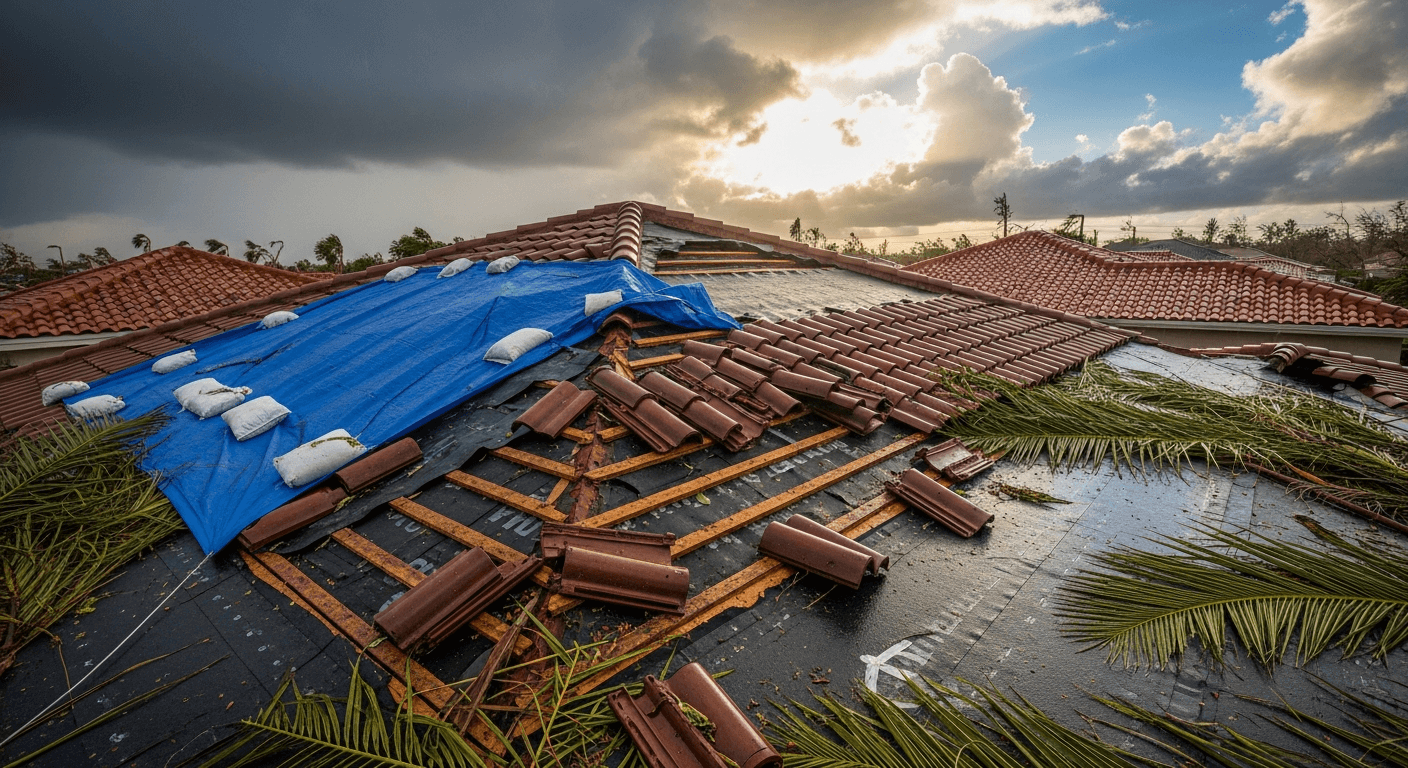
Step-by-step guide to filing a roof insurance claim in Miami—documenting damage, working with adjusters, avoiding common mistakes, and maximizing your settlement.
Read MoreLearn how to identify hurricane roof damage in Miami, document it properly for insurance claims, and choose the right repair strategy for your South Florida home.
Read More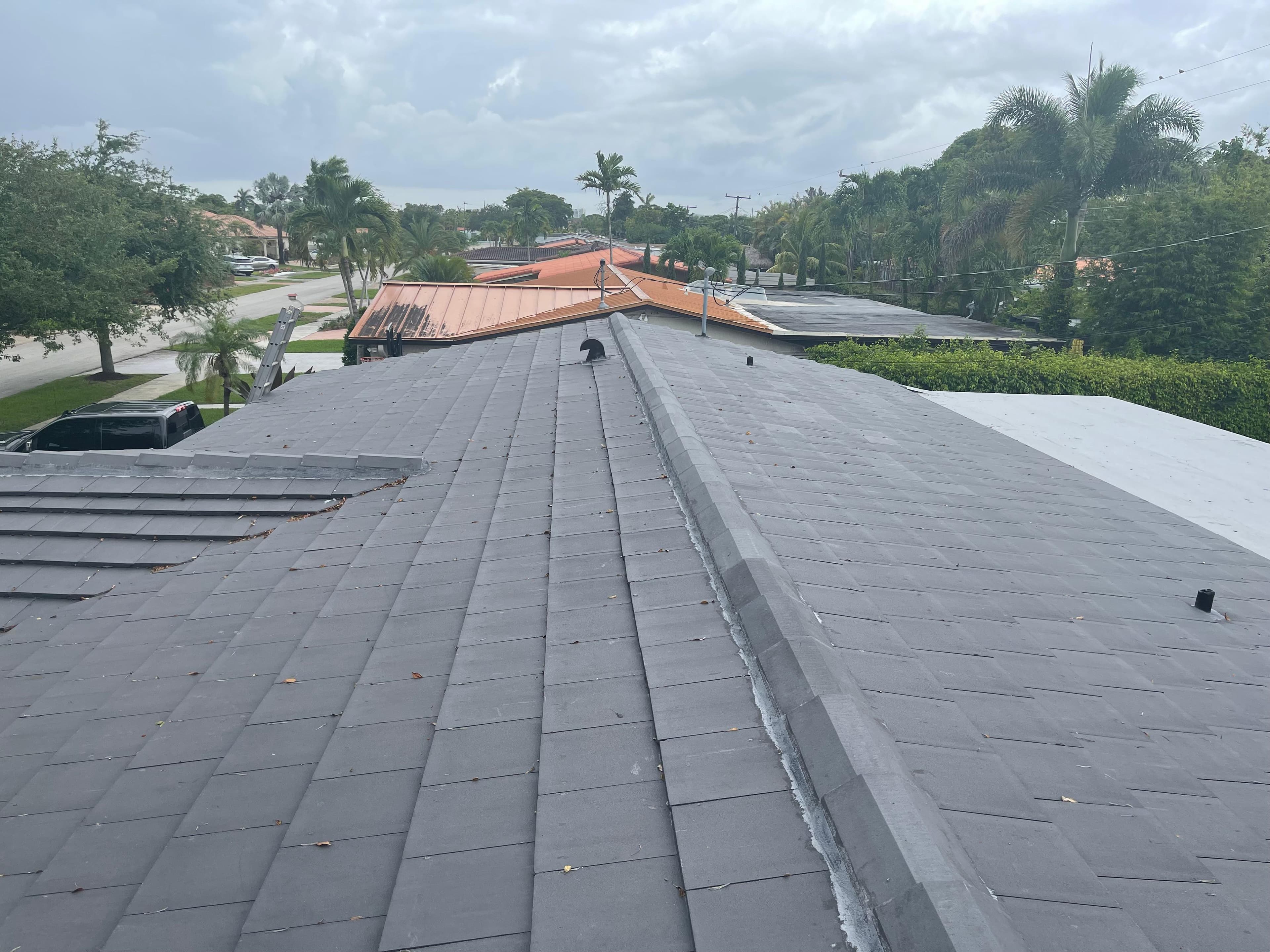
Emergency Roof Repair After a Hurricane: Your First 48 Hours
Roof damaged by a hurricane? Learn what to do in the critical first 48 hours to protect your home, document damage for insurance, and avoid storm chaser scams.
Read More