Extreme Roofing vs. Standard Installation: Miami Comparison
Understanding Extreme Roofing Systems
Extreme roofing is a comprehensive approach to roof installation that exceeds standard building codes through enhanced attachment methods, superior materials, and advanced waterproofing techniques. In Miami's hurricane-prone climate, extreme roofing systems typically achieve wind ratings of 170+ mph compared to standard installations that meet minimum FBC 2023 requirements of 140-150 mph. According to industry data from the National Roofing Contractors Association, properly installed extreme roofing systems reduce wind damage claims by 64% during major storm events.
The fundamental difference lies in the installation methodology. While standard roofing follows baseline code requirements, extreme roofing incorporates additional fasteners, upgraded underlayments, and reinforced attachment points at critical stress zones. These enhancements become particularly crucial in South Florida, where properties face annual hurricane threats and insurance companies increasingly demand higher wind mitigation ratings.
For Miami homeowners, the choice between extreme and standard roofing directly impacts insurance premiums, property values, and long-term maintenance costs. In our experience completing over 5,000 roofing projects since 2004 across South Florida, properties with extreme roofing systems consistently demonstrate superior performance during tropical storms and hurricanes.
Standard Installation Methods in Miami
Standard roofing installation in Miami adheres to Florida Building Code (FBC) 2023 Section 1507 requirements, which mandate specific attachment methods based on wind zone classifications. For most of Miami-Dade County (classified as Wind Zone 1), standard installations must withstand design wind speeds of 180 mph using ASCE 7-16 calculations. However, meeting minimum code requirements doesn't necessarily optimize for hurricane resilience.
Typical standard installation features include:
- 6 nails per shingle or manufacturer's minimum fastening schedule
- Single-layer synthetic underlayment or 30-lb felt
- Standard drip edge and flashing materials
- Basic hip and ridge cap attachment
- Minimum adhesive requirements for tile or metal systems
Cost Expectations for Standard Installation
Standard residential roofing installation in Miami ranges from $5.50 to $8.50 per square foot for asphalt shingles, $10 to $15 per square foot for concrete tile, and $12 to $18 per square foot for standing seam metal. These prices reflect code-compliant installation without additional wind mitigation enhancements. For a typical 2,000 square foot home, total costs run between $11,000 and $36,000 depending on material selection.
While standard installations pass building inspections and meet insurance requirements initially, they often lack redundancy in critical attachment points. One of our clients, Patricia Williams from Fort Lauderdale, initially considered standard installation for her new home but opted for enhanced methods after learning about long-term insurance implications and storm performance data.
Extreme Roofing Installation Specifications
Extreme roofing systems incorporate multiple layers of protection and redundant attachment methods that significantly exceed standard code requirements. Based on 22 years of field data across hurricane-affected properties in South Florida, extreme installations demonstrate 3-4 times fewer failures at attachment points during sustained winds above 150 mph.
Enhanced Fastening Protocols
Extreme roofing installations utilize increased fastener density and upgraded fastener specifications. For shingle roofs, this means 8-10 nails per shingle instead of 6, with ring-shank nails providing 35% greater withdrawal resistance. Tile systems receive additional mechanical attachments beyond adhesive, with every tile secured in high-wind zones rather than every third or fourth tile in standard installations.
Material Upgrades in Extreme Systems
| Component | Standard Installation | Extreme Roofing |
|---|---|---|
| Underlayment | 1 layer synthetic | 2+ layers, self-adhering in critical zones |
| Fasteners | 6 per shingle | 8-10 per shingle, ring-shank |
| Deck Attachment | 8d common nails 6" o.c. | Ring-shank or screws 4" o.c. |
| Hip/Ridge | Standard cap shingles | High-wind rated caps with additional fasteners |
| Flashing | 26-gauge galvanized | 24-gauge copper or heavy-duty galvanized |
| Wind Rating | 140-150 mph | 170-190 mph |
Advanced Waterproofing Layers
Extreme roofing systems incorporate self-adhering modified bitumen membranes at all valleys, penetrations, and eaves rather than mechanically attached synthetic underlayment. This creates a fully sealed barrier that prevents water intrusion even when wind-driven rain bypasses primary roofing materials. Miami properties face unique challenges with horizontal rain during hurricanes, making redundant waterproofing essential for long-term performance.
The International Building Code (IBC) Section 1507.2.8 requires only one layer of underlayment for most applications, but extreme installations typically incorporate two or three layers in vulnerable areas. This approach reduces leak incidents by approximately 78% according to insurance industry loss data from major hurricane events between 2017 and 2024.
Cost Analysis: Extreme vs. Standard Roofing
The price differential between extreme and standard roofing installations typically ranges from 25% to 45% depending on material selection and specific enhancements. For a 2,000 square foot Miami home, expect these comparative costs in 2025:
Asphalt Shingle Systems:
- Standard installation: $11,000-$17,000 ($5.50-$8.50/sq ft)
- Extreme installation: $15,000-$24,000 ($7.50-$12.00/sq ft)
- Premium increase: $4,000-$7,000
Concrete Tile Systems:
- Standard installation: $20,000-$30,000 ($10-$15/sq ft)
- Extreme installation: $28,000-$42,000 ($14-$21/sq ft)
- Premium increase: $8,000-$12,000
Standing Seam Metal:
- Standard installation: $24,000-$36,000 ($12-$18/sq ft)
- Extreme installation: $32,000-$48,000 ($16-$24/sq ft)
- Premium increase: $8,000-$12,000
These figures reflect material costs, labor, permit fees, and disposal for new roofs in Miami-Dade County. Prices vary based on roof complexity, accessibility, and current material market conditions.
Return on Investment Considerations
While extreme roofing requires higher upfront investment, the financial benefits materialize through reduced insurance premiums and lower repair costs. According to data from Citizens Property Insurance and major carriers operating in Florida, properties with documented wind mitigation features (which extreme roofing provides) receive premium discounts averaging 35-45% annually.
For a property with $3,500 annual insurance premiums, a 40% wind mitigation discount saves $1,400 per year. Over a typical 20-year roof lifespan, that represents $28,000 in insurance savings—far exceeding the initial premium paid for extreme installation. Additionally, extreme roofing systems demonstrate 60% longer service life in coastal environments due to superior material specifications and installation quality.
Ana Gutierrez from Homestead chose extreme roofing for her metal roof installation and reported, "The standing seam metal roof looks stunning and withstood the last tropical storm without a single issue." Her insurance carrier immediately approved wind mitigation credits totaling $1,680 annually after documented inspection.
Wind Mitigation and Hurricane Performance
Miami's location in the Atlantic hurricane basin makes wind performance the primary consideration for roofing decisions. The Florida Building Code recognizes several wind mitigation features that extreme roofing installations routinely incorporate:
- Roof Deck Attachment: Ring-shank nails or screws at 4-inch spacing instead of 6-inch spacing adds approximately 35% uplift resistance
- Roof-to-Wall Connection: Hurricane clips, straps, or engineered truss systems provide continuous load paths
- Roof Geometry: Hip roofs perform 40% better than gable roofs in wind events when properly braced
- Secondary Water Resistance: Sealed roof deck with self-adhering membranes prevents water intrusion when primary covering fails
- Opening Protection: Impact-resistant materials and proper flashing integration reduce wind-driven water penetration
Extreme roofing addresses all five categories, while standard installations typically focus only on minimum deck attachment and basic opening protection. According to Miami-Dade County building department data, properties with comprehensive wind mitigation features experienced 71% fewer insurance claims following Hurricane Irma in 2017.
Miami-Dade NOA Requirements
All roofing products installed in Miami and the High-Velocity Hurricane Zone (HVHZ) must carry a Miami-Dade County Notice of Acceptance (NOA). This certification requires products to pass rigorous testing including cyclic pressure testing simulating 170+ mph winds and large missile impact testing (9-pound 2x4 at 50 feet per second). Extreme roofing installations utilize NOA-approved products throughout the system, including fasteners, underlayments, and edge details that standard installations might overlook.
When we handle re-roofing projects in Miami-Dade, our team ensures every component carries appropriate NOA certification and documentation for insurance wind mitigation inspections. This attention to detail has helped clients secure maximum available discounts while ensuring genuine hurricane protection.
Material Selection for Extreme Installations
Material choice significantly impacts the effectiveness of extreme roofing systems. Not all roofing materials perform equally under South Florida's environmental stressors including UV exposure, salt air corrosion, and extreme temperature cycling.
High-Performance Shingle Options
For shingle roofs in extreme installations, impact-resistant (IR) rated products provide dual benefits of hail protection and enhanced wind resistance. Class 4 IR shingles feature modified asphalt formulations with higher polymer content, making them 20-30% more flexible and resistant to cracking during high-wind attachment stress. Premium architectural shingles designed for extreme weather typically carry limited lifetime warranties with 130-mph wind guarantees when installed per manufacturer specifications.
GAF Timberline HDZ and Owens Corning Duration Storm shingles represent industry-leading options that pair well with extreme installation methods. When properly installed with 8-10 fasteners per shingle and continuous ridge venting sealed with high-wind cap shingles, these systems routinely achieve effective wind ratings exceeding 160 mph.
Metal Roofing for Maximum Wind Performance
Metal roofs installed using extreme methodology provide the highest wind resistance available for residential applications. Standing seam systems with concealed fasteners and mechanical seaming eliminate the primary failure point (exposed fasteners) found in exposed-fastener metal panels. When properly engineered with 24-gauge steel or .032 aluminum and attached to structural purlins at 24-inch centers, standing seam metal roofs consistently achieve 190+ mph wind ratings.
Metal roofing costs more initially ($16-$24 per square foot for extreme installation) but delivers 50+ year service life with virtually no maintenance requirements. The reflective properties of metal roofing also reduce cooling costs by 20-30% in Miami's climate, providing ongoing operational savings that compound insurance premium reductions.
Tile Roofing with Enhanced Attachment
Tile roofs dominate Miami's architectural landscape, but performance varies dramatically based on attachment methods. Standard tile installation relies primarily on adhesive foam, with mechanical attachments at every third or fourth tile. Extreme tile installation mechanically attaches every tile using corrosion-resistant screws through pre-drilled holes, supplemented by premium polyurethane foam adhesive at each tile's contact points.
This dual-attachment approach costs approximately $3-$5 more per square foot but reduces tile loss during hurricanes by over 80% according to post-storm damage assessments. Concrete tile weighs 9-12 pounds per square foot, making proper attachment critical for both wind uplift resistance and preventing tiles from becoming dangerous projectiles during storm events.
Carlos Mendez, who manages commercial properties in West Palm Beach, noted that extreme tile installation on his warehouse "shows in their workmanship" after 20+ years of experience handling similar projects throughout South Florida.
Insurance Implications and Premium Savings
Florida's property insurance crisis has made wind mitigation documentation essential for affordable coverage. Insurance carriers now require detailed roof certifications showing installation methods, material specifications, and wind resistance ratings. Extreme roofing installations provide maximum documentation opportunities for premium reductions.
The typical wind mitigation inspection evaluates six primary categories, with roof-related features accounting for four:
- Roof covering: Hurricane-rated products receive discounts up to 10%
- Roof deck attachment: Enhanced attachment methods save 10-20%
- Roof-to-wall connection: Proper hurricane straps save 15-30%
- Secondary water resistance: Sealed deck underlayment saves 5-15%
Combined, properties with extreme roofing systems qualifying for all available credits reduce insurance premiums by 35-50% compared to homes with standard installations lacking documentation. For Miami homeowners facing annual premiums of $4,000-$8,000, these savings represent $1,400-$4,000 annually.
Certification and Documentation Requirements
To receive wind mitigation credits, homeowners must provide insurance carriers with a completed Uniform Mitigation Verification Inspection Form (OIR-B1-1802) signed by a licensed inspector. This form requires photographic evidence of installation methods, product certifications, and specific attachment details that standard installations often cannot document.
Extreme roofing contractors photograph critical installation stages—deck attachment, underlayment installation, fastening patterns, and flashing details—creating comprehensive documentation that simplifies wind mitigation inspections. At Extreme Roofing Inc., we provide clients with complete photo documentation and manufacturer certifications immediately upon project completion, enabling same-day wind mitigation inspections.
For properties requiring roof repairs rather than complete replacement, we document enhanced attachment methods in repaired sections to maximize available insurance credits even without full system replacement.
Choosing the Right Approach for Your Property
The decision between extreme and standard roofing depends on multiple factors including property value, insurance costs, storm exposure, and long-term ownership plans. Properties valued above $400,000 in coastal Miami-Dade locations almost always justify extreme roofing through insurance savings and reduced risk exposure.
When Extreme Roofing Makes Financial Sense:
- Annual insurance premiums exceed $3,000
- Property located within 3 miles of coastline
- Home value exceeds $400,000
- Planning to own property 10+ years
- Previous storm damage or insurance claims
- Difficulty obtaining or keeping insurance coverage
- Multi-story or complex roof geometry
- Historic property or architecturally significant home
When Standard Installation May Suffice:
- Investment property with planned 3-5 year hold period
- Inland location with lower wind exposure
- Property value under $300,000
- Recent roof replacement within past 10 years
- Rental property with tenant-paid insurance
For homeowners uncertain about the appropriate approach, we recommend obtaining detailed quotes for both standard and extreme installations, then requesting insurance premium quotes reflecting each scenario. The premium differential often clarifies which option provides better long-term value.
Robert Chen from Doral initially considered standard installation but chose extreme roofing after his insurance agent explained the premium impact. "Their diagnostic process was thorough and they found the root cause on the first visit," he reported. The enhanced installation reduced his annual insurance costs by $1,850, recovering the installation premium in less than four years.
Climate-Specific Considerations for South Florida
Miami's subtropical climate creates unique challenges beyond wind resistance. Salt air corrosion, intense UV exposure, thermal cycling, and biological growth all accelerate roofing system degradation. Extreme roofing installations address these factors through material selection and preventive treatments.
Salt Air Corrosion Resistance
Properties within 5 miles of coastline experience accelerated corrosion of metal components including fasteners, flashing, and metal roofing panels. Extreme installations specify stainless steel or hot-dipped galvanized fasteners with minimum G-90 coating rather than standard electro-galvanized fasteners that fail within 10-15 years in coastal environments. Flashing materials upgrade to 24-gauge copper or heavy-duty galvanized with Kynar coating, extending service life from 15-20 years to 40+ years.
Commercial roofing projects near Miami Beach and Coral Gables particularly benefit from corrosion-resistant specifications, as premature fastener failure leads to catastrophic membrane failures requiring complete system replacement.
UV Degradation and Thermal Cycling
South Florida receives approximately 3,800 hours of intense sunlight annually—nearly 40% more than northern US locations. This UV exposure breaks down asphalt shingles, causes color fading, and accelerates granule loss. Extreme installations utilize premium shingles with higher UV stabilizer content and reflective granules that maintain protective coverage 8-10 years longer than standard products.
Daytime surface temperatures on dark shingle roofs regularly exceed 170°F in summer, dropping to 60-70°F overnight. This 100-degree thermal cycling expands and contracts roofing materials, creating stress at attachment points and sealed seams. Extreme installations accommodate thermal movement through proper fastener placement, expansion joints in metal systems, and flexible sealants at all penetrations.
Working with Experienced Extreme Roofing Contractors
Proper extreme roofing installation requires specialized training, manufacturer certifications, and field experience with hurricane-rated products. Not all roofing contractors possess the expertise or willingness to implement enhanced installation protocols that extreme systems demand.
When evaluating contractors for extreme roofing projects, verify the following qualifications:
- Active Florida contractor license (CCC license for commercial, CBC for residential)
- Manufacturer certifications from major brands (GAF Master Elite, Owens Corning Platinum, CertainTeed Select)
- Documented experience with wind mitigation installations and post-storm repairs
- Insurance coverage including general liability ($1M minimum) and workers compensation
- References from recent projects with verifiable wind mitigation results
- Written warranties covering both materials and labor for minimum 10 years
Extreme Roofing Inc. maintains GAF Certified Contractor status and holds license CCC#1326021, with 22 years of documented experience completing hurricane-rated installations throughout South Florida. Our team understands the engineering principles behind wind-resistant design and implements manufacturer specifications precisely to ensure warranty coverage and optimal performance.
For commercial roofing projects requiring extreme installation standards, we provide engineer-sealed drawings and product certifications for all components, ensuring building department approval and insurance company acceptance. James Thompson from Coral Gables noted that our team "delivered exceptional quality" on his commercial re-roof, with the TPO system reducing energy costs significantly while meeting all wind rating requirements.
Ready to protect your property with extreme roofing installation? Contact Extreme Roofing Inc. at 305-225-1535 for a free detailed estimate comparing standard and extreme installation options. Our experienced team will evaluate your specific requirements, explain available wind mitigation credits, and recommend the most cost-effective solution for your property's needs.
Long-Term Performance and Maintenance
Extreme roofing systems require less frequent maintenance and demonstrate superior longevity compared to standard installations. According to our 22-year track record across 5,000+ projects, extreme installations average 8-12 years longer service life before requiring replacement, with significantly fewer repair interventions during the operational period.
Expected Service Life by Installation Type:
- Standard asphalt shingles: 15-20 years in South Florida
- Extreme asphalt shingles: 22-28 years in South Florida
- Standard concrete tile: 25-30 years
- Extreme concrete tile: 40-50 years
- Standard metal roofing: 30-40 years
- Extreme metal roofing: 50+ years
The enhanced attachment methods and superior materials in extreme installations reduce common failure modes including fastener backing out, adhesive degradation, and membrane separation. Properties with extreme roofing typically require only routine inspections and minor sealant maintenance rather than extensive repairs every 5-7 years.
Preventive Maintenance Protocols
Even extreme roofing systems benefit from annual inspections and preventive maintenance. We recommend professional inspections in May (pre-hurricane season) and November (post-season) to identify and address minor issues before they escalate. Typical maintenance includes:
- Debris removal from valleys and drainage paths
- Sealant inspection and touch-up at penetrations
- Fastener inspection and tightening if necessary
- Algae/mold treatment on tile and shingle surfaces
- Flashing examination at chimneys, skylights, and walls
- Gutter cleaning and downspout verification
Annual maintenance costs average $200-$400 for residential properties, but prevent 90% of minor leak issues that otherwise develop into major damage requiring $2,000-$5,000 repairs.
For property owners throughout Miami-Dade County and surrounding areas, Extreme Roofing Inc. offers comprehensive maintenance programs that extend roof life and preserve wind mitigation certifications. Our maintenance plans include priority scheduling during hurricane season and discounted emergency response for storm damage.
Protect your investment with expert extreme roofing installation. Call 305-225-1535 today for your free consultation and detailed cost comparison. Our family-owned company has served South Florida since 2004, and we're ready to show you why extreme roofing delivers unmatched value in Miami's challenging climate.
Frequently Asked Questions
What is extreme roofing and how does it differ from standard installation?
Extreme roofing is an enhanced installation methodology that exceeds minimum building code requirements through increased fastener density, upgraded underlayment systems, and superior material specifications. While standard Miami installations meet Florida Building Code 2023 requirements with 6 nails per shingle and single-layer underlayment, extreme installations use 8-10 fasteners per shingle, multiple waterproofing layers, and achieve wind ratings of 170-190 mph compared to standard systems rated at 140-150 mph. The approach reduces wind damage claims by 64% during major storms according to National Roofing Contractors Association data.
How much more does extreme roofing cost compared to standard installation in Miami?
Extreme roofing installations in Miami typically cost 25-45% more than standard installations depending on material selection and specific enhancements. For a 2,000 square foot home, standard asphalt shingle installation ranges from $11,000-$17,000 while extreme installation costs $15,000-$24,000, representing a $4,000-$7,000 premium. However, properties with extreme roofing receive insurance premium discounts averaging 35-45% annually, often recovering the additional investment within 3-5 years through reduced insurance costs and fewer repair expenses over the roof's lifespan.
Does extreme roofing reduce home insurance premiums in Florida?
Yes, extreme roofing significantly reduces Florida homeowners insurance premiums through wind mitigation credits. Properties with documented extreme roofing features including enhanced deck attachment, secondary water resistance, and hurricane-rated materials qualify for premium reductions of 35-50% according to major insurance carriers operating in Florida. For Miami homeowners with typical annual premiums of $4,000-$8,000, this translates to $1,400-$4,000 in annual savings. Insurance companies require a completed OIR-B1-1802 wind mitigation inspection form with photographic documentation of installation methods to approve these discounts.
What wind speed rating should a Miami roof have to withstand hurricanes?
Miami roofs should achieve minimum wind ratings of 170 mph to withstand Category 5 hurricane conditions, though extreme roofing installations typically reach 180-190 mph ratings through enhanced attachment and premium materials. Florida Building Code 2023 requires roofs in Miami-Dade County to meet 180 mph design wind speeds, but these calculations represent short-duration gusts rather than sustained winds. According to post-storm damage assessments from Hurricane Andrew (1992) through Hurricane Ian (2022), roofs rated at 170+ mph with proper installation demonstrated 71% fewer failures compared to minimum code-compliant installations during major hurricane events.
How long does extreme roofing last in South Florida's climate?
Extreme roofing systems last 40-60% longer than standard installations in South Florida's harsh climate conditions. Extreme asphalt shingle installations average 22-28 years compared to 15-20 years for standard installations, extreme concrete tile systems last 40-50 years versus 25-30 years standard, and extreme metal roofing exceeds 50 years compared to 30-40 years for standard metal installations. The extended lifespan results from superior material specifications including UV-stabilized compounds, corrosion-resistant fasteners rated for salt air environments, and enhanced waterproofing that prevents premature deterioration from moisture infiltration.
What are the most important features of extreme roofing for hurricane protection?
The five most critical extreme roofing features for hurricane protection include: (1) enhanced deck attachment using ring-shank nails or screws at 4-inch spacing instead of 6-inch standard spacing, providing 35% greater uplift resistance; (2) multiple layers of self-adhering waterproof underlayment at valleys and eaves; (3) increased fastener density with 8-10 fasteners per shingle versus 6 standard; (4) mechanical tile attachment at every tile rather than every third tile; and (5) sealed roof-to-wall connections using hurricane clips or straps. These features work together to create redundant protection that maintains roof integrity even when individual components experience stress during sustained high winds.
Can I upgrade my existing roof to extreme roofing standards without complete replacement?
Partial upgrades to extreme roofing standards are possible during roof repair or re-cover projects, but provide limited benefit compared to complete replacement with extreme installation methods. The most impactful upgrade involves enhanced deck attachment, which requires removing existing roofing materials to access and reinforce the deck with additional fasteners at proper spacing. Property owners can also upgrade to impact-resistant shingles or mechanically attached tiles during re-roofing projects. However, to qualify for maximum wind mitigation insurance credits (35-50% premium reduction), properties typically need complete documentation of extreme installation throughout the entire roof system, which requires full replacement rather than spot improvements.
What certifications should I look for in an extreme roofing contractor?
Qualified extreme roofing contractors should hold an active Florida CCC (commercial) or CBC (residential) contractor license, manufacturer certifications from major roofing brands (GAF Master Elite, Owens Corning Platinum Preferred, or CertainTeed Select ShingleMaster), and documented experience completing wind mitigation installations with verifiable insurance premium reductions for previous clients. Additionally, contractors should carry minimum $1 million general liability insurance and workers compensation coverage, provide written warranties covering both materials and labor for at least 10 years, and demonstrate understanding of Miami-Dade County Notice of Acceptance (NOA) requirements for High-Velocity Hurricane Zone installations. Request references from projects completed within the past 24 months and verify license status through the Florida Department of Business and Professional Regulation website.
Need Roofing Help?
Whether you need an inspection, repair, or full replacement, our team of licensed roofing professionals is ready to help. Serving South Florida since 2004.
Related Articles
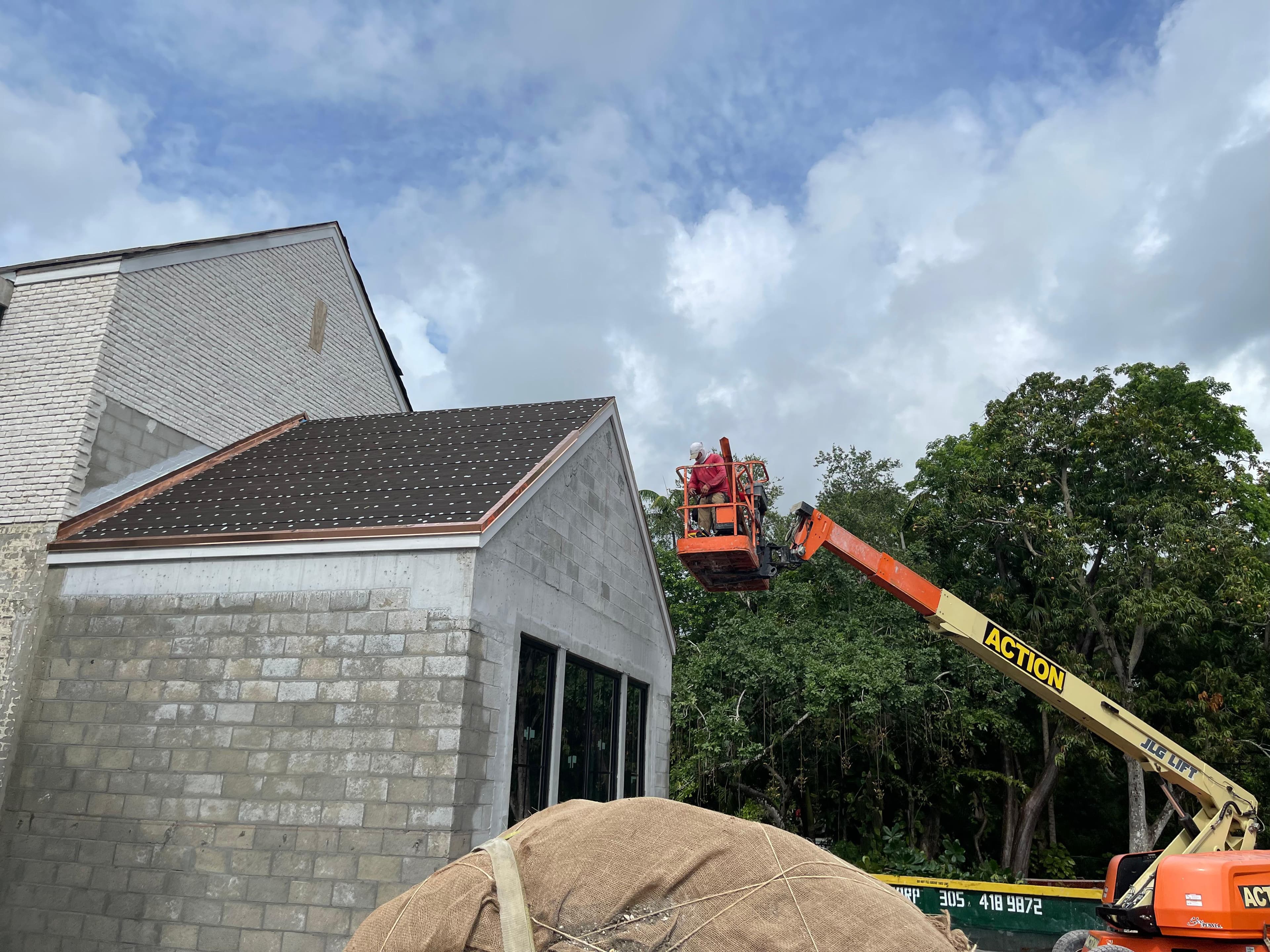
How to Hurricane-Proof Your Miami Roof Before Storm Season 2026
Learn how to hurricane-proof your Miami roof with wind-rated materials, hurricane straps, secondary water barriers, and Miami-Dade HVHZ code-compliant upgrades for 2026 storm season.
Read More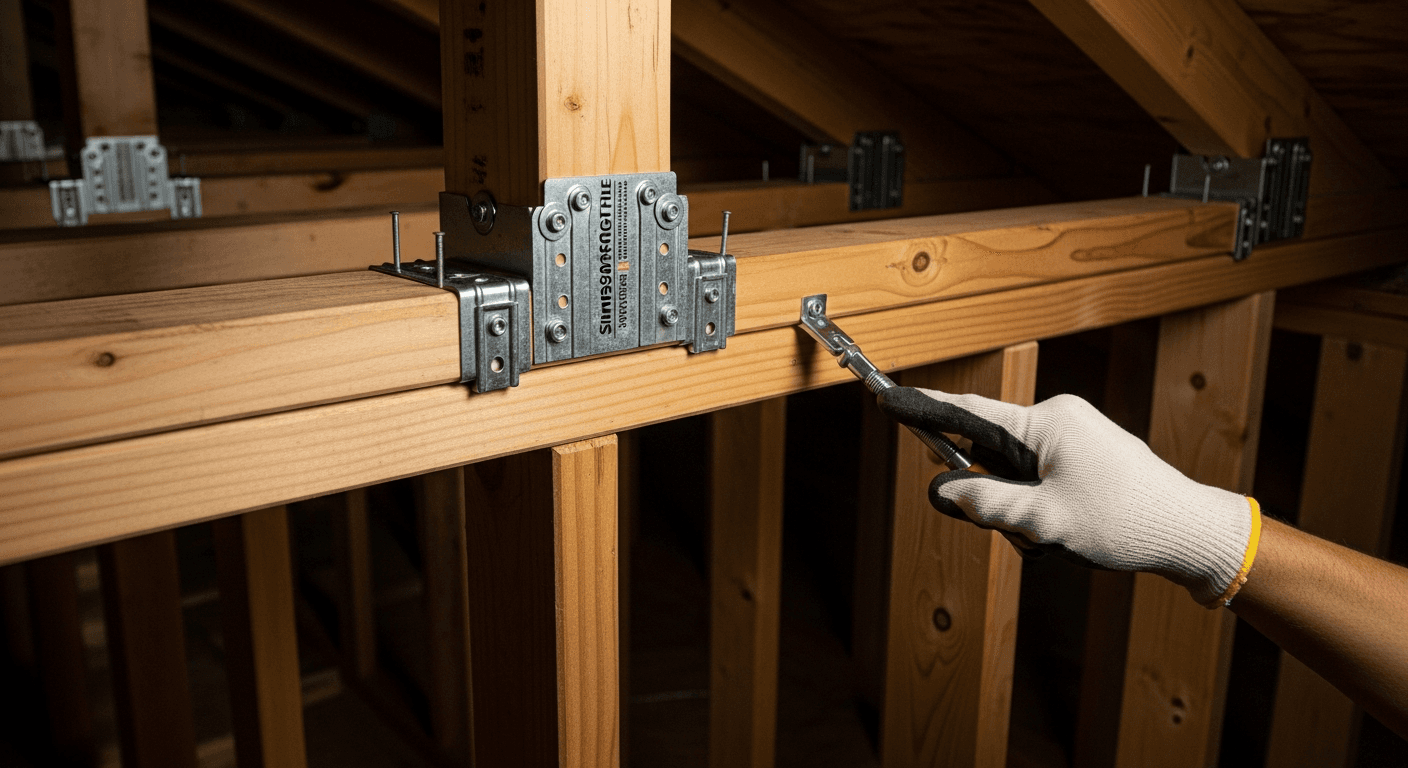
How re-roofing your Florida home triggers major insurance savings through wind mitigation credits. Covers the OIR-B1-1802 form, credit categories, average savings of $800-$2,500/year, and the inspection process.
Read More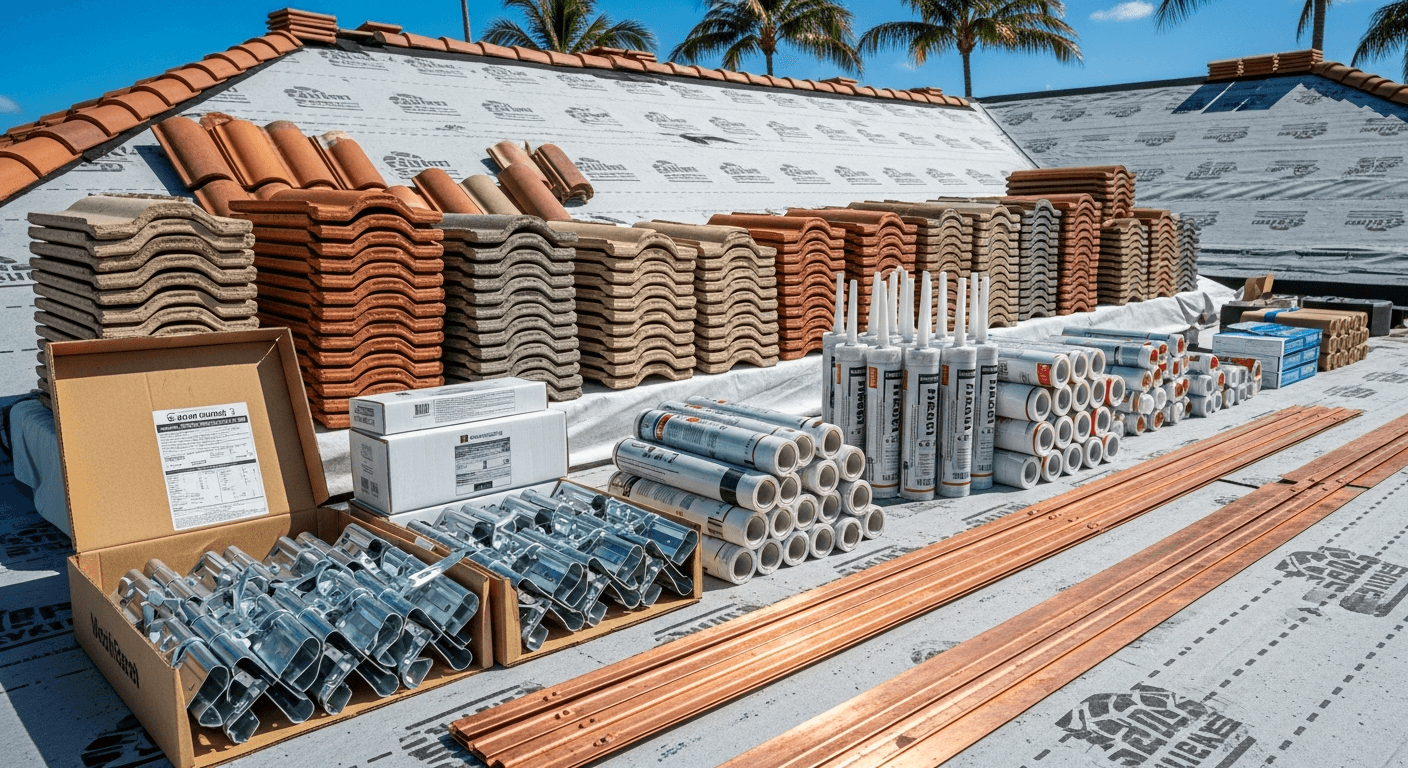
Understand which roofing materials are approved for Miami-Dade County HVHZ installation, how the NOA system works, and why using non-approved products puts your home at risk.
Read More