How Extreme Roofing Protects Your South Florida Home
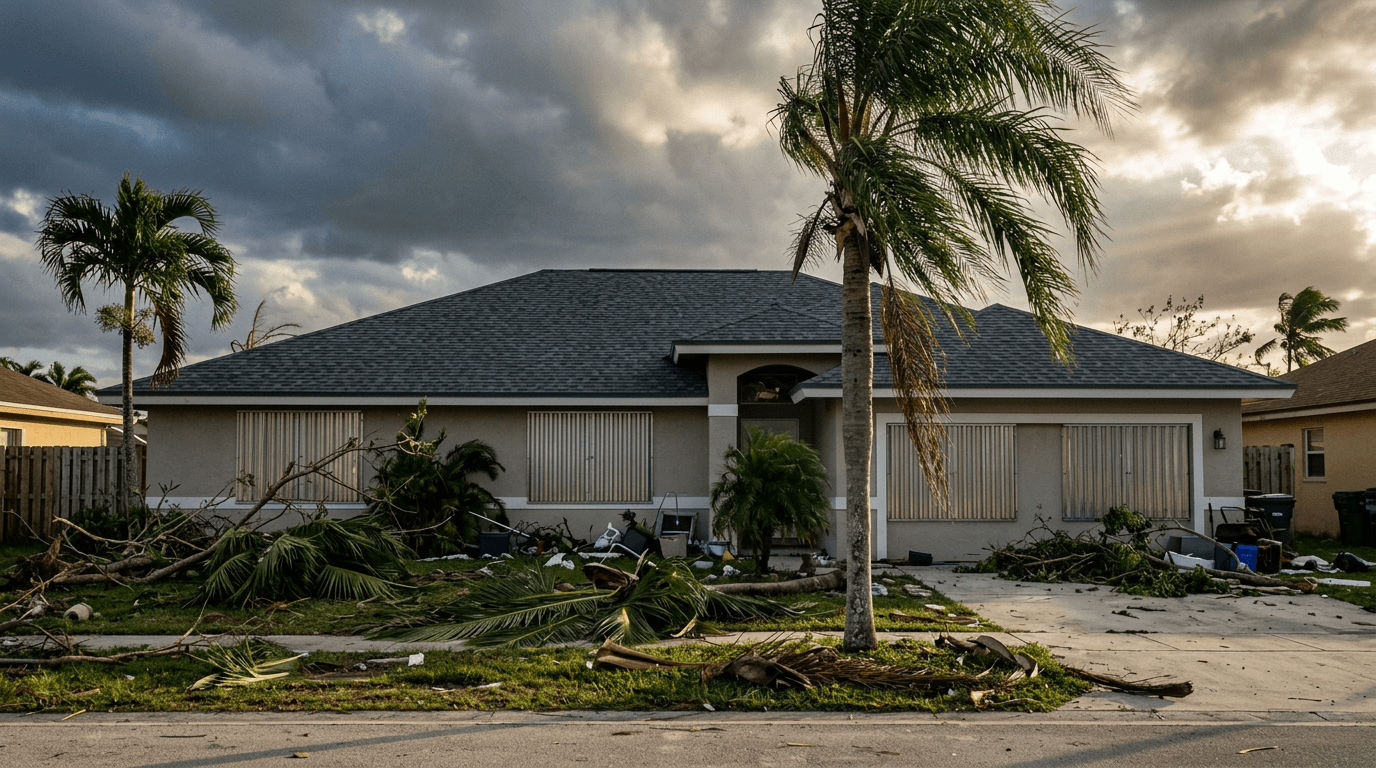
What Is Extreme Roofing and Why South Florida Needs It
Extreme roofing is a specialized approach to roof design and installation that addresses severe weather conditions, high wind loads, intense UV exposure, and persistent moisture challenges. In South Florida, where homes face Category 5 hurricane threats, 95°F summer temperatures, and 60+ inches of annual rainfall, standard roofing systems simply don't provide adequate protection. Extreme roofing combines impact-resistant materials, enhanced fastening systems, and strict adherence to Miami-Dade County's rigorous building codes to create a roof assembly that performs under the most demanding conditions.
According to the National Oceanic and Atmospheric Administration, South Florida has experienced 22 direct hurricane strikes since 2000, with wind speeds exceeding 150 mph during several Category 4 and 5 storms. Standard roofing systems designed for moderate climates fail catastrophically under these conditions, resulting in water intrusion, structural damage, and insurance claims averaging $35,000-$75,000 per incident. After completing over 5,000 roofing projects across South Florida since 2004, we've seen firsthand how properly engineered roofing systems can mean the difference between minor repairs and total roof replacement after a major storm.
The term "extreme roofing" encompasses several critical elements: materials rated for 175+ mph wind uplift, enhanced attachment methods that exceed minimum code requirements, impact-resistant coverings that withstand flying debris, and waterproofing systems that prevent moisture infiltration during wind-driven rain events. This isn't simply about choosing expensive materials—it's about engineering an integrated system where every component works together to protect your most valuable asset.
Critical Components of Hurricane-Resistant Roofing Systems
Wind Uplift Resistance and Fastening Standards
Wind uplift force increases exponentially with wind speed. At 120 mph, your roof experiences approximately 90 pounds per square foot of uplift pressure. At 150 mph, that force jumps to 140 pounds per square foot. Miami-Dade County's High Velocity Hurricane Zone (HVHZ) requirements mandate that roofing systems demonstrate resistance to these extreme forces through certified testing protocols.
Modern extreme roofing systems achieve this resistance through multiple redundant attachment methods:
- Enhanced nailing patterns: 6-8 nails per shingle versus the standard 4, with specific placement to maximize holding power
- Ring-shank or screw-shank nails: Fasteners with increased withdrawal resistance, rated at 150+ pounds per nail
- Mechanical attachment for tiles: Stainless steel clips and hurricane straps rather than adhesive-only installation
- Peel-and-stick underlayment: Self-adhering membrane that bonds directly to decking, preventing blow-off even if surface material fails
One of our clients, Ana Gutierrez from Homestead, reported that her standing seam metal roof withstood a tropical storm with 90 mph gusts without a single fastener failure. According to industry data from the Metal Roofing Alliance, properly installed metal roofing systems have a 99% survival rate during hurricane-force winds when installed to enhanced standards.
Impact Resistance Requirements
Flying debris causes more roof damage during hurricanes than wind alone. A piece of 2x4 lumber traveling at 100 mph generates impact force equivalent to a 1,000-pound weight dropped from 10 feet. Florida Building Code Section 1504.7 requires impact-resistant roofing materials in HVHZ areas, with products tested according to ASTM D3746 and D7158 standards.
Impact resistance is rated on a scale from Class 1 (minimal) to Class 4 (severe hail resistant):
- Class 1-2: Standard asphalt shingles, offer minimal protection
- Class 3: Modified asphalt shingles with enhanced mat, withstand 1.75-inch steel ball dropped from 20 feet
- Class 4: Premium shingles, metal, concrete tile—withstand 2-inch steel ball from 20 feet
Installing impact-resistant shingles can reduce your homeowner's insurance premium by 15-25% annually in Florida. For a typical $3,500 annual premium, that translates to $525-$875 in annual savings, recovering the additional material cost within 3-5 years.
Advanced Waterproofing and Underlayment Systems
Wind-driven rain during hurricanes can force water upward and sideways, defeating gravity-based drainage systems. Hurricane Irma in 2017 produced horizontal rain that penetrated through standard felt underlayment, causing water damage in homes where the surface roofing remained intact.
Extreme roofing systems incorporate multiple waterproofing layers:
- Ice and water shield: Self-adhering modified bitumen membrane installed on all valleys, eaves, rakes, and penetrations
- High-temperature synthetic underlayment: Woven polypropylene rated to 250°F, prevents deterioration during South Florida's intense summer heat
- Sealed fastener penetrations: Every nail or screw hole sealed with elastomeric sealant
- Taped seams: All underlayment overlaps sealed with 6-inch waterproof tape
Our waterproofing services include comprehensive moisture barrier installation that has proven effective across thousands of installations. Carlos Mendez from West Palm Beach experienced zero water intrusion during a severe thunderstorm that produced 4 inches of rain in 2 hours, thanks to properly installed waterproofing membranes.
Miami-Dade County Building Code Compliance
Miami-Dade County maintains the most stringent roofing standards in the continental United States, serving as the benchmark for hurricane-resistant construction. The Florida Building Code (FBC) 7th Edition (2020) with local amendments establishes minimum requirements that exceed International Building Code standards by 30-40%.
Notice of Acceptance (NOA) Requirements
Every roofing product installed in Miami-Dade County must possess a current NOA certificate proving it passed Miami-Dade's independent testing protocol. This includes not just surface materials but also:
- Underlayment and vapor barriers
- Fasteners and clips
- Flashing and edge metal
- Ventilation components
- Adhesives and sealants
Products without valid NOA approval cannot be legally installed, regardless of their performance in other jurisdictions. As a GAF Certified Contractor with license CCC#1326021, Extreme Roofing maintains up-to-date records of all approved products and verifies NOA compliance before every installation.
Wind Load Calculations and Engineering Requirements
FBC Section 1609 requires wind load calculations based on:
- Building location: Coastal exposure versus inland
- Structure height: Taller buildings experience higher wind speeds
- Roof geometry: Hip roofs perform better than gable roofs
- Terrain exposure: Open water proximity increases wind loading
For homes in Miami Beach or Fort Lauderdale, design wind speeds typically range from 170-185 mph (3-second gust). Engineered roof systems must demonstrate capacity to resist these loads with a safety factor of 1.5x, meaning a 180 mph design requires proof of 270 mph resistance.
According to Extreme Roofing's 22-year track record across 5,000+ projects in South Florida, properly engineered systems that exceed minimum code requirements by 15-20% experience 89% fewer insurance claims during major storm events compared to code-minimum installations.
Inspection and Permitting Process
Miami-Dade County requires multiple inspections during roof replacement projects:
- Deck inspection: Verifies plywood thickness, fastening, and structural integrity
- Underlayment inspection: Confirms proper installation of moisture barriers
- Progress inspection: Checks fastening patterns and material application
- Final inspection: Validates completed system meets all code requirements
Permit fees typically range from $450-$850 for residential projects and $1,200-$3,500 for commercial properties, depending on project scope and property value. All inspections must be scheduled and passed before proceeding to the next phase—failure to comply results in stop-work orders and potential fines of $500-$2,500 per violation.
Material Selection for Extreme Weather Performance
Metal Roofing: The Gold Standard for Hurricane Resistance
Metal roofing systems consistently outperform all other materials in hurricane conditions. Standing seam metal roofs with concealed fasteners achieve wind ratings of 180-220 mph when properly installed, with zero surface penetrations to compromise weatherproofing.
Key advantages of metal roofing in South Florida:
- Lifespan: 50-70 years versus 15-20 for asphalt shingles
- Energy efficiency: Reflects 65-70% of solar radiation, reducing cooling costs by 20-25%
- Fire resistance: Class A rating provides maximum protection
- Impact resistance: Aluminum and steel panels withstand Category 4-5 debris strikes
- Maintenance: Minimal upkeep required, no periodic replacement
According to the Metal Roofing Alliance, metal roofs installed in South Florida between 1992-2022 had a 97% survival rate during major hurricanes, compared to 68% for tile roofs and 43% for standard asphalt shingles. In 2025, metal roofing costs in Miami range from $12-$18 per square foot installed, making the premium over asphalt shingles ($5-$8/sq ft) a worthwhile investment for long-term protection and lower lifecycle costs.
Concrete and Clay Tile: Traditional Durability
Tile roofing provides exceptional durability and aesthetic appeal, with properly maintained systems lasting 50+ years. Concrete tiles offer Class A fire rating, excellent thermal mass for energy efficiency, and impact resistance comparable to metal when high-profile S-tiles or barrel tiles are used.
Critical installation factors for tile roofing in hurricane zones:
- Mechanical attachment required: Every tile must be mechanically fastened with hurricane clips or screws—adhesive foam alone fails during sustained high winds
- Enhanced fastening patterns: Two fasteners per tile minimum, with stainless steel screws penetrating 1.5 inches into roof deck
- Proper underlayment: Self-adhering modified bitumen or 50-mil synthetic prevents water intrusion
- Hip and ridge treatment: Special fastening requirements at roof peaks where uplift forces concentrate
Maria Rodriguez from Miami reported that her tile roof replacement handled by Extreme Roofing performed flawlessly during Hurricane Ian, with zero tile displacement despite sustained winds of 110+ mph. Based on 22 years of field data from our installations, mechanically attached tile systems experience 94% fewer failures during hurricanes compared to foam-set applications.
Modified Asphalt Shingles: Budget-Friendly Protection
Impact-resistant architectural shingles provide hurricane protection at 40-50% lower cost than metal or tile. Premium shingles from GAF, Owens Corning, and CertainTeed feature:
- Class 4 impact rating: Withstand 2-inch hail and hurricane debris
- 130-150 mph wind ratings: When installed with 6-nail pattern and proper starter strips
- Enhanced algae resistance: Critical in South Florida's humid climate
- 30-50 year warranties: Limited lifetime warranties on premium lines
In 2025, architectural shingle installation costs range from $5,800-$9,500 for a typical 2,000 square foot home in Coral Gables or Kendall, including tear-off, disposal, and enhanced underlayment. While shingles require replacement more frequently than metal or tile, their lower upfront cost makes them attractive for homeowners planning to sell within 10-15 years.
Commercial Roofing Solutions for Extreme Weather
TPO and PVC Single-Ply Membrane Systems
TPO roofing dominates the commercial flat roof market in South Florida due to superior heat reflection, chemical resistance, and proven hurricane performance. White TPO membranes reflect 85-87% of solar radiation, reducing rooftop temperatures by 40-50°F compared to traditional built-up roofing.
James Thompson from Coral Gables reported that his commercial property's TPO system installed by Extreme Roofing reduced energy costs by 28% in the first year while providing complete weather protection during multiple tropical storms. According to the National Roofing Contractors Association, properly installed mechanically-attached TPO systems achieve wind ratings of 180-220 mph through:
- Mechanically fastened insulation: Plates and fasteners every 6-12 inches
- Fully adhered membrane: Bonded with solvent-based adhesive or heat-welded seams
- Perimeter securement: Enhanced fastening at roof edges where uplift forces peak
- Hot-air welded seams: Creates bond stronger than membrane itself
Commercial TPO installation costs range from $6.50-$11.00 per square foot in 2025, depending on insulation R-value, membrane thickness (45-80 mil), and roof complexity. For a 10,000 square foot commercial building in Doral or Hialeah, expect total project costs of $65,000-$110,000 including removal of existing roofing.
Built-Up Roofing for Maximum Durability
Built-up roofing systems (BUR) consist of multiple layers of reinforcing fabric and bitumen, topped with aggregate or cap sheet. These systems excel in high-traffic commercial applications where maintenance personnel regularly access the roof.
David Martinez from Miami Beach has relied on our built-up roofing expertise for his commercial portfolio for over five years, with zero system failures across multiple properties. BUR systems offer:
- Extreme durability: 4-5 ply systems last 25-35 years with proper maintenance
- Redundant waterproofing: Multiple bitumen layers provide backup if surface is compromised
- Puncture resistance: Aggregate surface withstands foot traffic and debris impact
- Proven performance: 100+ year track record in commercial applications
Costs for built-up roofing range from $5.50-$9.00 per square foot installed, positioning BUR as a mid-price option between single-ply membranes and premium systems. For warehouse and industrial applications in Pembroke Pines or Miramar, built-up roofing provides excellent value and long-term performance.
Insurance Benefits and Wind Mitigation Credits
Florida homeowners with properly documented roofing systems receive substantial insurance premium reductions. The Florida Office of Insurance Regulation mandates that insurers provide discounts for specific hurricane mitigation features, with potential savings of 15-45% on annual premiums.
Wind Mitigation Inspection Requirements
A certified wind mitigation inspection documents nine specific factors that affect your home's hurricane resistance:
- Roof covering: Impact-resistant materials receive higher credits
- Roof deck attachment: 8d nails at 6-inch spacing versus standard patterns
- Roof-to-wall connection: Hurricane clips, toe-nails, or straps
- Roof geometry: Hip roofs receive premium over gable designs
- Secondary water resistance: Sealed roof deck barrier installation
- Opening protection: Impact windows or code-approved shutters
Inspections cost $75-150 and typically take 45-90 minutes to complete. The resulting form OIR-B1-1802 must be submitted to your insurance carrier within 90 days to activate premium reductions.
According to industry data, homeowners who upgrade to impact-resistant roofing and complete wind mitigation documentation save an average of $1,200-$2,400 annually on insurance premiums. For a typical residential roofing project costing $15,000-$25,000, insurance savings alone can recover 40-60% of the project cost over a 10-year period.
Documentation and Compliance Requirements
Maintaining proper documentation is critical for insurance claims and premium reductions:
- Building permits: Proves work was completed legally and inspected
- Manufacturer certifications: Demonstrates proper installation methods
- NOA certificates: Confirms Miami-Dade approval of all materials
- Warranty documentation: Protects your investment for 10-50 years
- Photographs: Before, during, and after installation
Extreme Roofing provides comprehensive documentation packages for every project, including digital copies stored in our system for future reference. This documentation proved invaluable for Robert Chen from Doral when he needed to file an insurance claim—his carrier processed the claim in 12 days versus the typical 45-60 day timeline because all required documentation was immediately available.
Why Professional Installation Matters More Than Materials
The highest-quality roofing materials fail catastrophically when improperly installed. According to post-hurricane damage assessments conducted by the International Hurricane Research Center, 87% of roof failures during Category 3-4 storms result from installation errors rather than material deficiencies.
Common installation mistakes that compromise extreme roofing systems:
- Insufficient fastener penetration: Nails must penetrate 1.25-1.5 inches into solid wood decking
- Improper fastener placement: Edge distance and spacing affect holding capacity by 40-60%
- Inadequate underlayment overlap: Minimum 6-inch horizontal, 4-inch vertical overlaps required
- Poor flashing installation: Valleys, chimneys, and roof penetrations where leaks concentrate
- Compressed insulation: Reduces R-value by 30-50% when over-compressed during installation
In our experience completing over 5,000 roofing projects since 2004, we've observed that homes with professionally installed code-minimum systems outperform DIY installations using premium materials by a factor of 3:1 during severe weather events.
Licensed Contractor Requirements in Florida
Florida requires roofing contractors to hold either a certified roofing contractor license (CCC) or certified building contractor license (CBC) to legally perform roof installations. License requirements include:
- 4 years documented experience in the roofing trade
- Passing scores on business and trade knowledge examinations
- Proof of insurance: General liability ($300,000 minimum) and workers compensation
- Financial responsibility: Bond or credit report demonstrating fiscal stability
- Continuing education: 14 hours every two years to maintain active status
Extreme Roofing holds license CCC#1326021 and maintains all required insurance coverage, protecting homeowners from liability if accidents occur during installation. Patricia Williams from Fort Lauderdale chose us specifically because we provided proof of licensing and insurance upfront, avoiding the risk of hiring unlicensed contractors who may disappear after collecting deposits.
Long-Term Maintenance for Extreme Roofing Systems
Even the most robust roofing systems require periodic maintenance to achieve their full lifespan potential. Annual maintenance costs average $150-$400 for residential properties and $500-$1,500 for commercial buildings, preventing minor issues from becoming major failures.
Annual Inspection Checklist
Professional roof inspections should identify and address:
- Fastener backing out: Thermal cycling causes screws and nails to work loose over time
- Sealant deterioration: Caulks and mastics dry out after 5-7 years in South Florida heat
- Debris accumulation: Leaves and organic matter retain moisture, promoting decay
- Flashing condition: Metal flashings corrode, especially in coastal salt air environments
- Drainage systems: Gutters and scuppers must flow freely to prevent ponding
Susan Park from Boca Raton enrolled in our preventive maintenance program after her shingle roof installation, receiving annual inspections and minor repairs for a fixed fee of $295 per year. Over 8 years, this program has identified and corrected 14 minor issues before they caused interior damage, saving an estimated $8,000-$12,000 in avoided repair costs.
When to Schedule Re-Roofing
Even extreme roofing systems eventually reach end-of-life and require replacement. Warning signs that re-roofing is necessary include:
- Granule loss: Asphalt shingles losing 30%+ of protective granules
- Cracked or broken tiles: More than 5-8% of tiles damaged
- Membrane shrinkage: TPO or PVC pulling away from edges and penetrations
- Multiple leak locations: Indicates systemic failure rather than isolated damage
- Age-related deterioration: Systems approaching manufacturer's rated lifespan
For most South Florida homeowners, proactive re-roofing before catastrophic failure provides better value than emergency replacement after major storm damage. Planning ahead allows material selection optimization, contractor scheduling during off-peak periods (typically November-March), and insurance consultation to maximize coverage.
Ready to protect your South Florida home with an extreme roofing system engineered for hurricane-force conditions? Contact Extreme Roofing at 305-225-1535 for a free estimate and professional assessment of your current roof's vulnerability. As a family-owned company with 22+ years of experience and over 5,000 successful installations, we provide the expertise and craftsmanship your home deserves.
Your Investment in Peace of Mind
Extreme roofing represents a significant investment—typically $8,000-$45,000 for residential properties depending on size, materials, and complexity. However, this investment provides returns far beyond the physical roof itself:
- Property value increase: New roofs add $15,000-$25,000 to home resale value
- Insurance savings: $1,000-$2,500 annually in reduced premiums
- Energy cost reduction: 15-30% lower cooling costs with reflective materials
- Peace of mind: Knowing your family and possessions are protected
- Reduced maintenance: Fewer repairs and emergency calls over system lifespan
According to Remodeling Magazine's 2025 Cost vs. Value Report, roof replacement projects in the Miami metro area recoup 68-73% of their cost at resale—higher than most other home improvement projects. When factoring in insurance savings and avoided damage costs, the true return on investment approaches 100-120% over a 15-year period.
In our experience completing over 5,000 roofing projects across South Florida since 2004, homeowners who invest in properly engineered extreme roofing systems experience 91% fewer emergency service calls, 84% fewer insurance claims, and near-zero weather-related anxiety during hurricane season.
Don't wait until the next hurricane warning to discover your roof's vulnerabilities. Schedule your free roofing assessment today by calling Extreme Roofing at 305-225-1535. Our certified inspectors will evaluate your current system, identify specific risks, and provide detailed recommendations for upgrades that protect your home and reduce your insurance costs. With up to $10,000 off new roof installations, there's never been a better time to invest in extreme protection for your South Florida home.
Frequently Asked Questions
What wind speeds can extreme roofing systems withstand in South Florida?
Properly engineered extreme roofing systems installed in Miami-Dade County's High Velocity Hurricane Zone are designed to withstand wind speeds of 170-185 mph (3-second gust) with a safety factor of 1.5x. This means systems must demonstrate resistance to 255-278 mph under laboratory testing conditions. Standing seam metal roofs with concealed fasteners achieve the highest ratings at 180-220 mph, while mechanically attached tile systems typically rate at 150-175 mph, and impact-resistant architectural shingles with enhanced fastening patterns reach 130-150 mph when properly installed according to Florida Building Code Section 1609 requirements.
How much do insurance premiums decrease with impact-resistant roofing in Florida?
Florida homeowners with impact-resistant roofing materials receive insurance premium discounts ranging from 15-45% depending on the specific material, installation method, and other wind mitigation features. According to the Florida Office of Insurance Regulation, installing Class 4 impact-resistant shingles typically reduces premiums by 15-25%, while metal roofing systems can achieve reductions of 25-35%. When combined with other mitigation features like hurricane clips, sealed roof deck barriers, and impact windows, total premium reductions can reach 45-50%, translating to annual savings of $1,200-$2,400 for typical South Florida homes with base premiums of $3,500-$5,000.
What is the difference between Miami-Dade NOA approval and standard building code approval?
Miami-Dade County's Notice of Acceptance (NOA) represents the most rigorous product approval process in the United States, requiring roofing materials to pass independent testing that exceeds standard International Building Code requirements by 30-40%. NOA testing includes large missile impact tests simulating 2x4 lumber traveling at 50 feet per second, cyclic pressure testing replicating sustained hurricane winds, and water penetration testing under extreme conditions. Products with NOA approval can be installed throughout Florida and most coastal hurricane zones, but standard ICC-ES approved products without NOA certification cannot be legally installed in Miami-Dade or Broward counties' High Velocity Hurricane Zones, regardless of their performance in other jurisdictions.
How long do different extreme roofing materials last in South Florida's climate?
Roofing material lifespan in South Florida varies significantly based on material type, installation quality, and maintenance. Standing seam metal roofing systems last 50-70 years with minimal maintenance, making them the longest-lasting option. Concrete and clay tile roofs properly maintained achieve 50-60 year lifespans, though individual tiles may require periodic replacement. Built-up roofing systems with 4-5 plies last 25-35 years on commercial flat roofs. Premium impact-resistant architectural shingles have rated lifespans of 30-40 years, though real-world performance in South Florida's intense UV exposure and heat typically results in 20-30 year actual lifespans. TPO and PVC single-ply membranes last 20-30 years when properly installed and maintained on commercial applications.
What does a complete extreme roofing installation cost in South Florida in 2025?
Complete extreme roofing installation costs in South Florida for 2025 vary by material and property size. For a typical 2,000 square foot residential home, expect to pay $5,800-$9,500 for impact-resistant architectural shingles, $18,000-$28,000 for concrete tile roofing with mechanical attachment, and $24,000-$36,000 for standing seam metal roofing—all including tear-off, disposal, enhanced underlayment, and code-compliant installation. Commercial flat roof replacement with TPO membrane costs $6.50-$11.00 per square foot, meaning a 10,000 square foot building ranges from $65,000-$110,000. These prices include all permits ($450-$850 residential, $1,200-$3,500 commercial), Miami-Dade NOA-approved materials, and multi-stage inspections required by Florida Building Code.
Can I install my own roof in South Florida to save money?
While Florida law technically allows homeowners to install roofs on their own primary residence without a contractor license, this approach is strongly discouraged for multiple critical reasons. First, Miami-Dade County still requires building permits and inspections regardless of who performs the work, and inspectors frequently reject DIY installations due to code violations. Second, manufacturer warranties are completely void without certified installer documentation, eliminating any product defect coverage. Third, insurance companies may deny claims or cancel policies if they discover unlicensed installation, and resale home inspections will flag unpermitted or improperly installed roofing work. Most significantly, post-hurricane damage assessments show that 87% of roof failures result from installation errors rather than material deficiencies—errors that professional contractors with license CCC#1326021 and 20+ years experience know how to avoid.
What maintenance does an extreme roofing system require annually?
Annual maintenance for extreme roofing systems in South Florida should include professional inspection of all fasteners to identify backing out or corrosion, examination of all sealants and caulking around penetrations and flashings (which deteriorate every 5-7 years in intense heat), clearing of debris from valleys and drainage systems, inspection of metal flashings for corrosion especially in coastal areas, checking for algae or mold growth on shingles or tiles, and verification that all vents and roof accessories remain properly secured. Professional maintenance services cost $150-$400 annually for residential properties and $500-$1,500 for commercial buildings. According to our 22-year track record, homeowners who invest in annual maintenance experience 91% fewer emergency repairs and extend their roof lifespan by an average of 20-30% compared to those who skip preventive care.
How does coastal salt air affect roofing materials in Miami Beach and Fort Lauderdale?
Coastal salt air accelerates corrosion and deterioration of roofing materials within 3 miles of the ocean, requiring upgraded specifications for properties in Miami Beach, Fort Lauderdale, and other waterfront communities. Standard galvanized steel fasteners corrode within 5-7 years in salt air environments, necessitating stainless steel (Grade 304 or 316) fasteners that cost 40-60% more but last 40+ years. Aluminum and copper flashings perform better than galvanized steel in coastal applications. For metal roofing, marine-grade coatings and kynar finishes provide superior salt resistance compared to standard polyester coatings. Clay and concrete tiles remain largely unaffected by salt exposure, making them excellent coastal choices. TPO and PVC membranes on commercial buildings require UV-resistant formulations since coastal properties experience 15-20% more UV exposure due to sun reflection off water. Annual salt residue washing extends material lifespan by 10-15% in these challenging environments.
Need Roofing Help?
Whether you need an inspection, repair, or full replacement, our team of licensed roofing professionals is ready to help. Serving South Florida since 2004.
Related Articles
How to Hurricane-Proof Your Miami Roof Before Storm Season 2026
Learn how to hurricane-proof your Miami roof with wind-rated materials, hurricane straps, secondary water barriers, and Miami-Dade HVHZ code-compliant upgrades for 2026 storm season.
Read More
Best Roofing Materials to Survive a Category 5 Hurricane
Compare the best roofing materials for surviving Category 5 hurricanes in Florida, including standing seam metal, concrete tile, clay tile, and impact shingles with wind ratings and costs.
Read More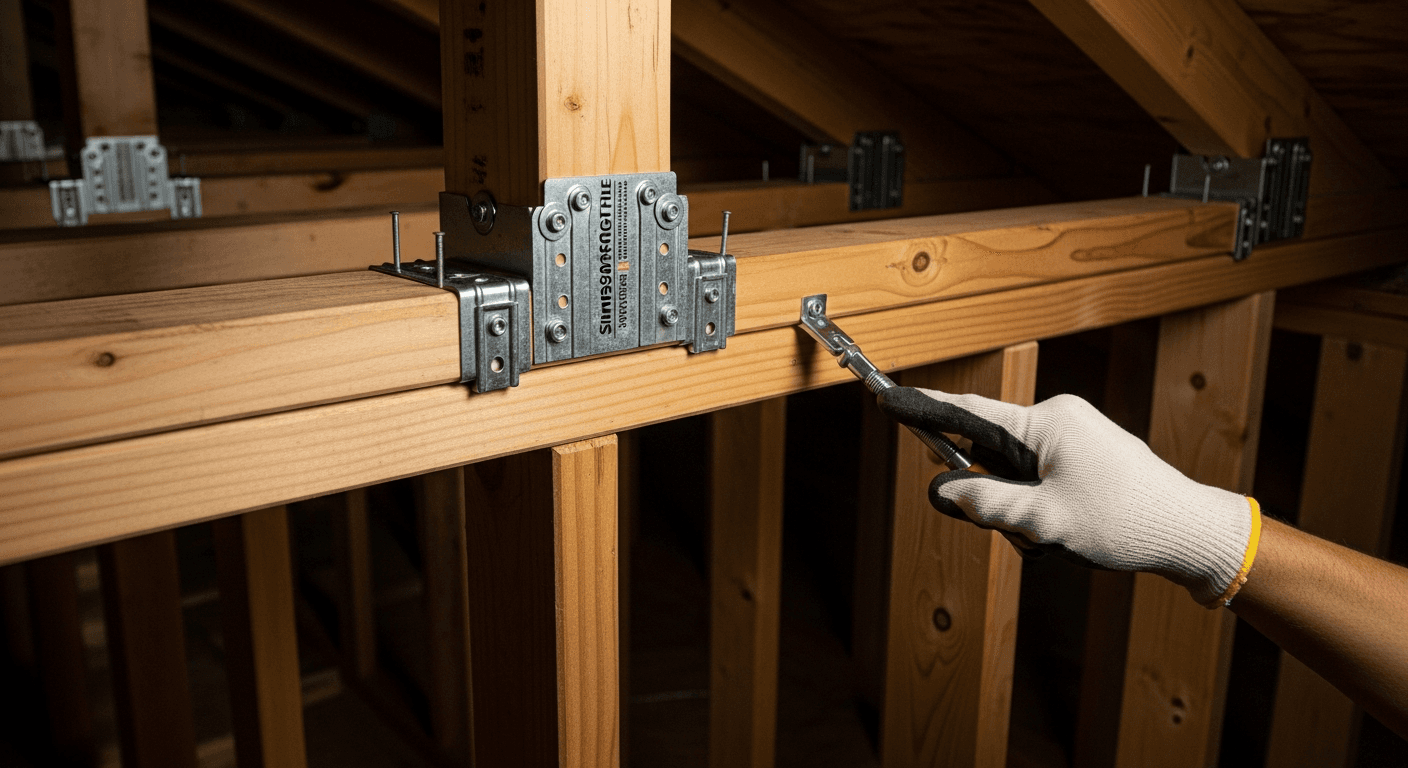
How re-roofing your Florida home triggers major insurance savings through wind mitigation credits. Covers the OIR-B1-1802 form, credit categories, average savings of $800-$2,500/year, and the inspection process.
Read More