
Post-Hurricane Roof Inspection in Miami: Why Immediate Assessment Saves Your Home and Your Claim
Why You Need a Post-Hurricane Roof Inspection Within 7 Days
I do dozens of post-hurricane roof inspections every time a major storm hits Miami-Dade. The patterns are consistent every year: homeowners delay the inspection thinking their roof "looks fine from the ground," they wait until interior damage shows up weeks later, and by then they've lost their best window to file an insurance claim successfully. Florida insurance carriers look for signs of delayed reporting and use them as grounds to deny or reduce claims.
Here's the reality: hurricane roof damage is often invisible from ground level. Wind can lift tiles just enough to break the seal without displacing them visibly. Cracked ridge cement only shows up when you're 5 feet away. Underlayment tears from debris impact don't show on the surface. A professional inspection within 7 days of a storm catches these hidden problems and creates the documentation your insurance claim needs.
This post covers why the 7-day window matters, what a real post-hurricane roof inspection includes, how to protect yourself from storm chasers who flood Miami after every major event, and how to document damage properly for maximum insurance claim value.
Why Immediate Post-Hurricane Inspection Is Critical
After a hurricane passes through Miami, the natural instinct is to assess what you can see: downed trees, flooded streets, broken windows. But the most expensive damage is almost always on your roof . and much of it is invisible without a trained eye and proper access.
The Hidden Cost of Waiting
Every day you wait after a hurricane to inspect your roof, you risk compounding damage. A small breach in your roofing system . a lifted shingle, a cracked tile, compromised flashing . allows water to infiltrate. In Miami's subtropical climate, where afternoon rain showers are nearly daily, even a minor opening can lead to:
- Structural wood rot that weakens rafters and decking within weeks
- Mold growth that can spread throughout your attic and living spaces in 24-48 hours in Florida's humidity
- Saturated insulation that loses its effectiveness and becomes a breeding ground for mold
- Ceiling and wall damage that turns a $2,000 roof repair into a $15,000+ interior restoration
- Electrical hazards from water reaching wiring and junction boxes in the attic
A roof that could have been patched for a few thousand dollars immediately after the storm can deteriorate into a full replacement costing $15,000-$30,000 or more if water intrusion goes undetected for weeks.
Insurance Claim Timing Is Everything
Florida insurance policies require homeowners to report damage promptly. While there is no single statutory deadline that applies to every policy, most carriers expect notification within 30-60 days of the loss event. However, the sooner you file, the stronger your claim. Insurance adjusters are far more receptive to claims filed within days of a hurricane than those filed months later, when it becomes difficult to distinguish storm damage from pre-existing wear.
More importantly, your insurance company will scrutinize whether you took reasonable steps to prevent further damage after the storm. If you failed to inspect the roof and water damage worsened over weeks, the insurer may argue that the additional damage resulted from your negligence . not the hurricane . and deny coverage for those secondary losses.
Learn more about filing your roof insurance claim after a hurricane.
The 72-Hour Window
Roofing professionals in Miami generally recommend scheduling an inspection within 72 hours of a hurricane passing. During this window:
- Damage is fresh and clearly attributable to the storm . no ambiguity about cause
- Emergency tarping can prevent secondary water damage before the next rain event
- Insurance documentation is most convincing when photos show fresh storm damage
- Contractors are available before the post-storm rush overwhelms every roofer in the region
After major hurricanes, the demand for roof inspections surges dramatically. Homeowners who act in the first 72 hours typically get service weeks before those who wait. By the time some homeowners call, reputable contractors are booked 4-8 weeks out . during which time hidden damage continues to worsen.
What Professional Inspectors Look For
A thorough post-hurricane roof inspection goes far beyond glancing at the roof from the driveway. Certified inspectors conduct a systematic evaluation of every component of your roofing system, both from above and below.
Exterior Roof Inspection
Shingle and Tile Assessment : Inspectors walk the roof (when safe to do so) examining every section for:
- Lifted, curled, or missing shingles
- Cracked, broken, or displaced concrete or clay tiles
- Granule loss on asphalt shingles (visible as dark patches or bare spots)
- Nail pops where fasteners have been pulled upward by wind suction
- Creased shingles that have been bent by wind but settled back into place
Flashing Integrity : Metal flashing around chimneys, vent pipes, walls, and roof edges is particularly vulnerable to hurricane-force winds. Inspectors check for:
- Lifted or separated flashing sections
- Gaps between flashing and the roof surface
- Bent or deformed flashing that no longer creates a watertight seal
- Missing caulk or sealant at flashing terminations
Ridge and Hip Cap Evaluation : The ridge line (peak) and hip lines of your roof endure the greatest wind forces. Inspectors specifically examine:
- Ridge cap shingles or tiles for displacement
- Adhesion failure along ridge and hip lines
- Exposed nails or underlayment at the ridge
Soffit and Fascia Damage : High winds frequently tear away soffit panels (the underside of roof overhangs) and fascia boards, creating openings for water and wind-driven rain:
- Missing or damaged soffit panels
- Separated fascia boards
- Gaps that allow water intrusion into the attic space
Gutter and Drainage Assessment : Hurricane debris often clogs or damages gutters and downspouts:
- Bent, detached, or missing gutter sections
- Clogged gutters creating water backup under roof edges
- Damaged downspouts that direct water toward the foundation
Interior and Attic Inspection
The attic inspection is where many of the most critical hidden damages are discovered. Inspectors use flashlights, moisture meters, and thermal imaging (when available) to identify:
Active Water Intrusion : Stains, drips, or pooled water on the attic floor or along rafters indicate active leaks that need immediate attention.
Moisture in Decking : Even when no visible water is present, a moisture meter can detect elevated moisture levels in roof decking . a telltale sign of a breach that will lead to rot and mold if not addressed.
Structural Damage : Hurricane winds create enormous uplift forces. Inspectors check for:
- Cracked or split rafters and trusses
- Separated truss connections
- Shifted or displaced structural members
- Compromised hurricane straps and clips
Daylight Penetration : In a darkened attic, any visible daylight through the roof deck indicates a breach that needs repair.
Insulation Condition : Wet or displaced insulation signals water intrusion and reduces your home's energy efficiency.
Structural Assessment
Beyond the roof itself, inspectors evaluate how the roofing system connects to the overall structure:
- Roof-to-wall connections: Are hurricane straps and clips intact?
- Load-bearing walls: Any signs of shifting that could affect roof alignment?
- Ceiling integrity: Sagging or water-stained ceilings below the roof line
Common Hidden Damage Types After a Hurricane
Some of the most expensive hurricane roof damage is completely invisible from the ground. Understanding these hidden damage types helps you appreciate why a professional inspection . not a DIY assessment . is essential.
Lifted Shingles That Resettle
During a hurricane, wind gusts can lift asphalt shingles, breaking the adhesive seal strip that holds them down. After the storm, gravity pulls the shingles back into place, and from the ground they may look perfectly fine. But the adhesive seal is permanently broken. The next windstorm . even a routine afternoon thunderstorm . can tear those shingles away completely, exposing the underlayment or bare decking to water.
Micro-Fractures in Concrete and Clay Tiles
Impact from airborne debris (tree branches, gravel, other roof materials) can create hairline cracks in concrete and clay tiles that are invisible from even a few feet away. These micro-fractures allow water to wick through the tile with every rain event, slowly deteriorating the underlayment beneath.
Compromised Underlayment
Even when shingles and tiles remain in place, the force of wind-driven rain can push water beneath the roof covering and saturate the underlayment (the waterproof barrier between your roof covering and the wood decking). Compromised underlayment provides zero protection during the next rain event.
Nail Withdrawal and Fastener Failure
Hurricane uplift forces can partially extract roofing nails from the decking. The nails remain in place but are no longer fully seated, creating tiny gaps around each fastener. Over time, water follows these nail shanks down into the decking, causing rot from the inside out.
Flashing Separation
Metal flashing around penetrations (vents, pipes, chimneys, skylights) can be lifted just enough to break the seal without visibly moving out of position. These separations are nearly impossible to detect without hands-on inspection from the roof surface.
Impact Damage Beneath the Surface
Large debris impacts can dent or fracture the roof decking (plywood or OSB sheathing) beneath the surface layer without penetrating the outer roof covering. The weakened decking then sags or fails over time, especially when exposed to moisture.
DIY Safety Assessment vs. Professional Inspection
After a hurricane, it is natural to want to check your roof yourself. A cautious ground-level assessment is appropriate and even helpful for identifying obvious damage. However, a DIY assessment is not a substitute for a professional inspection.
What You Can Safely Do Yourself
From the ground with binoculars :
- Look for missing shingles or tiles
- Check for visible debris on the roof
- Scan for obvious structural damage (sagging ridge line, collapsed sections)
- Inspect gutters and soffits for damage
- Look for debris accumulation around the base of the home
Inside the home :
- Check ceilings for new water stains or sagging
- Listen for dripping sounds in the attic
- Note any new musty odors (possible mold from water intrusion)
- Check around windows and doors for water intrusion
Why You Need a Professional
Safety : Walking on a storm-damaged roof is dangerous. Weakened decking, displaced tiles, and wet surfaces create fall hazards. Professional inspectors have fall protection equipment, proper footwear, and training for navigating damaged roofs.
Training and Experience : Licensed inspectors know exactly where to look. They understand how different roofing materials fail, which areas of a roof are most vulnerable to specific wind directions, and how to identify damage that appears intact to untrained eyes.
Proper Equipment : Professionals use moisture meters, thermal imaging cameras, drones (for roofs unsafe to walk), and specialized tools that detect damage invisible to the naked eye.
Documentation : Insurance companies require specific documentation formats. Professional inspectors produce detailed reports with labeled photographs, measurements, and descriptions that insurance adjusters accept as credible evidence.
Credibility : An insurance adjuster assigning value to a claim will give far more weight to a report from a licensed roofing contractor or certified inspector than to a homeowner's iPhone photos.
Schedule a professional roof inspection with Extreme Roofing Inc.
Documenting Damage for Insurance Claims
Proper documentation is the foundation of a successful hurricane roof insurance claim. Without it, even legitimate damage may be denied or underpaid.
Photography Best Practices
Before Repairs : Always photograph damage before any temporary or permanent repairs are made. Insurers need to see the original condition.
Multiple Angles : Capture each damaged area from multiple angles . close-up, medium range, and wide shot showing the damage in context of the overall roof.
Date and Time : Enable timestamp on your phone camera, or take a photo of that day's newspaper or digital news screen alongside the damage to establish the date.
Systematic Coverage : Photograph every face of the roof, every penetration, all flashing, ridge lines, eaves, soffits, and gutters . even areas that appear undamaged. This establishes the complete condition of the roof at the time of inspection.
Interior Damage : Document water stains, mold, wet insulation, and any interior damage caused by roof leaks.
Professional Inspection Report
A professional post-hurricane inspection report should include:
- Date and time of inspection
- Inspector's license number and qualifications
- Complete photographic documentation with annotations
- Description of each area of damage with location on the roof
- Assessment of damage severity (cosmetic, functional, structural)
- Recommended repairs with estimated scope
- Opinion on whether damage is consistent with the hurricane event
- Moisture meter readings if applicable
This report becomes the primary evidence in your insurance claim. Learn the complete insurance claim filing process.
Preserving Evidence
- Do not make permanent repairs until your insurance adjuster has inspected (or waived the right to inspect)
- Save all damaged materials . broken tiles, torn shingles, damaged flashing
- Keep receipts for all emergency temporary repairs (tarps, board-up)
- Maintain a written timeline of all events, calls, and communications
Emergency Temporary Repairs
While you should not make permanent repairs before your insurance inspection, you are expected . and in most policies, required . to take reasonable steps to prevent further damage. Emergency temporary repairs protect your home and demonstrate to your insurer that you acted responsibly.
Tarping a Damaged Roof
Professional tarping involves:
- Using heavy-duty blue tarps (at minimum 6-mil thickness, preferably 10-mil)
- Extending the tarp well beyond the damaged area (at least 4 feet in all directions)
- Securing the tarp with 2x4 lumber screwed through the tarp into the roof deck (not just weighted down)
- Ensuring water runoff paths direct water away from the damaged area
- Inspecting tarp placement after each subsequent rain event
Cost : Professional tarping typically runs $200-$800 depending on the area covered. This cost is almost always reimbursable under your insurance claim.
DIY Warning : Only attempt tarping if you can safely access the roof, conditions are calm, and the roof structure is stable. Never walk on a roof during wet, windy, or dark conditions.
Board-Up of Openings
If hurricane damage has created openings in the roof structure:
- Cover openings with plywood secured with screws (not nails, which can pull out)
- Seal edges with roofing cement or heavy-duty tape
- Ensure coverage extends well beyond the opening
What NOT to Do
- Do not use a garden hose to test for leaks . this can cause additional damage and confuse the insurance assessment
- Do not remove debris from the roof surface unless it is causing active damage . debris helps document the storm event
- Do not hire the first contractor who knocks on your door . storm chasers frequently canvass neighborhoods after hurricanes
Choosing a Reputable Inspector: Avoiding Storm Chasers
After every major hurricane, Miami neighborhoods are flooded with out-of-state contractors and unlicensed operators going door to door, offering free inspections and immediate repairs. While some may be legitimate, many are storm chasers whose primary interest is collecting insurance money . not protecting your home.
Red Flags of Storm Chasers
- Door-to-door solicitation immediately after the storm
- Pressure to sign contracts immediately before you have compared options
- Requests for large upfront deposits (legitimate contractors typically require 10-30%, not 50-75%)
- Out-of-state license plates on work vehicles
- No local business address or verifiable history
- Offers to "waive your deductible" . this is insurance fraud in Florida
- Reluctance to provide license numbers or proof of insurance
- Generic business cards with only a cell phone number
How to Choose a Reputable Inspector
Verify Licensing : Check the contractor's license through the Florida Department of Business and Professional Regulation (DBPR) at myfloridalicense.com. Ensure the license is active and in good standing.
Confirm Insurance : Request a Certificate of Insurance showing general liability and workers' compensation coverage. Call the insurance company to verify the certificate is current.
Check Local History : Look for contractors with established local presence . a physical office, years of operation in Miami-Dade or Broward County, membership in local trade associations.
Read Reviews : Check Google Reviews, Better Business Bureau, and Angi for reviews that predate the hurricane. Storm chasers rarely have a review history.
Get Multiple Opinions : Never rely on a single inspection. Get at least two professional assessments, especially if the first recommends extensive work.
Understand the Contract : Before signing anything, read the entire contract. Ensure it specifies exactly what work will be done, materials to be used, timeline, payment schedule, and warranty terms.
Get a trusted inspection from Extreme Roofing Inc., serving Miami since 2004.
When to Schedule Your Post-Hurricane Inspection
Timing matters, but safety comes first. Here is a practical timeline for Miami homeowners:
Immediately After the Storm (0-24 Hours)
- Conduct a ground-level visual assessment only
- Document any visible damage with photos
- If there is active water intrusion, call for emergency tarping
- Do NOT go on the roof
Within 72 Hours
- Contact a licensed roofing contractor for a professional inspection
- File a claim with your insurance company (even before the inspection is complete)
- Begin documenting everything in writing
Within 1-2 Weeks
- Complete professional roof inspection
- Receive written inspection report with photos
- Submit inspection report to insurance company
- Complete emergency temporary repairs as needed
Within 30 Days
- Meet with insurance adjuster (in-person inspection)
- Obtain repair or replacement estimates
- Begin planning permanent repairs
Important Note on Contractor Availability
After a major hurricane, demand for roofing inspections in Miami far exceeds supply. Homeowners who call within the first 48 hours typically secure inspection appointments within the first week. Those who wait may face 4-8 week backlogs. Establish a relationship with a reputable local roofer before hurricane season so you have a trusted contact when you need one most.
Protect Your Home, Protect Your Claim
A post-hurricane roof inspection is not optional for Miami homeowners . it is an essential step in protecting both your most valuable asset and your insurance rights. Hidden damage left undetected will worsen rapidly in South Florida's climate, turning manageable repairs into catastrophic failures. Proper professional documentation transforms a potentially denied insurance claim into a fully covered restoration.
Do not wait for the next rain to discover what the hurricane did to your roof. Act within 72 hours, hire a reputable licensed inspector, document everything, and take reasonable steps to prevent further damage.
Need a post-hurricane roof inspection in Miami? Extreme Roofing Inc. has been protecting Miami homes since 2004. Our licensed inspectors provide thorough post-storm assessments with detailed photo documentation designed for insurance claim success. We serve the entire corridor from West Palm Beach to Homestead.
Call 305-225-1535 today or schedule your inspection online. When the storm passes, we are here to help you recover . quickly, professionally, and honestly.
Read our hurricane preparation guide | Learn about storm damage repair | File your insurance claim
Frequently Asked Questions
How soon after a hurricane should I get my roof inspected in Miami?
You should schedule a professional post-hurricane roof inspection within 72 hours of the storm passing. This window is critical because damage is clearly attributable to the storm, emergency tarping can prevent secondary water damage before the next rain, and insurance documentation is most convincing with fresh damage evidence. After major hurricanes, reputable Miami contractors book up within days, so calling early secures a faster inspection appointment. Homeowners who wait weeks often face 4-8 week backlogs while hidden damage continues to worsen.
What hidden roof damage can a hurricane cause that I cannot see from the ground?
Hurricanes commonly cause several types of invisible roof damage: lifted shingles that resettle into place but have broken adhesive seals, micro-fractures in concrete and clay tiles from debris impact, compromised underlayment from wind-driven rain infiltration, partially withdrawn nails that create moisture pathways into the decking, and flashing separations that break the watertight seal without visibly moving. These hidden damages allow water intrusion with every subsequent rain, leading to wood rot, mold growth, and insulation failure . potentially turning a minor roof repair into a $15,000+ restoration project.
Can I inspect my own roof after a hurricane instead of hiring a professional?
You can safely conduct a ground-level visual assessment using binoculars and check your interior ceilings and attic for water stains or dripping. However, a DIY check is not a substitute for a professional inspection. Licensed inspectors have fall protection equipment for safely walking damaged roofs, moisture meters and thermal imaging cameras to detect hidden water intrusion, training to identify damage invisible to untrained eyes, and the credibility to produce documentation that insurance adjusters accept. Walking on a storm-damaged roof without proper equipment and training is extremely dangerous.
How do I avoid storm chasers after a hurricane in Miami?
Protect yourself from storm chasers by verifying contractor licensing through Florida DBPR at myfloridalicense.com, confirming general liability and workers' compensation insurance, choosing contractors with an established local Miami presence and reviews predating the hurricane, and never signing contracts under pressure or paying large upfront deposits exceeding 30%. Major red flags include door-to-door solicitation immediately after the storm, offers to waive your insurance deductible (which is fraud in Florida), out-of-state license plates, and reluctance to provide license numbers or proof of insurance.
Will my insurance cover the cost of a post-hurricane roof inspection in Miami?
Most Florida homeowners insurance policies do not directly cover the cost of a private roof inspection. However, the inspection report is essential evidence for your insurance claim and typically pays for itself many times over through proper damage documentation that maximizes your claim payout. Emergency temporary repairs like professional tarping ($200-$800) are almost always reimbursable under your policy. Some roofing contractors, including Extreme Roofing Inc., may include the inspection cost within the overall repair estimate if you proceed with recommended repairs through their company.
Need Roofing Help?
Whether you need an inspection, repair, or full replacement, our team of licensed roofing professionals is ready to help. Serving South Florida since 2004.
Related Articles
Everything Miami homeowners need to know about storm damage roof repair, from emergency response and insurance claims to choosing a licensed contractor and understanding repair timelines.
Read More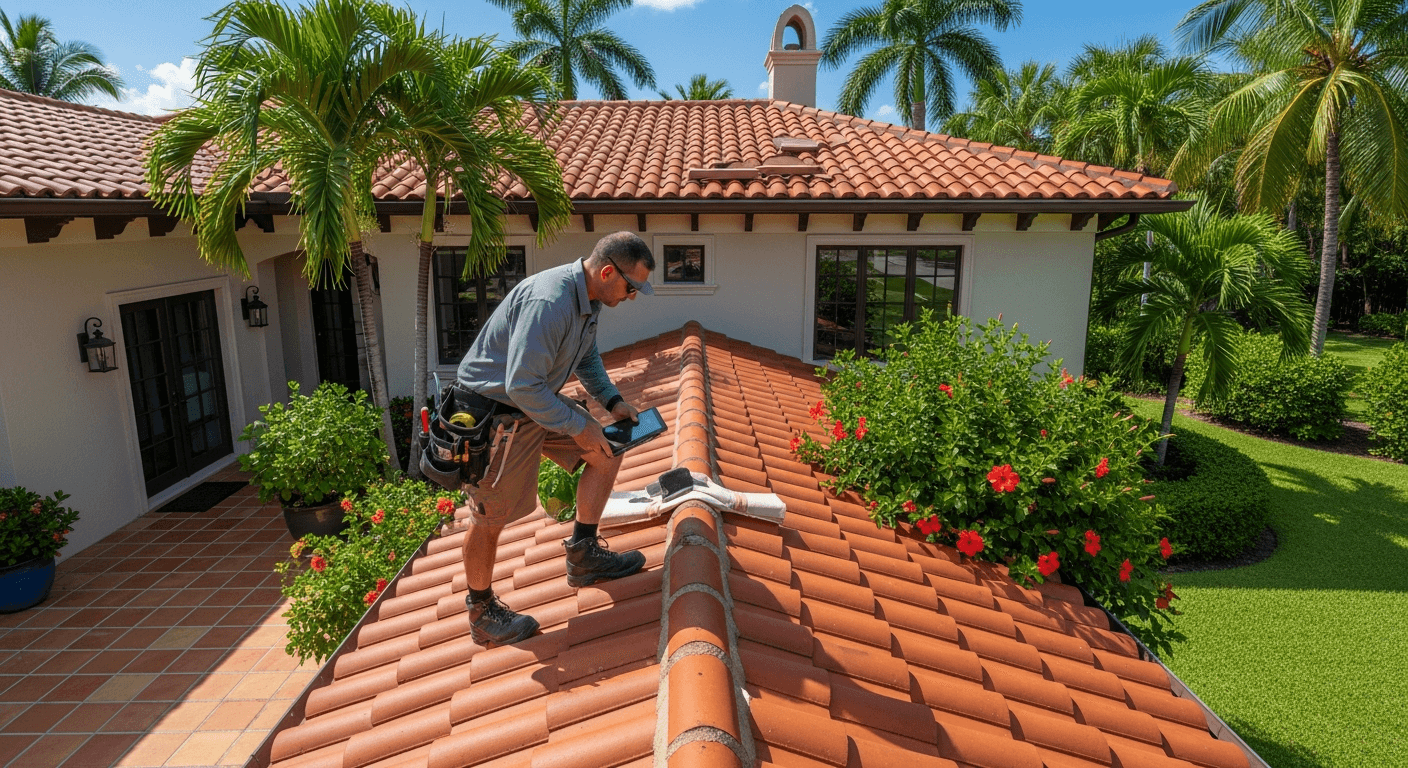
Annual Roof Maintenance Inspection in Miami: The Essential Guide to Protecting Your Home Year-Round
Discover why annual roof maintenance inspections are essential for Miami homeowners. Learn what inspectors check, the best time to schedule, DIY tips, and how prevention saves thousands in repair costs.
Read More