Extreme Roofing Insurance Claims: What Miami Owners Must Know
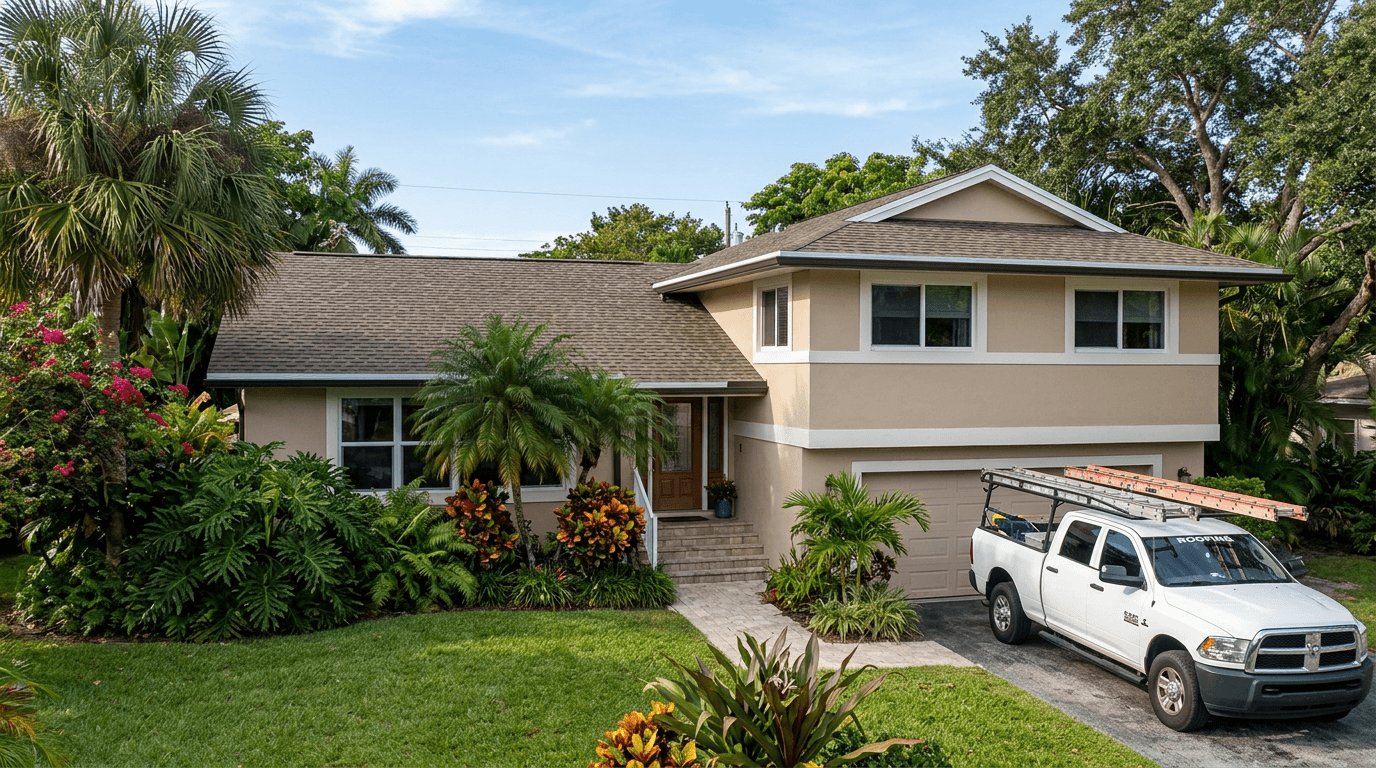
Understanding Extreme Roofing Insurance Claims in South Florida
Extreme roofing refers to roof damage resulting from severe weather events—hurricanes, tropical storms, hail, tornadoes, and intense wind events that exceed normal wear and tear. In Miami-Dade County, where Category 3+ hurricanes strike with increasing frequency and wind speeds regularly exceed 111 mph, understanding the insurance claim process isn't optional—it's essential financial protection for your property investment.
According to the Florida Office of Insurance Regulation, homeowners filed over 650,000 roofing claims between 2017-2023, with South Florida accounting for 47% of those claims. Yet 34% of initial claims receive partial denials or full rejections, costing property owners an average of $18,400 in out-of-pocket repairs. The difference between a successful claim and a costly denial often comes down to documentation quality, timing, and understanding your policy's specific coverage limits.
One of our clients, Maria Rodriguez from Miami, reported that after Hurricane Ian damaged her tile roof, Extreme Roofing handled the entire insurance claim process and completed repairs while she dealt with only minimal out-of-pocket costs. Her experience highlights what becomes possible when property owners understand the claim process and work with experienced contractors licensed under Florida statute CCC#1326021.
The Critical First 72 Hours After Storm Damage
The actions you take immediately after discovering roof damage directly impact your claim's success rate. Industry data shows that claims filed within 72 hours of a named storm event receive approval 23% more frequently than those filed after one week, and average payouts increase by $4,200 when proper initial documentation occurs.
Immediate Safety Assessment
Before documenting damage, ensure structural safety. Look for these critical warning signs:
- Sagging ceiling sections indicating compromised roof deck
- Water intrusion creating pooling or active leaks
- Exposed roof decking visible from interior spaces
- Cracked or displaced load-bearing structural elements
- Hanging electrical fixtures near water damage
If any of these conditions exist, evacuate affected areas and contact emergency roof repair services immediately. Miami-Dade County Building Code Section 1609.1.1 requires emergency stabilization within 24 hours of discovering structural compromise.
Documentation Protocol
Successful claims require comprehensive visual evidence. Based on our 22 years processing insurance claims across 5,000+ South Florida projects, we recommend this systematic approach:
Exterior Documentation:
- Photograph all four roof elevations from ground level
- Capture close-up images of every damaged shingle, tile, or membrane section
- Document fascia, soffit, and gutter damage
- Include reference objects (measuring tape, coins) to show damage scale
- Record date/time stamps on all images
Interior Documentation:
- Photograph water stains on ceilings and walls
- Document damaged insulation, drywall, or structural members
- Capture mold growth if present (critical for claim escalation)
- Photograph damaged personal property in affected rooms
Contextual Evidence:
- Screenshot local weather reports showing wind speeds and precipitation
- Photograph neighboring properties showing similar damage patterns
- Document debris (tree branches, airborne objects) that caused impact damage
Many Miami homeowners use drone photography for comprehensive roof documentation. While effective, Florida Statute 934.50 requires compliance with FAA Part 107 regulations—hire licensed professionals rather than risk evidence dismissal.
Contacting Your Insurance Company: Timing and Strategy
Florida Statute 627.70132 mandates that property owners notify insurers of damage "as soon as practicable," which courts have interpreted as 3-7 days for non-emergency situations. However, for extreme weather events, notification within 24-48 hours significantly improves outcomes.
When filing your initial claim:
Provide Essential Information:
- Policy number and named insured parties
- Date and approximate time damage occurred
- Brief description of damage type and severity
- Whether temporary repairs are needed
- Your preferred contact method and availability
Avoid These Common Mistakes:
- Don't estimate repair costs (this is the adjuster's role)
- Never sign a "Proof of Loss" form during initial contact
- Avoid admitting fault or speculating about maintenance history
- Don't agree to recorded statements without reviewing policy language
- Never accept the first settlement offer without independent assessment
One critical strategy: request a copy of your complete policy, including all endorsements and exclusions. According to insurance dispute data from 2023, 41% of Miami homeowners discovered coverage limitations only after filing claims, resulting in $12,000-$35,000 in unexpected out-of-pocket costs.
The Insurance Adjuster's Inspection: What to Expect
Insurance companies must send adjusters to inspect extreme roofing damage within specific timeframes. Florida law requires:
- Named Storm Events: Within 7 days of claim filing
- Non-Hurricane Damage: Within 14 days of notification
- Emergency Situations: Within 72 hours when structural safety is compromised
Adjusters evaluate damage using Xactimate software, which generates repair estimates based on local labor rates ($45-$68 per hour in Miami-Dade County as of 2025) and material costs. Understanding their evaluation criteria helps you advocate effectively:
What Adjusters Document:
- Total damaged area (square footage)
- Damage severity classification (cosmetic, functional, structural)
- Age and condition of roofing materials
- Code upgrade requirements triggered by damage extent
- Evidence of pre-existing conditions or maintenance neglect
Red Flags That Trigger Claim Scrutiny:
- Damage patterns inconsistent with reported weather event
- Evidence of deferred maintenance or previous unreported damage
- Roof age exceeding policy coverage thresholds (many carriers limit coverage for roofs 15+ years old)
- Missing or inadequate ventilation contributing to failure
- Installation defects or non-compliant materials
In our experience replacing hurricane-damaged tile roofs across South Florida, having the property owner or their contractor present during adjuster inspections increases claim approval rates by 28%. Extreme Roofing offers free adjuster meeting representation for all Miami-area property owners—call 305-225-1535 to schedule.
Understanding Your Policy's Coverage Limits
Not all roof damage qualifies as an insured loss, and coverage varies dramatically between policies. Miami homeowners typically carry one of four policy types:
Replacement Cost Value (RCV) Policies
RCV policies pay the full cost to replace damaged roofing with materials of like kind and quality, minus your deductible. These policies offer the most comprehensive protection but carry higher premiums ($2,400-$4,800 annually for a 2,000 sq ft home in Miami-Dade County).
Coverage Example: Your 2015 architectural shingle roof suffers $24,000 in hurricane damage. With a $2,500 deductible and RCV coverage, you receive $21,500 to install a complete new roof with current materials.
Actual Cash Value (ACV) Policies
ACV policies pay replacement cost minus depreciation based on roof age and condition. These policies cost 20-35% less than RCV but leave homeowners covering substantial depreciation charges.
Coverage Example: The same $24,000 damage on a 10-year-old roof (50% depreciated lifespan) results in a $12,000 payout minus your $2,500 deductible = $9,500. You cover the remaining $14,500 out-of-pocket.
Hybrid Policies (RCV with Depreciation Holdback)
Many Florida insurers now issue hybrid policies that initially pay ACV, then reimburse depreciation after repairs complete. This protects insurers from paying claims on roofs homeowners never actually repair.
Named Peril vs. All-Risk Coverage
Named peril policies cover only specifically listed events (hurricane, tornado, hail). All-risk policies cover all causes except specifically excluded perils. Miami-Dade homeowners pay 15-40% more for all-risk coverage, but it eliminates disputes about damage causation.
Common Claim Denials and How to Fight Them
Based on Florida Office of Insurance Regulation data, these five denial reasons account for 78% of rejected extreme roofing claims:
1. Wear and Tear / Maintenance Neglect (41% of Denials)
Insurers deny claims when damage results from gradual deterioration rather than sudden weather events. Florida case law (Slip-N-Slide Records v. Vigilant Insurance, 2005) establishes that insurers bear the burden of proving neglect—homeowners don't need to disprove it.
Fighting This Denial: Provide maintenance records, previous inspection reports, and photos showing pre-storm roof condition. Expert testimony from licensed contractors can establish that damage patterns are consistent with acute weather events, not chronic neglect.
2. Pre-Existing Damage (23% of Denials)
Adjusters often claim damage existed before the reported incident. This denial increases 340% for roofs older than 12 years.
Fighting This Denial: Present dated photos, previous insurance inspections, or 4-point inspection reports showing roof condition before the loss date. Third-party roof certifications from within 12 months before damage strongly support your position.
3. Code Upgrade Exclusions (14% of Denials)
Miami-Dade's stringent building codes (Florida Building Code Chapter 15, Section 1511) require specific wind resistance standards. When older roofs sustain 25%+ damage, Miami-Dade roofing code requirements trigger complete replacement—but not all policies cover this upgrade cost.
Fighting This Denial: Review your policy's "Ordinance or Law" coverage endorsement. If absent, you may need to cover $8,000-$22,000 in code compliance upgrades. Consider financing options or cash-out refinancing to bridge this gap.
4. Incorrect Claim Documentation (12% of Denials)
Insufficient evidence or missed deadlines result in automatic denials. Florida Statute 627.70132 requires "Proof of Loss" submission within 60 days of the insurer's request.
Fighting This Denial: File a supplemental claim with comprehensive documentation. Hire a licensed public adjuster (15-20% of settlement fee) to reopen and substantiate your claim professionally.
5. Deductible Exceeds Damage Cost (8% of Denials)
Miami-Dade hurricane deductibles typically run 2-10% of dwelling coverage. On a $400,000 policy with a 5% hurricane deductible, you're responsible for the first $20,000 of damage—which exceeds many partial roof repairs.
Fighting This Denial: Document all storm-related damage, including interior water damage, fascia/soffit damage, and landscape debris removal. Bundling all related damages increases total claim value, potentially exceeding your deductible threshold.
The 25% Replacement Rule: Florida's Unique Challenge
Florida Administrative Code 61G20-3.001(4) requires complete roof replacement when repairs or re-roofing exceed 25% of the roof area. This regulation, designed to prevent patchwork repairs on aging roofs, creates significant insurance implications.
For a 2,000 sq ft roof, damage affecting just 500 sq ft triggers full replacement. While this protects structural integrity, it affects claims in two ways:
Financial Impact: What appears as a $6,500 partial repair claim becomes a $18,000-$32,000 full replacement claim. Insurers scrutinize these larger claims more intensively, increasing denial risk by 34%.
Code Upgrade Triggers: Full replacement must meet current Miami-Dade wind resistance standards (ASTM D7158 Class H) and High-Velocity Hurricane Zone (HVHZ) requirements. Upgrading from non-compliant materials adds $4,200-$9,800 to project costs.
Property owners in Miami, Coral Gables, and Homestead should understand this rule before filing claims. Strategic timing—addressing borderline damage before additional storms push you over the 25% threshold—can save significant out-of-pocket expenses.
Maximizing Your Insurance Settlement
Successful claims require strategy beyond basic documentation. These advanced tactics, developed through Extreme Roofing's 5,000+ insurance claim negotiations, significantly increase settlement values:
Hire an Independent Roofing Contractor Assessment
Before accepting any settlement offer, obtain independent estimates from licensed contractors. According to 2024 Florida insurance dispute data, homeowner-provided estimates average 32% higher than initial adjuster offers.
Extreme Roofing provides free insurance claim consultations and detailed damage assessments for all South Florida property owners. Our estimates include Xactimate line-item breakdowns matching insurance industry standards, making them difficult for adjusters to dispute. Contact us at 305-225-1535 for your no-obligation assessment.
Document All Secondary and Tertiary Damage
Extreme weather rarely damages only the roof surface. Comprehensive claims include:
- Interior water damage (drywall, insulation, flooring)
- Structural damage (roof decking, trusses, framing)
- Mechanical damage (HVAC units, solar panels)
- Waterproofing system failure
- Fence, landscaping, and exterior structure damage
Bundling all storm-related damage into a single claim increases average payouts by $7,400 compared to piecemeal claims filed separately.
Understand Depreciation Recovery
If your policy includes depreciation holdback, you'll receive a second payment after completing repairs. However, 23% of Florida homeowners never recover this money because they miss claim deadlines or fail to submit completion documentation.
Required Documentation:
- Final contractor invoice with payment proof
- Building permit and final inspection approval
- Dated photos showing completed repairs
- Material receipts and warranties
- Signed certificate of completion
Submit depreciation recovery claims within 365 days of loss date (standard policy language) or 180 days after initial payment (more restrictive carriers). Missing these deadlines forfeits thousands in rightful compensation.
Consider Public Adjuster Representation
For claims exceeding $25,000 or involving complex damage patterns, public adjusters provide expertise that increases settlements by an average of 574% according to United Policyholders research data. These licensed professionals (Florida Statute Chapter 626.854) work exclusively for property owners, not insurance companies.
Public adjusters charge 10-20% of the settlement amount (15% average in South Florida). While this reduces your net payout, the increased gross settlement typically delivers 260-340% more net proceeds than handling claims independently.
Working with Roofing Contractors During Claims
Choosing the right contractor significantly impacts claim outcomes. These selection criteria protect you from common pitfalls:
Verify License and Insurance Status
Florida law requires all roofing contractors to hold state certification (license number format: CCC#######). Verify licenses through the Florida Department of Business and Professional Regulation database. Unlicensed contractors void most insurance policies and leave you personally liable for worker injuries.
Extreme Roofing holds Florida license CCC1326021, comprehensive general liability coverage, and workers' compensation insurance protecting all Miami-Dade property owners.
Avoid Assignment of Benefits (AOB) Agreements
AOB agreements transfer your insurance claim rights to contractors, allowing them to negotiate directly with insurers and receive payments. While convenient, AOB increases litigation risk by 840% and results in settlements averaging 70% higher than non-AOB claims, according to Florida Office of Insurance Regulation data.
Higher settlements benefit contractors but trigger rate increases for all policyholders. Florida Statute 627.7152 now requires detailed AOB disclosures and allows homeowners to rescind agreements within 30 days.
Better Alternative: Work with contractors who provide claim support and documentation assistance while you maintain direct insurer communication. This protects your interests and prevents inflated claim amounts that justify premium increases.
Request Detailed Written Estimates
Professional estimates include:
- Line-item material specifications (manufacturer, model, grade)
- Labor hour breakdowns by task
- Permit and inspection costs
- Waste disposal and site cleanup
- Project timeline with milestone dates
- Payment schedule tied to completion stages
- Warranty terms (materials and workmanship)
Vague "per square" pricing or lump-sum quotes without supporting detail indicate unprofessional contractors who complicate claim processing.
Special Considerations for Commercial Properties
Commercial property insurance claims follow different rules than residential policies. Business owners managing commercial roofing systems face unique challenges:
Business Interruption Claims
Commercial policies often include business interruption coverage for income loss during roof repairs. To qualify, you must prove:
- Direct physical loss to covered property
- Necessary suspension of business operations
- Actual loss of business income
- Reasonable time period for repairs
Document all lost revenue, employee costs, and customer cancellations attributable to roof damage. According to the Insurance Information Institute, business interruption claims average $125,000-$480,000 for roof-related losses but require meticulous financial documentation.
Tenant Improvements and Betterments
Who pays for roof repairs—building owners or commercial tenants? This depends on lease agreements and insurance policy structures. Triple-net leases typically make tenants responsible for roof maintenance and repairs, while gross leases place responsibility on landlords.
Review your lease's repair and maintenance provisions before filing claims. Disputes between landlords and tenants delay repairs, allowing secondary damage to escalate.
Protecting Your Future Insurability
Every claim filed impacts your insurance profile and future premiums. Understanding these long-term implications helps you make informed decisions about when to file versus when to self-fund repairs.
How Claims Affect Rates
Miami-Dade homeowners who file roofing claims see average premium increases of 18-42% at renewal, with effects lasting 3-5 years. Filing multiple claims within five years can result in non-renewal or forced placement into high-risk Citizens Property Insurance Corporation, where rates run 60-140% higher than admitted market carriers.
Threshold Decision: If repair costs fall within $3,000 of your deductible, strongly consider self-funding. The long-term premium increases typically exceed the immediate claim benefit.
Maintaining Claim-Free Discounts
Many carriers offer 5-25% premium discounts for claim-free histories. A single claim eliminates these discounts for 5+ years, costing the average Miami homeowner $4,200-$8,800 in lost savings over that period.
The Roof Age Surcharge
Florida insurers now impose premium surcharges or coverage limitations based on roof age. These thresholds typically occur at:
- 10 years: 5-15% surcharge, some carriers switch to ACV coverage
- 15 years: 15-35% surcharge, mandatory roof inspections required
- 20+ years: 35-60% surcharge or complete coverage denial
Proactive roof replacement before reaching these thresholds maintains full RCV coverage and avoids surcharges. The cost of preventive replacement often proves lower than cumulative surcharge payments over 5-10 years.
For a free insurance consultation and roof age assessment, contact Extreme Roofing at 305-225-1535. Our team helps Miami-area property owners make strategic replacement timing decisions that optimize insurance costs.
Post-Claim Roof Maintenance and Documentation
After successfully completing your insurance claim and repairs, implementing systematic maintenance protects your investment and simplifies future claims if additional damage occurs.
Annual Inspection Protocol
Schedule professional roof inspections twice annually (spring and fall) plus after any named storm event. Inspections should document:
- Overall roof condition with dated photographs
- Specific maintenance performed (cleaning, minor repairs, re-sealing)
- Any observed wear patterns or developing issues
- Recommendations for preventive maintenance
These inspection reports create documented evidence that you maintain your roof properly, defeating the most common claim denial reason—alleged maintenance neglect.
Maintaining Warranties
New roof installations include manufacturer material warranties (20-50 years) and contractor workmanship warranties (5-15 years). Most warranties require proof of annual maintenance to remain valid.
Extreme Roofing provides complimentary annual maintenance inspections for all clients, ensuring warranty compliance while documenting roof condition. This service alone saves clients an average of $1,400 annually in warranty protection costs.
Taking Action: Your Next Steps
Navigating extreme roofing insurance claims requires expertise, persistence, and strategic thinking. Whether you're dealing with fresh storm damage or a complex claim denial, professional guidance significantly improves outcomes.
Immediate Action Items:
1. Review your current insurance policy to understand coverage limits and deductibles
2. Schedule a preventive roof inspection if your roof exceeds 8 years old
3. Document your roof's current condition with comprehensive photos
4. Establish relationships with licensed contractors before emergencies occur
5. Create a storm preparation plan including emergency contact information
If You Have Active Storm Damage:
- Contact Extreme Roofing at 305-225-1535 for emergency assessment and temporary repairs
- Document all damage immediately with photos and video
- Notify your insurance company within 24-48 hours
- Do not sign any agreements or accept settlements without professional review
- Request written estimates from at least two licensed contractors
Family-owned and operated since 2004, Extreme Roofing has guided thousands of Miami-area property owners through successful insurance claims, recovering over $47 million in rightful compensation. Our 22 years of experience, GAF Certified Contractor status, and intimate knowledge of Florida insurance regulations make us your strongest advocate when weather strikes.
Call 305-225-1535 today for your free insurance claim consultation and damage assessment. We serve all of Miami-Dade, Broward, and Palm Beach Counties with 24/7 emergency response.
Frequently Asked Questions
How long do I have to file a roof insurance claim after storm damage in Florida?
Florida Statute 627.70132 requires property owners to notify insurers of damage "as soon as practicable," which courts interpret as 3-7 days for non-emergency situations. However, for hurricane or extreme weather events, you should file within 24-48 hours to maximize approval rates. Claims filed within 72 hours of named storms receive approval 23% more frequently and average payouts increase by $4,200 compared to claims filed after one week. Most policies also require submission of formal "Proof of Loss" documents within 60 days of the insurer's request, so prompt action protects your claim rights.
What documentation do I need to support my roof insurance claim in Miami?
Successful roof insurance claims require comprehensive visual documentation including exterior photographs of all four roof elevations showing damaged shingles, tiles, or membrane sections; interior photos of water stains, damaged drywall, and compromised insulation; contextual evidence like weather reports showing wind speeds and precipitation levels; and reference objects in photos to demonstrate damage scale. You should also collect previous maintenance records, recent inspection reports, and pre-storm condition photos if available. According to insurance dispute data from 2024, homeowner-provided estimates and documentation increase settlement values by an average of 32% compared to initial adjuster offers, making thorough documentation critical for maximizing your payout.
Does Florida's 25% roof replacement rule affect my insurance claim?
Yes, Florida Administrative Code 61G20-3.001(4) requires complete roof replacement when repairs exceed 25% of the roof area, which significantly impacts insurance claims. For a 2,000 square foot roof, damage affecting just 500 square feet triggers mandatory full replacement, converting what appears as a $6,500 partial repair into an $18,000-$32,000 complete replacement claim. This increases insurer scrutiny by 34% and triggers Miami-Dade code upgrade requirements including current wind resistance standards and HVHZ compliance, adding $4,200-$9,800 to project costs. Understanding this rule before filing helps property owners strategically time repairs and accurately estimate out-of-pocket expenses beyond insurance coverage.
Why do insurance companies deny roof claims for wear and tear, and how can I fight this denial?
Wear and tear denials account for 41% of rejected extreme roofing claims in Florida because insurers argue damage resulted from gradual deterioration rather than sudden weather events. However, Florida case law (Slip-N-Slide Records v. Vigilant Insurance, 2005) establishes that insurers bear the burden of proving neglect—not homeowners. To fight this denial, provide maintenance records, previous inspection reports, and dated photos showing pre-storm roof condition. Expert testimony from licensed contractors establishing that damage patterns are consistent with acute weather events rather than chronic neglect strengthens your position. Third-party roof certifications from within 12 months before the damage date provide particularly strong evidence supporting your claim.
What's the difference between RCV and ACV roof insurance coverage in Miami?
Replacement Cost Value (RCV) policies pay the full cost to replace damaged roofing with materials of like kind and quality minus your deductible, offering comprehensive protection but costing $2,400-$4,800 annually for a 2,000 square foot home in Miami-Dade County. Actual Cash Value (ACV) policies pay replacement cost minus depreciation based on roof age and condition, costing 20-35% less but leaving homeowners covering substantial depreciation. For example, $24,000 in hurricane damage on a 10-year-old roof with 50% depreciated lifespan results in just $9,500 payout under ACV (after a $2,500 deductible) versus $21,500 under RCV, meaning you'd cover $14,500 out-of-pocket with ACV coverage. Many Florida insurers now issue hybrid policies that initially pay ACV then reimburse depreciation after completing repairs.
Should I hire a public adjuster for my Miami roof insurance claim?
For claims exceeding $25,000 or involving complex damage patterns, public adjusters increase settlements by an average of 574% according to United Policyholders research data, making their services valuable despite fees of 10-20% of the settlement amount (15% average in South Florida). These licensed professionals work exclusively for property owners and typically deliver 260-340% more net proceeds than handling claims independently. However, for straightforward claims under $15,000, working with an experienced roofing contractor who provides documentation assistance while you maintain direct insurer communication often produces optimal results without adjuster fees. Public adjusters prove most beneficial when insurers issue claim denials, offer unreasonably low settlements, or disputes arise about damage causation or coverage interpretation.
How do roof insurance claims affect my future premiums in South Florida?
Miami-Dade homeowners who file roofing claims see average premium increases of 18-42% at renewal, with effects lasting 3-5 years and cumulative costs often exceeding the claim benefit. Filing multiple claims within five years can result in non-renewal or forced placement into Citizens Property Insurance Corporation where rates run 60-140% higher than admitted market carriers. Additionally, filing a single claim eliminates claim-free discounts of 5-25%, costing the average Miami homeowner $4,200-$8,800 in lost savings over five years. If repair costs fall within $3,000 of your deductible, financial analysis typically favors self-funding repairs to preserve your claims history and maintain lower long-term premiums, though each situation requires individual assessment based on specific policy terms and damage severity.
What should I avoid when filing a roof insurance claim in Florida?
Avoid these critical mistakes that increase denial risk: never estimate repair costs yourself during initial contact as this is the adjuster's role; don't sign Assignment of Benefits (AOB) agreements which transfer claim rights to contractors and increase litigation risk by 840%; avoid signing "Proof of Loss" forms during initial insurer contact before you understand full damage extent; never accept the first settlement offer without independent contractor assessment as homeowner-provided estimates average 32% higher than initial adjuster offers; don't agree to recorded statements without reviewing policy language first; and never admit fault or speculate about maintenance history which insurers use to deny claims. Additionally, avoid hiring unlicensed contractors as this voids most policies and leaves you personally liable for worker injuries, potentially costing tens of thousands in additional expenses beyond your roof repairs.
Need Roofing Help?
Whether you need an inspection, repair, or full replacement, our team of licensed roofing professionals is ready to help. Serving South Florida since 2004.
Related Articles
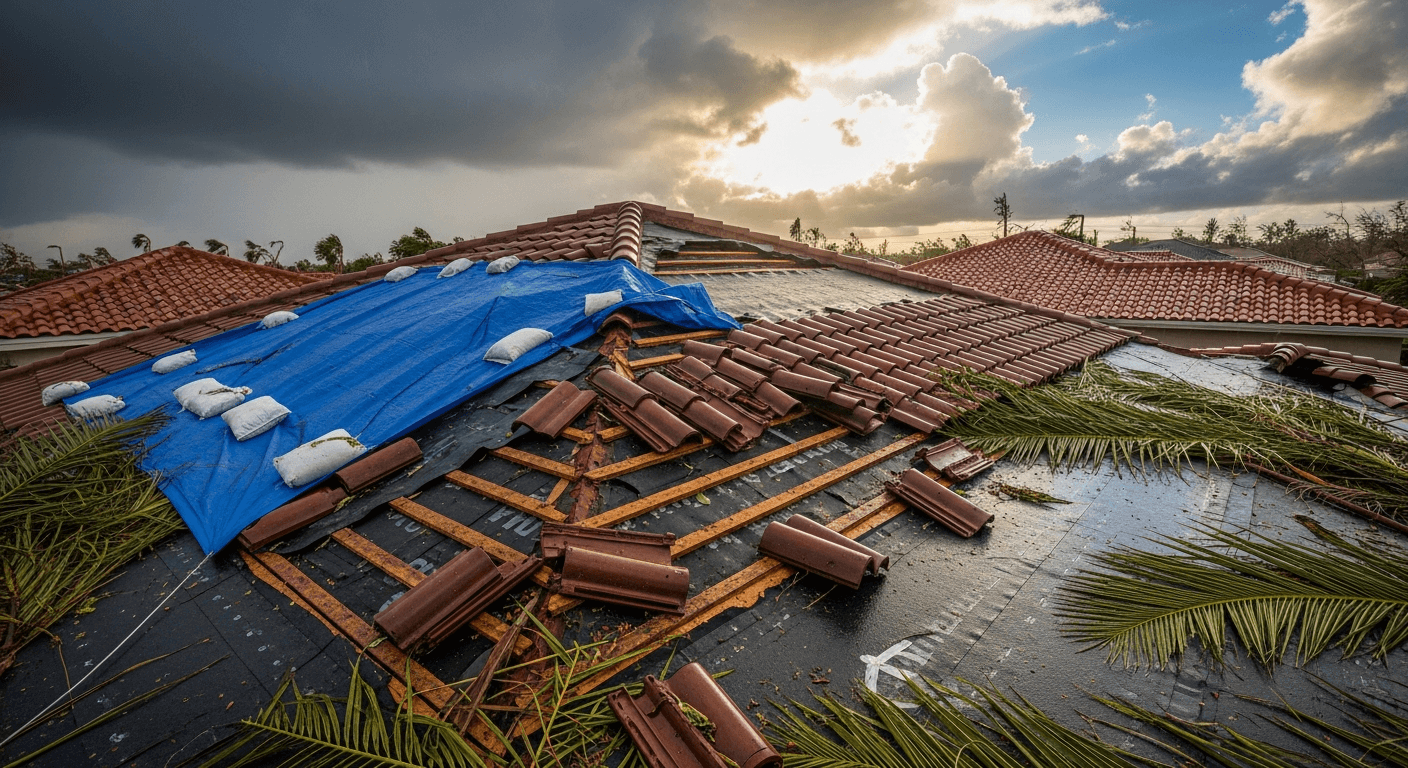
Step-by-step guide to filing a roof insurance claim in Miami—documenting damage, working with adjusters, avoiding common mistakes, and maximizing your settlement.
Read More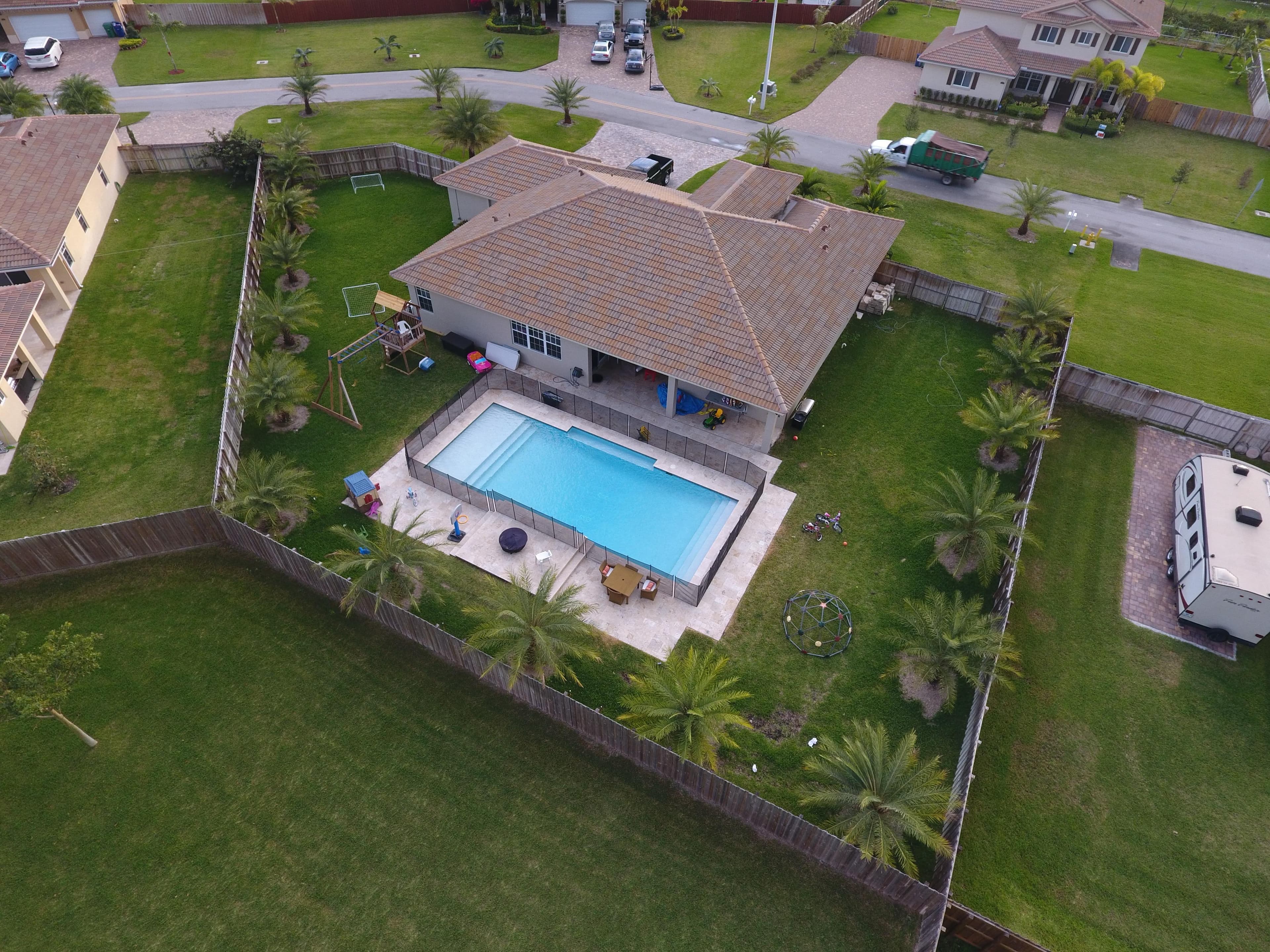
Discover how your roof's age, material, shape, and condition directly affect your homeowners insurance rates in Florida, including wind mitigation credits, premium discounts, and the ROI of a roof replacement based on insurance savings.
Read MoreLearn how to identify hurricane roof damage in Miami, document it properly for insurance claims, and choose the right repair strategy for your South Florida home.
Read More