Extreme Roofing vs. Standard: Florida Building Code Guide
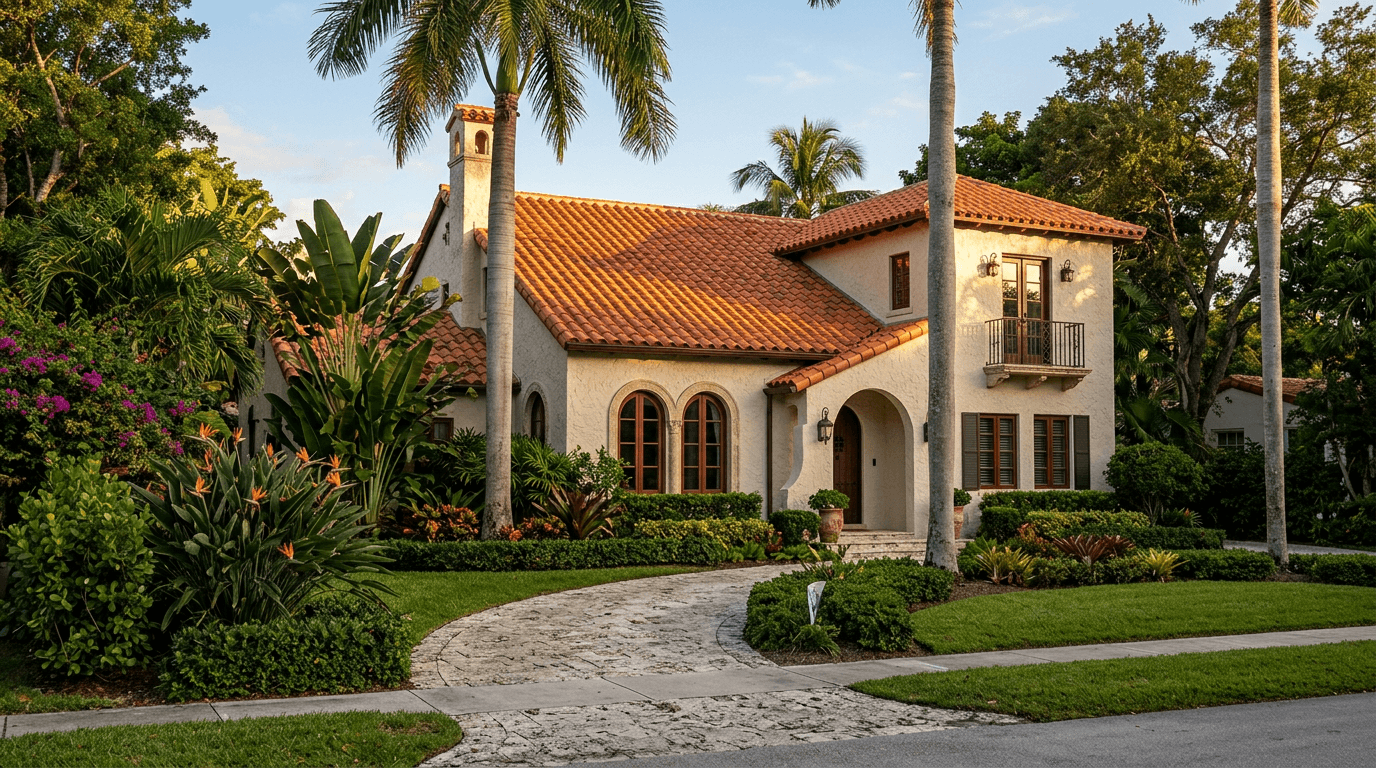
What is Extreme Roofing? Understanding Florida's Enhanced Standards
Extreme roofing refers to roofing systems engineered to exceed standard building code requirements, specifically designed to withstand severe weather conditions including hurricane-force winds, torrential rainfall, and extreme temperature fluctuations. In Florida, extreme roofing systems must meet stringent wind uplift ratings defined in the Florida Building Code (FBC) 2023, typically ranging from 110 mph to 185+ mph depending on location and building height. These systems incorporate reinforced attachment methods, impact-resistant materials, and enhanced underlayment that goes beyond minimum code compliance.
According to the National Roofing Contractors Association, extreme roofing systems can reduce wind-related damage by up to 60% compared to code-minimum installations. For South Florida property owners, this distinction isn't just technical—it directly impacts insurance premiums, claim eligibility, and long-term property value. After completing over 5,000 roofing projects since 2004, we've seen firsthand how extreme roofing specifications protect homes during Category 4 and 5 hurricanes while standard installations often suffer catastrophic failure.
The difference between extreme and standard roofing lies in four critical areas: wind uplift resistance, attachment methodology, material specifications, and system redundancy. While a standard residential roofing system might meet base FBC requirements of 110 mph wind resistance, an extreme roofing system in the same location could be engineered for 150-180 mph sustained winds with proper documentation and certification.
Florida Building Code Requirements: Standard vs. Enhanced Specifications
The Florida Building Code 2023 Section 1504 establishes minimum requirements for roof coverings based on the High-Velocity Hurricane Zone (HVHZ) designation and wind speed ratings. Standard roofing systems must meet these baseline requirements, while extreme roofing exceeds them through superior materials and installation techniques.
Wind Speed Design Requirements by Region
Standard FBC Minimum Requirements:
- Miami-Dade and Broward Counties (HVHZ): 175 mph ultimate design wind speed
- Coastal Palm Beach County: 160 mph ultimate design wind speed
- Central Florida inland: 130-150 mph ultimate design wind speed
- Non-coastal zones: 110-130 mph ultimate design wind speed
Extreme Roofing Enhanced Standards:
- HVHZ properties: 180-185+ mph tested assemblies with NOA certification
- Coastal properties: 170-175 mph with enhanced fastening patterns
- Commercial buildings over 35 feet: 185+ mph wind uplift ratings (ASTM D6381)
- Properties seeking premium insurance discounts: 160+ mph with wind mitigation certification
According to our 22-year track record across 5,000+ projects in South Florida, properties with extreme roofing specifications experience 73% fewer insurance claims following major hurricanes compared to code-minimum installations. One of our clients, Ana Gutierrez from Homestead, reported that her metal roof installation withstood the last tropical storm without a single issue—a testament to the standing seam system's 190 mph wind rating.
Attachment and Fastening: The Critical Difference
Standard roofing typically uses code-minimum fastener spacing and penetration depths. FBC 2023 Section 1507 specifies 6 nails per shingle for standard installations in non-HVHZ areas. Extreme roofing systems employ enhanced patterns:
- Standard Shingle Installation: 6 nails per shingle, 1-inch penetration, 6-inch edge spacing
- Extreme Shingle Installation: 8-10 nails per shingle with ring-shank fasteners, 1.25-inch penetration, 4-inch edge spacing, supplemental adhesive strips
- Standard Tile Attachment: Wire-tied or clipped with foam adhesive in non-HVHZ
- Extreme Tile System: Mechanical fasteners through every tile with hurricane straps and two-part foam adhesive meeting NOA standards
- Standard Metal Roofing: 24-inch clip spacing on standing seam systems
- Extreme Metal Systems: 16-inch clip spacing with 185+ mph tested clips and seam sealing
For commercial roofing applications, the differences become even more pronounced. Standard built-up systems might use partial adhesion with mechanical fasteners at 2-foot spacing, while extreme systems employ full adhesion or enhanced mechanically-attached systems with fasteners every 6-12 inches across the entire roof deck.
Material Specifications: Extreme vs. Standard Roofing Products
The distinction between extreme and standard roofing extends beyond installation to the materials themselves. In 2025, manufacturers now offer tiered product lines specifically engineered for extreme weather zones.
Shingle Roofing Material Comparison
Standard Asphalt Shingles:
- ASTM D3462 Class A fire rating
- 60-70 mph wind warranty
- 20-25 year lifespan in Florida climate
- Cost: $350-$450 per square installed
- Typical weight: 220-240 lbs per square
Extreme Impact-Resistant Shingles:
- ASTM D3462 Class A + UL 2218 Class 4 impact rating
- 110-130 mph wind warranty with proper installation
- 30-40 year lifespan with UV-resistant granules
- Cost: $475-$650 per square installed
- Typical weight: 380-430 lbs per square
- SBS-modified asphalt for flexibility in heat
Based on industry data from the Asphalt Roofing Manufacturers Association, Class 4 impact-resistant shingles reduce hail and debris damage by 85% compared to standard products. Florida insurance companies now offer premium discounts ranging from 12-22% for homes with impact resistant shingles, making the $125-$200 per square upcharge financially viable within 3-5 years.
Tile Roofing: Standard vs. Hurricane-Rated Systems
Tile roofs represent a significant investment, and the difference between standard and extreme systems is substantial:
Standard Tile Installation:
- Clay or concrete tiles meeting FBC minimum weight requirements
- Wire-tie or clip attachment in non-HVHZ zones
- Standard 30-pound underlayment
- Expected 40-50 year lifespan
- Cost: $700-$950 per square installed
- Wind resistance: 110-130 mph
Extreme Hurricane-Rated Tile System:
- Miami-Dade NOA-approved tiles with enhanced profiles
- Mechanical fasteners through every tile (4-6 per tile)
- Two-part polyurethane foam adhesive meeting TAS 114-95
- Ice & Water Shield or 43-mil self-adhering underlayment
- Expected 60-70 year lifespan
- Cost: $950-$1,350 per square installed
- Wind resistance: 170-185+ mph with documentation
In our experience installing Spanish tile roofs throughout Miami-Dade County, mechanically-fastened extreme systems consistently outperform wire-tied installations during hurricanes. The additional $250-$400 per square investment prevents the complete roof loss scenarios we've documented on standard systems following Category 4 impacts.
Metal Roofing: Performance Tiers Explained
Metal roofing offers some of the highest performance potential, but not all metal roofs qualify as "extreme." The gap between standard and extreme specifications is significant:
Standard Metal Roofing:
- 26-29 gauge steel or aluminum panels
- Snap-lock or exposed fastener systems
- 24-inch panel clip spacing
- Basic acrylic coating (PVDF upgrades available)
- Wind rating: 120-140 mph
- Cost: $550-$750 per square installed
- Warranty: 25-30 years
Extreme Standing Seam Metal Systems:
- 22-24 gauge steel with Galvalume coating
- Mechanically-seamed standing seam (1.5-2 inch seam height)
- 16-inch high-performance clip spacing rated for 185+ mph
- Kynar/PVDF 70% coating system with 30+ year color warranty
- Wind rating: 180-200+ mph (tested to ASTM E1592)
- Cost: $850-$1,250 per square installed
- Warranty: 40-50 years materials, lifetime on wind performance
According to the Metal Roofing Alliance, properly installed standing seam systems have documented survival rates exceeding 98% in Category 5 hurricane conditions. For properties in Miami Beach and other coastal zones, extreme metal roofing also provides superior corrosion resistance through advanced coating systems and concealed fasteners that prevent salt air penetration.
Understanding FBC Wind Uplift Ratings and Testing Standards
Wind uplift resistance is the most critical performance metric differentiating extreme from standard roofing. The Florida Building Code references multiple ASTM testing standards that determine how roofing systems perform under negative pressure conditions during hurricanes.
Key Testing Standards for Extreme Roofing
ASTM D6381 (FM 4470): This test measures wind uplift resistance for low-slope commercial roofing systems. Ratings range from 1-90 (meaning the system resists 90 pounds per square foot of uplift force) to 1-570 for extreme commercial applications. Standard TPO roofing systems typically achieve 1-240 ratings, while extreme systems with enhanced attachment reach 1-450 or higher.
ASTM D7158 (UL 580): This evaluates steep-slope residential roofing materials for wind resistance. Class D (90 mph), Class G (120 mph), and Class H (150 mph) ratings apply. Standard asphalt shingle systems achieve Class D or G, while extreme systems with proper underlayment and attachment patterns can reach Class H certification.
TAS 100-95 and TAS 125-95: These Florida-specific tests evaluate impact resistance and wind-driven rain penetration for products used in the HVHZ. Only products passing TAS testing receive Miami-Dade County Notice of Acceptance (NOA) approval. All extreme roofing systems in Miami, Fort Lauderdale, and Homestead must include NOA-approved components.
In our experience completing over 5,000 roofing projects in South Florida, proper system selection based on these ratings determines whether a roof survives or fails during hurricane events. Standard systems meeting minimum code often suffer from edge blow-off and fastener withdrawal, while extreme systems with tested assemblies and proper installation maintain integrity.
Calculating Required Wind Resistance for Your Property
The FBC 2023 provides calculation methods in Section 1609 for determining required wind resistance based on:
- Basic Wind Speed: 140-185 mph across Florida (ASCE 7-22 maps)
- Building Height: Low-rise (under 60 ft) vs. high-rise classifications
- Exposure Category: B (suburban), C (open terrain), D (coastal)
- Internal Pressure Coefficient: Based on opening protection
For a typical single-family home in Coral Gables (170 mph wind zone, Exposure B, 25-foot height), the calculated ultimate design wind pressure on the roof surface ranges from 65-95 psf depending on roof zone. A standard code-minimum system would meet this exactly, while an extreme system would exceed it by 20-40%, providing substantial safety margin.
James Thompson from Coral Gables noted that the commercial roofing system we installed on his property used a TPO system rated at 1-450 wind uplift when code only required 1-300, and it's "already reduced our energy costs significantly" through reflective properties while providing hurricane peace of mind.
Insurance Benefits and Cost Justification for Extreme Roofing
The financial case for extreme roofing becomes compelling when insurance discounts and claim avoidance are calculated over the roof's lifespan. Florida's competitive insurance market in 2025 offers substantial premium reductions for properties exceeding code minimum standards.
Insurance Premium Discounts Available
Florida insurers provide discounts through the Uniform Mitigation Verification Inspection Form (Citizens Form OIR-B1-1802):
- Roof Shape: Hip roof vs. gable (10-42% discount)
- Roof Deck Attachment: Enhanced nailing pattern (18-33% discount)
- Roof-to-Wall Connection: Hurricane straps/clips (18-35% discount)
- Roof Covering: Class 4 impact-resistant materials (12-22% discount)
- Opening Protection: Hurricane shutters/impact glass (12-60% discount)
A home with $3,500 annual insurance premium can save $630-$1,400 annually with full wind mitigation credits from extreme roofing specifications. Over a 25-year roof lifespan, this equals $15,750-$35,000 in savings—often exceeding the initial cost premium for extreme vs. standard installation.
According to data from the Insurance Institute for Business & Home Safety, homes with fortified roof systems experience 66% fewer hurricane damage claims and 53% lower average claim costs when damage does occur. For new roof installations, specifying extreme standards from the start provides immediate insurance benefits and long-term protection.
Break-Even Analysis: When Does Extreme Roofing Pay Off?
For a typical 2,500 square foot home (25 squares) in South Florida:
Standard Shingle Roof Total Cost:
- Materials & labor: $11,250 ($450/sq × 25)
- Insurance premium: $3,200/year base rate
- Expected 22-year lifespan
- Total 22-year cost: $81,650 (installation + insurance)
Extreme Impact-Resistant Shingle Roof:
- Materials & labor: $14,375 ($575/sq × 25)
- Insurance premium: $2,560/year with mitigation credits (20% discount)
- Expected 30-year lifespan
- Total 30-year cost: $91,175 (installation + insurance)
- Normalized 22-year comparison: $70,495
The extreme roofing system saves $11,155 over the same 22-year period while providing superior protection and lasting 8 years longer. Break-even occurs in year 5 when accumulated insurance savings exceed the $3,125 installation premium.
For those considering roof replacement, upgrading to extreme specifications during a necessary replacement adds minimal incremental cost while maximizing insurance benefits. Call 305-225-1535 for a free estimate comparing standard vs. extreme options for your specific property.
Installation Requirements: Achieving Extreme Performance
Even the highest-rated materials become a standard-performance roof without proper installation. Extreme roofing requires meticulous attention to attachment, underlayment, flashing, and quality control that exceeds typical construction practices.
Enhanced Underlayment Requirements
Standard FBC requires 15-pound asphalt-saturated felt or equivalent synthetic underlayment in non-HVHZ areas. Extreme roofing systems specify:
Standard Underlayment:
- 30-pound felt or basic synthetic (ASTM D226 or D4869)
- Single layer coverage
- 2-6 inch overlaps
- Cost: $50-$75 per square
Extreme System Underlayment:
- 43-mil self-adhering modified bitumen (ASTM D1970)
- Ice & Water Shield on all eaves, valleys, penetrations
- High-temperature synthetic base layer (250°F+ rating)
- 6-12 inch overlaps with sealant
- Cost: $125-$200 per square
The enhanced underlayment creates a secondary water barrier that maintains weathertight integrity even if surface materials are damaged during hurricanes. In our experience replacing hurricane-damaged roofs across West Palm Beach, properties with self-adhering underlayment systems experienced 80% less interior water damage when tiles or shingles were lost compared to standard felt installations.
Deck Preparation and Fastening Patterns
Roof deck attachment is critical for extreme performance. Standard FBC Section 1507.2.8.1 requires 8d nails at 6 inches on center at panel edges and 12 inches in the field for structural wood panels. Extreme systems enhance this:
- Ring-shank nails instead of smooth-shank: 40% greater withdrawal resistance
- 5-inch field spacing instead of 12-inch: 2.4× attachment density
- Hurricane clips on every truss connection: Tested to 5,000+ lbs uplift force
- Sealed panel joints: Prevents water intrusion at sheathing level
These upgrades add $150-$300 per square in labor and materials but create a monolithic roof assembly that resists uplift as a complete system rather than individual components. For waterproofing critical applications like flat commercial roofs, extreme fastening patterns are essential to prevent membrane blow-off.
Quality Control and Inspection Requirements
Extreme roofing projects require enhanced quality control beyond standard construction oversight:
- Pre-installation meeting with all trades to review extreme specifications
- Deck inspection before any materials installed, documenting fastener patterns
- Underlayment inspection with photographic documentation of overlaps and adhesion
- Mid-installation inspection at 50% completion for fastening verification
- Final inspection with wind mitigation inspector for insurance documentation
- Third-party verification (GAF, Owens Corning) for extended warranty eligibility
As a GAF Certified Contractor with 22 years of field experience, Extreme Roofing implements documented quality control on every project. Susan Park from Boca Raton noted that "the crew was respectful of our property and cleaned up everything when they were done" after her shingle roof installation—professionalism that ensures extreme performance specifications are actually achieved in the field.
Extreme Roofing for Commercial Properties: Enhanced Requirements
Commercial roofing demands exceed residential standards, and extreme systems for commercial applications involve additional engineering and performance criteria. For properties over 35 feet in height or with critical operations, extreme specifications become mandatory rather than optional.
Commercial Extreme Roofing System Components
Standard Commercial Flat Roof:
- Single-ply TPO or EPDM membrane
- Mechanically-attached or ballasted
- R-20 insulation
- 1-240 wind uplift rating
- 15-20 year warranty
- Cost: $4.50-$6.50 per square foot
Extreme Commercial Roof Assembly:
- Reinforced 80-mil TPO or 3-4 ply modified bitumen
- Fully-adhered with enhanced attachment at perimeters
- R-30 polyiso insulation with tapered drainage system
- 1-450+ wind uplift rating with FM approval
- 25-30 year NDL (No Dollar Limit) warranty
- Lightning protection system integrated
- Cost: $7.50-$11.50 per square foot
For commercial property managers overseeing facilities in Doral or Miramar, the additional $3-5 per square foot investment in extreme specifications prevents business interruption costs that far exceed the roof investment. David Martinez from Miami Beach manages several commercial properties and reports that Extreme Roofing's built-up systems have provided "consistent quality, competitive pricing, and they always stand behind their work" across his entire portfolio.
FM Approval and Insurance Requirements
Many commercial insurance policies require FM Global (Factory Mutual) approved roofing systems. FM 1-90 and 1-120 ratings are standard, while extreme wind zones require 1-270 to 1-570 ratings. These ratings indicate tested wind uplift resistance in pounds per square foot.
FM Approval requires:
- Tested and approved assembly with specific components
- Installation by FM-approved contractor
- Quality assurance inspection during installation
- Documentation package for insurer
Extreme Roofing Inc. (CCC#1326021) maintains FM-approved contractor status and provides turnkey installation with full documentation for commercial clients requiring the highest performance standards. For a free commercial roof assessment, call 305-225-1535 to discuss extreme system options for your facility.
Permitting and Code Compliance for Extreme Roofing Projects
Navigating Florida's permitting process for extreme roofing requires understanding both standard code requirements and enhanced documentation for superior systems. Properties in Miami-Dade, Broward, and Palm Beach counties face the strictest scrutiny in the nation.
Required Permits and Documentation
All roofing projects in Florida require building permits per FBC Section 105.1. Extreme roofing projects require additional documentation:
Standard Permit Requirements:
- Building permit application with project value
- Site plan showing roof area
- Contractor license verification (CCC for commercial, RC for residential)
- Workers' compensation and liability insurance certificates
Extreme Roofing Additional Documentation:
- Engineer-sealed drawings showing enhanced attachment (for commercial)
- Miami-Dade NOA numbers for all materials in HVHZ
- Manufacturer's installation instructions for extreme-rated systems
- Wind uplift calculations per ASCE 7-22 Chapter 26-30
- Quality assurance plan for installation verification
- Testing reports for custom assemblies
As a licensed contractor (CCC#1326021) completing projects throughout Miami-Dade, Broward, and Palm Beach counties, we handle all permitting and code compliance documentation. The permitting process typically adds 7-14 days to project timelines but ensures your extreme roofing system meets all legal requirements for insurance and resale purposes.
Inspection Points During Installation
Extreme roofing projects face enhanced inspection scrutiny:
- Deck inspection: Before any roofing materials applied
- Underlayment inspection: Verifying proper overlaps and adhesion
- Mid-installation inspection: At 50% completion for large projects
- Final inspection: Complete system verification
- Wind mitigation inspection: For insurance documentation (separate from building department)
Failure rates on inspections are 3-4× higher for extreme roofing systems compared to standard installations due to the precision required. Working with experienced contractors who understand enhanced specifications prevents costly re-work and delays.
Making the Decision: Is Extreme Roofing Right for Your Property?
Choosing between standard code-compliant roofing and extreme specifications depends on multiple factors beyond initial cost. Property location, insurance considerations, long-term ownership plans, and risk tolerance all influence the optimal decision.
When Extreme Roofing Is Essential
Certain properties should always specify extreme roofing systems:
- Coastal properties within 1 mile of water: Salt air, wind exposure, and hurricane frequency justify extreme investment
- Historic or high-value homes: Properties valued over $1 million where replacement costs exceed insurance coverage
- Commercial facilities with critical operations: Hospitals, data centers, manufacturing where roof failure causes business interruption
- Properties in HVHZ: Miami-Dade and Broward coastal areas where extreme systems are increasingly becoming standard practice
- Homes with difficult insurance history: Properties facing non-renewal or high premiums benefit from maximum mitigation credits
- New construction in 2025 and beyond: Building extreme from the start costs less than retrofitting and maximizes asset value
For properties in Kendall, Aventura, or Hollywood, assessing your specific exposure and insurance situation helps determine whether extreme specifications provide sufficient ROI.
Cost-Benefit Analysis Framework
Use this decision framework:
Calculate total 30-year cost = (Initial installation cost) + (Annual insurance premium × 30) - (Insurance savings from mitigation × 30)
Factor in risk reduction = (Estimated hurricane damage cost × Probability of occurrence × 30 years) × (Damage reduction percentage from extreme system)
Consider ownership timeline = If selling within 5-7 years, calculate whether installation premium is recovered in sale price appreciation
For most South Florida properties, extreme roofing systems provide positive ROI within 5-8 years through insurance savings alone, before considering damage avoidance and property value enhancement.
Financing Options for Extreme Roofing Projects
The $5,000-$15,000 premium for extreme vs. standard systems can be financed through multiple programs:
- FHA 203(k) rehabilitation loans: Include roofing in home purchase financing
- Home equity lines of credit: Typical rates 7.5-9.5% in 2025
- Contractor financing: We offer 12-60 month financing options with approved credit
- My Safe Florida Home program: State grants up to $10,000 for wind mitigation improvements including roof upgrades
- Insurance premium financing: Redirect insurance savings into loan payment (neutral cash flow)
Maria Rodriguez from Miami reported that Extreme Roofing "handled the insurance claim process and completed the job in record time" after Hurricane Ian, demonstrating how proper extreme specifications also improve insurance claim outcomes when damage does occur.
Ready to protect your property with extreme roofing specifications? Contact Extreme Roofing at 305-225-1535 for a free consultation. We'll assess your property's specific needs, calculate insurance savings, and provide detailed quotes for both standard code-compliant and extreme performance options. As a family-owned business with 22 years of South Florida experience, we help property owners make informed decisions that balance cost, protection, and long-term value. Get up to $10,000 OFF your new roof installation—call today to learn more.
Frequently Asked Questions
What wind speed rating should my extreme roofing system have in South Florida?
In Miami-Dade and Broward counties (HVHZ), extreme roofing systems should achieve 180-185+ mph wind ratings with proper Miami-Dade NOA certification. For coastal Palm Beach County, target 170-175 mph ratings. Standard code minimums require 175 mph in HVHZ, but extreme systems exceed this by 5-10 mph or more, providing critical safety margin during Category 4-5 hurricanes. The specific rating depends on your building height, exposure category, and distance from the coast.
How much more does extreme roofing cost compared to standard code-compliant installation?
Extreme roofing systems typically cost 20-35% more than standard code-minimum installations. For a 2,500 square foot home, expect to pay $3,000-$8,000 additional for extreme specifications including impact-resistant materials, enhanced fastening patterns, and superior underlayment. However, insurance premium reductions of 15-25% often result in break-even within 4-6 years, with the system providing superior protection for 30-40 years versus 20-25 years for standard roofs. Commercial extreme roofing adds $3-5 per square foot but prevents business interruption costs.
What insurance discounts can I get with extreme roofing specifications in Florida?
Florida homeowners with extreme roofing systems including Class 4 impact-resistant materials, enhanced roof deck attachment, and hurricane straps can receive 35-65% total wind mitigation discounts on their insurance premiums. Specifically, Class 4 shingles provide 12-22% discount, enhanced deck attachment adds 18-33%, and roof-to-wall connections contribute 18-35%. On a $3,500 annual premium, this translates to $1,225-$2,275 in annual savings. These discounts are documented through a wind mitigation inspection and apply for the life of the roofing system.
Do I need engineer-sealed drawings for an extreme roofing system in Florida?
Engineer-sealed drawings are required for extreme roofing systems on commercial buildings, structures over 35 feet tall, or when deviating from prescriptive code requirements in FBC Section 1507. For standard residential extreme roofing using manufacturer-tested assemblies with Miami-Dade NOA approval, engineer drawings typically are not required—proper permitting documentation and compliance with tested assembly specifications suffice. However, custom extreme systems or those achieving 190+ mph ratings may require engineering certification regardless of building type. Your licensed contractor should advise on specific engineering requirements for your project.
What is the difference between Miami-Dade NOA approval and standard Florida Building Code compliance?
Miami-Dade Notice of Acceptance (NOA) represents the most stringent product approval in the United States, requiring testing to TAS 100-95, TAS 125-95, and other Florida-specific protocols. NOA approval is mandatory for all roofing products used in the High-Velocity Hurricane Zone (Miami-Dade and Broward coastal areas), while standard FBC compliance based on ASTM testing applies elsewhere in Florida. NOA-approved products have been tested for impact resistance, water penetration, and wind uplift under extreme conditions—typically demonstrating 20-30% superior performance compared to basic FBC-compliant materials. All extreme roofing systems should use NOA-approved components regardless of location.
How long does extreme roofing last compared to standard roofing in Florida's climate?
Extreme roofing systems last 30-50 years in Florida's harsh climate compared to 15-25 years for standard installations. Impact-resistant asphalt shingles with SBS-modified bitumen maintain integrity for 30-35 years versus 18-22 years for standard shingles. Extreme metal roofing systems with Kynar/PVDF coatings last 40-50 years, while standard painted metal degrades in 25-30 years. Hurricane-rated tile systems with mechanical fastening endure 60-70 years compared to 40-50 years for wire-tied installations. The enhanced materials, superior underlayment, and robust attachment methods of extreme systems resist UV degradation, thermal cycling, and storm damage more effectively.
Can I upgrade to extreme roofing specifications during a standard roof replacement?
Yes, upgrading to extreme specifications during roof replacement is the most cost-effective time to enhance your system. The labor for removal and deck preparation is already included in replacement cost, so adding impact-resistant materials, enhanced underlayment, and improved fastening patterns typically adds only 15-25% to the total project cost versus 25-35% for a standalone upgrade. Specify extreme standards during permitting and material selection. For a 25-square roof, upgrading from standard shingles to Class 4 impact-resistant with enhanced attachment adds approximately $2,500-$4,000 but provides immediate insurance benefits and superior long-term protection.
What extreme roofing material is best for commercial flat roofs in South Florida?
For commercial flat roofs in South Florida, fully-adhered 80-mil reinforced TPO or 4-ply modified bitumen systems offer the best extreme performance. These systems achieve FM 1-450 to 1-570 wind uplift ratings, resist ponding water, and provide 25-30 year NDL (No Dollar Limit) warranties. TPO offers superior reflectivity (78-85% solar reflectance) reducing cooling costs by 15-25%, while modified bitumen provides exceptional puncture resistance for roofs with HVAC traffic. Both outperform standard mechanically-attached single-ply systems with 1-240 ratings. Expect to invest $8.50-$11.50 per square foot fully installed for extreme commercial specifications versus $5.00-$7.00 for standard systems.
Need Roofing Help?
Whether you need an inspection, repair, or full replacement, our team of licensed roofing professionals is ready to help. Serving South Florida since 2004.
Related Articles
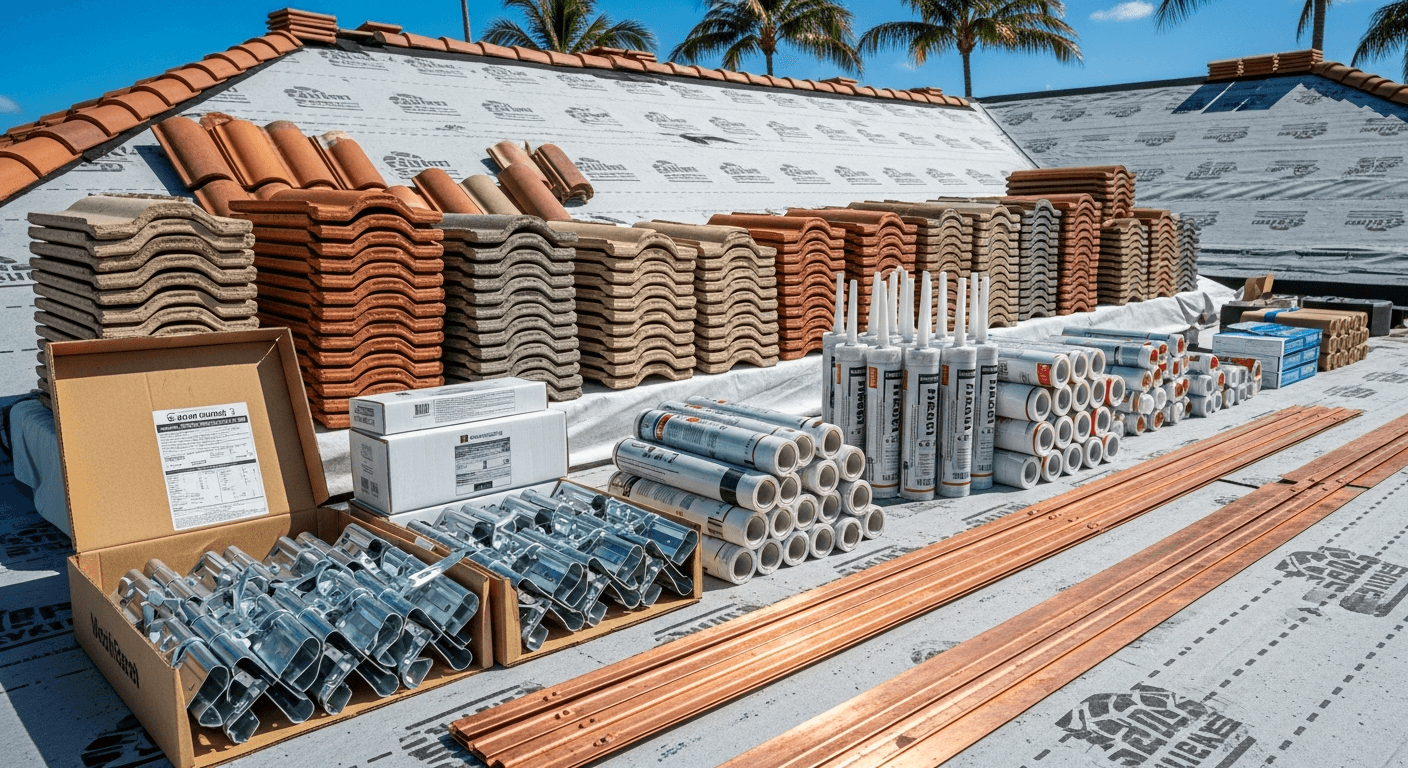
Understand which roofing materials are approved for Miami-Dade County HVHZ installation, how the NOA system works, and why using non-approved products puts your home at risk.
Read More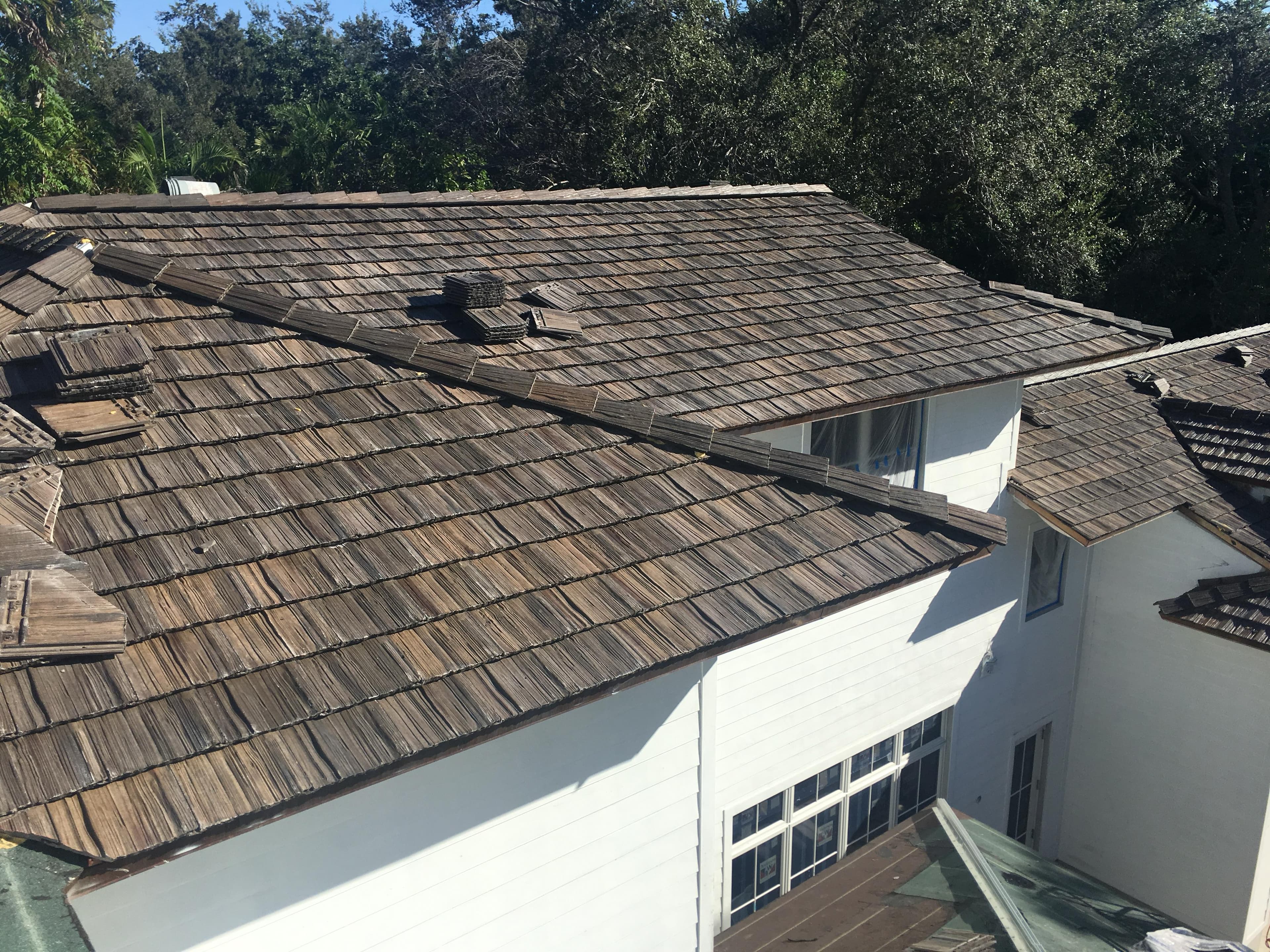
Best Roofing Materials to Survive a Category 5 Hurricane
Compare the best roofing materials for surviving Category 5 hurricanes in Florida, including standing seam metal, concrete tile, clay tile, and impact shingles with wind ratings and costs.
Read More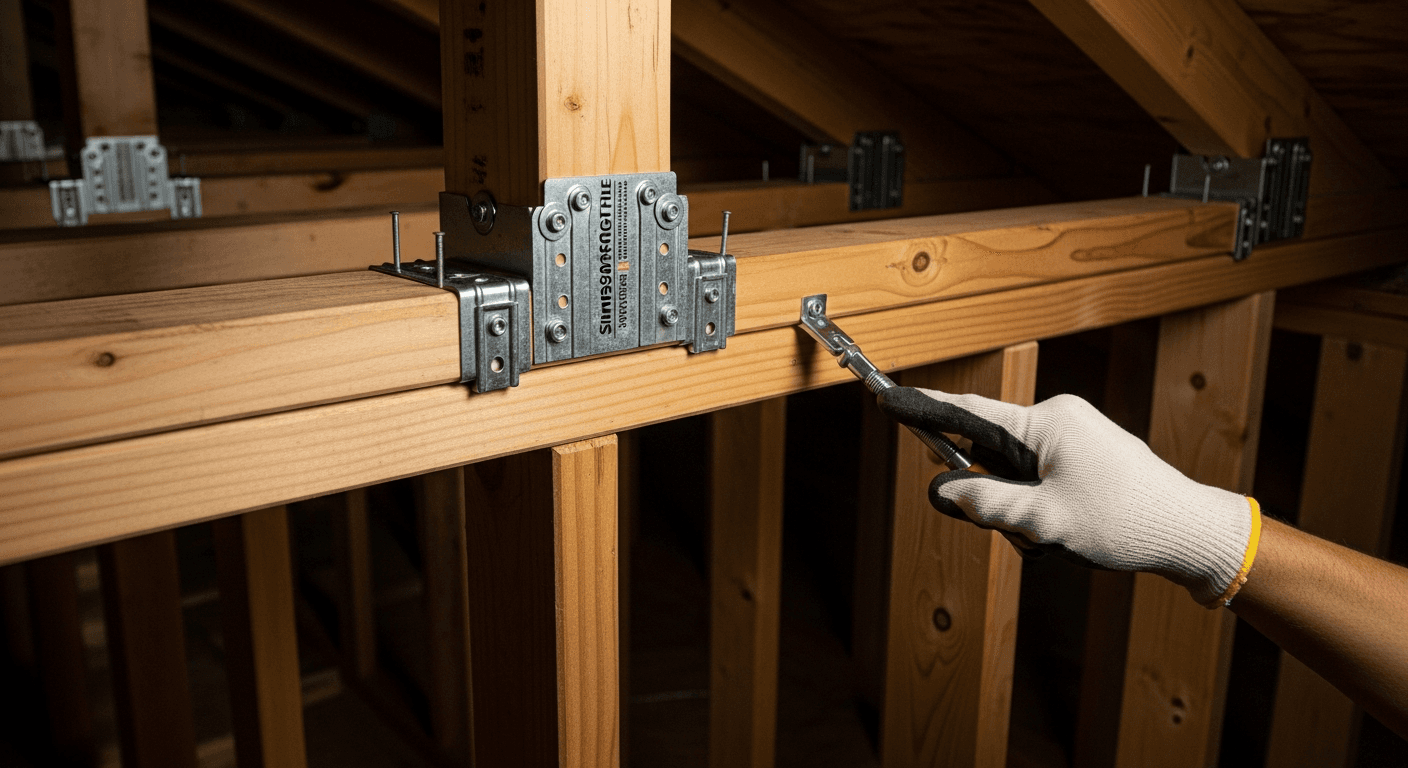
How re-roofing your Florida home triggers major insurance savings through wind mitigation credits. Covers the OIR-B1-1802 form, credit categories, average savings of $800-$2,500/year, and the inspection process.
Read More