Insurance Companies Are Using Drones and AI to Inspect Your Roof: What Florida Homeowners Should Know
The Aerial Drones That Could Get Your Miami Insurance Canceled
Right now, there's a good chance your Florida insurance company has photographed your roof from the sky within the last 90 days. I'm not being dramatic. Florida insurance carriers are deploying aerial imaging technology at a scale that most homeowners find shocking. Companies like Nearmap, EagleView, and Cape Analytics fly aircraft and operate satellites that photograph every residential roof in their coverage areas on a quarterly rotation. AI algorithms then analyze the images, flag perceived defects, and feed the results directly to the insurance carriers.
Thousands of Florida homeowners have received non-renewal letters in 2024 and 2025 because of these aerial inspections. Some of the homeowners had pristine roofs. Some had just passed county building inspections. A lot of them discovered that the AI algorithms misidentified shadows as damage, new tiles as deteriorated tiles, or seasonal debris as structural problems.
I've had dozens of Miami clients call me in the last 12 months because their insurance carrier sent a non-renewal notice based on an aerial inspection. Here's what's actually happening, what you can do to protect yourself, and how to fight back when your roof gets flagged by an algorithm that doesn't understand what it's looking at.
This guide explains exactly what is happening, how the technology works, what your rights are under current and upcoming Florida law, and most importantly, what you can do to protect your insurance coverage before an AI algorithm flags your roof.
What Is Happening: The Aerial Roof Surveillance Industry
Insurance companies have historically relied on two methods to evaluate roof condition: claims history and physical inspections by human adjusters or inspectors. Both methods require either a triggering event (a claim being filed) or a human being physically visiting the property, walking the roof, and forming a professional opinion. Both methods involve the homeowner being aware that their roof is being evaluated.
Aerial imaging technology has eliminated all three requirements. Insurers can now monitor every roof in their portfolio continuously, without a triggering event, without a human visit, and without the homeowner's knowledge or consent. This represents a fundamental shift in the insurer-homeowner relationship, and most homeowners are completely unaware it is happening.
The Companies Behind the Technology
Three companies dominate the aerial roof analysis market used by Florida property insurers:
- Nearmap: An Australian-headquartered company that operates a fleet of aircraft equipped with proprietary camera systems. Nearmap planes photograph residential areas across Florida at ultra-high resolution, with ground sample distances of approximately 2 to 3 inches per pixel. This means individual shingles, tiles, and even nail heads are visible in the imagery. Nearmap flights cover major metropolitan areas, including all of Miami-Dade, Broward, and Palm Beach counties, every 30 to 90 days, providing insurers with time-lapse imagery that shows changes to your roof over time
- EagleView: A U.S.-based company that combines aerial photography with AI-powered analytics to generate detailed property reports. EagleView's technology automatically measures roof dimensions, identifies material types, calculates roof pitch and area, and flags potential defects. Their Assess platform is specifically designed for insurance underwriting and claims evaluation. EagleView processes over 15 million properties annually across the United States
- Cape Analytics: Specializes in artificial intelligence analysis of satellite and aerial imagery specifically for insurance purposes. Cape Analytics processes images from multiple sources to rate roof condition on a scoring system (typically 1 to 100) that insurers use to make instant underwriting decisions. Their AI models claim to evaluate properties in seconds, allowing insurers to score millions of roofs without a single human review
These companies sell their data and analysis to nearly every major property insurance carrier operating in Florida. If you have homeowner's insurance, it is virtually certain that at least one of these companies has photographed and analyzed your roof.
How Often Your Roof Is Photographed
The frequency depends on your location and the specific imaging providers used by your insurer:
- Urban Miami-Dade and Broward: Every 60 to 90 days from aircraft, plus continuous satellite coverage from companies like Maxar (formerly DigitalGlobe) and Planet Labs
- Suburban South Florida (western suburbs, Homestead, Weston): Every 90 to 120 days from aircraft, plus quarterly satellite
- Rural Florida counties: Every 120 to 180 days from aircraft, quarterly from satellite
- Post-storm coverage: After any named tropical storm or hurricane, specialized aircraft and satellite tasking captures affected areas within 24 to 72 hours for rapid claims assessment
This means your roof is being photographed a minimum of 4 to 6 times per year in most South Florida locations, and up to 12 or more times per year in densely populated areas like Miami, Fort Lauderdale, Hollywood, and West Palm Beach. After a significant weather event, additional captures are virtually guaranteed.
How AI Roof Inspection Works: The Technical Process
The AI systems used by insurance companies analyze aerial images through a multi-step process that combines computer vision, deep learning neural networks, and actuarial risk modeling. Understanding this process helps homeowners recognize both the capabilities and the significant limitations of the technology.
Step 1: Image Capture and Processing
High-resolution aerial images are captured by aircraft or satellite and processed through photogrammetric software that corrects for camera angle, atmospheric distortion, and terrain variation. Each image is georeferenced, meaning it is precisely mapped to a specific geographic location using GPS coordinates and parcel boundary data from county property appraiser records. This allows the system to associate each roof image with a specific property address, policy number, and homeowner.
Step 2: Automated Feature Detection
AI algorithms identify and classify roof features, building a digital profile of your roof that includes:
- Roof material type: Shingle (3-tab, architectural, designer), concrete tile, clay tile, metal (standing seam, corrugated, stone-coated steel), flat/TPO/EPDM, slate, or wood shake
- Roof geometry: Hip, gable, flat, mansard, gambrel, or combination configurations, with percentage calculations for each type
- Roof age estimation: Based on material deterioration patterns that the AI compares against its training data of roofs at various stages of life
- Structural features: Identification and location of vents, skylights, chimneys, satellite dishes, solar panels, HVAC equipment, and other roof penetrations
- Roof dimensions: Calculated square footage, pitch estimates, and ridge/hip/valley measurements
Step 3: Defect Detection and Classification
This is the step that directly impacts homeowners. The AI scans the imagery for perceived defects, applying pattern recognition models trained on millions of images of damaged and undamaged roofs:
- Missing or displaced shingles/tiles: The AI identifies gaps in the expected roof covering pattern by comparing pixel colors and textures against the surrounding surface
- Ponding water: Dark areas on flat roofs that maintain consistent positioning across multiple image captures, indicating poor drainage
- Moss, algae, or biological growth: Green or dark discoloration patterns that the AI associates with organic growth based on shape, color, and distribution
- Tarp coverage: Detection of blue, gray, or other colored materials covering portions of the roof that differ from the primary roof covering
- Debris accumulation: Detection of irregular objects or material on the roof surface including leaves, branches, palm fronds, and construction materials
- Staining and discoloration: Dark streaks, rust marks, or color variation that may indicate water damage, metal oxidation, or material breakdown
- Sagging or structural deformation: Detection of irregular roof planes or areas where the surface deviates from the expected geometric profile
- Flashing failure: Gaps, displacement, or absence of flashing material around penetrations, valleys, and edges
Step 4: Condition Scoring
The AI combines all detected features and defects into a single condition score, typically expressed as a numerical value (1 to 100) or a letter grade (A through F). This score integrates material type, estimated age, detected defects, and geographic risk factors (including proximity to the coast, elevation, and local wind zone classification) into a single underwriting metric.
The scoring process is entirely automated. No human reviews the imagery. No human considers the context. No human calls the homeowner to ask about that dark patch on the northwest corner. The algorithm produces a number, and that number drives the underwriting decision.
Step 5: Automated Underwriting Action
Based on the condition score, the insurer's underwriting system may automatically trigger one of several actions:
- No action: Roof scores well (typically 70+ on a 100-point scale), policy continues normally without any change
- Flagged for review: Score falls in a borderline range (typically 50-70), a human underwriter may review the images before making a decision
- Inspection requirement: Insurer sends a letter requiring the homeowner to submit a professional inspection within 30-60 days to verify the AI findings
- Premium surcharge: Insurer increases the premium at renewal based on the perceived additional risk identified by the AI
- Coverage restriction: Insurer modifies the policy to exclude roof damage or limit roof coverage to actual cash value rather than replacement cost
- Non-renewal notice: Insurer declines to renew the policy at the next renewal date, requiring the homeowner to find alternative coverage within 120 days
What AI Gets Right vs. What AI Gets Wrong
Understanding the accuracy limitations of AI roof inspection is critical for every Florida homeowner, but especially for those who receive adverse underwriting decisions based on aerial analysis.
AI Detection Accuracy by Category
| AI Detection Category | Accuracy Rating | Common False Positives |
|---|---|---|
| Missing shingles/tiles | High (85-95%) | Shadows from dormers, chimneys, or trees mistaken for gaps in coverage; dark-colored shingles misread as missing |
| Tarp coverage | Very high (95%+) | Blue pool covers or pool blankets near roof line; blue-painted surfaces; blue patio furniture |
| Moss/algae growth | Moderate (70-85%) | Tree shadows; dark-colored roofing material photographed in shade; wet surfaces after rain; normal concrete tile mineral leaching |
| Roof age estimation | Low to moderate (50-70%) | New materials that photograph similarly to aged ones; recently cleaned or coated roofs scored as old; architectural variations misread as deterioration |
| Ponding water | Moderate (65-80%) | Shadows on flat roofs from parapets or HVAC units; dark-colored TPO or EPDM membrane sections; recently applied roof coating |
| Structural sagging | Low (40-60%) | Optical distortion from camera angle; intentional architectural features (cricket, dormer transitions); lens artifacts in imagery |
| Debris accumulation | Moderate (60-75%) | Seasonal leaf fall captured at the wrong time; decorative items or outdoor furniture; rooftop HVAC equipment; satellite dish shadows |
| Flashing failure | Low (35-55%) | Shadows at roof edges; normal color variation between materials; newly installed flashing with different coloring than existing roof |
Documented False Positive Scenarios in South Florida
These are real scenarios that have occurred in Florida, based on reported cases from homeowners, insurance agents, and contractors:
- A Coral Gables homeowner received a non-renewal notice citing "significant moss growth and deterioration" on a concrete tile roof that had been professionally pressure-washed and sealed three months prior. The AI misidentified residual mineral staining from the concrete tiles as biological growth. The dark streaking pattern that is completely normal on concrete tile roofs triggered a low condition score
- A Pembroke Pines homeowner was flagged for "missing shingles in multiple sections" that turned out to be shadows cast by a large mature oak tree at the specific time of day the aerial photo was captured. A follow-up photo taken four hours later at a different sun angle showed zero missing shingles and a uniform, intact roof surface
- A Miami Lakes homeowner with a brand-new standing seam metal roof installed just eight months earlier received a notice citing "advanced deterioration and surface failure." The AI compared the new metal roof's appearance to its training data of aged roofs and scored the highly reflective metal surface as anomalous because most roofs in its training dataset were darker-colored asphalt or tile
- A Homestead homeowner was flagged for "tarp coverage indicating unrepaired storm damage" when the AI misidentified a blue solar pool blanket visible near the roof line in the aerial imagery. The pool was directly adjacent to the house, and the blue material extended slightly beyond the pool edge
- A Doral homeowner received a "structural deformation" flag because the AI detected a change in the roof plane angle at the cricket (a small peaked structure used to divert water around a chimney). The cricket is a standard roofing feature required by building code, but the AI interpreted the angle change as structural sagging
These examples illustrate a fundamental and inherent limitation of AI-based inspection: the technology analyzes two-dimensional images without physical context, without understanding maintenance history, without knowing what materials are actually present, and without the judgment and expertise that a human inspector brings to an evaluation.
Your Rights Under Florida Law
Florida has enacted several laws and regulations that specifically address the intersection of insurance underwriting, roof condition requirements, and homeowner protections. Understanding these rights is essential if you receive any adverse action based on aerial inspection.
Key Legal Protections for Florida Homeowners
| Law or Statute | Protection Provided | Effective Date |
|---|---|---|
| HB 815 | Insurers cannot non-renew solely based on roof age if a licensed inspector certifies 5+ years remaining useful life | July 1, 2026 |
| Florida Statute 627.7011 | Homeowners have the right to obtain a second inspection by a licensed contractor and submit it to the insurer to challenge findings | Current law |
| SB 2-D (2022) | Preserved homeowner right to dispute coverage decisions through appraisal and mediation processes | December 2022 |
| Florida Statute 627.7015 | Insurers must provide minimum 120-day written notice for non-renewal, specifying the reason | Current law |
| SB 128 (pending) | Would require insurers to reimburse homeowners up to $300 for professional inspections obtained to challenge AI-based or aerial-based findings | Under legislative consideration |
| Florida Statute 627.701 | Wind mitigation discounts are mandatory. Insurers cannot deny discounts supported by a valid OIR-B1-1802 inspection form | Current law |
| Florida Statute 627.4137 | Homeowners may request mediation for any disputed insurance matter through the Department of Financial Services | Current law |
HB 815: The Most Important New Protection (Effective July 1, 2026)
HB 815 is a direct legislative response to the wave of AI-driven and age-based non-renewals that swept through Florida in 2023, 2024, and 2025. Tens of thousands of homeowners received non-renewal notices based on roof age alone, often determined through aerial imagery analysis, without any in-person inspection and without any opportunity to demonstrate that their roof was in good condition.
The law establishes the following clear protections:
- An insurer cannot refuse to write or renew a property insurance policy solely because of the age of the roof if a licensed building inspector, licensed general contractor, or licensed roofing contractor provides a written certification that the roof has at least five years of remaining useful life
- The inspection must be performed within the 12 months preceding the insurer's coverage decision to be valid
- The insurer must accept the inspection from any properly licensed professional. The insurer cannot require homeowners to use only inspectors selected or approved by the insurance company
- Violations carry penalties under the Florida Insurance Code, and homeowners can report violations to the Office of Insurance Regulation for investigation
- The law applies to both new policies and renewals, meaning insurers cannot use roof age as a barrier to writing new coverage either
This law fundamentally shifts the power dynamic. Before HB 815, insurers could use AI aerial imagery to estimate roof age, classify the roof as "end of life" based on an algorithm, and issue a non-renewal with limited recourse available to the homeowner. After July 1, 2026, homeowners can counter any age-based non-renewal with a professional inspection certifying remaining useful life, and the insurer must accept it.
Florida Statute 627.7011: Your Right to a Second Opinion
Even before HB 815 takes effect on July 1, Florida Statute 627.7011 gives homeowners the right to challenge insurer findings right now:
- Request the specific reason for any adverse underwriting action in writing
- Obtain a second inspection by a licensed contractor of your own choosing, at your expense
- Submit that inspection report to the insurer for formal reconsideration of their decision
- Request mediation through the Florida Department of Financial Services if the dispute is not resolved through direct communication with the insurer
This statute is your immediate tool if you receive a non-renewal or adverse action notice based on aerial inspection findings at any time, including before HB 815 takes effect.
How to Challenge an Insurance Non-Renewal Based on AI Inspection
If you receive a non-renewal notice citing roof condition issues identified through aerial imaging, here is a proven step-by-step process to challenge it effectively.
Steps to Challenge an AI-Based Non-Renewal
| Step | Action | Timeline | Details |
|---|---|---|---|
| 1 | Receive and review the non-renewal notice | Day 1 | Read the notice carefully. Identify every specific reason cited. Note the effective date of non-renewal (must be at least 120 days out per FL Statute 627.7015) |
| 2 | Request detailed findings from insurer in writing | Days 1-3 | Send a written request (email and certified letter) for the specific inspection findings, aerial photos, condition scores, and any reports the insurer relied upon. You have the legal right to see this documentation |
| 3 | Hire a licensed roofing contractor for a physical inspection | Days 3-7 | Schedule a professional roof inspection with a licensed CCC or CRC contractor. The inspection must specifically address every deficiency cited in the non-renewal notice |
| 4 | Complete the professional physical inspection | Days 7-14 | The contractor documents the actual roof condition with date-stamped photos, measurements, material identification, and a written professional assessment. If the AI findings are incorrect, the report should explicitly refute each finding with evidence |
| 5 | Submit the professional inspection to your insurer | Days 14-21 | Send the contractor's complete report to the insurer via certified mail with return receipt. Include a cover letter requesting formal reconsideration of the non-renewal decision based on the professional inspection evidence |
| 6 | Request mediation if the insurer does not reverse the decision | Days 21-35 | If the insurer does not rescind the non-renewal within 14 days of receiving your report, file a mediation request with the Florida Department of Financial Services |
| 7 | Shop alternative carriers simultaneously | Ongoing from Day 1 | Regardless of the challenge outcome, begin obtaining quotes from other carriers immediately. Present your professional inspection report to each carrier as evidence of roof condition |
| 8 | File a complaint with the OIR if warranted | If needed | If you believe the non-renewal violates Florida insurance law (particularly after HB 815 takes effect), file a formal complaint with the Office of Insurance Regulation |
What Your Professional Inspection Report Must Include
To effectively counter AI-based findings, your contractor's inspection report should be thorough, specific, and directly responsive to the insurer's cited reasons. The report should include:
- Date-stamped photographs of every area of the roof cited in the non-renewal notice, taken from multiple angles
- Close-up photographs of the actual materials showing their condition, including granule coverage, tile integrity, metal surface condition, and flashing details
- Comparison discussion explaining why the AI findings are incorrect, referencing specific visual evidence
- Written assessment of each deficiency cited by the insurer, with the contractor's professional opinion on whether the deficiency actually exists
- Remaining useful life estimate with the contractor's methodology and reasoning, expressed as a specific number of years
- Material identification confirming the actual roof material type, approximate age, and current condition
- Overall condition rating using industry-standard criteria
- Recommended maintenance schedule, if any, with a clear statement that any identified maintenance needs do not affect the roof's structural integrity or remaining useful life
- Contractor credentials: Copy of the CCC or CRC license, insurance certificates, and years of experience in South Florida
At Extreme Roofing Inc., we provide comprehensive inspection reports specifically designed to address insurance-related disputes. Our reports include all of the elements above plus detailed photographic documentation that directly responds to the types of findings generated by aerial AI systems. We have successfully helped dozens of homeowners reverse non-renewal decisions. Call 305-225-1535 to schedule an inspection.
The Cost of Being Proactive vs. The Cost of Inaction
Homeowners often ask whether it is worth investing in proactive maintenance and annual inspections or simply dealing with non-renewal notices as they arrive. The financial analysis strongly and unequivocally favors proactive action.
Cost Comparison: Proactive vs. Reactive Approaches
| Scenario | Annual Cost | Risk Level | Insurance Impact |
|---|---|---|---|
| Annual professional inspection + basic maintenance | $250-$500 | Low | Maintains coverage, creates documentation, identifies issues before AI does |
| No maintenance, no inspection, no documentation | $0 | Very high | Vulnerable to AI-flagged non-renewal, no evidence to challenge findings, no documentation trail |
| Respond to non-renewal after receiving notice | $350-$700 (emergency inspection + report) | Medium-high | May or may not reverse the non-renewal; creates a flag on your CLUE report; stressful and time-pressured |
| Forced to Citizens after private carrier non-renewal | $1,200-$3,000 per year (premium increase) | High | Citizens premiums are typically 20-40% higher than competitive private carriers; limited coverage options |
| Forced emergency roof replacement due to non-renewal | $12,000-$30,000 (unplanned) | Very high | Emergency replacement during peak demand costs 15-25% more than planned replacement; limited material and contractor choices |
A homeowner who invests $300 to $500 per year in proactive inspections and basic maintenance avoids the $1,200 to $30,000 in costs that can result from an AI-triggered non-renewal. Over a 10-year period, the proactive approach costs $3,000 to $5,000 total. A single non-renewal event can cost $5,000 to $30,000 or more. The return on preventive investment is extraordinary.
Proactive Protection Strategies: How to Stay Ahead of the Algorithms
The most effective approach to aerial AI roof surveillance is to make your roof look as good as possible from above, address any legitimate issues before they are photographed, and maintain documentation that proves your roof's condition regardless of what an algorithm thinks it sees.
Strategy 1: Annual Professional Roof Inspection
Schedule a licensed contractor inspection every year, ideally in the spring before hurricane season. This inspection serves three critical purposes:
- Identifies and addresses minor maintenance issues before they become visible from the air and trigger an AI flag
- Creates a documented record of your roof's condition over time, establishing a paper trail that counters any future AI-based claims
- Provides an immediate response document if you ever receive an adverse underwriting decision, eliminating the delay of scheduling an emergency inspection
A professional roof inspection from a licensed contractor costs $150 to $350 and takes approximately 1 to 2 hours. Compare this to the thousands of dollars a non-renewal can cost.
Strategy 2: Maintain a Clean Roof Surface Year-Round
The AI algorithms flag debris, biological growth, and discoloration as potential defects. Keeping your roof surface clean directly reduces the likelihood of a false positive flag:
- Trim overhanging branches that deposit leaves, sap, and create shadows that the AI may interpret as damage
- Clean gutters and valleys where debris accumulates and becomes visible as dark masses in aerial photos
- Treat algae and moss with zinc strips or professional cleaning before it becomes widespread. Dark streaking from algae is one of the most common false positive triggers in South Florida
- Remove any tarps, covers, or temporary materials from the roof surface. Even a small tarp left from a minor repair can trigger a "tarp coverage" flag indicating unrepaired storm damage
- Clear seasonal debris (palm fronds, fallen branches, leaves) promptly after storms and throughout the year
- Address biological growth on concrete and clay tile roofs through periodic pressure washing or chemical treatment. Normal mineral leaching on concrete tile creates dark streaks that AI frequently misidentifies as deterioration
Strategy 3: Keep Your Wind Mitigation Report Current
A current wind mitigation inspection report (OIR-B1-1802 form) documents the specific hurricane-resistant features of your roof and home. This report gives insurers positive, verified information about your roof that counterbalances any concerns generated by AI analysis. A homeowner with a current, favorable wind mitigation report is significantly less likely to face adverse action than a homeowner with no documentation on file.
Update your wind mitigation report every five years or whenever you make roof improvements. The cost is $75 to $150, a trivial amount compared to the protection it provides.
Learn more about how your roof affects your insurance rates and the specific features that earn the highest discounts.
Strategy 4: Document Your Own Roof Condition Regularly
Take your own photographs of your roof from ground level, from elevated positions (second-story windows, ladder at the eave), and from any safely accessible vantage points every six months, at minimum. Date-stamp these photos (your smartphone does this automatically) and organize them in a dedicated folder on your phone or computer.
If an insurer ever claims your roof deteriorated between two aerial photo dates, or if the AI flags a condition that did not exist when you last inspected, your own photographic record provides independent evidence that supports your position. This personal documentation costs nothing and takes 15 minutes twice a year.
Strategy 5: Address Minor Issues Immediately
A single missing shingle that you ignore for two months can appear in an aerial photo taken during that window and trigger a condition flag. The AI does not know that the shingle blew off yesterday and you have a contractor scheduled for next week. It sees a gap in the roof covering and records a defect. Address minor issues as soon as you notice them:
- Replace missing or cracked shingles or tiles within days, not weeks
- Repair damaged or displaced flashing immediately, especially around chimney bases, vents, and wall-to-roof transitions
- Re-secure any lifted or displaced roofing material before the next aerial photograph captures it
- Fix gutter damage that could cause visible water pooling or debris accumulation near the roof line
Strategy 6: Understand Your Photo Schedule
While the exact photography schedule for your area is not publicly disclosed, you can make reasonable assumptions. In Miami-Dade and Broward, your roof is likely being photographed every 60 to 90 days. Schedule your maintenance and cleanup activities on a quarterly cycle to ensure your roof looks its best at all times, not just before your insurance renewal date.
What a Professional Human Inspection Covers vs. What AI Sees
The gap between a human professional inspection and an AI aerial analysis is significant, and it almost always works in the homeowner's favor. Understanding this gap is essential for challenging AI-based findings.
Human Professional Inspection Advantages
- Physical access and tactile evaluation: Human inspectors walk the roof surface, examine materials by touch, lift shingles to check underlayment condition, and enter the attic to inspect the roof deck attachment, truss condition, and ventilation from the underside
- Context and professional judgment: A human inspector understands that dark staining on a concrete tile roof is normal mineral leaching and not deterioration. The inspector knows that a shadow from a chimney is not a missing shingle. AI lacks this contextual understanding
- Structural assessment: Human inspectors evaluate truss condition, ventilation adequacy, load-bearing capacity, and signs of wood rot or termite damage, none of which is visible from the air at any resolution
- Material identification and verification: Human inspectors verify actual material type, manufacturer, approximate age based on physical examination, and specific product specifications. AI estimates these from visual patterns and is frequently wrong, especially for newer or less common materials
- Maintenance vs. failure distinction: A human inspector can distinguish between a roof that needs routine maintenance (cleaning, minor repairs) and a roof that is structurally failing. AI treats both conditions as "defective" because it cannot evaluate severity or urgency
- Historical context: A human inspector can review prior inspection reports, maintenance records, and homeowner information to place current conditions in context. AI evaluates a single image in isolation
AI Aerial Analysis Fundamental Limitations
- Two-dimensional assessment only: Aerial images provide surface appearance information. No depth, no structural information, no material verification, no attic inspection
- Lighting and weather dependence: The same roof can score very differently depending on sun angle, cloud cover, atmospheric haze, and time of day. A roof photographed at noon on a clear day looks substantially different from the same roof at 8 AM or on an overcast day
- Training data bias: AI models are trained on datasets that may not accurately represent the specific roofing materials, colors, architectural styles, and environmental conditions common in South Florida. A model trained primarily on asphalt shingle roofs in the Midwest will produce unreliable results on South Florida concrete tile and metal roofs
- No maintenance history: AI cannot know that you pressure-washed your roof last month, replaced three tiles last week, or had a professional inspection yesterday that rated the roof as excellent. It evaluates a single photograph without any contextual information
- Temporal snapshot problem: A single image captured the day after a storm, with palm fronds on the roof and water pooling in gutters, does not represent the roof's typical or normal condition. But the AI scores what it sees in that moment
- Resolution limits for detail work: While 2-3 inch resolution sounds precise, it is insufficient to evaluate flashing condition, sealant integrity, fastener condition, or the subtle differences between new and aged materials of similar color
What to Do If You Receive a Non-Renewal Notice Tomorrow
If a non-renewal letter arrives in your mailbox, do not panic. You have rights, you have time, and you have options. Here is your immediate action plan organized by urgency.
First 48 Hours
- Read the notice carefully: Identify every specific reason cited and note the effective date of non-renewal. Florida law requires a minimum of 120 days notice (FL Statute 627.7015), so you have time to respond
- Do not panic or make hasty decisions: Non-renewal is not cancellation. Your current policy remains in effect until the stated effective date. You have adequate time to challenge the decision or find alternative coverage
- Photograph your entire roof: Take comprehensive photos from every ground-level angle, close-ups of any areas the notice may reference, and photos from elevated vantage points if safely accessible. Date-stamp everything
- Call a licensed roofing contractor: Schedule a professional inspection as soon as possible. At Extreme Roofing Inc., we offer priority scheduling for homeowners facing non-renewal situations. Call 305-225-1535
First Two Weeks
- Complete the professional physical inspection: Obtain a comprehensive written report that directly addresses each finding cited by the insurer, with photographic evidence and professional assessment
- Submit the inspection to your insurer: Send via certified mail with return receipt requested, keeping copies of everything. Include a formal cover letter requesting reconsideration
- Begin shopping alternative carriers: Contact at least three to five other insurance companies and present your professional inspection report along with your wind mitigation report. The 17 new carriers in the Florida market since 2022 mean you have more options than at any point in the past decade
- Contact your insurance agent: If you have an independent insurance agent, they may have established relationships with carriers, knowledge of alternative markets, and the ability to advocate on your behalf
First Month
- Follow up with your insurer: If you have not received a response to your inspection submission within 14 days, contact the underwriting department directly by phone and in writing
- Request mediation if the insurer has not reversed the decision: File with the Florida Department of Financial Services online or by phone. Mediation is free and often effective
- Secure replacement coverage before your policy expires: Even if your challenge is ultimately successful, having a backup policy quote ensures you never experience a coverage gap. Lenders require continuous coverage, and any gap can trigger expensive force-placed insurance
- Consider filing an OIR complaint: If you believe the non-renewal is based on inaccurate AI findings, is unjust, or (after July 1, 2026) violates HB 815, the Office of Insurance Regulation investigates carrier practices and can take enforcement action
The Bigger Picture: Where This Technology Is Heading
Aerial AI roof inspection is not going away. The technology is improving, the datasets are growing, the cost per property is declining, and insurers are investing heavily in automation. Understanding the trajectory helps homeowners prepare for the next five to ten years:
- Resolution is increasing: Newer imaging systems capture detail at sub-inch resolution, making it possible to identify individual fastener heads, small cracks, and subtle surface changes that current systems miss. Higher resolution means fewer false negatives but potentially more false positives as the AI detects more features to evaluate
- Frequency is increasing: Quarterly photography is moving toward monthly or continuous monitoring through satellite constellations (Planet Labs operates over 200 satellites that image every point on Earth daily). Real-time roof monitoring is technologically feasible today and will become commercially standard within 3 to 5 years
- AI accuracy is gradually improving: As training datasets grow and models are refined, false positive rates are declining. However, they remain significant, particularly for the more subjective categories like age estimation and structural assessment. Perfect accuracy is not achievable because many conditions simply cannot be assessed from aerial imagery alone
- Integration is deepening: Some carriers are beginning to link AI roof condition scores directly to fully automated underwriting systems, completely removing human review from the coverage decision process. A computer photographs your roof, another computer analyzes the photo, and a third computer decides whether to renew your policy
- Legislation is expanding: Florida and several other states (Texas, Louisiana, California, Colorado) are introducing laws to regulate how insurers use AI-generated property data, including disclosure requirements, mandatory appeal processes, accuracy standards, and homeowner notification requirements. This is an evolving legal landscape
The homeowner who invests in proactive maintenance, keeps documentation current, maintains a professional relationship with a licensed roofing contractor, and stays informed about their rights is best positioned to navigate this rapidly evolving landscape.
Taking Control: Your Roof, Your Coverage, Your Decision
The shift to AI-powered aerial roof inspection has fundamentally and permanently changed the relationship between Florida homeowners and their insurance companies. Where coverage decisions were once based on claims history, personal relationships with agents, and occasional physical inspections, they are now increasingly driven by algorithms analyzing photographs taken from aircraft flying 15,000 feet above your home.
This shift creates both risk and opportunity. The risk is clear: homeowners who neglect maintenance, ignore minor repairs, allow debris to accumulate, or fail to maintain documentation are more likely to be flagged by AI and face non-renewal. The cost of inaction is measured in thousands of dollars of higher premiums, forced coverage changes, and emergency roof replacements.
The opportunity is equally clear: homeowners who maintain their roofs proactively, get annual inspections, keep their wind mitigation reports current, and respond promptly to any adverse findings are in a stronger position than ever before. The 2026 legislative protections (especially HB 815), the availability of 17 new competing carriers, the insurance rate decreases, and the My Safe Florida Home grant program all work in favor of the informed, prepared homeowner.
You cannot prevent the aircraft from flying over your home. You cannot stop the AI from analyzing the images it captures. But you absolutely can ensure that when the algorithm evaluates your roof, it sees a clean, well-maintained, properly documented property that no insurer has any legitimate reason to non-renew. And if the AI gets it wrong despite your best efforts, you now know exactly how to fight back.
Do not wait for the drone to find something. Get a professional inspection first. Call 305-225-1535 or [schedule your free roof consultation online](/free-estimate).
Frequently Asked Questions
Can my insurance company use drone photos to cancel my policy in Florida?
Insurance companies in Florida can use aerial imagery, including drone, airplane, and satellite photographs, as part of their underwriting evaluation. However, they cannot cancel a policy mid-term solely based on aerial photos without following proper legal procedures. They can issue a non-renewal at the end of your policy term with a minimum of 120 days written notice as required by Florida Statute 627.7015. Starting July 1, 2026, HB 815 prohibits insurers from non-renewing solely based on roof age if a licensed inspector certifies the roof has at least five years of remaining useful life. You always have the right under Florida Statute 627.7011 to challenge their findings with a professional physical inspection from a licensed contractor.
How often do insurance companies photograph my roof?
In urban South Florida areas like Miami-Dade and Broward counties, insurance companies receive aerial imagery of your roof every 60 to 90 days from aircraft operated by companies like Nearmap and EagleView, plus continuous satellite coverage from providers like Maxar and Planet Labs. This means your roof is being photographed a minimum of 4 to 6 times per year, and up to 12 or more times per year in densely populated areas. After named storms, additional rapid-capture flights photograph affected areas within 24 to 72 hours. The homeowner is not notified when these photos are taken.
What does AI look for when inspecting my roof?
AI roof inspection algorithms analyze aerial images for eight primary categories: missing or displaced shingles and tiles, tarp coverage indicating unrepaired damage, moss, algae, or biological growth, debris accumulation, ponding water on flat roofs, staining and discoloration patterns, structural sagging or deformation, and flashing failures around roof penetrations. The AI assigns a numerical condition score (typically 1-100) based on these factors combined with estimated roof age and material type. Accuracy varies significantly: tarp detection exceeds 95% accuracy, while structural sagging detection is only 40-60% accurate, and roof age estimation is only 50-70% accurate. False positives are common, particularly involving shadows, new materials, and seasonal debris.
How do I challenge an insurance non-renewal based on aerial inspection?
To challenge an AI-based non-renewal: first, request the specific findings and documentation the insurer relied upon in writing. Second, hire a licensed roofing contractor (CCC or CRC license) to perform a thorough physical inspection that specifically addresses every deficiency cited in the non-renewal notice with date-stamped photos and professional assessment. Third, submit the contractor's complete report to your insurer via certified mail requesting formal reconsideration. Fourth, if the insurer does not reverse the decision within 14 days, file a mediation request with the Florida Department of Financial Services. Fifth, simultaneously shop alternative carriers presenting your professional inspection report. Sixth, if you believe the non-renewal violates Florida law, file a complaint with the Office of Insurance Regulation.
Is it worth getting a professional roof inspection before my insurance renewal?
Absolutely. A professional roof inspection costing $150 to $350 is one of the best investments in homeownership. It identifies minor issues you can fix before they appear in aerial photos and trigger AI flags, creates documented evidence of your roof's actual condition that can counter any algorithm-generated findings, provides an immediate response document if you receive any adverse underwriting decision, and may reveal wind mitigation features you are not currently receiving insurance credit for. Given that a non-renewal can force you onto Citizens at premiums 20-40% higher than competitive private carriers, or require an emergency roof replacement costing $12,000-$30,000, the $150-$350 inspection cost is extraordinarily good insurance for your insurance.
Need Roofing Help?
Whether you need an inspection, repair, or full replacement, our team of licensed roofing professionals is ready to help. Serving South Florida since 2004.
Related Articles
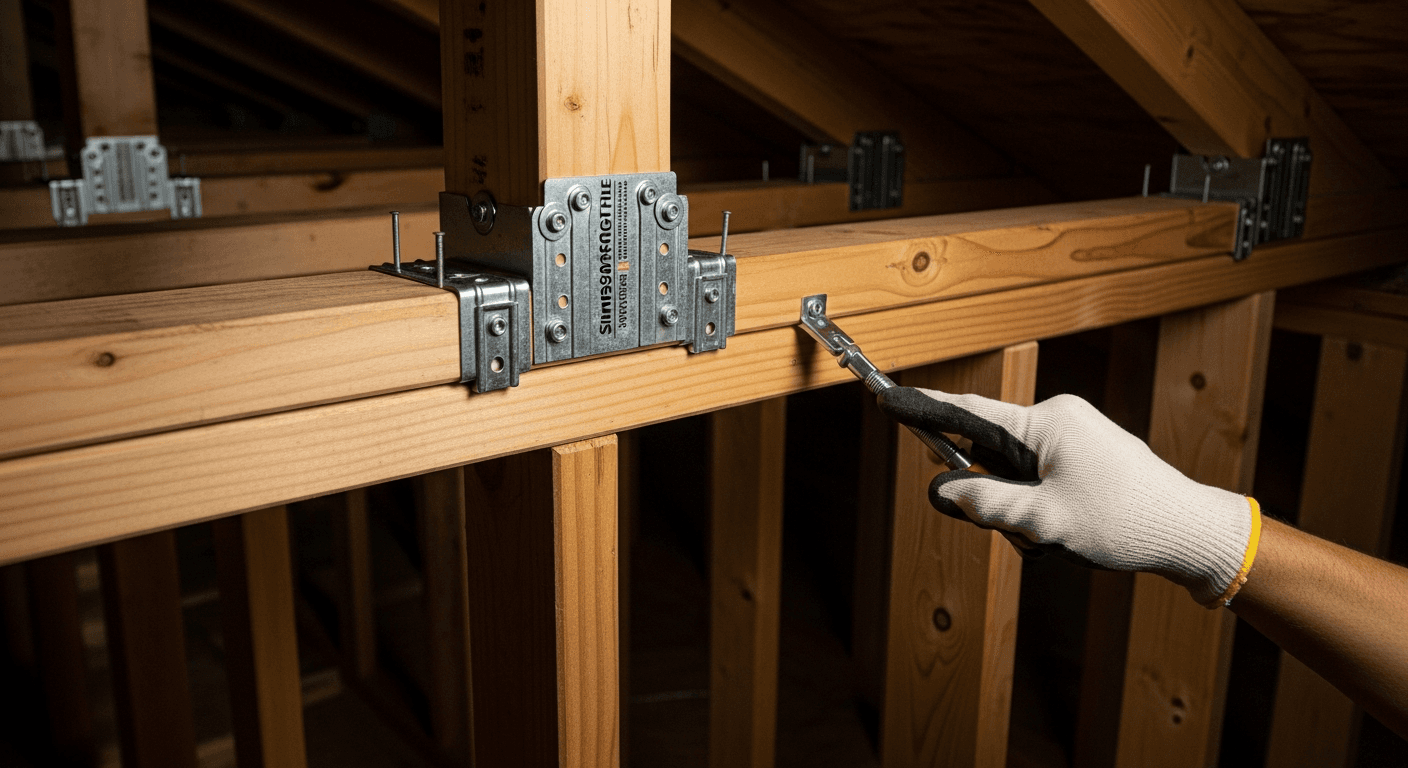
How re-roofing your Florida home triggers major insurance savings through wind mitigation credits. Covers the OIR-B1-1802 form, credit categories, average savings of $800-$2,500/year, and the inspection process.
Read More
My Safe Florida Home Grant 2026: Get Up to $10,000 for Roof Hardening (Before Funding Runs Out)
The My Safe Florida Home program has $270 million available for roof hardening grants up to $10,000, but the legislature has not approved new funding for 2027. Learn how to apply and maximize your grant.
Read More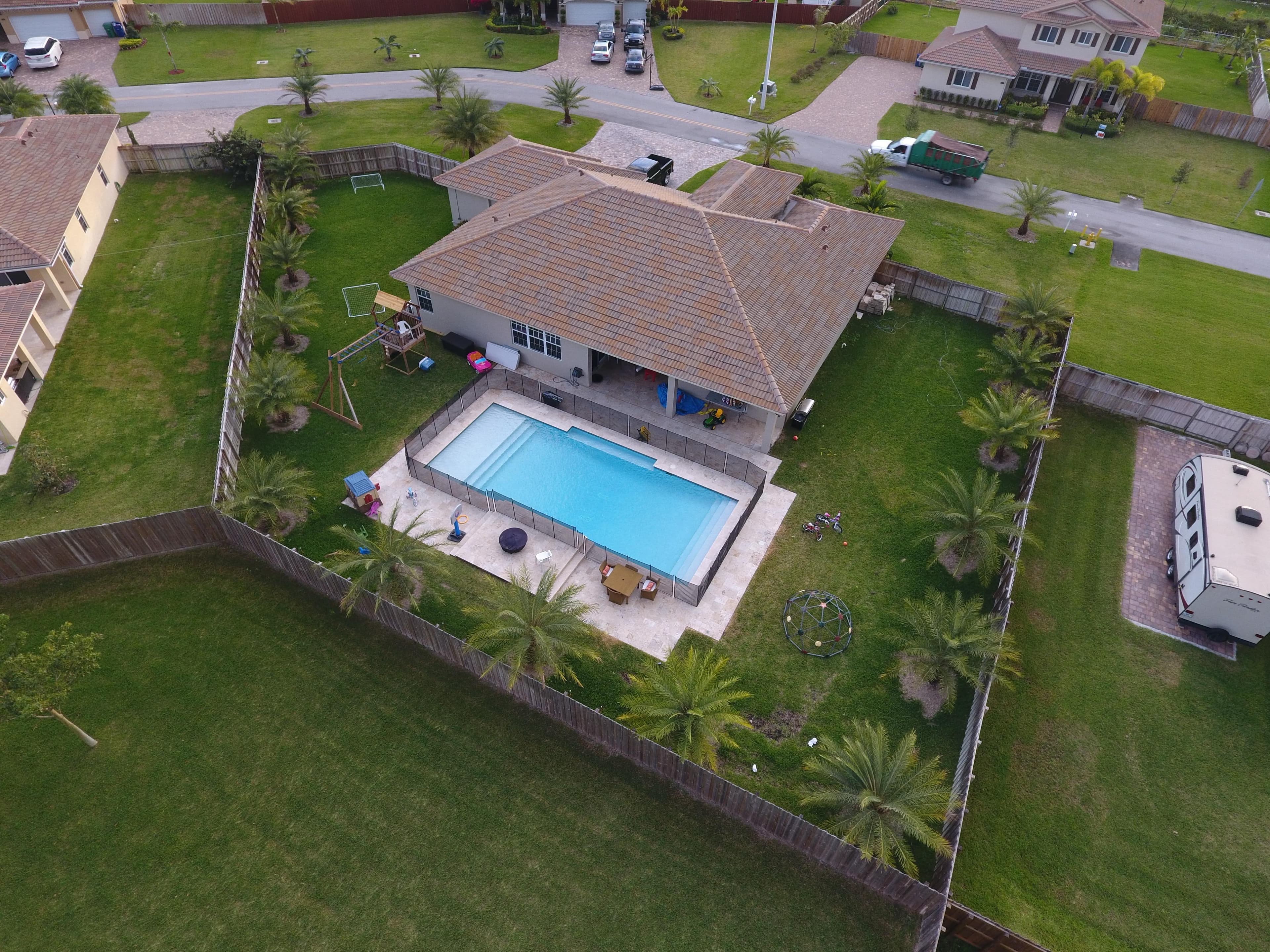
Florida insurance rates are dropping for the first time since 2015. Learn how combining market rate decreases with strategic roof upgrades can save Miami homeowners $1,400-$2,600 per year on premiums.
Read More